Chelsea
United’s Resilience at Stamford Bridge Seals Crucial 1-0 Win
United ground out a 1-0 win at Stamford Bridge, their first there since 2020, with Fernandes pivotal

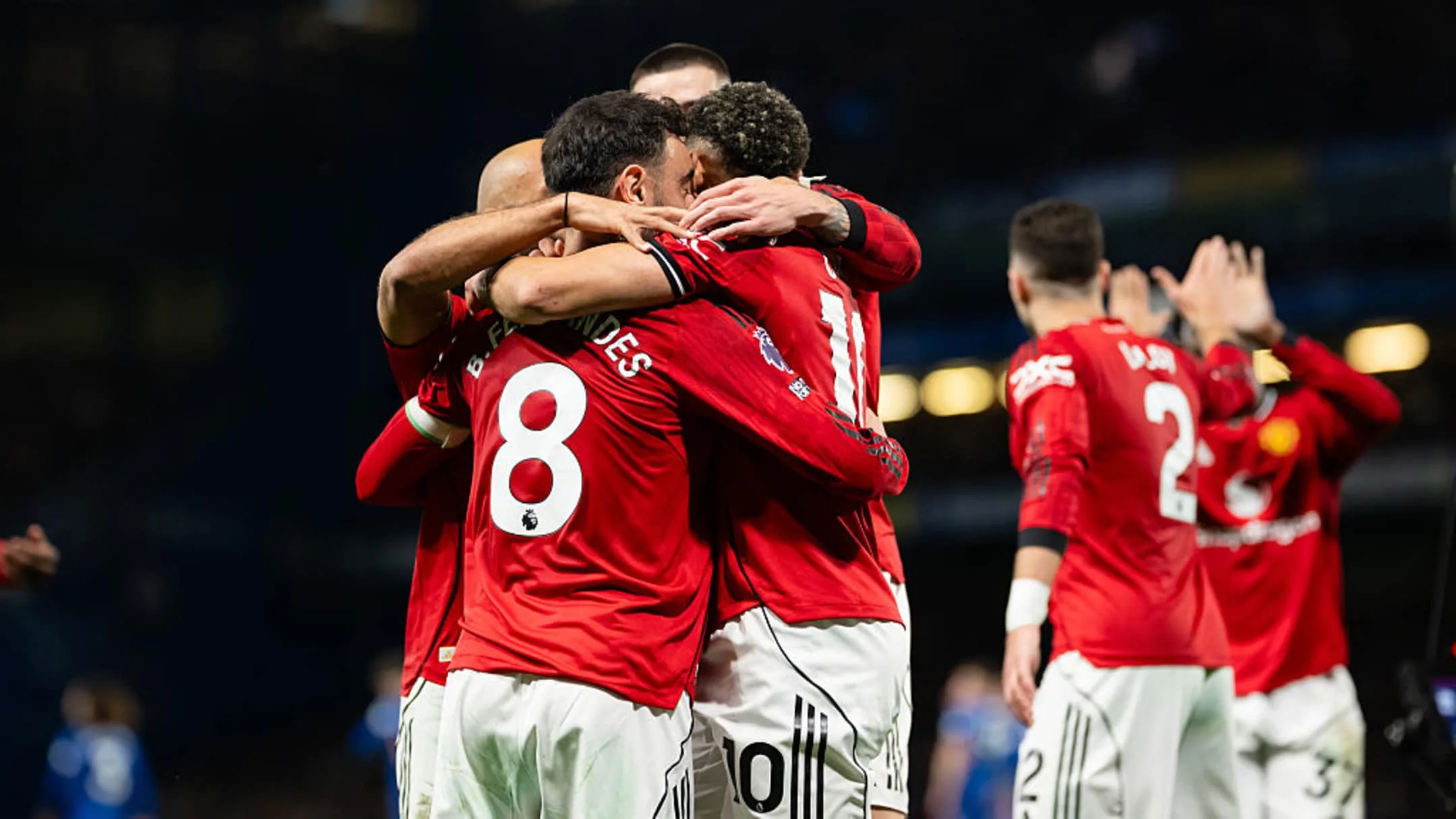
Manchester United moved a significant step closer to Champions League qualification with a hard-earned 1-0 victory over Chelsea. The result, secured before the break, was United’s first win at Stamford Bridge since 2020 and pushed them 10 points clear of sixth-placed Chelsea.
A depleted defensive unit was tested heavily after the restart but managed to preserve a clean sheet despite influential absentees. The backline’s resilience proved decisive as Chelsea dominated possession and territory but failed to convert control into goals.
Bruno Fernandes again dominated the attacking narrative. The midfielder extended his lead for division-high chances and big chances created and added to an already substantial assist tally. His run and delivery for Cunha’s effort was sublime. Fernandes controlled United’s attacking tempo and frequently operated a level above team-mates and opponents.
Among United’s front line, Matheus Cunha missed an early opportunity but rectified that with a composed finish on 43 minutes. Benjamin Šeško was quiet for long spells and appears more influential from the bench than as a starter. Mason Mount and Joshua Zirkzee were introduced late, while Amad Diallo replaced Šeško at the 80th minute.
Not every individual impressed. Bryan Mbeumo returned after a recent benching for the defeat to Leeds United but failed to make an impact. The forward struggled for accuracy, surrendered possession too often and offered little in attacking zones, leaving teammates to shoulder the creative burden.
Player ratings (position: name — rating):
GK: Senne Lammens — 8.1: Spared embarrassment by the offside flag as his dreadful parry led to Liam Delap’s offside goal in the first half. Hardly forced out of second gear otherwise.
RB: Diogo Dalot — 7.4
CB: Noussair Mazraoui — 6.9
CB: Ayden Heaven — 7.4
LB: Luke Shaw — 7.3
DM: Casemiro — 7.4
DM: Kobbie Mainoo — 7.3
RW: Bryan Mbeumo — 6.5
AM: Bruno Fernandes — 7.8
LW: Matheus Cunha — 7.6
ST: Benjamin Šeško — 6.7
Subs: Amad Diallo (80’ for Šeško) — 6.1; Mason Mount (81’ for Cunha) — N/A; Joshua Zirkzee (87’ for Mbeumo) — N/A
Match statistics: Possession Chelsea 60% United 40%; Expected Goals (xG) Chelsea 1.55 United 0.29; Total Shots Chelsea 21 United 4; Shots on Target Chelsea 3 United 1; Big Chances Chelsea 0 United 1; Passing Accuracy Chelsea 89% United 84%; Fouls Committed Chelsea 12 United 13.




Aston Villa
Garnacho’s social post after Aston Villa debut raises eyebrows over Chelsea exit
Garnacho marked his Aston Villa debut with an Instagram post that many read as a Chelsea dig.
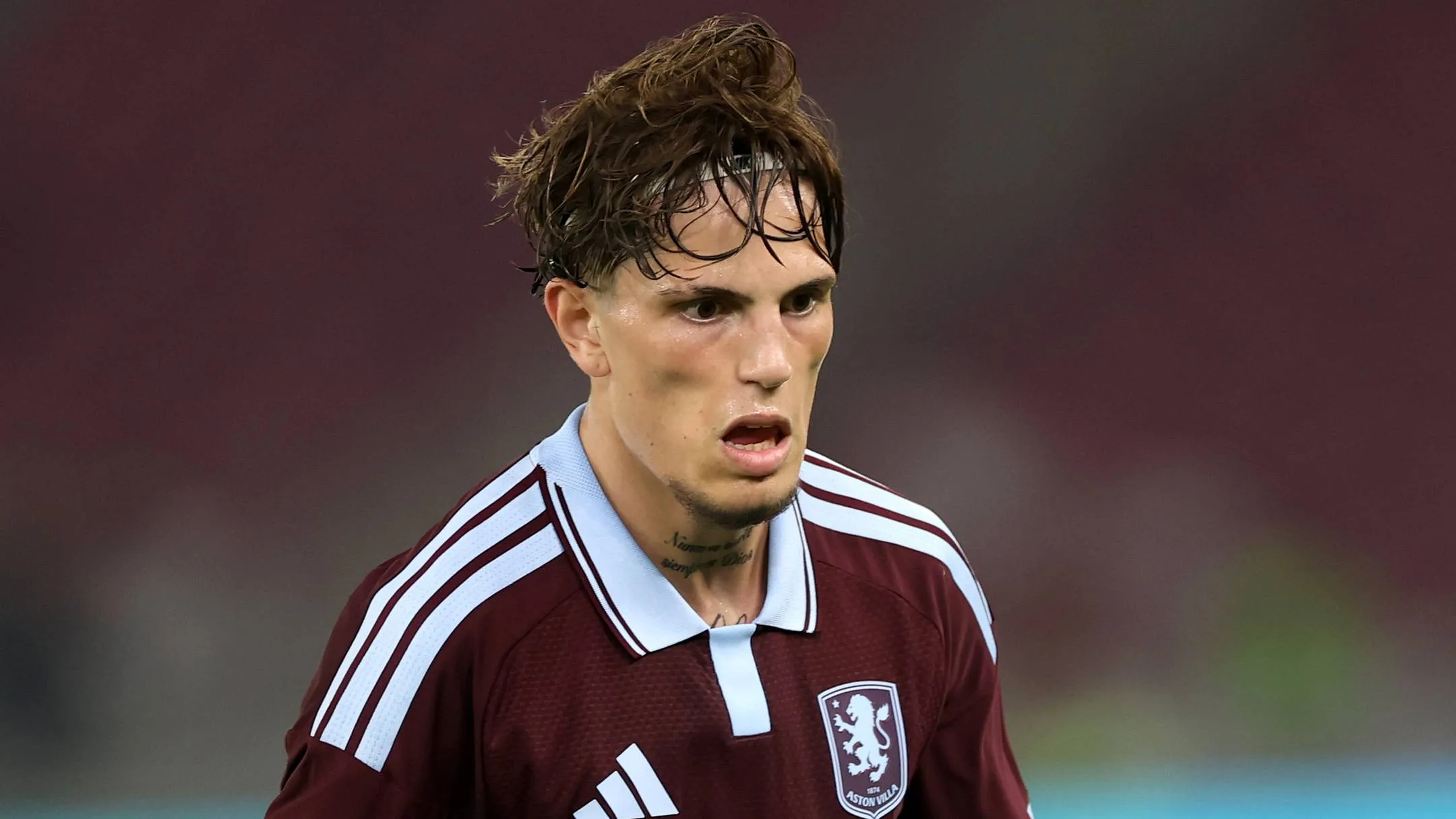
Alejandro Garnacho’s first outing for Aston Villa quickly became a talking point after the winger appeared to aim a subtle message at Chelsea on social media.
Garnacho featured in Aston Villa’s 3-1 win over the Indonesia All-Stars as Unai Emery’s side opened their preseason schedule. It was his debut for the club, and he used Instagram afterwards to reflect on the occasion with a line many interpreted as a pointed reference to his former team.
“First start in three months,” Garnacho wrote on Instagram. “Happy to be enjoying football again, 1% every day. Thanks Indonesia!”
The post followed a season in which he did not start any of Chelsea’s final five Premier League matches and scored only once in the league, making his departure unsurprising. But it also fit a pattern that has followed the winger through previous moves.
Garnacho had already left Manchester United after admitting he had started to do “some bad things” towards the end of his time at Old Trafford. He also drew attention in February when, ahead of Chelsea’s Carabao Cup semifinal against Arsenal, he said, “Everyone knows how hard it is to play there. If, for example, Manchester United can beat them there, we can do it perfectly.” Chelsea then lost 1-0, and Garnacho was mocked on social media by United supporters.
Later, after Chelsea lost 1-0 to Manchester United in the Premier League, Luke Shaw posted a picture of himself knocking Garnacho to the floor. Other United players commented beneath it, adding to the sense that relations had deteriorated.
Garnacho has often generated headlines when leaving clubs, and this latest message after his Aston Villa debut will only add to that reputation. Yet the bigger issue now is his output on the pitch. United once viewed him as a major talent after his breakthrough in the 2022-23 season, but this stage of his career may depend on whether he can make the right kind of impact in 2026/27.
Analytics & Stats
One priority signing each Premier League club should target before the window closes
A club-by-club look at the main transfer priority every Premier League side still needs to address.
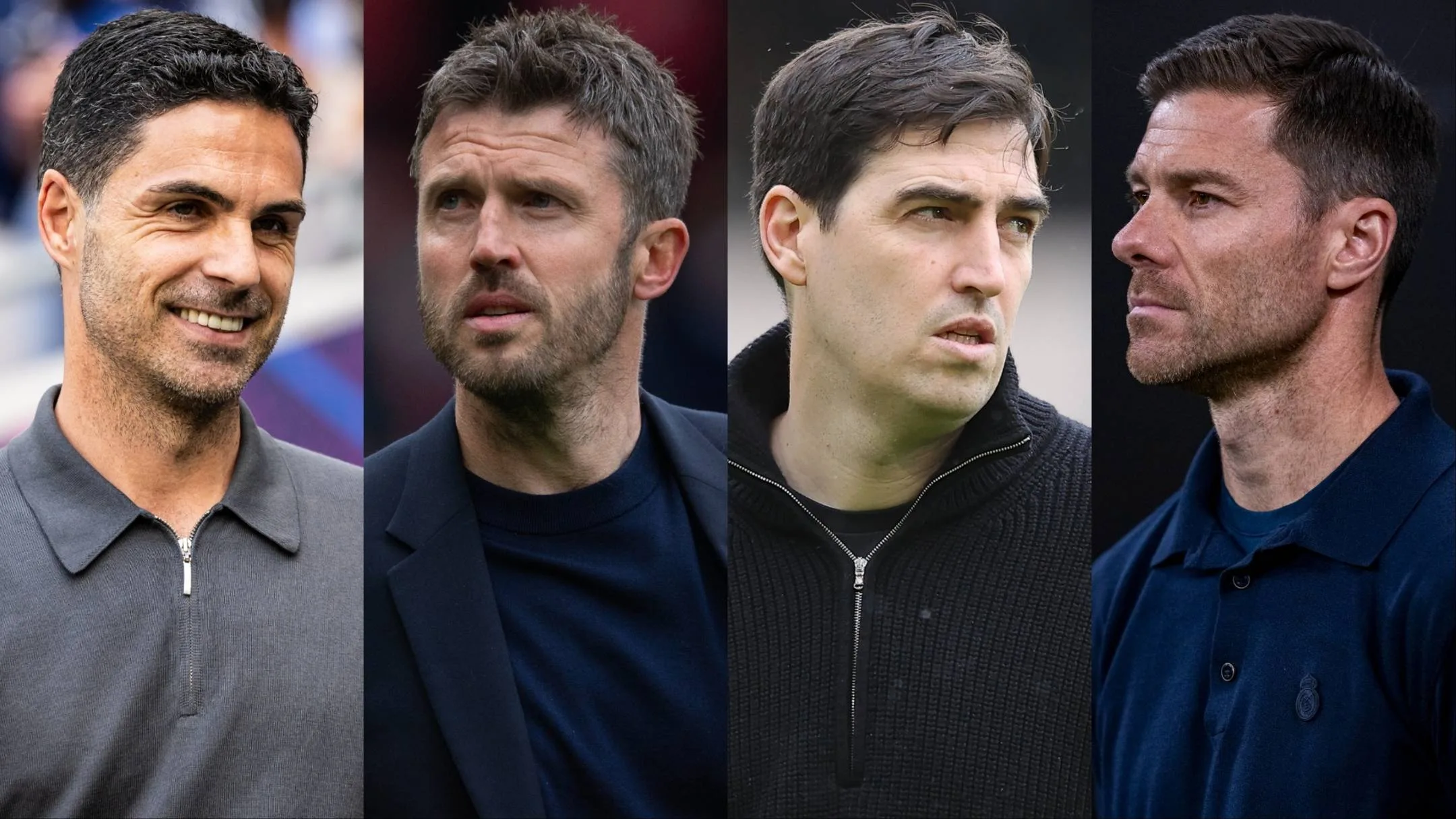
With less than a month left in the transfer window, Premier League clubs are still expected to be busy. Incomings and outgoings remain likely across the division, and every side still appears to have at least one clear gap to fill before the deadline.
Arsenal may be attracting attention with their pursuit of Vinícius Júnior, but their bigger need is in central midfield. Declan Rice carried too much of the load last season, while Martín Zubimendi faded after the break and Myles Lewis-Skelly is not yet fully trusted there. Another box-to-box midfielder would help enormously.
Aston Villa could soon be short at left back if Lucas Digne leaves, which would leave Ian Maatsen as the only senior option. Bournemouth need more depth in wide areas, Brentford still require a more natural left back, and Brighton & Hove Albion must replace the goals lost with Danny Welbeck’s move to Chelsea.
Chelsea, meanwhile, have done plenty of work already but still have not addressed the goalkeeper position. Robert Sánchez improved in 2025-26, yet the club still look in need of a top-class solution.
Elsewhere, Coventry City are close to signing Carl Rushworth permanently and would then turn to left back. Crystal Palace need centre-back reinforcements after losing Marc Guéhi and Maxence Lacroix, while Everton must add a defensive midfielder after Idrissa Gana Gueye’s departure.
Fulham will look for winger depth after strengthening up front, Hull City want more options in attack, and Ipswich Town are still waiting for a central midfielder. Leeds United may also need another striker to cover for Dominic Calvert-Lewin’s injury record.
Liverpool’s most pressing issue is out wide, Manchester City need a right back, Manchester United still want a more destructive midfielder, and Newcastle are alarmingly short at left back. Nottingham Forest must replace Elliot Anderson in midfield, Sunderland need more balance on the left side, and Tottenham Hotspur have already moved aggressively to rebuild after last season’s collapse.
Chelsea
Mudryk Returns To Chelsea Training As His Future Remains Unclear
Mudryk is back at Chelsea, but competition, rust and interest elsewhere all cloud his future.
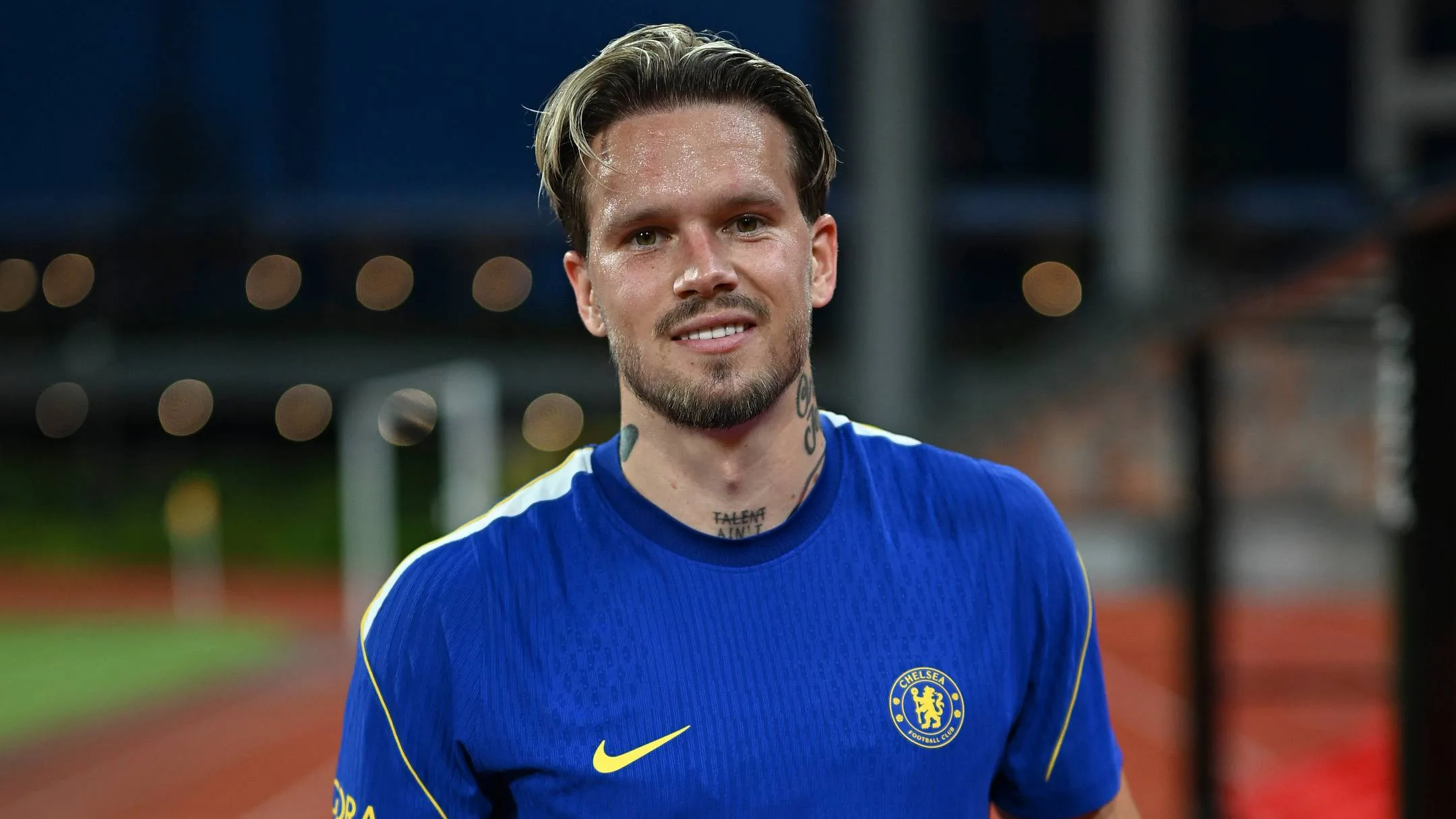
Mykhailo Mudryk has rejoined Chelsea training after a 20-month absence, but the winger’s place in the club’s plans is still far from settled.
The Ukraine international is back with the Blues on their preseason tour in Asia after his doping ban was reduced following changes to World Anti-Doping Agency technical documents. The original four-year suspension handed down by the England Football Association had been reconsidered because the Meldonium concentration in the sample that triggered the case would no longer be treated as a “positive test” under the updated guidance. Mudryk, Chelsea and WADA then reached an agreement that clears the 25-year-old to return after almost two years away, ending what he described as the “most difficult period of his career.”
His comeback comes into a very different Chelsea environment. Since his last appearance, the club has moved through the Enzo Maresca era and beyond, with Liam Rosenior, Callum McFarlane and now Xabi Alonso all having been in charge. The left side of the team has also changed significantly. Jadon Sancho and João Félix, who were rivals for minutes when Mudryk last played, have both departed, while Jamie Gittens and record signing Morgan Rogers are now the main competition. Alejandro Garnacho also came and went during the suspension.
Alonso has already made clear that he wants to work with Mudryk, calling the ban lift “great news.”
“He is coming to Hong Kong [for preseason],” Alonso said after Chelsea’s friendly vs. Tottenham . “We are happy for him—especially for him. We probably are not able to understand what he has been through in this time and how he feels in this moment with the things he’s had to cope with.
“We want him to feel part of a team because he has been training on his own for a long time. He has the support of everyone, from the club, from his teammates and staff. For sure it will take time, but once he is with us, we will see how things develop.”
Alonso also praised the qualities he saw before at Shakhtar and admitted the winger needs time to regain rhythm. That matters, because Mudryk is still trying to establish himself after a difficult spell at Chelsea following his January 2023 move worth up to $108.4 million (€100 million, £89 million). He has 10 goals in 73 appearances, and reports say three Premier League clubs, including Frank Lampard’s newly-promoted Coventry City, have already asked about him. A sale looks unlikely, but a loan may be possible.

Garnacho’s social post after Aston Villa debut raises eyebrows over Chelsea exit

One priority signing each Premier League club should target before the window closes