Manchester United
United’s cost-cutting shows on the balance sheet — and on the staff it affected
Cost savings at United have coincided with mass staff layoffs and expensive managerial changes. 2025

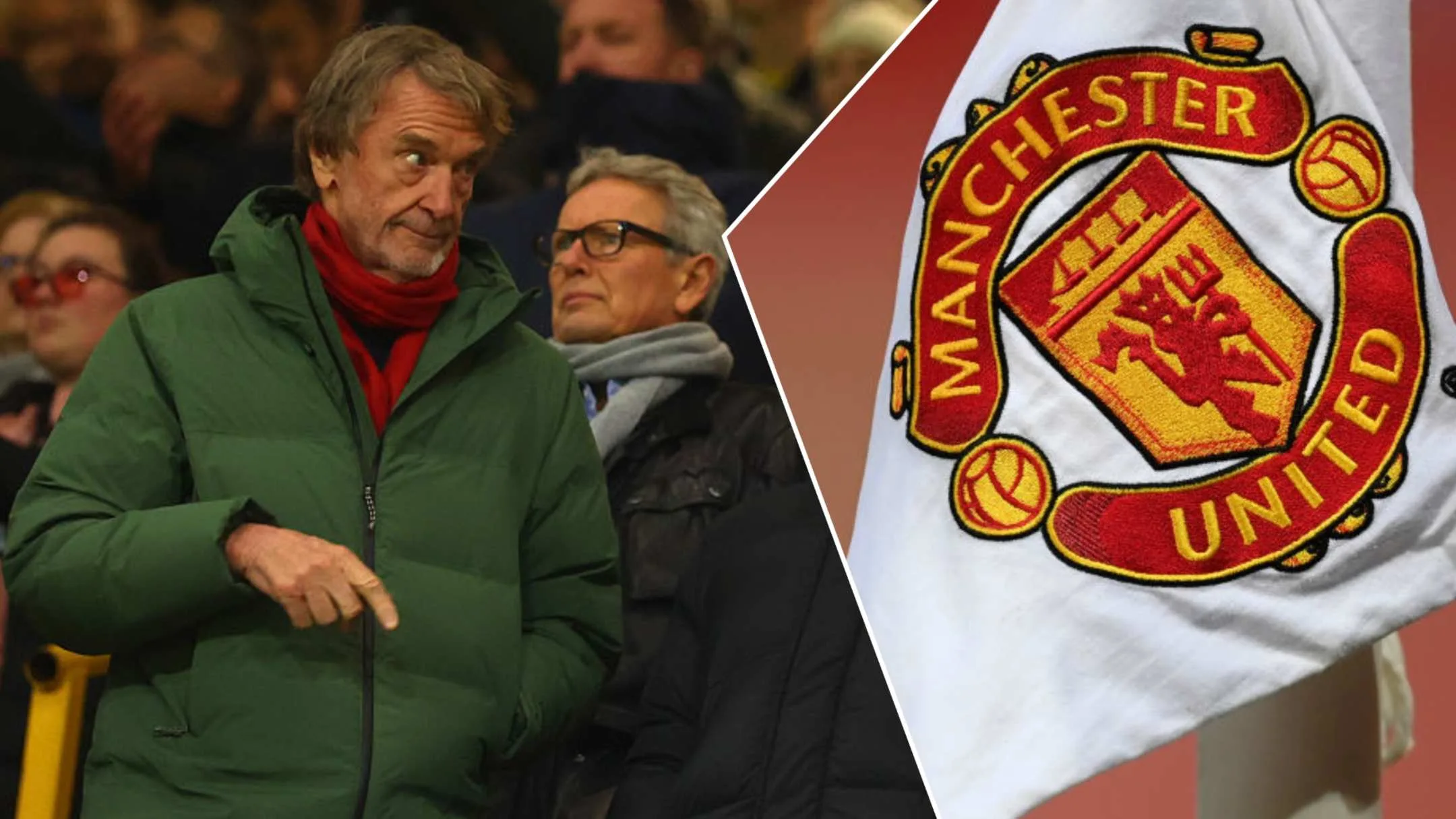
Manchester United’s latest financial update frames the Ratcliffe-era reductions as a success on cost and profitability. The club’s chief executive, Omar Berrada, said: “We are now seeing the positive financial impact of our off-pitch transformation materialise both in our costs and profitability.”
That impact has been felt most directly by people who worked at the club. Since the Ratcliffe era began two years ago, as many as 450 non-playing staff have been made redundant. Everyday workplace benefits such as the club providing daily lunch have been scaled back. There is an acceptance within the building that staff accept lower pay than similar roles elsewhere because of the emotional pull of the institution.
“This is not the fault of the staff who are losing their jobs,” Andy Mitten wrote for The Athletic in the summer of 2024. The founder of the United We Stand fanzine rejected the idea of pruning “deadwood,” instead pointing to “wasted wages” on underperforming players and the long shadow of the 2005 leveraged takeover. He added: “Many are competent and professional members of staff. They gave it their all at United. They were well respected and committed to the club’s success.”
Tyrone Marshall of the Manchester Evening News warned: “Manchester United likes to think of itself as one big family. It’s something they trade on. It should be a long, long time before anyone associated with United tries to portray this as being a family club again. If it is, it’s a soulless family with the joy long since ripped out of it.”
In the three months to the end of December 2025, United recorded a £7.4 million reduction in employee benefit expenses compared with the same period a year earlier, the club clarifying this was “due to the impact of headcount reduction programs implemented during the prior year.” By comparison, Mason Mount’s reported salary over a three-month span is between £3–3.6 million, an example the club’s spending choices have made stark.
High-profile managerial departures have also been costly. Erik ten Hag’s contract was extended in July 2024 and he was dismissed less than four months later. Replacing him with Ruben Amorim cost £21.4 million. The club also spent £4.1 million to remove Dan Ashworth from a short-lived sporting director role. Amorim left 13 months later; his estimated payoff is around £10 million and the broader hire-and-fire bill is put at £27 million.
The financial picture is muted across revenue lines. Income for the first half of 2025–26 fell by 3.2% year on year, with commercial revenue down 4.5% for the half and 7.8% in the three months to the end of December. The loss of a training kit partner after the Tezos deal ended and Marriott International’s departure last summer have both contributed to the commercial decline as the club seeks to restore its on-field and off-field appeal.




Man Utd Transfer News
Man Utd plan for a $93m windfall as Højlund and Rashford head for exits
Man Utd expect a $93m windfall from Højlund and Rashford sales; funds to target midfield rebuild 26
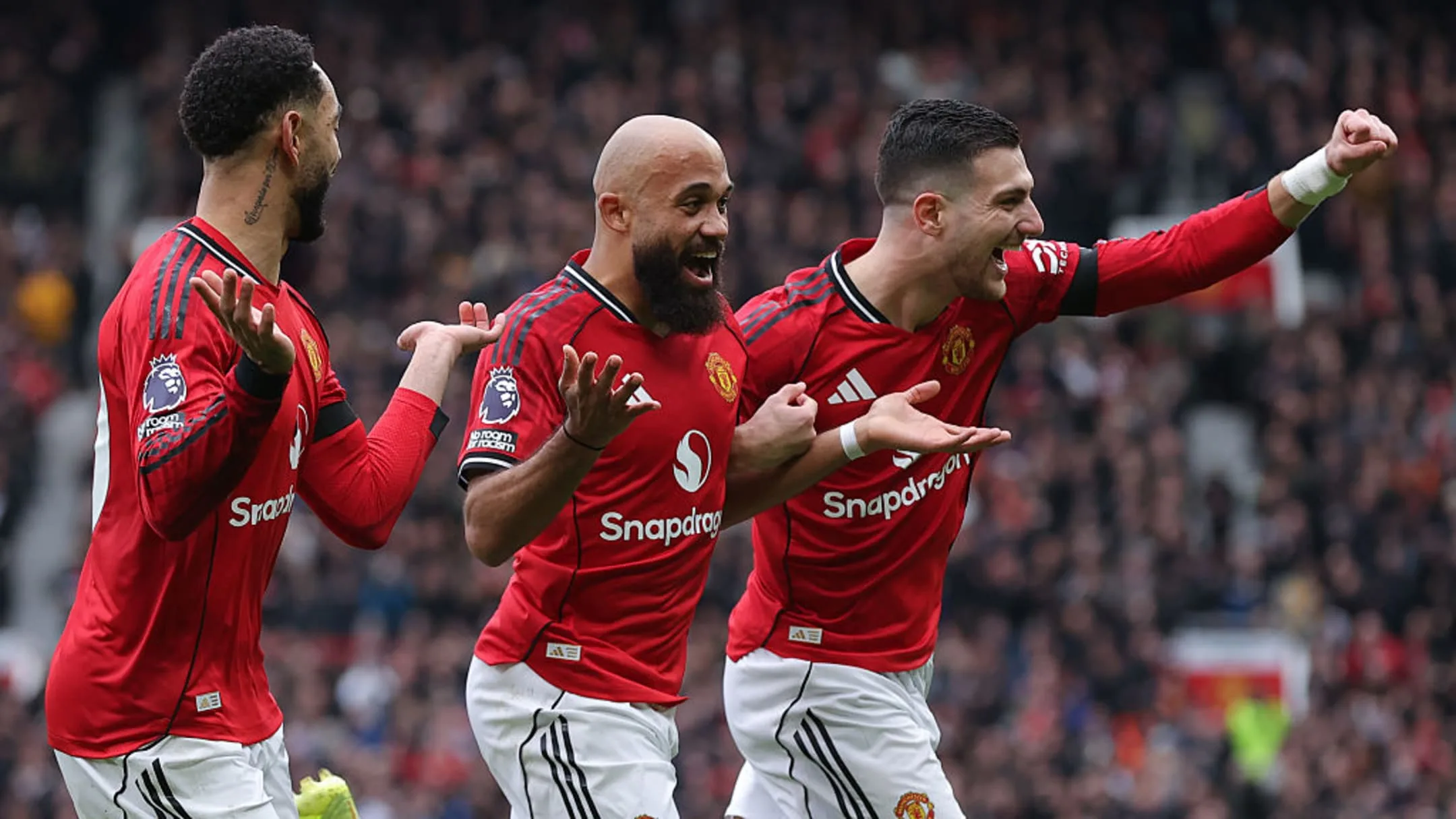
Manchester United are reported to be “optimistic” they will recover $93 million (£69 million, €80 million) this summer from the permanent sales of Rasmus Højlund and Marcus Rashford. Neither forward looks likely to remain at the club beyond the end of the season, with their loan clubs interested in turning temporary deals into permanent transfers.
Sources say United have already received $7 million from Højlund’s loan and would collect a further $51 million if the purchase clause in his Napoli deal is exercised. The Denmark international has scored 13 goals since returning to Serie A.
On Rashford, Fabrizio Romano has reported Barcelona are in “advanced talks” with the Red Devils over a $35 million move. The forward has produced 20 goal contributions while on loan in Catalonia and is well regarded by Barcelona manager Hansi Flick.
The potential inflow would be a welcome correction to last summer’s finances. Only Alejandro Garnacho and Antony generated transfer income for United in the previous window, while the club spent more than $300 million on Bryan Mbeumo, Benjamin Šeško, Matheus Cunha and Senne Lammens. All four players have impressed in their debut seasons, increasing the case for United to recoup funds via sales before the next major transfer window.
Reinforcing midfield is likely to be the priority. The club will be short in central areas following the scheduled departure of Casemiro at the end of the season, creating demand for multiple additions. Carlos Baleba, Elliot Anderson and Adam Wharton have been linked as primary targets, with each expected to cost in the region of $130 million or possibly higher.
United could also seek cost-effective midfield depth. André and João Gomes are cited as sensible alternatives should Wolverhampton Wanderers drop to the Championship, while Bundesliga options Angelo Stiller and Felix Nmecha may come at a lower price than the Premier League trio.
Recruitment planning is complicated by uncertainty over the club’s next permanent manager. The board is not in a hurry and any final decision will hinge on the climax of the current campaign, a factor that makes long-term tactical planning for signings more difficult.
Analytics & Stats
What Manchester United Must Learn After Carrick’s First Loss
Carrick’s first defeat shows missed big chances, midfield imbalance and the thin margins in results.
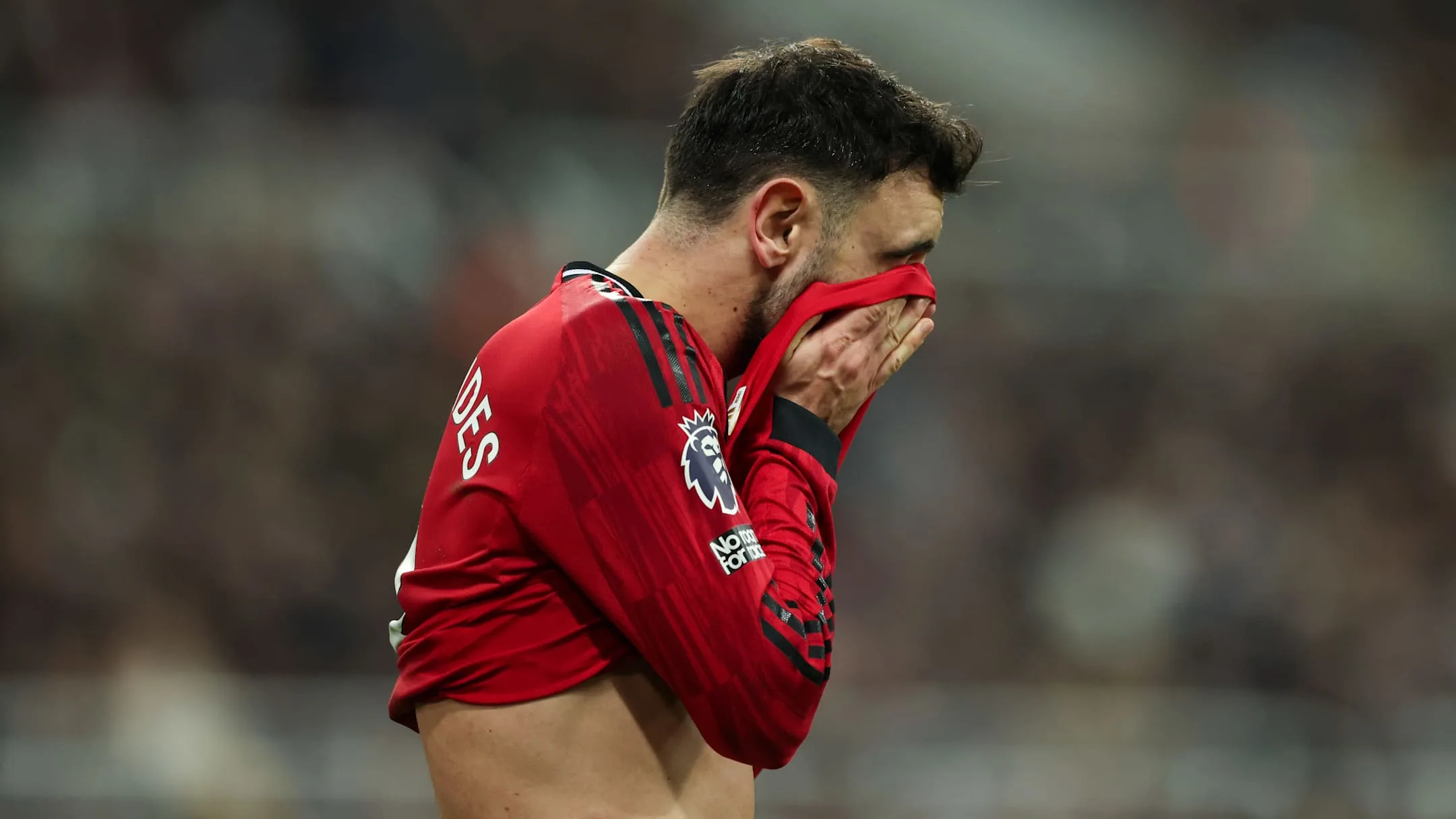
Michael Carrick’s first defeat since becoming interim manager in January exposed several clear lessons for Manchester United. The run that followed his appointment — six wins from his first seven games, a draw with West Ham United and an unbeaten stretch that, when combined with his 2021 caretaker spell, extended to nine league matches — had masked deeper issues. Only Herbert Bamlett (1927) and Ole Gunnar Solskjær (2018–19) had matched similar starts in the club’s history.
Senne Lammens called the performance at St James’s Park a “a collective off-day” that the players now “have to learn from.” Since beating Arsenal on Jan. 25, Manchester United haven’t been brilliant. Results continued largely because of resilience rather than dominance: the Fulham victory required a 94th-minute winner from Benjamin Šeško; Spurs spent more than half the game with 10 men after Cristian Romero’s red card; Everton was another narrow win courtesy of Šeško; and United were trailing against Crystal Palace until the Eagles were reduced to 10 early in the second half.
Newcastle followed a similar pattern. Even after the Magpies had a player sent off in the first half, a Newcastle penalty and an individual strike from William Osula turned a potential narrow victory into a narrow defeat. FotMob’s numbers underline the difference: United led overall attempts (14–12), shots on target excluding penalties (5–4) and ‘big chances’ (4–3), but missed three ‘big chances’ to Newcastle’s two. That matched the total of big chances missed across the three previous matches combined.
Casemiro scored United’s equaliser deep into first-half stoppage time, his 36th goal involvement since joining the club, but he is a traditional No. 6 and is leaving in a matter of months. Kobbie Mainoo offers quality as a deep-lying playmaker, yet United lack an all-round box-to-box engine on the scale of Sandro Tonali, Declan Rice, Moisés Caicedo or Tijjani Reijnders. Under Sir Alex Ferguson, United often recruited opponents’ best performers — Wayne Rooney, Roy Keane, Andy Cole, Dwight Yorke, Teddy Sheringham, Robin van Persie and even Carrick himself — which makes Tonali a summer target to consider.
Time in-season is precious; fixture congestion after Christmas leaves little room to regroup. That scarcity of recovery and reflection only increases the cost of missed chances and midfield imbalance.
Manchester United
Osula’s 90th-Minute Strike Hands Newcastle a 2-1 Win as Carrick’s United Fall Short
United 2-1 defeat: Osula 90′ winner; Casemiro equaliser; Ramsey sent off in stoppage time and drama
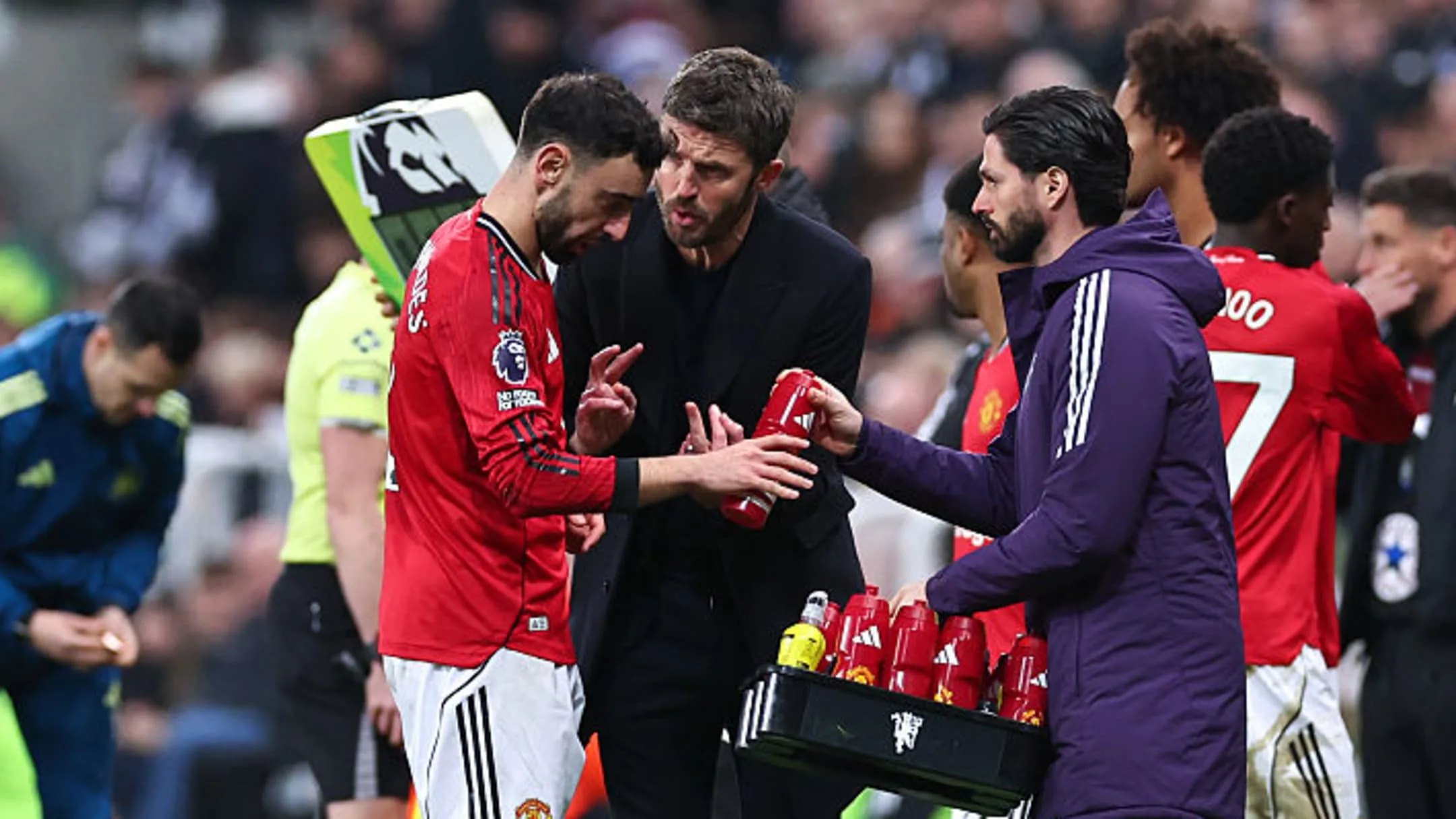
Michael Carrick suffered his first defeat in charge as Manchester United were beaten 2-1 by Newcastle United on Wednesday. William Osula produced the decisive moment in the 90th minute, cutting inside from the right and bending a clinical strike into the far bottom corner.
Newcastle set the tone early, pressing with intensity that unsettled United. The visitors squandered a number of openings in the first 20 minutes, flashing the ball wide, before United gradually established more control. The match turned in first-half stoppage time when Ramsey was sent off after receiving a second yellow card for simulation in the penalty area. Moments later the game saw quickfire goals at either end as Gordon and Casemiro both found the net.
The second half lacked rhythm at first but opened up as the match progressed. Leny Yoro missed a significant opportunity at 1-1 and had a header denied by Aaron Ramsdale. Ramsdale also denied substitute Joshua Zirkzee shortly before Osula’s winner.
United remain third in the Premier League, ahead of Aston Villa. The defeat was a missed chance to increase the cushion on Liverpool in sixth in the race to the Champions League, after the Merseysiders lost on Tuesday.
Casemiro, already confirmed to be leaving at the end of the season, again showed his on-field value. The Brazilian glanced a header beyond Aaron Ramsdale despite registering just 0.06 in xG across his 61 minutes. He produced numerous defensive contributions, searched for forward passes and was strong in the air. That headed equaliser was recorded as his 36th goal involvement since joining the club. Elsewhere, Elliot Anderson scored a late equaliser for Nottingham Forest against Pep Guardiola’s City. Anderson has been linked as a possible replacement, with reported figures that could climb to $133.7 million (£100 million).
Player ratings
GK: Senne Lammens—6.8: Stood little chance on either goal and didn’t have to do that much else.
RB: Noussair Mazraoui—6.7: A first start since returning from the Africa Cup of Nations in January and put in a hard shift. Appeared to leave the game with a knock.
CB: Leny Yoro—6.8: His game is ultimately judged on defending, but a big miss at 1–1 might have been costly.
CB: Harry Maguire—6.7: Overcame recent illness to start just hours after his retrial in Greece ended in a second conviction. Arguably hesitated as Osula was shaping to shoot.
LB: Luke Shaw—6.4: Another who passed a late assessment to make this game.
CM: Casemiro—7.3: Made an important block early on, before his headed equalizer was a remarkable 36th goal involvement since joining the club. Off after just over an hour.
CM: Kobbie Mainoo—6.7: Barely misplaced a pass but didn’t have enough of the ball in the right areas to hurt Newcastle.
RM: Bryan Mbeumo—6.5: Not his night, unusually. Guilty of firing his only shot over the bar from a good position.
AM: Bruno Fernandes (c)—8.1: Gave away the penalty when he caught Gordon in the box, yet made up for it moments later with the free kick that set up the equalizer. Created eight chances.
LM: Matheus Cunha—7.6: Asked questions of the Newcastle defense, even though the left wing is not his preferred position. Made defensive contributions too.
ST: Benjamin Šeško—5.8: Actually saw a bit more of the ball than he did against Crystal Palace, but that big chance he needed to keep his scoring run didn’t come this time.
Subs
Manuel Ugarte (61’ for Casemiro)—6.6; Diogo Dalot (61’ for Shaw)—6.3; Amad Diallo (76’ for Mainoo)—6.1; Joshua Zirkzee (76’ for Mbeumo)—6.6; Tyrell Malacia (85’ for Mazraoui)—N/A. Subs not used: Altay Bayındır (GK), Ayden Heaven, Goodwill Kukonki, Tyler Fletcher.
Match statistics
Possession: Newcastle 45% — Man Utd 55%
Expected Goals (xG): Newcastle 2.22 — Man Utd 1.28
Total Shots: Newcastle 12 — Man Utd 14
Shots on Target: Newcastle 5 — Man Utd 5
Big Chances: Newcastle 2 — Man Utd 4
Passing Accuracy: Newcastle 77% — Man Utd 82%
Fouls Committed: Newcastle 15 — Man Utd 16
Corners: Newcastle — Man Utd