Premier League
Postecoglou’s Verdict: Tottenham’s Infrastructure, Identity Problem and Transfer Choices
Postecoglou: Spurs have world-class facilities but not the wage structure or investment of a big club

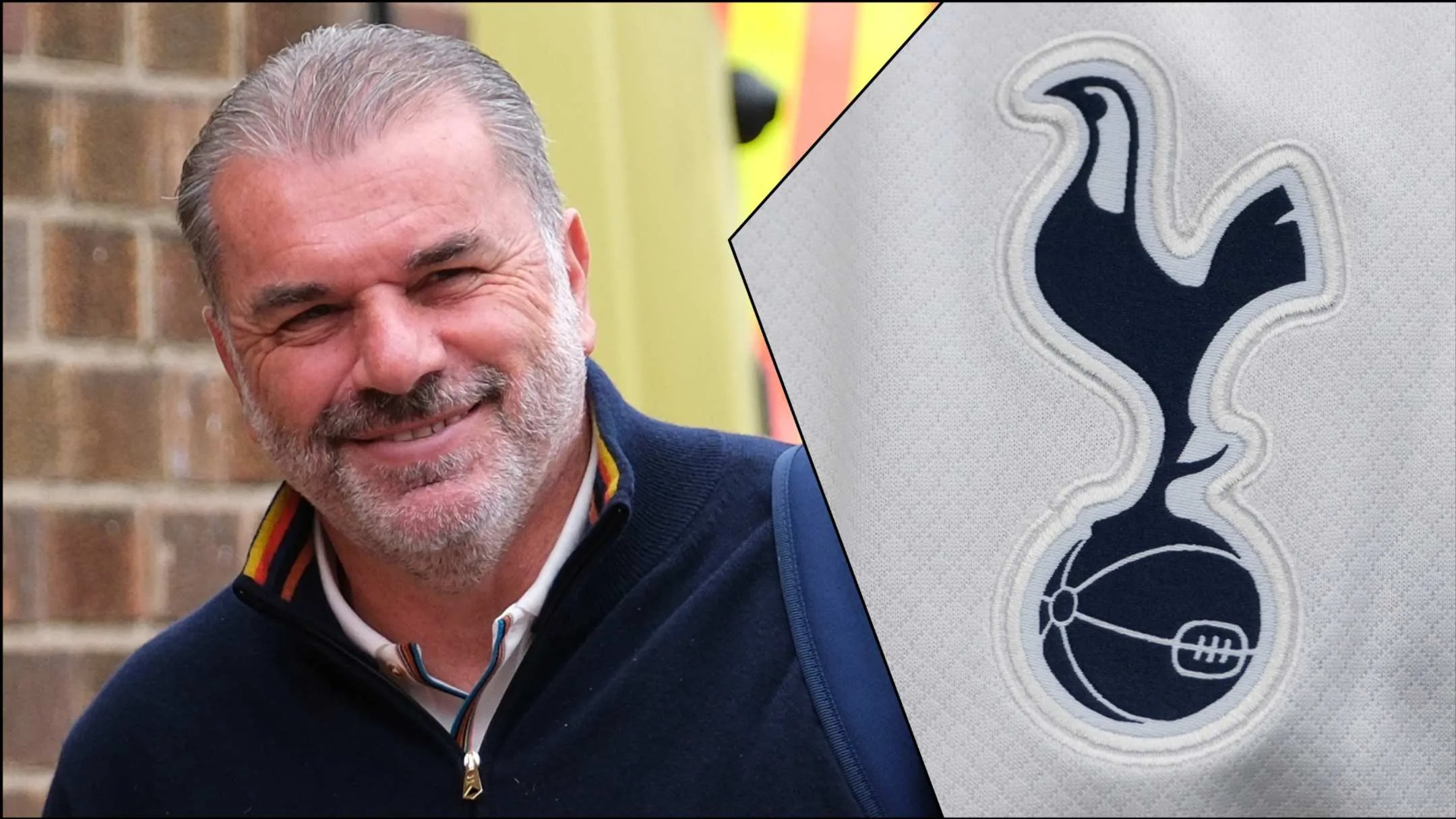
Ange Postecoglou used a recent appearance on The Overlap to deliver a stark appraisal of Tottenham’s current state, turning a frank interview into a wider diagnosis of the club he once managed. The conversation followed the news of Thomas Frank’s sacking and ranged across leadership change, transfer strategy and lingering cultural doubts.
Postecoglou admitted it was “tough” for Frank, who “can’t be the only issue at the club,” and asked blunt questions about the club’s direction. He pointed to the disruption after Daniel Levy “leaving as well” and questioned why a major pivot had been taken. “They’ve had world class managers there. They haven’t had success. And for what reason? What was the reason for such a major pivot? Thomas is walking but what’s his objective? What’s the club’s objective?” he asked.
At the heart of his critique was a mismatch between Tottenham’s visible assets and what he described as their spending priorities. “Obviously, they’ve built an unbelievable stadium, unbelievable training facilities. But when you look at the expenditure, particularly in the wage structure, they’re not a big club,” he said, citing the 2024–25 accounts that showed Spurs with the fifth-largest revenue in the Premier League but only the seventh-highest wage bill.
Those financial dimensions, Postecoglou argued, affected recruitment. “I saw that, because when we were trying to sign players, we weren’t in the market for those players.” He reflected on the club’s 2023–25 net spend, saying Tottenham recorded the largest net spend in the Premier League across his two seasons but that the identities of incoming players mattered more than cost.
He recounted the summer 2024 arrivals — Dom Solanke alongside Archie Gray, Wilson Odobert and Lucas Bergvall — and said: “really keen on him” and “really liked him” about Solanke, while describing the younger signings as promising but unlikely to bridge the gap to the very top. “I was looking at Pedro Neto, [Bryan] Mbeumo and [Antoine] Semenyo at the time, Marc Guéhi, because I said we need … If we’re going to go from fifth to there, that’s what the other big clubs would do in that moment,” he said.
On culture he did not mince words. “100% there is, absolutely and that was the thing I was trying to break and my whole statement about winning things in the second year, I was doing that for the club because nobody internally would dare say that, they were just scared,” he said. And he recalled Levy’s odd motivation speech on the day of the Europa League final: “The only thing he said to me—which was bizarre as a motivational point—was something like, ‘You know what, I’ve been in seven finals or semi-finals and we haven’t won one,’”
Postecoglou closed by underlining the influence of Harry Kane during the previous decade: “People underestimate the role Harry played over the past 10 years,” and “He’s unbelievable. I only worked with him for a couple of months, but he is the best player I have witnessed close up in my whole career. ]”




AEK Athens
Anthony Martial’s rise and decline: from United’s record gamble to free agency
Martial’s United rise, role changes, injuries and release left a career that never matched its early promise.
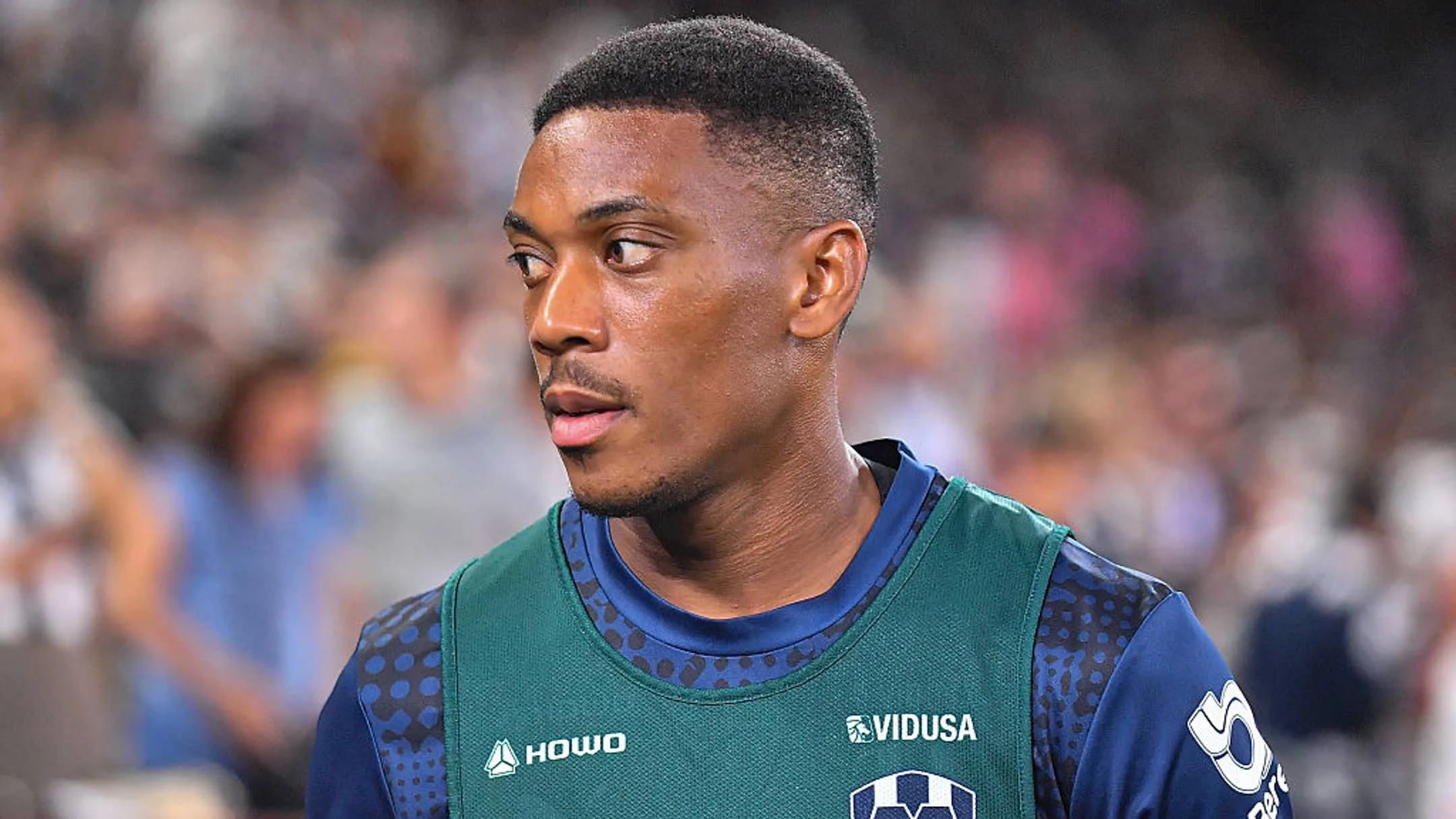
Anthony Martial’s Manchester United story began with promise and ended with a sharp fall. When he arrived from Monaco in the summer of 2015, he was a surprise headline signing and a forward few outside France knew well. Yet the club paid heavily for his potential, with one add-on even linked to a Ballon d’Or win.
His background suggested a player built for the highest level. Born in the suburbs of Paris, Martial started out at Les Ulis before moving to Lyon at 14. He made his senior debut shortly after turning 17, then joined Monaco seven months later. In the principality, he progressed from the B team to the first team and eventually delivered 12 goals in 48 appearances in his second season.
United’s faith looked justified almost immediately. Martial scored on his debut against Liverpool with a solo run from the left, then followed that with two goals against Southampton. He also struck a stoppage-time winner against Everton in the FA Cup semifinal, helping set up the club’s first major trophy since Sir Alex Ferguson retired. That first campaign finished with 11 Premier League goals and 17 in all competitions.
But his role changed when new competition arrived. Zlatan Ibrahimović took his No. 9 shirt, and later Romelu Lukaku pushed him further from the centre of the attack. Martial had his moments, but his numbers fluctuated and his starts often gave way to substitute appearances.
There was a bright spell in 2019-20 under Ole Gunnar Solskjær. Used centrally, Martial produced 23 goals in all competitions and looked as though he had finally found the right platform. Instead, that proved to be his peak. His output dropped sharply afterwards, with injuries, fitness problems and a red card interrupting his rhythm.
Martial’s final United years brought a loan spell at Sevilla, where he failed to score in nine La Liga appearances, before his contract ended in 2024. Across his best two seasons at the club, he scored 40 goals in 97 matches, but his last four years produced only 19 in 95. A free transfer to AEK Athens brought seven goals in 16 Super League Greece appearances, though the limited number of games underlined how far his career had drifted.
Chelsea
Chelsea’s Controlled Win Over AC Milan Offers Early Alonso Clues
Chelsea beat AC Milan 3-0 in Jakarta, with Alonso’s 3-4-2-1, Palestra and set pieces standing out.
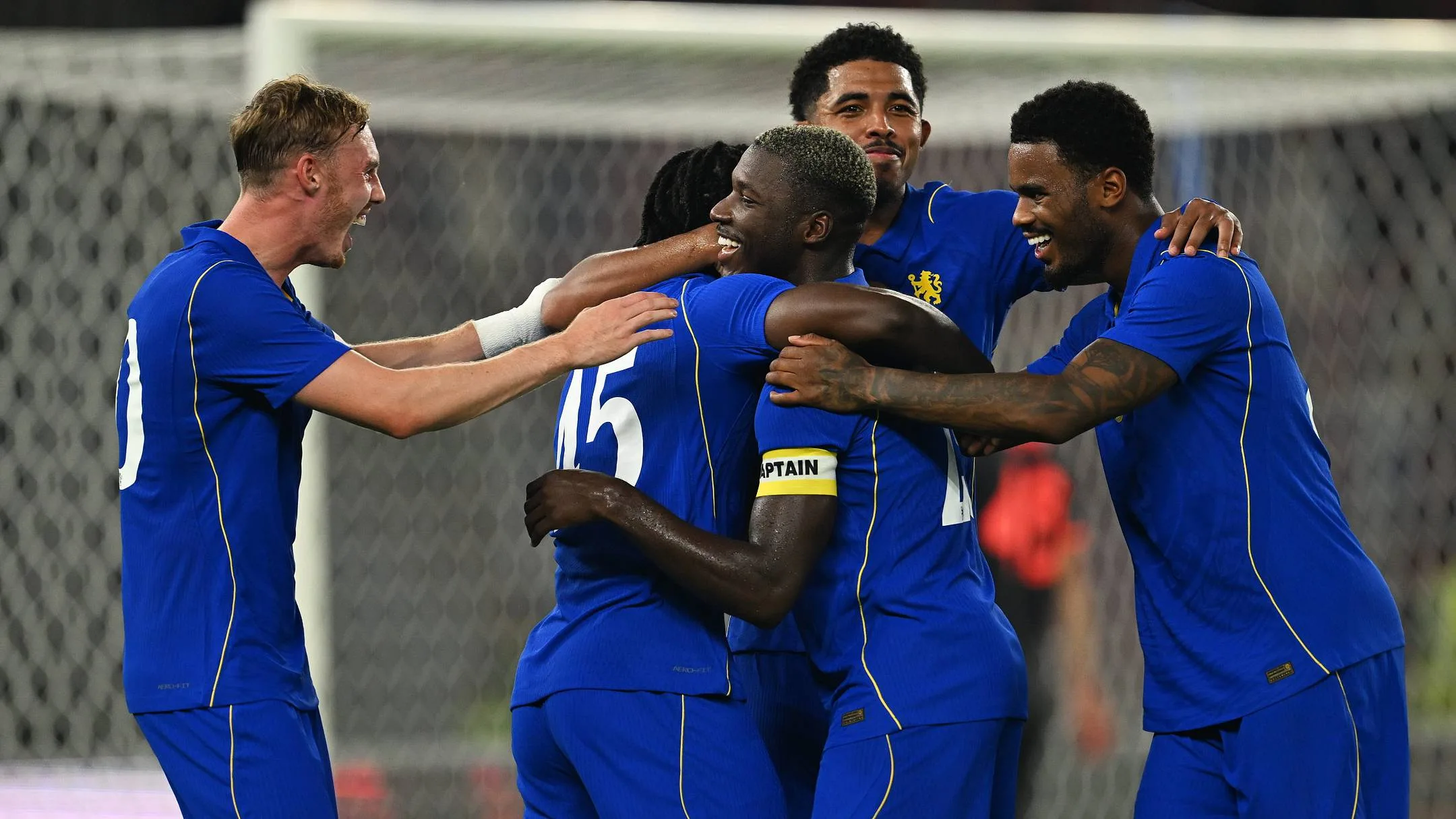
Chelsea resumed their preseason with a convincing 3-0 victory over AC Milan in Jakarta on Saturday, a result that offered a clearer glimpse of Xabi Alonso’s thinking as his first summer in charge develops.
The key stretch came immediately after the interval. Pedro finished from close range just 30 seconds into the second half to double the advantage, before Moisés Caicedo added a volley from a corner in the 50th minute to put the game beyond reach.
Overall, it was a composed display from Chelsea, who return to action in less than 24 hours against Malaysian outfit Johor Darul Ta’zim. More importantly, the match hinted at how Alonso may choose to shape his side. While a 4-2-3-1 has been used up to this point, this contest brought the first look at the 3-4-2-1 that brought him success at Bayer Leverkusen.
That system gave the attack a smoother edge in the first half, with Pedro, Cole Palmer and Danny Welbeck combining well. It also appeared to suit a back line built around three natural center backs, with Wesley Fofana, Jorrel Hato and Josh Acheampong all on the pitch together.
The setup also allowed Marco Palestra to underline why Chelsea moved for him this summer. Operating from the left side of midfield, he pushed forward constantly and drifted into central areas, showing the versatility that stood out during his signing.
On the opposite side, Pedro Neto started and contributed well, including the cross that helped create Chelsea’s second goal. Geovany Quenda later came on for Neto and linked up neatly with Palestra, reinforcing the range of options available if Alonso keeps this shape.
Acheampong was another clear beneficiary. Playing on the right of the back three against Rafael Leão, he delivered a strong performance, capped by an excellent first-half challenge to stop the winger.
Chelsea also made their mark from set pieces, scoring twice from corners, something Austin MacPhee will have noted with satisfaction.
Arsenal
Guimarães outlines Arsenal appeal after move from Newcastle United
Guimarães says Arsenal’s midfield suits him and recalls Rice’s message before joining.
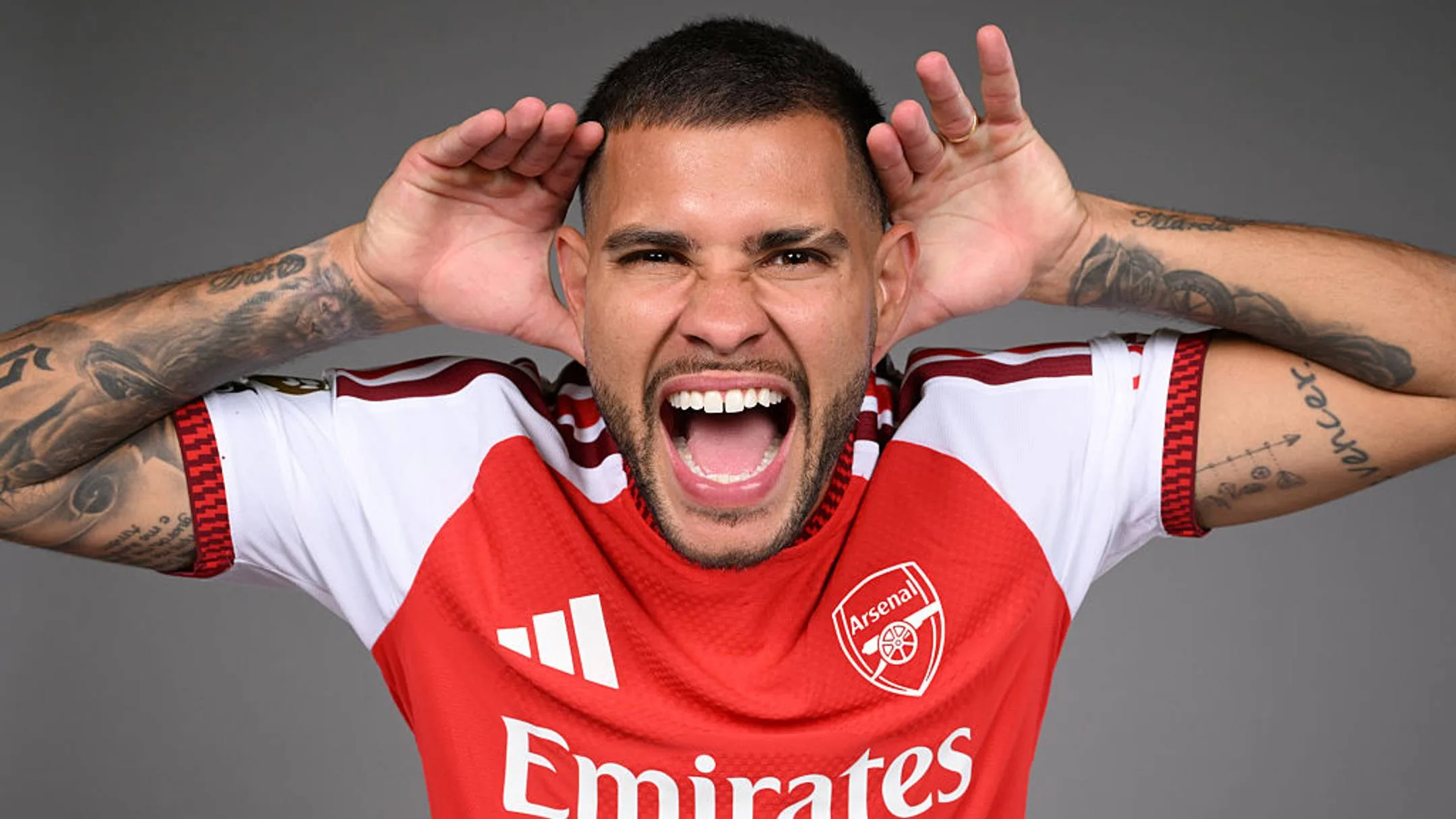
Bruno Guimarães has set out what he expects to add to Arsenal after completing his move from Newcastle United, describing himself as the club’s “warrior” in midfield.
The Brazilian made clear that the prospect of linking up with Declan Rice was part of the attraction. Rice had already reached out before the transfer was finalised, and Guimarães said the message made an impression.
“Rice sent me a message: ‘Come here and please no more fights, now we’re friends!’ I was happy he messaged me,” Guimarães told Arsenal.com . “In my point of view, [the Arsenal midfield] is one of the best in Europe. Everyone is an amazing player.
“Every time when I play against [Arsenal] it was very tough. They keep the ball, they defend like one. I think that combination is the way I like to play as well, and of course, joining the winners of the league is always a big opportunity.”
He also explained the qualities he expects to bring to the side, stressing energy, control and commitment.
“I can pass the ball, run a lot and play like a warrior, I’ll never give up. I will try to help the team, [I’m] good with the ball, composed, very calm, and sometimes I can score some goals.”
Guimarães will wear the No. 39 shirt at Arsenal, a number tied closely to his family. He revealed in 2023 that 39 was the taxi number used by his father in Rio de Janeiro, and that he has kept it for that reason throughout his career.
He said: “It means everything to me,” Guimarães explained. “I have the tattoo of the 39 as well. My father was a taxi driver in Brazil for more than 20 years. The taxi, of course, gave me everything for my family, the place we live, the food, my clothes, everything.
“So when I got the chance to sign to a top club in Brazil, I asked my father which number I should take and he said 39. I was upset a little bit because I wanted to take the 97. He said: ‘No, no, take the 39. The 39 gave you everything.’”