Arsenal
Arteta Plays Down Manager Title as Maresca and Amorim Depart After Power Disputes
Arteta says a job title mattered little after Maresca and Amorim clashed with their clubs. He added.

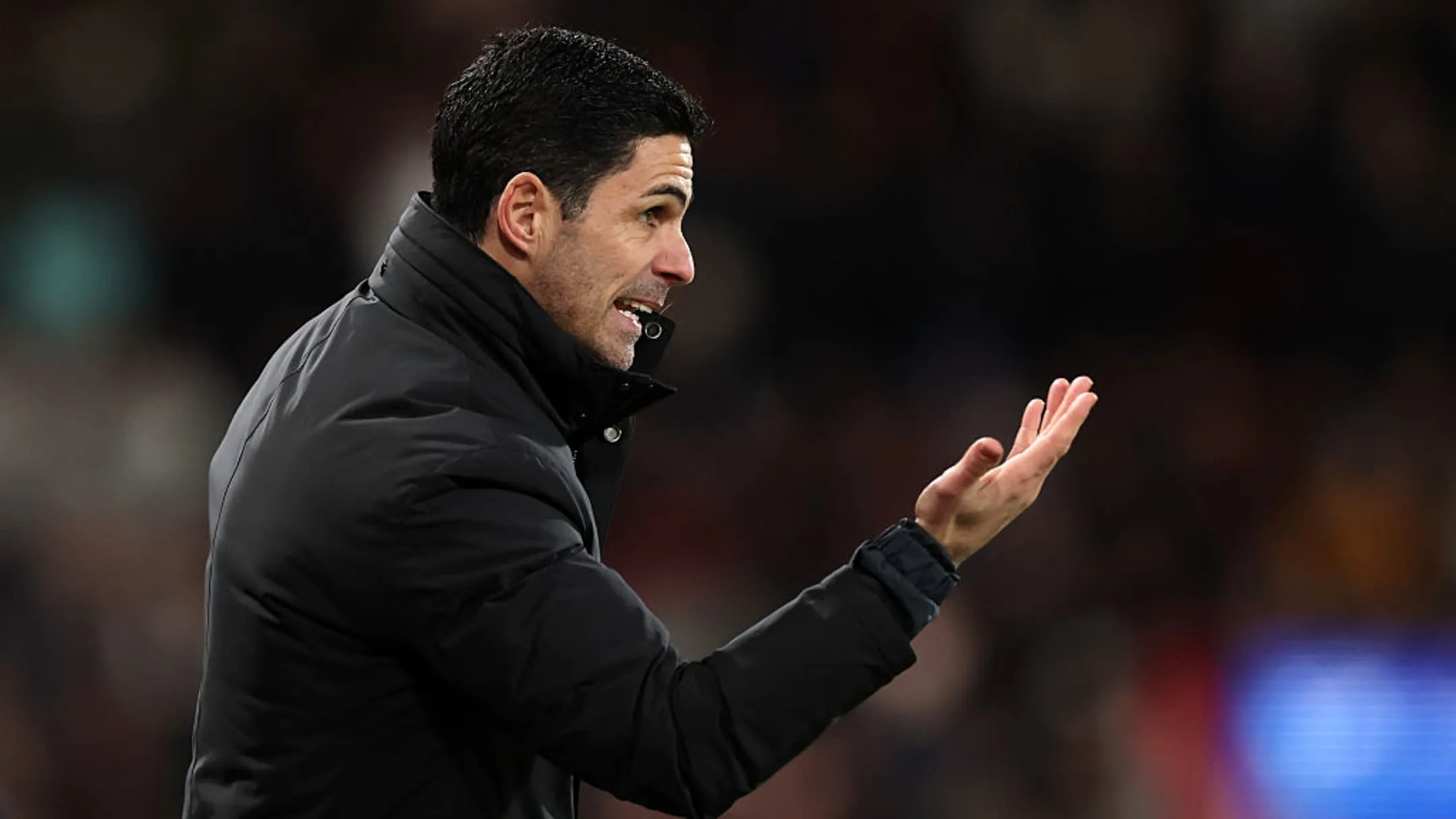
This week’s departures of Enzo Maresca and Ruben Amorim after clashes with their clubs over power have reopened a debate about the meaning of job titles in English football. Mikel Arteta, who moved from head coach to manager early in his Arsenal tenure, said that the change in name carried little real weight for him.
The distinction has grown sharper as clubs adopt structures modelled on director of football or general manager-led approaches. The era when the “manager” ran the entire sporting operation, answering only to a chairman, is associated with figures such as Sir Alex Ferguson and Arsène Wenger, who were described in the past as the last of that omnipotent breed.
Amorim declared himself a “manager” not a “head coach” in what proved to be his final press conference with Manchester United on Sunday, having previously hinted at being denied new signings in January that he believed necessary to make his 3-4-3 system work. He was announced as Manchester United’s “head coach” when he was appointed in November 2024, a different formulation from the club’s historical appointments, which in its 148-year history were exclusively the “manager” aside from Wilf McGuinness in 1969.
Arteta was appointed Arsenal “head coach” in December 2019 but was formally promoted to “manager” within nine months. At the time Arsenal said “there is so much more that he can bring” than simply coaching the first-team squad, affording Arteta more influence and a closer working relationship with then-director of football Edu Gaspar and then-CEO Vinai Venkatesham.
Speaking ahead of Arsenal’s match against Liverpool, Arteta stressed the practical realities behind titles. “It was different at the time when they proposed to change the role and what they thought about in the areas that I could help probably more than they expected at the beginning,” he said. “At the end it’s about the relationships and the people, because we have formed great teams with very different qualities and some that have been more on certain things and when there is somebody that is much better than me on that, I let them do it. For me the title doesn’t really reflect the way we operate daily. I think it’s more important the people and the morale to really understand that let’s give each other the things that we can master and make us much better and the rest we just support that idea.”
When asked whether the promotion increased his confidence he replied, “Yes, [it gave a confidence boost], because I didn’t demand it,” underlining his view that relationships and responsibilities matter more than the label attached to the role.




Arsenal
Odegaard Offered Exit from Arsenal as Real Madrid Name New Top Target
Odegaard has been offered an exit from Arsenal while Real Madrid pursue a new top target, for clubs.
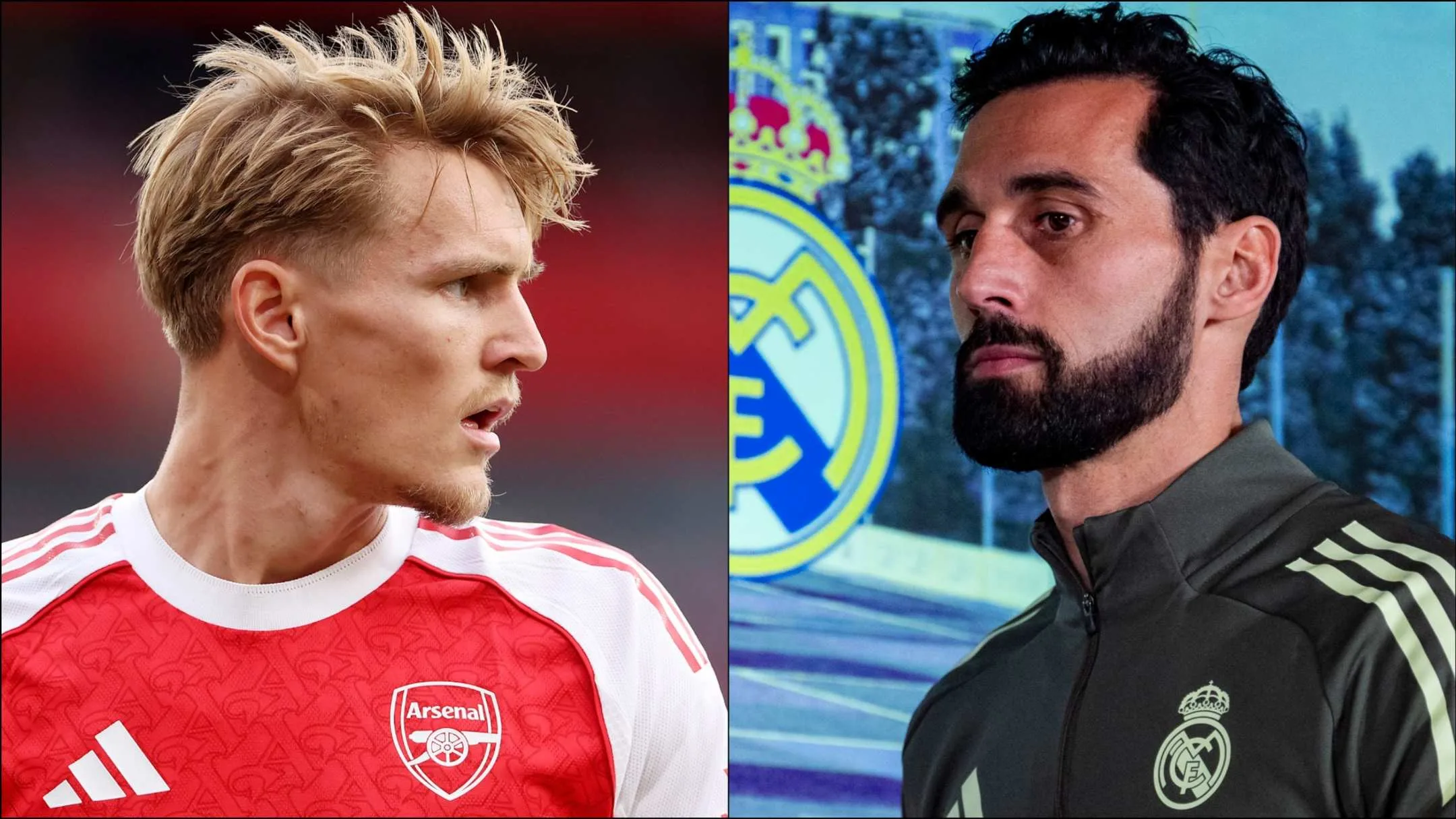
Two developments have emerged that demand attention. Odegaard has been offered an exit from Arsenal. At the same time, Real Madrid have identified a new top target.
The first fact is clear and unambiguous: Odegaard has been offered an exit from Arsenal. That single development invites a range of immediate strategic questions for the club and for the player. An offer of departure can change dressing-room dynamics, influence selection decisions and force a reassessment of long-term plans. For the player, the prospect of a move raises questions about next steps and priorities.
Running alongside that story is the separate, but related, development at Real Madrid. The club have a new top target. The identification of a leading target by a club of Real Madrid’s stature reshapes attention across the market and can accelerate movement elsewhere. Interest from a club with that profile tends to concentrate resources and focus on a particular prospect.
Viewed together, the two items create a transfer narrative with multiple strands. An exit offer for Odegaard could feed into wider market activity, while Real Madrid naming a new primary target will alter how clubs position themselves. Both facts, stated without embellishment, point to a period of recalibration.
There is a clear overlap between the stories: the movement of high-profile players and the reordering of club priorities. Each fact stands on its own but also contributes to a broader picture of change. Observers and decision makers will watch how Arsenal responds to the exit offer and how Real Madrid proceed with their preferred target. Both developments merit close attention as they unfold.
Arsenal
Arsenal Preparing Summer Sales to Balance Books After $359m Outlay, Report Says
Arsenal must sell at least one first-team player this summer to meet Premier League and UEFA rules..
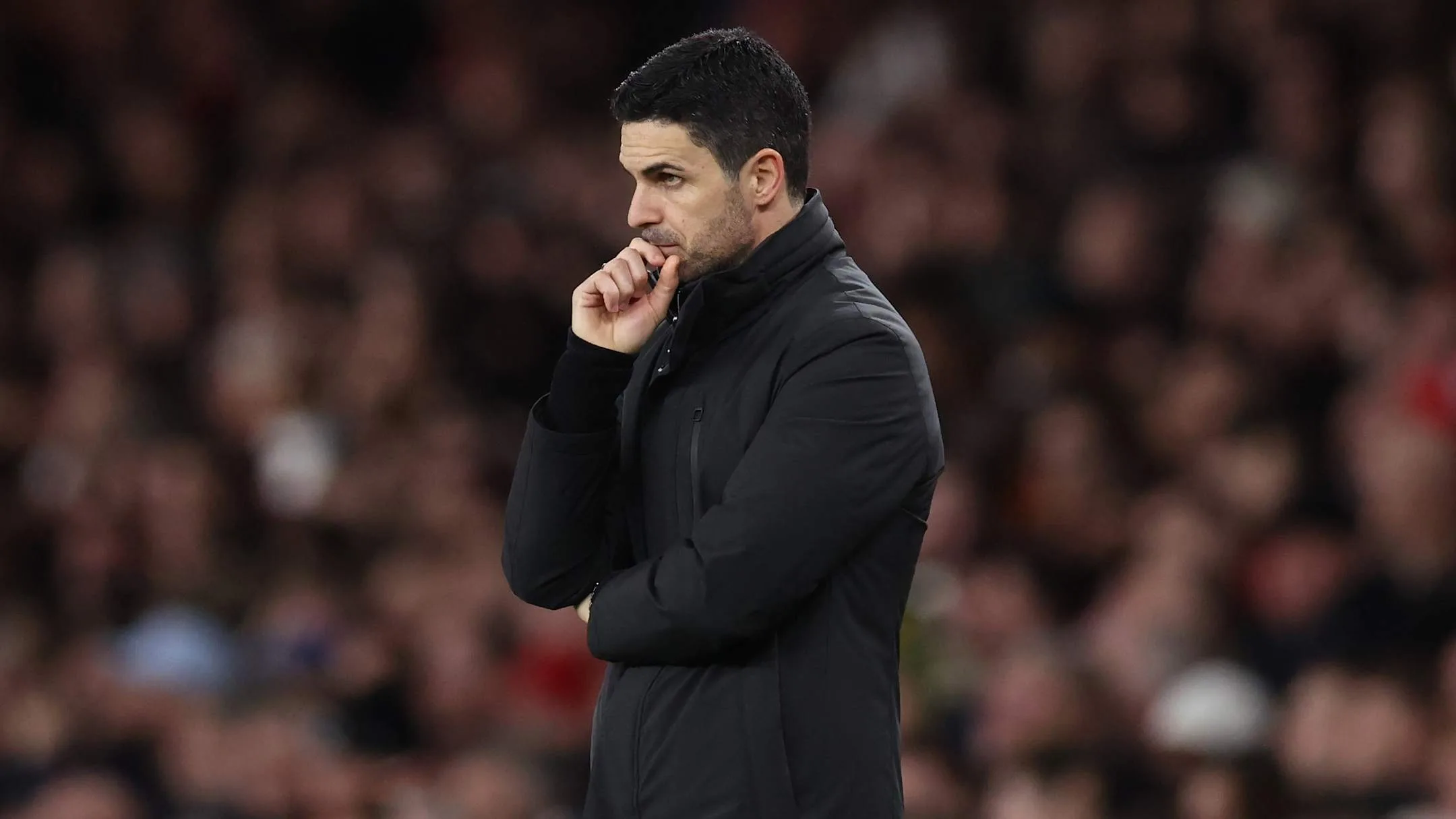
Arsenal face the prospect of selling at least one first-team player at the end of the season as the club’s heavy spending last summer begins to bite. The $359 million outlay that underpinned a remarkable campaign has left the club needing to raise funds, a report says, to comply with Premier League and UEFA financial regulations.
The Gunners sit top of the Premier League and remain on course to challenge for an unprecedented quadruple of trophies, but internal discussions are already under way about which first-team figures could deliver the greatest transfer fee and profit. A string of names has been identified as potential departures, while certain individuals are expected to be protected from any sale — Bukayo Saka, Declan Rice and William Saliba are cited as off limits.
Even the captain is not automatically excluded. Martin Ødegaard is described as “not immune” to being considered because his low value on the club’s balance sheet could produce a substantial profit, though he is still regarded as hugely important to the team.
Gabriel Martinelli is named among those under consideration given his high market value. Other possible candidates include Gabriel Jesus, Leandro Trossard, Kai Havertz and Ben White, with contract situations influencing thinking as deals tick down.
Arsenal are reportedly weighing the option of selling from their academy ranks. Ethan Nwaneri and Myles Lewis-Skelly are thought to be the likely targets: neither wants to leave but their departures would represent pure profit because they are homegrown. Past sales such as Emile Smith Rowe and Eddie Nketiah are cited as precedents.
The arrival of Piero Hincapié on a permanent deal worth $60 million is another factor increasing incentive to cash in on certain players.
Contract detail is central to the decision-making. Four players — Martinelli, Trossard, Jesus and Christian Nørgaard — have deals that expire in the summer of 2027. Martinelli and Nørgaard have one-year extension clauses; Nørgaard carries little transfer value while Martinelli would command a hefty fee. Martinelli is 24 and has yet to make the full step to superstar. Trossard and Jesus will be 32 and 30 respectively when their contracts end, making extensions unlikely and summer sales a practical option, albeit not necessarily blockbuster moves.
Arsenal
Solbakken: Ødegaard’s knee is not serious as Arsenal plot return for key midfielder
Solbakken: Odegaard’s knee is not serious; he could return in late March or April to help fans this.
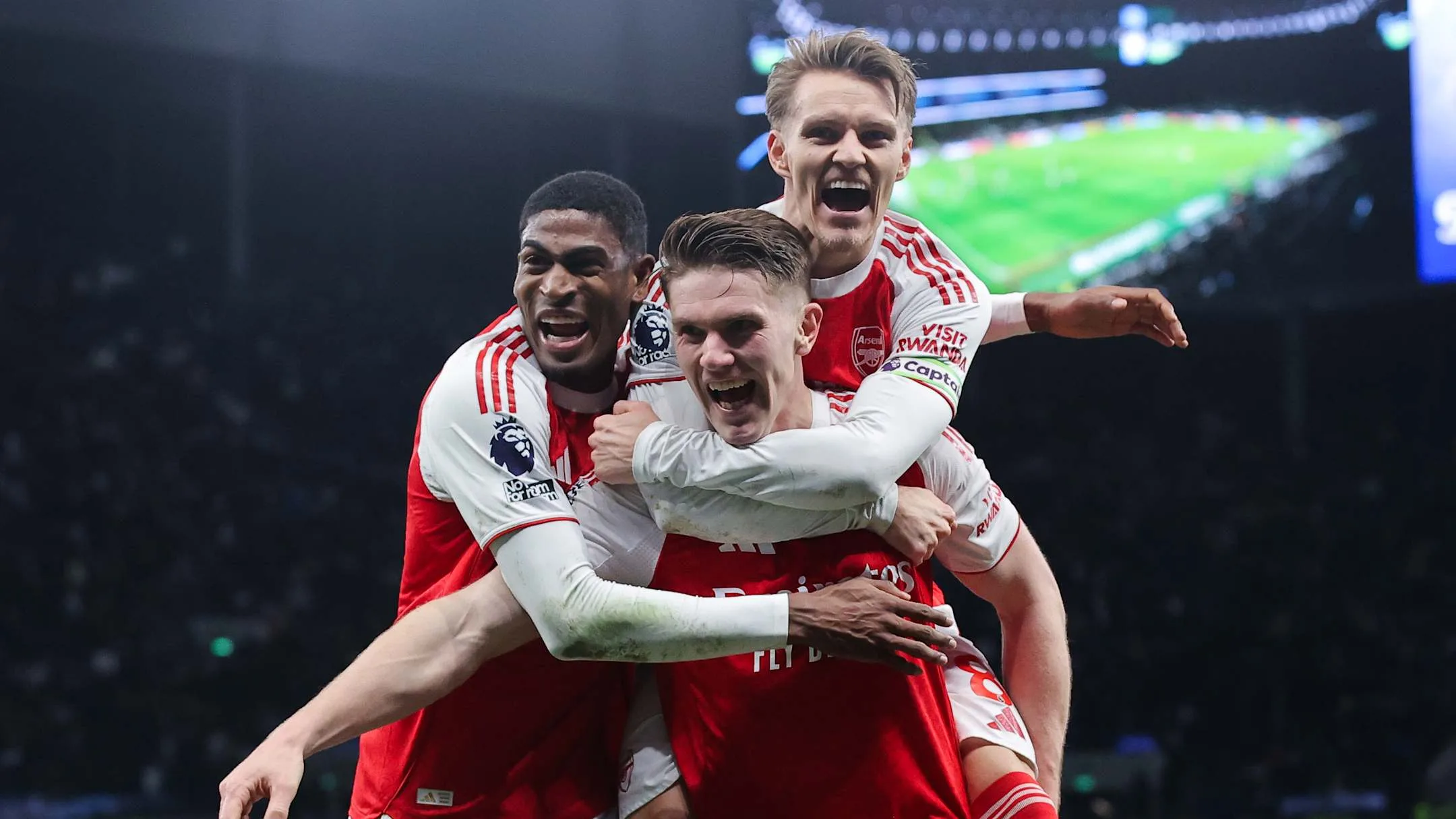
Norway manager Ståle Solbakken has delivered a calming injury update on Martin Ødegaard, insisting the Arsenal captain is not facing a major knee problem despite limited appearances this season.
“There is nothing serious about Martin,” Norway’s manager told Viaplay. “The most important thing is that he recovers completely and is good for us in the summer.
“For those of us who care about the World Cup , it’s not a disaster that he’s getting some breaks now. He’s going to rebuild and be crucial for Arsenal in April/May and maybe late March.”
Ødegaard has been restricted to just 13 Premier League starts this season and there had been suggestions he might require an extended period on the sidelines to address fitness concerns. Solbakken’s assessment, however, frames the situation as manageable and focused on a full recovery ahead of the summer.
Mikel Arteta has voiced worries about the direction of his side’s season after an injury run disrupted the midfield. Ødegaard joined Mikel Merino, Kai Havertz and youngster Max Dowman on the sidelines, and the loss of options coincided with a dip in results as Eberechi Eze’s minutes increased and Bukayo Saka was tried in a central role.
Havertz and Dowman have since returned and Ødegaard is said to be closing in on a comeback, which would add another high-level rotation option for Arteta as Arsenal remain in contention across four major trophies: the Premier League, Champions League, FA Cup and Carabao Cup.
A precise return date for Ødegaard has not been provided, but Solbakken sounded confident the midfielder would be available in April, with the possibility of returning as early as late March. That timing matters for both club and country: an international break at the end of March precedes Norway’s final warm-up window before the World Cup, and Solbakken will prioritise a cautious approach to avoid unnecessary risk.
Fixtures cited in the original update:
– Man City — Carabao Cup final: March 22
– Bournemouth (H): April 11
– Man City (A): April 19