Tottenham Hotspur
Kudus’ Measured Rise: From Nima Sand Pitches to Tottenham
At 25, Kudus moved to Tottenham after West Ham, shaped by Nima, education, sand pitches and recovery

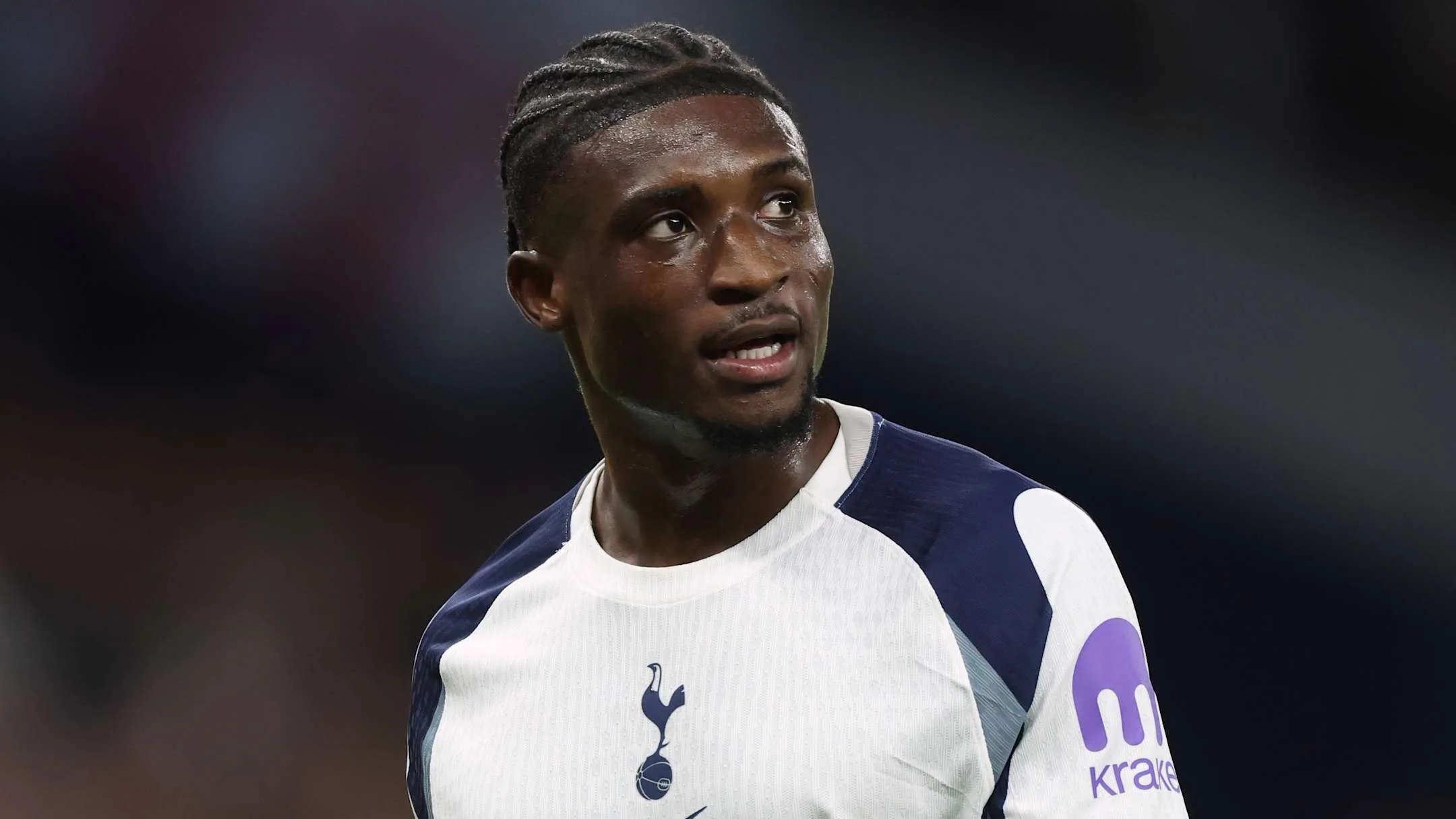
Mohammed Kudus has built a career on patience and exacting standards. The 25-year-old arrived at Tottenham Hotspur this summer as a £55 million recruit after two years at West Ham United, but his progression began long before England. Raised in Nima, north of Accra, he found playing space on sand and credits that environment with sharpening his control. “I think on the grass pitch, receiving a ball, you automatically expect how the ball should come and bounce,” he says. “But on a sand pitch it can move anywhere. So you have to react quicker to controlling the ball … looking at it in a positive way, I think it helps in a way, if you can find your way through the sand with the bumpy ball.”
His mother, Mariam, supported the family as a street vendor and enforced strict rules at home. She “played both roles of being a mum and a dad at the same time” and left no doubt that schoolwork came first: “if you don’t pass your school exams or your test, then you’re not going to play football.” Right to Dream recruited him at 12 and Mas-Ud Didi Dramani recalled a determined teenager training through a broken thumb. FC Nordsjælland signed him on his 18th birthday and he established himself by the end of his debut campaign, then followed that with 11 goals from 22 league starts and a first senior Ghana call-up in November 2019, where he scored. “When you play for a country,” he says, “that stays with you forever.”
Kudus moved to Ajax in 2020. Less than 10 minutes into his Champions League debut against Liverpool he tore his meniscus, a setback that began a run of injuries that cost him 50 games across two seasons. “All those setbacks and injuries, you get to learn about your body, study yourself, so I put my effort into that,” he recalls. He hired a personal trainer, focused on recovery and returned to post a career-best 18 goals in 2022–23, including a Champions League equaliser at Anfield in September. Asked why he crossed the London divide this summer, he was direct and succinct: “My gut feeling.”




Arsenal
One key issue facing each Premier League side after five matches
Five games in, the Premier League is already revealing title doubts, transition pains and early surprises.
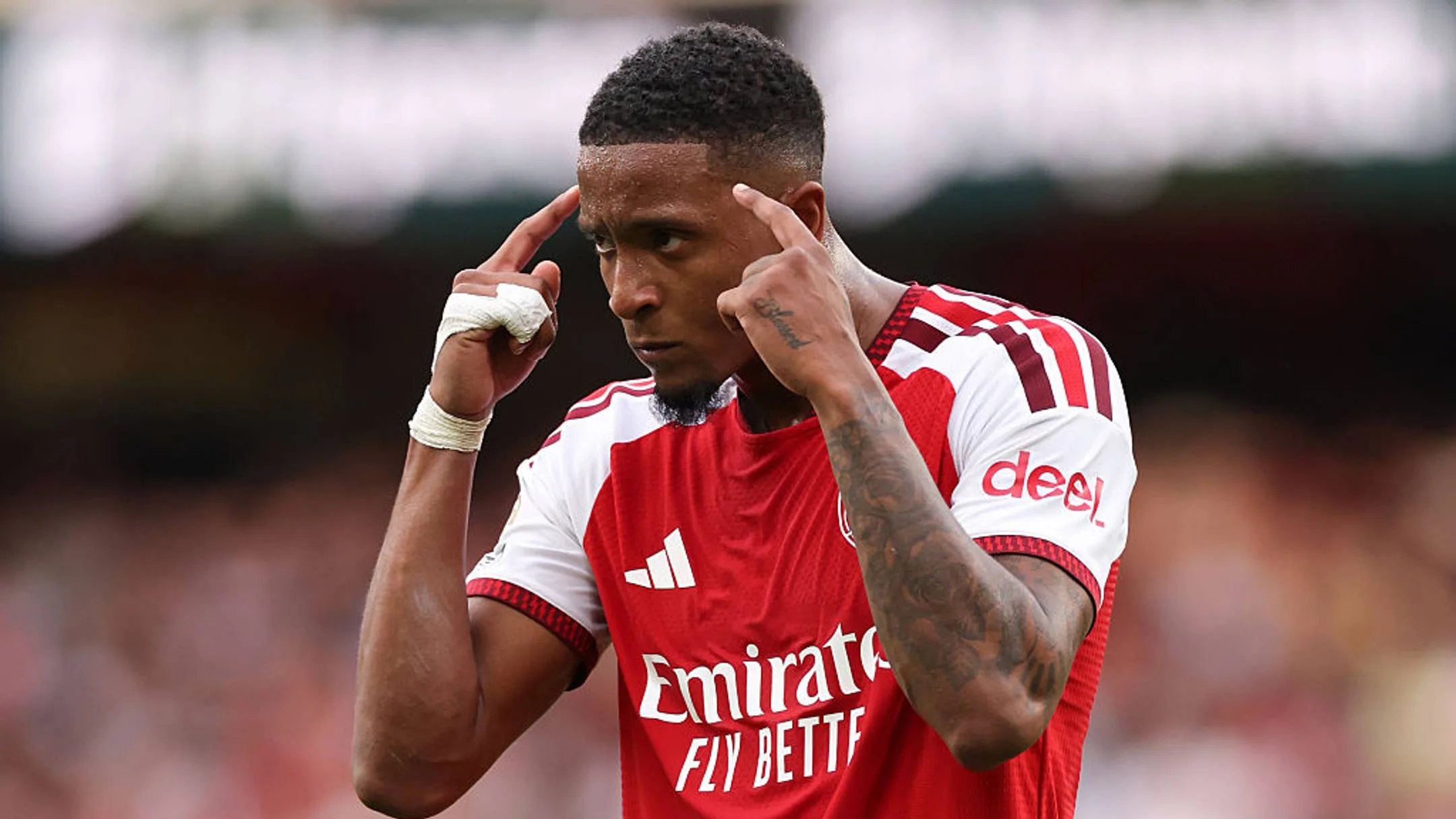
The first five matchdays of the 2026/27 Premier League season have already given shape to a campaign that promised uncertainty from the outset. With the table still settling and another international break leaving a long pause before Matchday 6, there is time to take stock of what has emerged so far.
Arsenal’s title defence has already met resistance after a heavy defeat to Brighton & Hove Albion. Before that trip, they looked close to untouchable, but the champions have not yet shown enough to pull clear of their rivals. Bruno Guimarães has added quality, though injury has delayed his rhythm, while Christos Tzolis has stepped in as a serviceable replacement for Leandro Trossard. Even so, Arsenal’s attack was found wanting in their toughest test to date, with concerns lingering over the goalscoring burden on Bukayo Saka and the lack of a set-piece breakthrough.
Aston Villa, meanwhile, are navigating a period of change after rebuilding their core in the summer. Their first league win of the season offered encouragement, with Johan Manzambi, Nicolas Jackson and João Gomes all making useful contributions. Bournemouth have begun slowly under Marco Rose, but there is little panic as they balance league form with European demands after an opening win at Real Sociedad. Brentford continue to look like a difficult assignment at home, built on physicality and a set-piece threat that has already caused problems for visiting sides.
Brighton’s pressing game has been a feature of the early weeks, while Chelsea’s start under Xabi Alonso has raised serious questions about their structure without the ball. Coventry City finally recorded a first Premier League win in more than 25 years, though goals remain a concern. Everton’s window left them thin on options, Fulham are showing signs of adjustment under Álvaro Arbeloa, and Hull City have been one of the early surprises, even if history offers a warning.
Elsewhere, Ipswich Town, Leeds United, Liverpool, Manchester City, Manchester United, Newcastle United, Nottingham Forest, Sunderland and Tottenham Hotspur all have distinct questions to answer as the season develops.
Manchester United
Šeško’s recovery stalls as United await test results
Šeško is awaiting tests after another setback, leaving his United return uncertain before Tottenham.
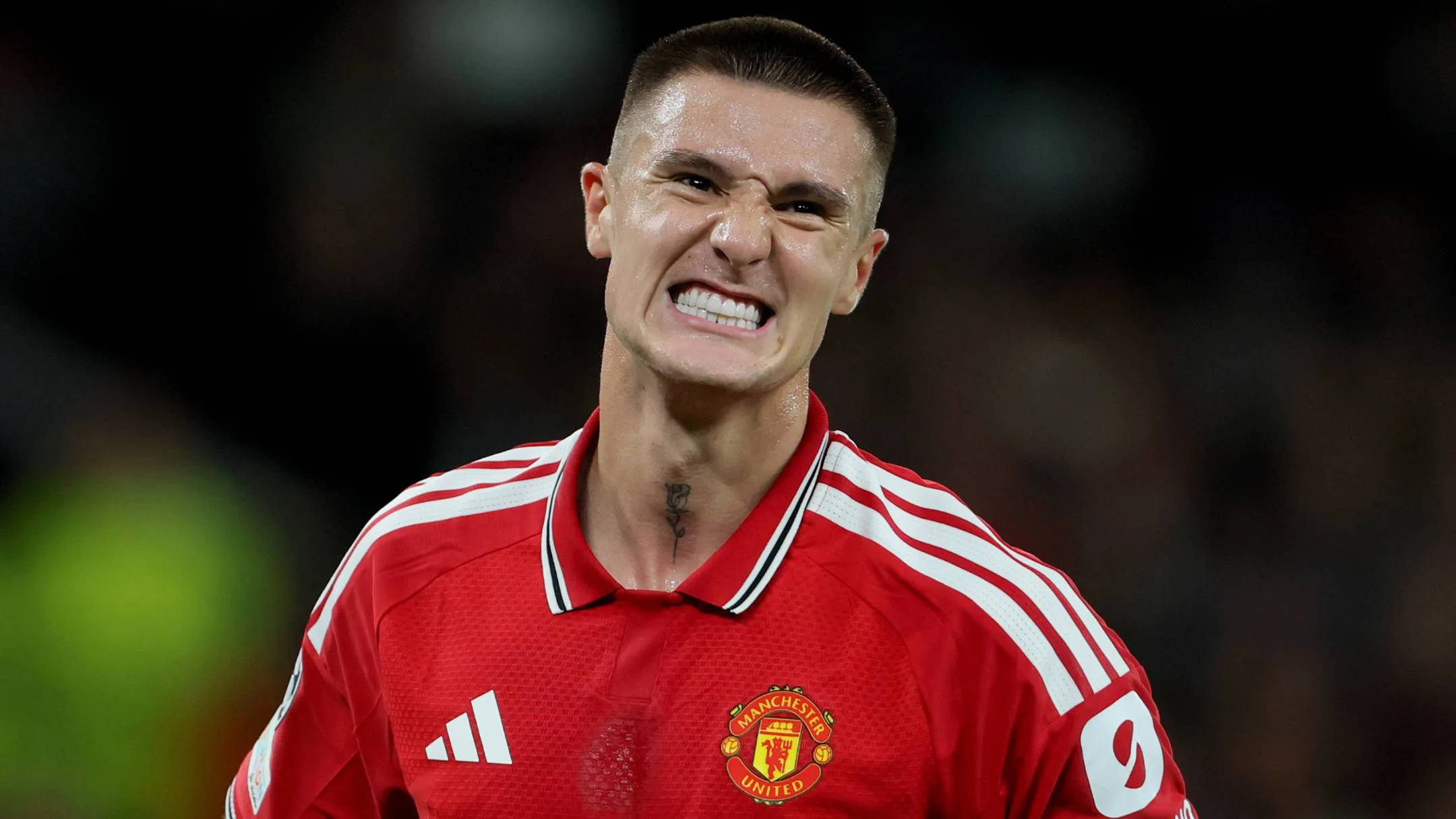
Benjamin Šeško has apologised to Slovenian supporters after withdrawing from their forthcoming fixtures, saying the priority was to remain at Manchester United and concentrate on recovery.
The striker, who also missed United’s flat draw with Fulham on Sunday, is now back in the treatment room with the same problem. United have confirmed that their forward will “undergo tests” this week, while The Athletic have reported that a “period of rest” may still be needed after the international break ends.
In a post on Instagram, Šeško said: “I am very sorry that I will have to miss the national team’s upcoming matches,” Šeško wrote on Instagram. “I have always played for Slovenia—and always will—with heart and pride. Right now, the most important thing is to focus fully on my recovery. I am already working on getting back on the pitch as soon as possible to help both the national team and my club once again.”
The issue has been building for some time. Šeško said the shin problem began last spring and was made worse by his own decision to keep pushing through it. “I got a kick last season, but it was also a little bit of an overload from myself,” he admitted recently.
That drive has long defined him. He was known for arriving 90 minutes before team-mates and staying behind long after training had finished, a habit that nearly tested Ruben Amorim’s patience. “I’m relaxed,” the Portuguese boss said during Šeško’s debut season. “[But] he’s not relaxed.”
Šeško also acknowledged that the summer recovery required patience. “We just need a little bit longer, longer than usual, because if you start too early, it might appear again,” he explained. “And I think waiting a little bit longer was a great decision.”
Even so, this setback may indicate that the pause was not long enough. With tests still to come, his return date remains unclear, although the three-week international break should limit the damage. There is still a real chance he will not be ready for United’s match against Tottenham Hotspur on Saturday, Oct. 10.
Tottenham Hotspur
Tottenham’s greatest players: a ranking built on class, longevity and silverware
Tottenham’s greatest names span generations, from White and Greaves to Bale, Son and Lloris.
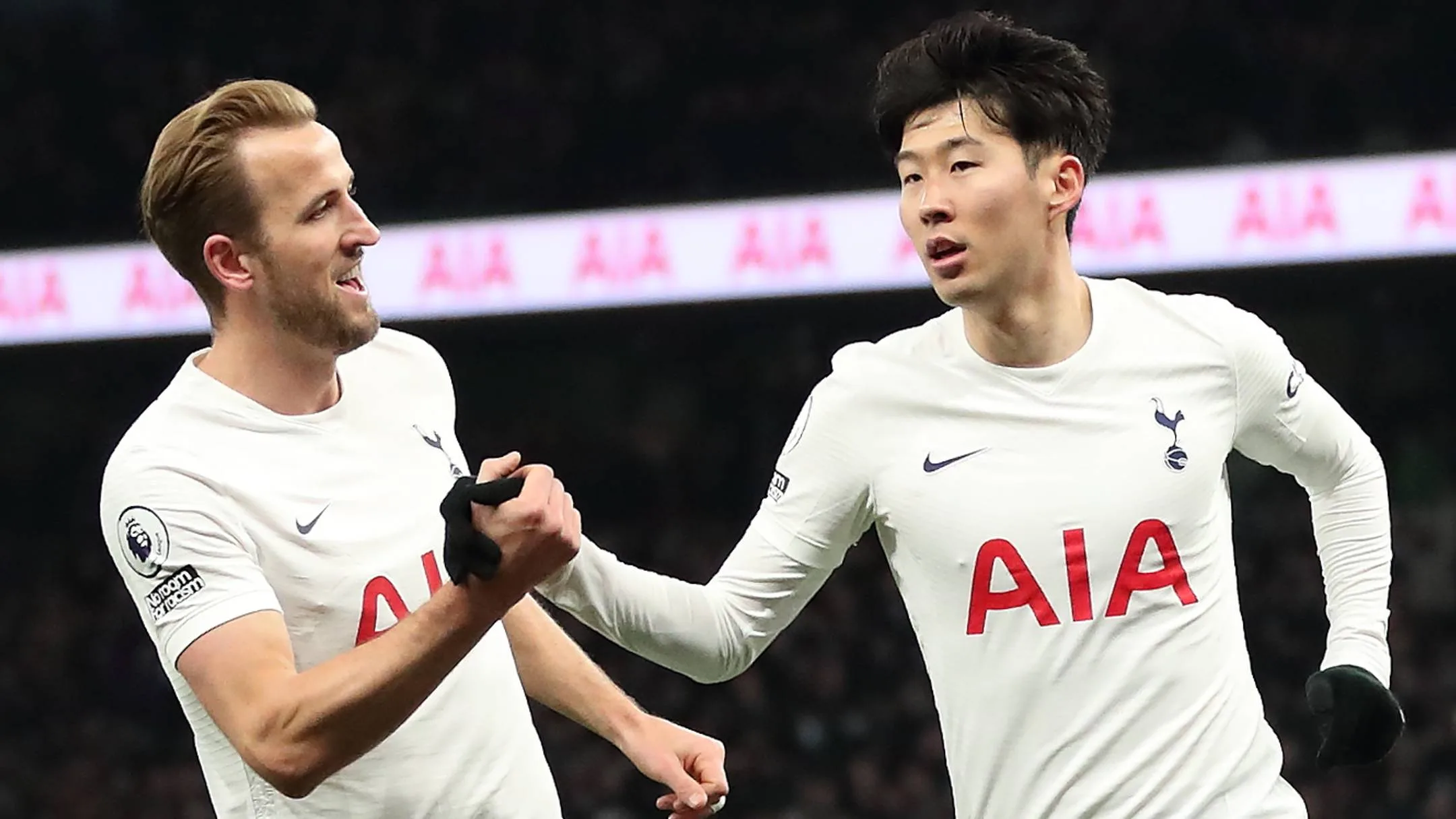
Tottenham Hotspur’s history is rich with players who defined eras, lifted trophies and left lasting marks on the club. Across decades, Spurs have been carried by gifted creators, ruthless finishers, tireless midfielders and defenders who helped shape the modern game. This ranking draws from that tradition, highlighting the individuals whose quality made them stand out in north London.
Some names are included for brilliance cut short, others for extraordinary consistency, and several for carrying Tottenham through major successes. John White remains one of the club’s great lost talents, a playmaker whose life and career were ended far too soon. Dimitar Berbatov brought elegance and control in attack, while Mousa Dembélé earned the admiration of teammates and rivals alike for a midfield presence that was almost impossible to handle.
Goals also weigh heavily in Tottenham’s story. Robbie Keane scored 122 times across two spells, Gary Lineker produced 80 goals in just 138 appearances, and Jermain Defoe struck 143 times in all competitions for Spurs. Jimmy Greaves remains the benchmark for forwards at the club, with 266 goals in 379 games, while Bobby Smith was central to one of Tottenham’s great sides and formed a formidable partnership with Greaves.
The list also reflects players who changed the way the team played. Cyril Knowles was an attack-minded full back ahead of his time, Glenn Hoddle brought vision and sophistication, and Luka Modrić became the heartbeat of midfield before eventually winning the Ballon d’Or elsewhere. Gareth Bale’s evolution from left back to world-class winger remains one of the club’s most striking transformations, while Son Heung-min added another modern chapter through goals, pace and decisive link-up play.
In goal, Hugo Lloris and Pat Jennings stand out for very different reasons, while Steve Perryman and Gary Mabbutt symbolise longevity and reliability. There are also the fierce, uncompromising qualities of Dave Mackay and Ledley King, plus the flair of David Ginola, Paul Gascoigne and Chris Waddle. Together, they form a portrait of a club whose finest players have combined talent, character and achievement in equal measure.