Premier League
What Chelsea’s record Premier League sanction means for the club
Chelsea fined $13.7 million and hit with a suspended senior ban plus a nine-month youth transfer ban.

The Premier League has handed Chelsea its largest-ever fine and a set of transfer restrictions after finding breaches dating to Roman Abramovich’s ownership. The club was fined $13.7 million, given a nine-month domestic academy transfer ban and a suspended one-year ban on senior signings. UEFA had earlier fined the club roughly $11 million in 2023 after related issues were reported to UEFA, the Premier League and the Football Association.
Under the Premier League ruling Chelsea may continue to sign senior players immediately. The suspended one-year ban will be triggered if the club breaks the rules again within two years, meaning any further breach would lead to an immediate transfer prohibition. The FA continues its separate probe after charging the Blues with 74 counts of breaches of agent rules.
The principal concern identified in the investigations was the use of illegal payments to agents, intermediaries and players to influence transfers. Transfers mentioned in the inquiry included the acquisition of Eden Hazard from Lille in 2012, the signings of Willian and Samuel Eto’o from Anzhi Makhachkala in 2013, and the deals for David Luiz, Andre Schürrle, Ramires and Nemanja Matić. The allegation is that a third-party company made payments to people involved in transfers from 2011–18 that were not recorded in official club accounts.
No issues were raised at the time, but BlueCo, the new ownership group, uncovered possible irregularities while conducting a due diligence review before completing the purchase and reported them to the authorities. The club accepted the Premier League ruling, which also confirmed that the illegal use of funds did not affect Chelsea’s ability to meet Financial Fair Play requirements.
BlueCo reported separate concerns in 2025 about academy transfers from 2019–22, which were described as non-financial and largely about early approaches, and these led to the nine-month domestic youth ban. Chelsea had anticipated a significant penalty and had reserved funds from the takeover to meet a possible fine. Comparisons have been drawn with the ongoing Manchester City inquiry, but Chelsea’s breaches were judged less severe and the Premier League praised club officials for their “unprecedented” transparency during the investigation.

Liverpool
Liverpool’s summer arrivals: early returns assessed
Liverpool’s new arrivals have made contrasting starts, with Barcola slow and Muñoz already producing key moments.
Liverpool did not repeat the scale of last summer’s record outlay, but the club still spent heavily in the latest transfer window. Those additions have helped deliver an unbeaten opening to the campaign, with four wins and three draws before the three-week international break.
The question now is how much each newcomer has contributed in the early stages of their Liverpool careers.
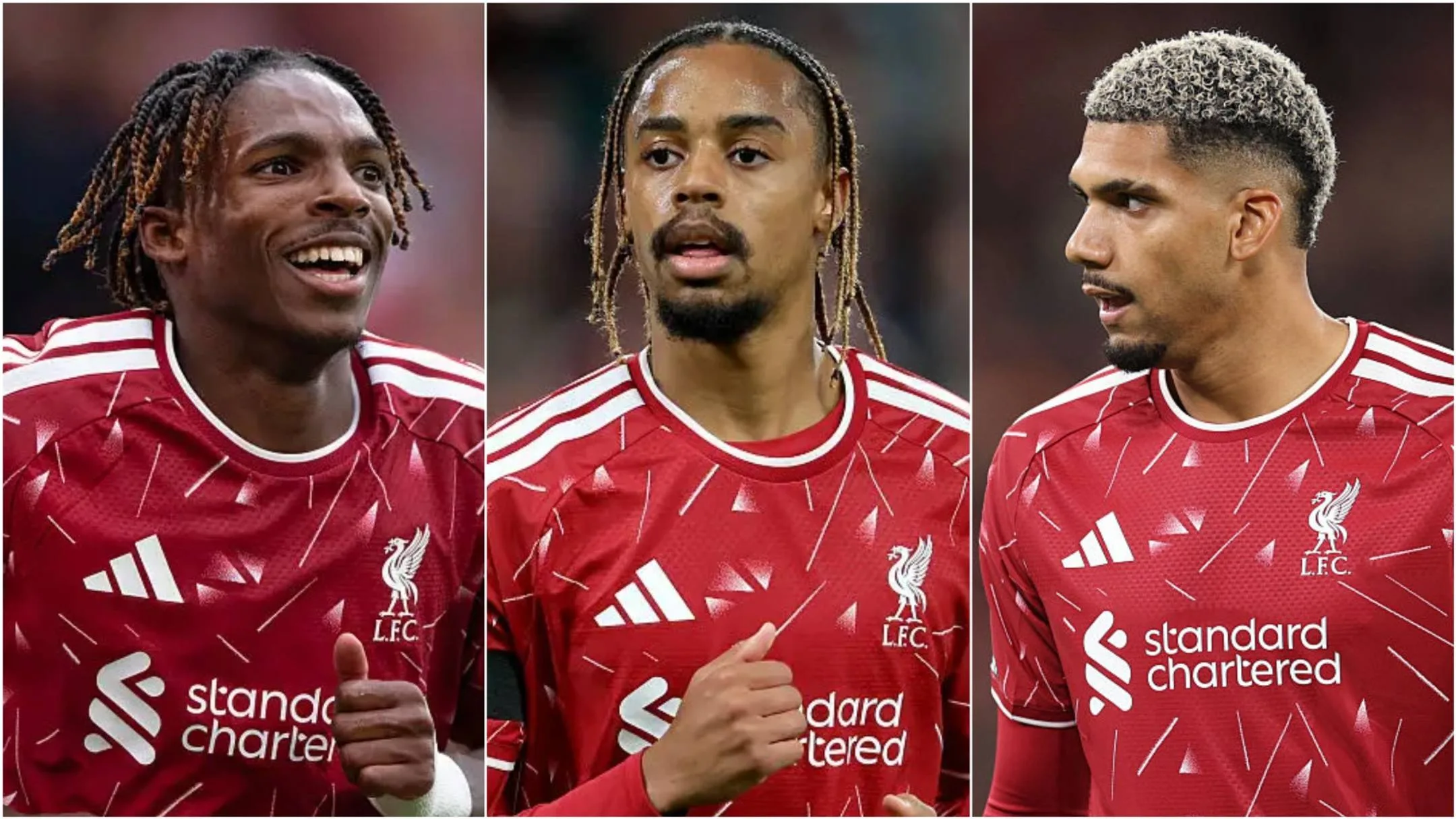
Bradley Barcola has made five appearances and, as the club’s statement signing of the summer and the second-most expensive transfer in its history, attention around him was always going to be intense. Yet there are clear reasons his start has been restrained. Arriving late from Paris Saint-Germain for a fee that could rise to £123 million ($163 million) with add-ons, he also missed pre-season under Iraola. His situation was further complicated by a late return from the World Cup and his omission from early rosters for the European champions, leaving him without any friendly or competitive action before moving. That has produced a quiet beginning, with no goal involvements from his five outings, though he is expected to improve as sharpness returns.
Victor Muñoz has taken a different route. He technically joined Liverpool as a World Cup winner without playing a minute in Spain’s successful run, but his place in Luis de la Fuente’s squad followed an excellent season with Osasuna. Since arriving on Merseyside, the 23-year-old has offered genuine spark across six appearances. He has not yet reached the level of Cody Gakpo early in the season, but he has still been Liverpool’s second-most lively wide player. His first competitive outing brought a stoppage-time penalty that secured a draw at Newcastle United, and he followed that with a powerful equaliser against Nottingham Forest. Supporters have already seen his speed, attitude and versatility, with more expected across the rest of his debut season.
Manchester United
Manchester United Post Record Revenue as Amorim Exit and Stadium Plans Shape Finances
United posted record revenue, but Amorim’s exit, losses and stadium costs still shaped the year.
Manchester United’s latest accounts have laid out a season of striking contrasts, with record income, a managerial dismissal and continued progress on a new stadium project all featuring in the 12 months to June 30, 2026.
The club reported revenue of $897.9 million, or £677.5 million, the highest single-season figure in its history. That total came in a campaign when commercial income slipped slightly, there was no money from European competition and the reduced fixture list affected gate receipts and food and drink sales.
Chief executive Omar Berrada pointed to the club’s “underlying strength of our business” and the “enduring popularity and commercial strength” of Manchester United as factors behind the numbers. Even so, the accounts still showed an overall net loss of $57 million (£43 million), underlining the scale of the challenge despite the record turnover.
The revenue breakdown showed commercial income at $440.4 million, broadcasting at $274 million and matchday at $203.4 million. Salaries also fell to $400 million (£302 million), accounting for just under 45% of revenue, as United continued to look for more disciplined spending and cheaper additions in the transfer market.
One notable cost came from the dismissal of Ruben Amorim in January. Compensation for Amorim and his staff was listed among exceptional items and made up most of the $10.9 million (£8.2 million) cost. His contract was due to run until the summer of 2027, but the figure would likely have been higher had he not taken over at AC Milan in June after five months out of work.
A year earlier, United had continued paying Erik ten Hag for almost twice as long following his departure, because he remained out of work for nine months before joining Bayer Leverkusen in late May 2025.
On the infrastructure side, the club made further progress towards a new Old Trafford, which is planned a few hundred yards from the current ground. Acquiring land from the adjacent freight hub has been a key part of that effort, although Manchester United have still not submitted a planning application for the proposed 100,000-seat stadium that co-owner Sir Jim Ratcliffe wants to be a ‘Wembley of the north.’
International
Seven Ballon d’Or disputes that still define the award
A look at the Ballon d’Or’s most disputed decisions, from early exclusions to modern outrage.
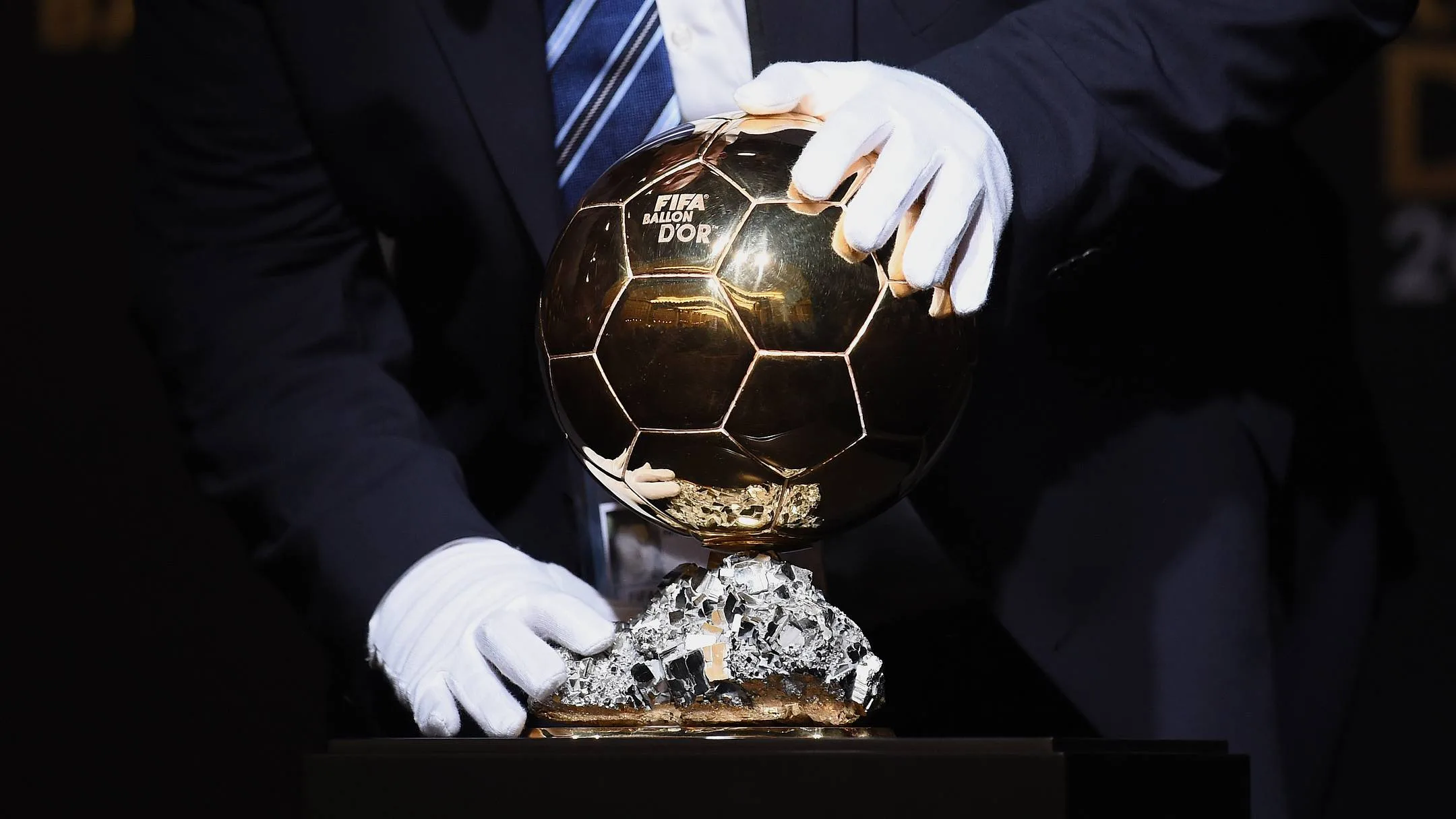
The Ballon d’Or was created in the mid-1950s by writers Gabriel Hanot and Jacques Ferran as a journalistic prize for the best European player in Europe. What began as a straightforward honour has become one of football’s most argued-over awards, with every era producing its own flashpoints.
By 2026, the contest sits in a different world. The Messi-Ronaldo period and the wider rise of individual acclaim have only intensified the debate, with stars such as Kylian Mbappé and Lamine Yamal now openly seeking votes. Yet the award has never been decided unanimously, and its history is crowded with choices that have baffled observers.
The early rules left out the world’s great non-Europeans until 1995, which means names such as Pelé, Diego Maradona, Mario Kempes and Romário do not appear among the winners. The inconsistencies did not stop there, as players such as Alfredo Di Stefano and Omar Sívori were eligible through dual citizenship.
Kevin Keegan’s 1978 win remains one of the oddest, especially when set against the year he had, while Kenny Dalglish finished only eighth despite 31 goals and a European Cup final winner. More recently, Erling Haaland’s 52 goals in 53 games during Manchester City’s treble season still were not enough to prevent Lionel Messi taking the prize.
The 2010 vote also caused lasting frustration. Messi profited from split support between Andrés Iniesta and Xavi, while Wesley Sneijder, central to José Mourinho’s treble-winning Inter Milan side and the Netherlands’ run to the World Cup final, ended up fourth. Diego Milito, despite a major season, was not even nominated.
Michael Owen’s 2001 success is still disputed, with Raúl’s La Liga dominance prompting the headline “Stolen Ballon d’Or” in Spain. In 2003, Pavel Nedvěd beat Thierry Henry, who had become the first player to reach 20 league goals and 20 assists in a Premier League season.
The 1960 result also drew scrutiny, as Luís Suárez prevailed while Ferenc Puskás finished second despite 47 goals in 36 games. More recently, Vinícius Jr being passed over for Rodri led to Madrid’s boycott of the Paris ceremony and a pointed statement from the club.