Carabao Cup
Rosenior Defends Cautious Game Plan After Carabao Cup Semi Exit
Rosenior explained absentees forced his defensive plan after Chelsea bowed out of the Carabao Cup…

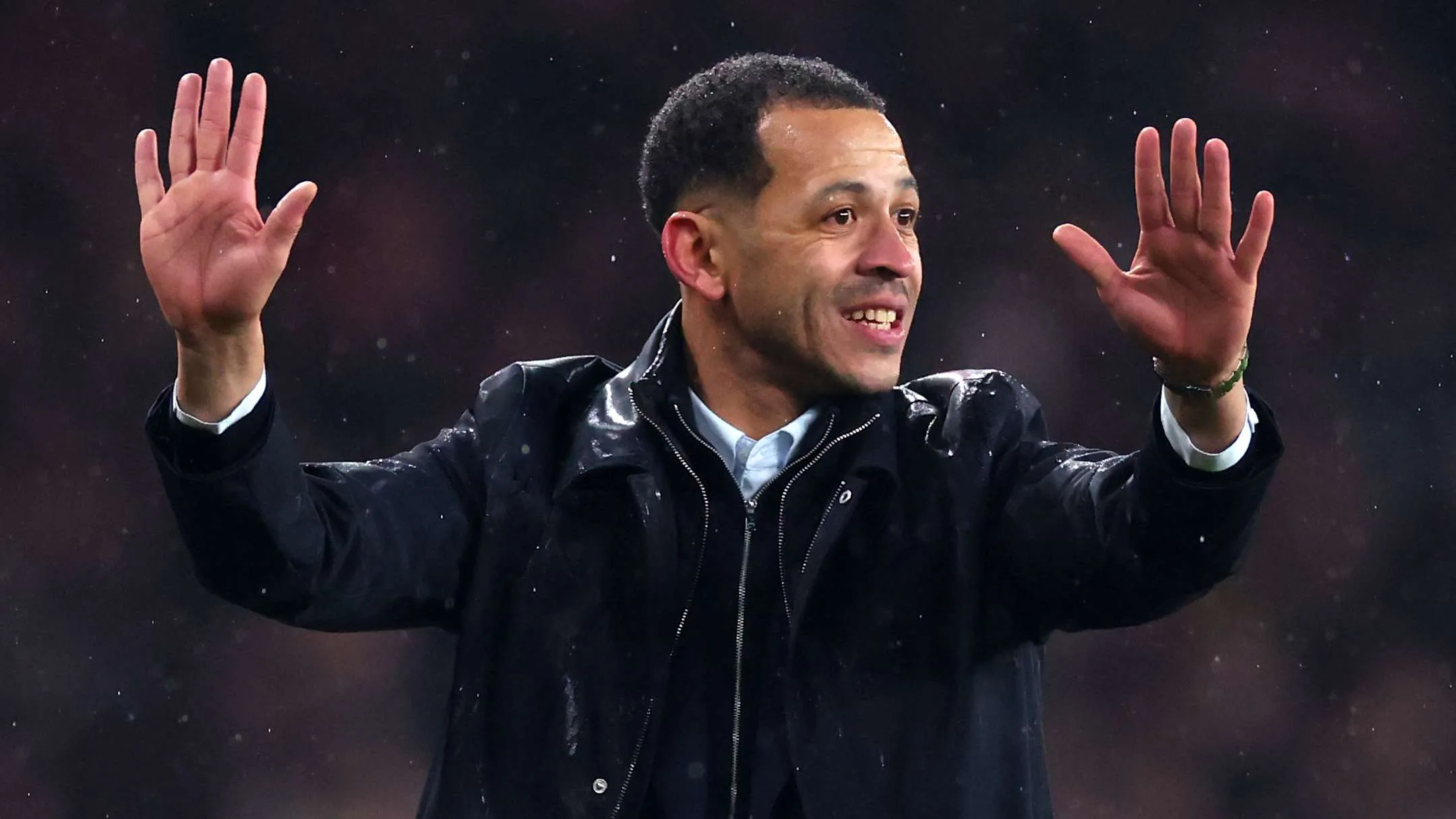
Liam Rosenior offered a clear justification for Chelsea’s defensive setup after the club were eliminated from the Carabao Cup by Arsenal on Tuesday. The defeat, decided when Kai Havertz scored in stoppage time, ended a tie that Chelsea had approached having lost the first leg 3–2 at Stamford Bridge three weeks earlier.
Rosenior pointed to two concrete reasons for his selection and shape. He revealed that captain Reece James and first-choice winger Pedro Neto both failed late fitness tests, forcing him to finalise an unusual lineup on the afternoon of the match. The absences, he said, were a factor in switching to a back-three system that saw João Pedro lead the defence with Liam Delap deployed on the right wing.
The performance drew sharp criticism from pundits. “I’m flabbergasted,” Sky Sports pundit Paul Merson gasped. “I can’t believe what I’ve just watched. Chelsea aren’t a bottom-five team. They have World Cup winners.
“[Wesley] Fofana is crying. He should be crying because they never had a go. They’ve gone out with a whimper in a semi-final. It hasn’t worked. Go out in a blaze of glory, don’t go out like that.”
Jamie Redknapp was similarly forthright. “If you’d have turned up today and not known the score you’d have thought that Chelsea were winning, the way they were playing the game with six at the back, playing cagey and trying to hit on the counter-attack if possible,” he said. “It’s a semi-final, you’ve got to throw punches.”
Cole Palmer and Estêvão were introduced in the final half hour without altering the outcome. Redknapp also criticised Alejandro Garnacho after his late contribution.
Rosenior rejected easy hindsight. “I’ve been a pundit, it’s easy in hindsight,” he snapped. “If I go and attack the game and press really high, people will ask what I am doing.
“You can come away from home, press all over the pitch, go man to man and you could go 2–0 up or you could go 2–0 down. I felt that the psychological aspect of the tie was very important as well. 60 minutes, I bring on Cole [Palmer] and Estêvão and the game opens up and we have moments in and around the box.”
Rosenior, the former Strasbourg boss, added: “The reality of my job is if you lose games, you’ll be criticised. If you win, you’re a genius. It’s normally somewhere in between, I think.”
Arsenal manager Mikel Arteta offered a different perspective, calling Chelsea “a really good coached” team which made the tie difficult. “We knew that we were going to have to play a lot of games within that game,” he said. “Especially because right from the beginning they changed their setup and they played in a different way.”

Carabao Cup
Carrick urges caution as Gabriel row grows around United future
Carrick says Gabriel’s welfare comes first as United weigh a 15-year-old’s uncertain future.
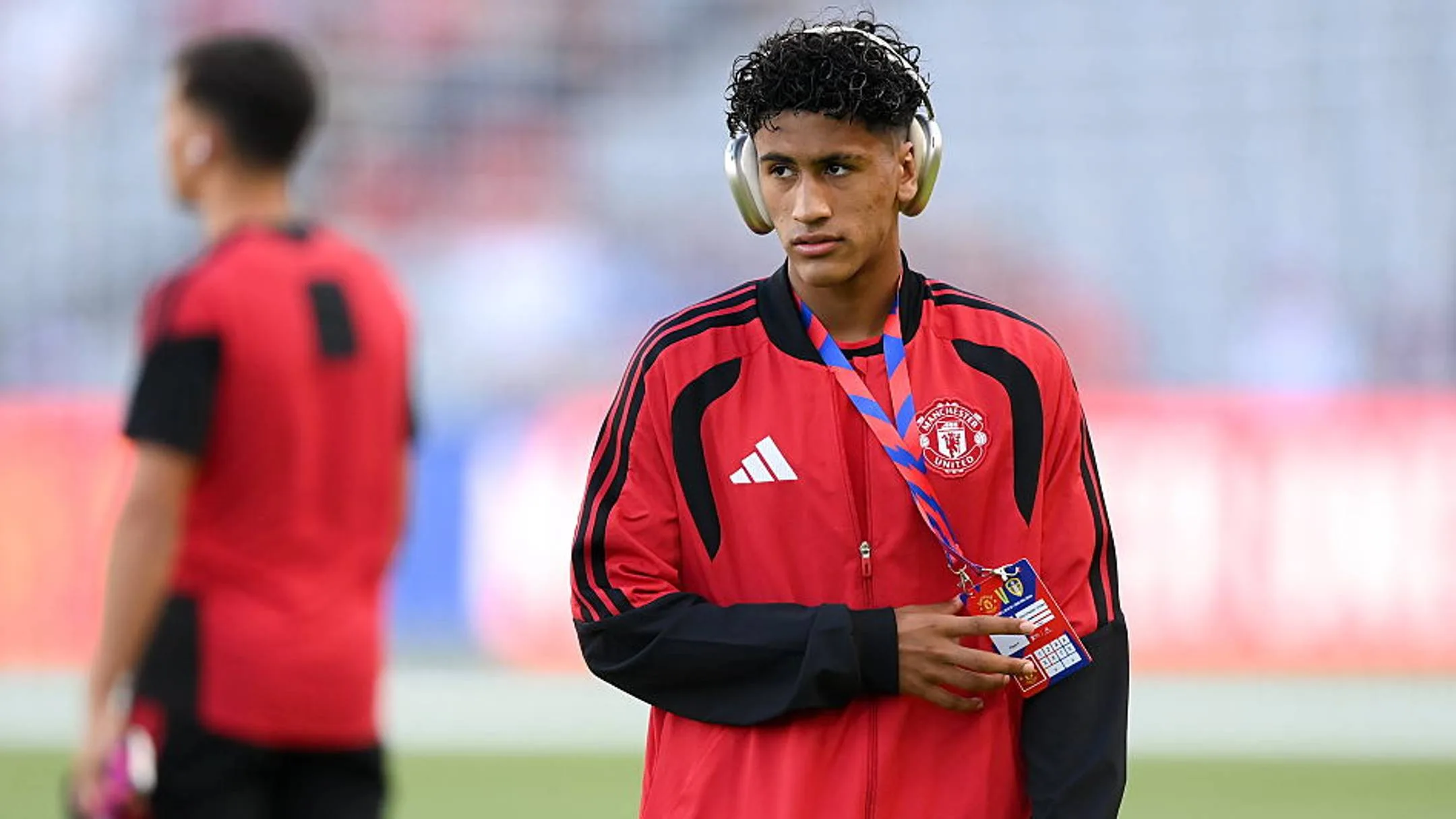
Michael Carrick has stressed that the priority in the JJ Gabriel situation must be the teenager’s welfare, wellbeing and exposure, as the debate around the 15-year-old intensifies.
The latest twist is believed to stem from Gabriel’s frustration over limited first-team involvement. He made an unofficial appearance from the bench in preseason, but that remains his only senior involvement so far. The forward is regarded as a major talent, while attention has also turned to his father, Joe O’Cearuill, after allegations of difficult behaviour resurfaced this week. One claim is that Gabriel’s name was changed to make him more marketable.
When it emerged that Gabriel wanted to leave Manchester United, it was suggested Carrick had intended to give him a record-breaking debut against Brighton & Hove Albion in the Carabao Cup. That did not materialise, and it would have been difficult for the manager to do so anyway after United let a 2-0 lead slip and were forced into a frantic search for an equaliser.
Carrick had already spoken to the media before the game, so his post-match comments at Old Trafford were the first chance to address the sudden attention around Gabriel. He avoided discussing the player’s quality or whether his future may lie elsewhere, instead focusing on the fact that the boy’s image has now spread widely.
“I think we’ve got to be really careful of the whole situation,” Carrick, whose own son, Jacey, is in the United academy and a year older than Gabriel.
“He’s a young boy, and the biggest thing for me, and for the club, is his welfare, wellbeing and exposure. I think all of us have to be really conscious of that in this situation.”
The safeguarding concerns are real. Gabriel requires separate changing facilities from senior players, and his age places him among only three players to have featured in 34 Premier League seasons at 15.
United can still delay matters by refusing to cancel his registration, though his academy deal runs until the end of the season. From next season, the usual route would be a first-year scholar place, with professional terms available when he turns 17 in the second year. A move abroad could come sooner, however, because Irish and Cypriot heritage may allow him access to EU passports. That gives Real Madrid a notable advantage, should he head to Spain when he turns 16 next month.
Arsenal
Merino Sees Yamal-Like Traits in Dowman After Ipswich Cup Display
Merino compared Max Dowman to Lamine Yamal after the teenager impressed in Arsenal’s cup win.
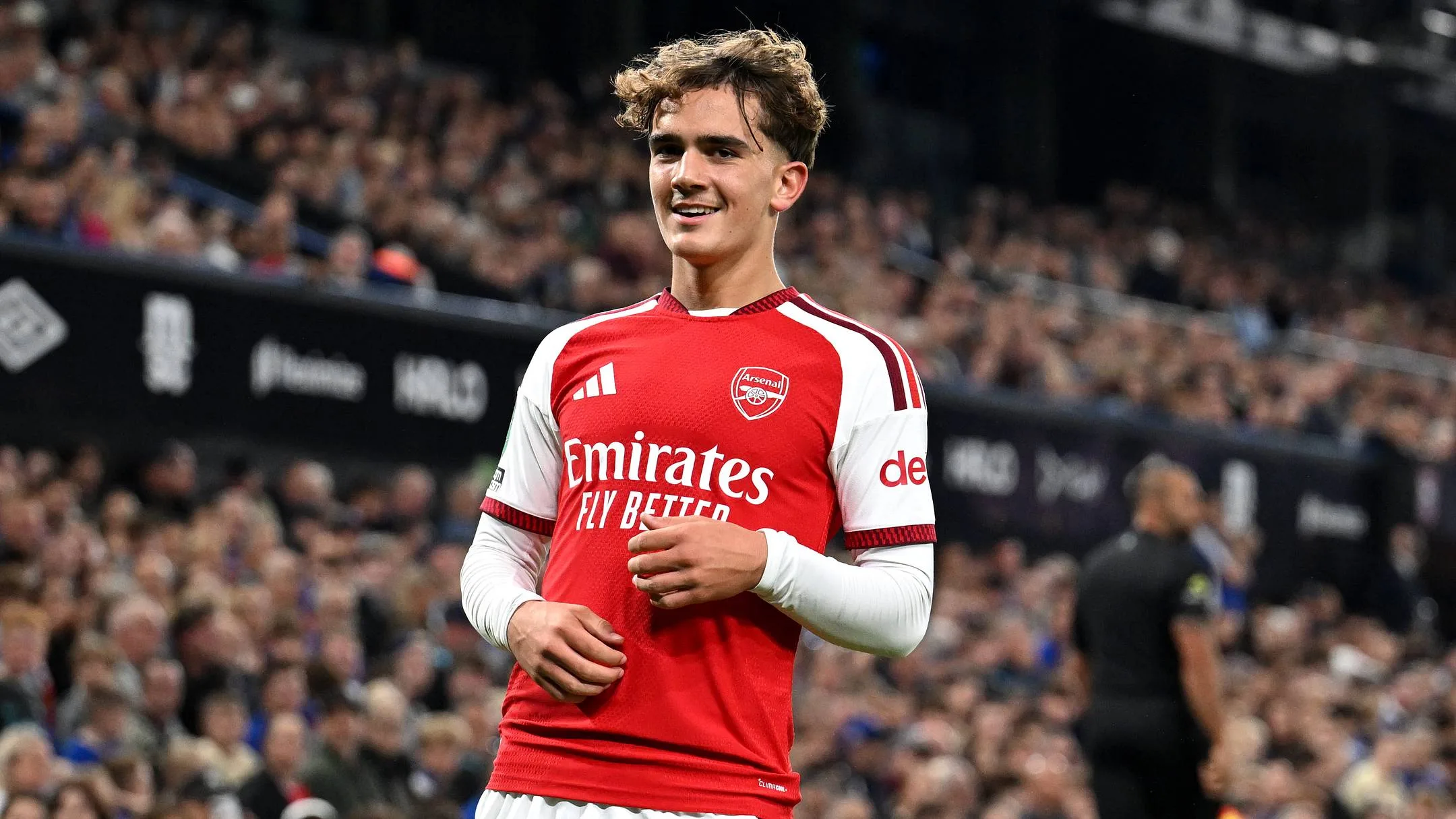
Mikel Merino has drawn a notable comparison between Arsenal teenager Max Dowman and Barcelona’s Lamine Yamal after the 16-year-old’s eye-catching showing in Tuesday’s Carabao Cup win over Ipswich Town.
Merino, who knows Yamal well from international duty with Spain, said Dowman shares more than just talent with the Barcelona forward. In his view, the pair are alike in how they handle pressure and attention.
“There are some similarities in terms of their character,” Merino reflected. “They don’t care about the spotlight. They thrive when pressure is at the highest. They are always up for the challenge and they are not shy at all, even facing the biggest names in the game.
“[Dowman] is an unbelievable talent. We knew it, but every time he goes on the pitch and plays against grown men he makes the difference. He is a big talent and we have to take care of him.
“We have to keep pushing him. He needs to keep learning—eyes and ears open always. There is still big room for improvement in a lot of areas and he knows that. So we are going to be by his side trying to get him to his best level.
“It is a thin line. It is very difficult to have equilibrium sometimes with him, because obviously you want him to shine and show everyone the talent that he has. But you have to sometimes remind them that they are human beings and they are part of a bigger squad and team.
“The good thing with these kind of players—Lamine and Max—is that they are special talents, but at the same time they are very humble. They are always keen to learn and listen to the veterans. That is priceless.”
Dowman, who turns 17 on Dec. 31, has now delivered three goals and one assist in 14 senior appearances for Mikel Arteta’s side.
Arteta, though, stressed that progress must be handled carefully. He said the Premier League presents a different challenge from other leagues and that Dowman’s development needs patience and the right conditions.
“Everything is possible,” Arteta said when asked if Dowman could become a first-team regular. “The probability probably is extremely low, because you don’t see the players with the capacity to handle just the physicality of the game.
“Not only that, but the demands that you have to put your bodies through in the week to be able to be in a good condition to compete, the amount of information, the challenges that you have to face.
“But he’s doing it, and he’s doing it really well every time he’s got a chance. What we have to do is look after him. He’s 16 years old, you don’t see that in this league.
“In other leagues in Europe, that’s a totally different context. But in this league, with the demands that the league, the players and everything puts on you, we really need to make sure every time we throw him in, he’s in the right context with the right preparation, and that’s what we are trying to do.”
Arsenal
Arteta cautions against comparing Dowman’s rise with Europe’s teenage outliers
Arteta says Dowman needs careful handling, even after his record-setting brace in the Carabao Cup.

Mikel Arteta has pushed back against the idea that Max Dowman should be viewed through the same lens as teenage talents flourishing elsewhere in Europe, stressing instead the particular demands of the Premier League.
The Arsenal manager used his press conference to underline the care required with a player who is still only 16. “What we have to do is look after him—he’s 16 years old, you don’t see that in this league,” Arteta said. “In other leagues in Europe, that’s a totally different context. But in this league, with the demands that the league, the players and everything puts on you, we really need to make sure every time we throw him in, he’s in the right context with the right preparation, and that’s what we are trying to do.”
Dowman has already taken up a remarkable share of the minutes handed to players aged 16 or under in the Premier League. Across the 2025-26 season, clubs gave that age group 167 minutes in total, with Dowman accounting for 157 of them. He will not turn 17 until New Year’s Eve, yet he is already continuing to break ground in English football.
His latest step came at Portman Road on Tuesday night, when he struck a composed brace. That made him only the second 16-year-old in Carabao Cup history to score twice for a Premier League club, according to Opta. The only other player to do so was Wayne Rooney in 2002.
Rooney remains the rare teenage exception to the concerns Arteta raised. Built powerfully and already self-assured as a youngster, he later said: “At the time, at 16, I remember looking around the Everton first team and knowing I was the best player. I felt that,”
David Moyes clearly agreed, selecting Rooney in 37 of the club’s 42 matches across all competitions that season, with 17 starts among them.
Arsenal’s own record with young players, especially in the Carabao Cup, is well established. The three youngest scorers for a top-flight club in the competition’s history have all been Gunners, while Dowman, at 16 years and 258 days, came close to Cesc Fàbregas’s benchmark of 16 years and 212 days.