Analytics & Stats
Opta Numbers Confirm Arsenal’s Set-Piece Method Shapes Their Play
Opta data shows Arsenal delay corners and dominate set pieces, defining their attack in 2025. Today.

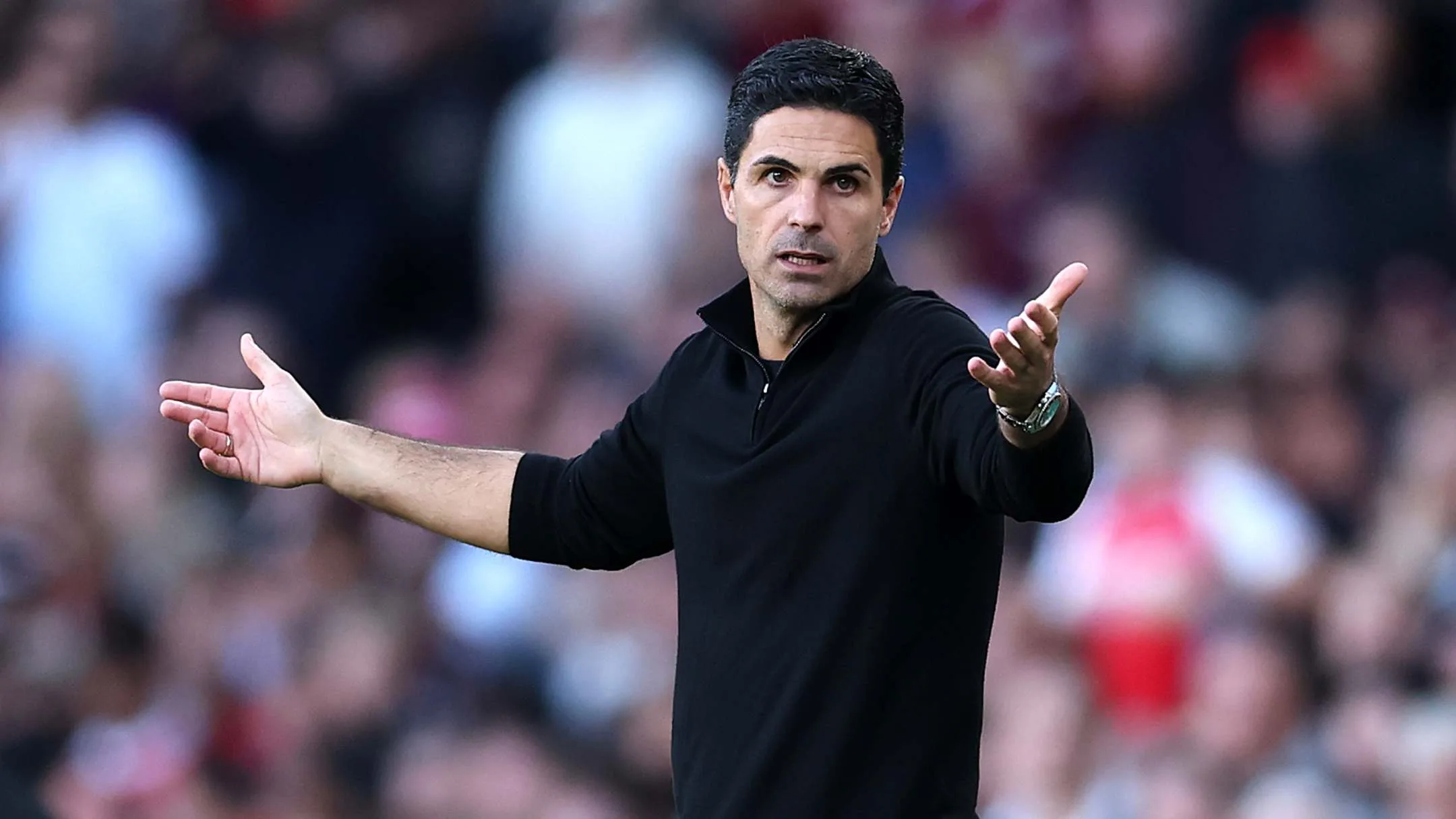
Opta figures from the opening weeks of the 2025/26 season underline a clear pattern: Arsenal disrupt the flow of matches and extract tangible gains from set pieces. Across the first seven Premier League fixtures the club spent a combined 40 minutes and six seconds preparing corners, at least 11 minutes and 12 seconds more than any other team in the division.
That average equates to 45.4 seconds per corner. Only newly promoted Sunderland register a longer pause before delivery, at 49.5 seconds, while Manchester City require just 29.1 seconds to set up a corner. Arsenal also win more corners than any other side in the league and are making those delays count.
Arteta’s side have already amassed a league-high seven set-piece goals this season, as many as Manchester City managed across the entirety of the previous campaign. The club’s reputation for methodical dead-ball work has been guided by a dedicated set-piece coach, Nicolas Jover, whose touchline gestures and visible influence have even inspired a fan-led mural in north London.
Opponents have noticed. Last season Liverpool manager Arne Slot called these tactics a “f—— joke” and Manchester City defender John Stones said: “I wouldn’t say they have mastered it, but they have done it for a few years now, so we knew to expect that. You can call it clever or dirty, whichever way you want to put it. But they break up the game, which upsets the rhythm. They use it to their advantage.” Those assessments reflect how delays and tactical stoppages can unsettle rivals.
Yet Arsenal are not solely a set-piece side. The current Premier League leaders sit seventh for open-play xG with 6.2 and rank fifth for shots with 63, but they have scored five goals from open play, placing 11th in that metric. Their xG per shot is 0.098, ranked 13th. The figures show a team that creates chances but relies unusually heavily on dead-ball situations to convert them.
Data via Opta. Correct as of Oct. 15, 2025.

Analytics & Stats
Ten elite goalkeepers redefining value across world football
CIES values highlight how elite goalkeepers are shaping results, and prices, across the game.
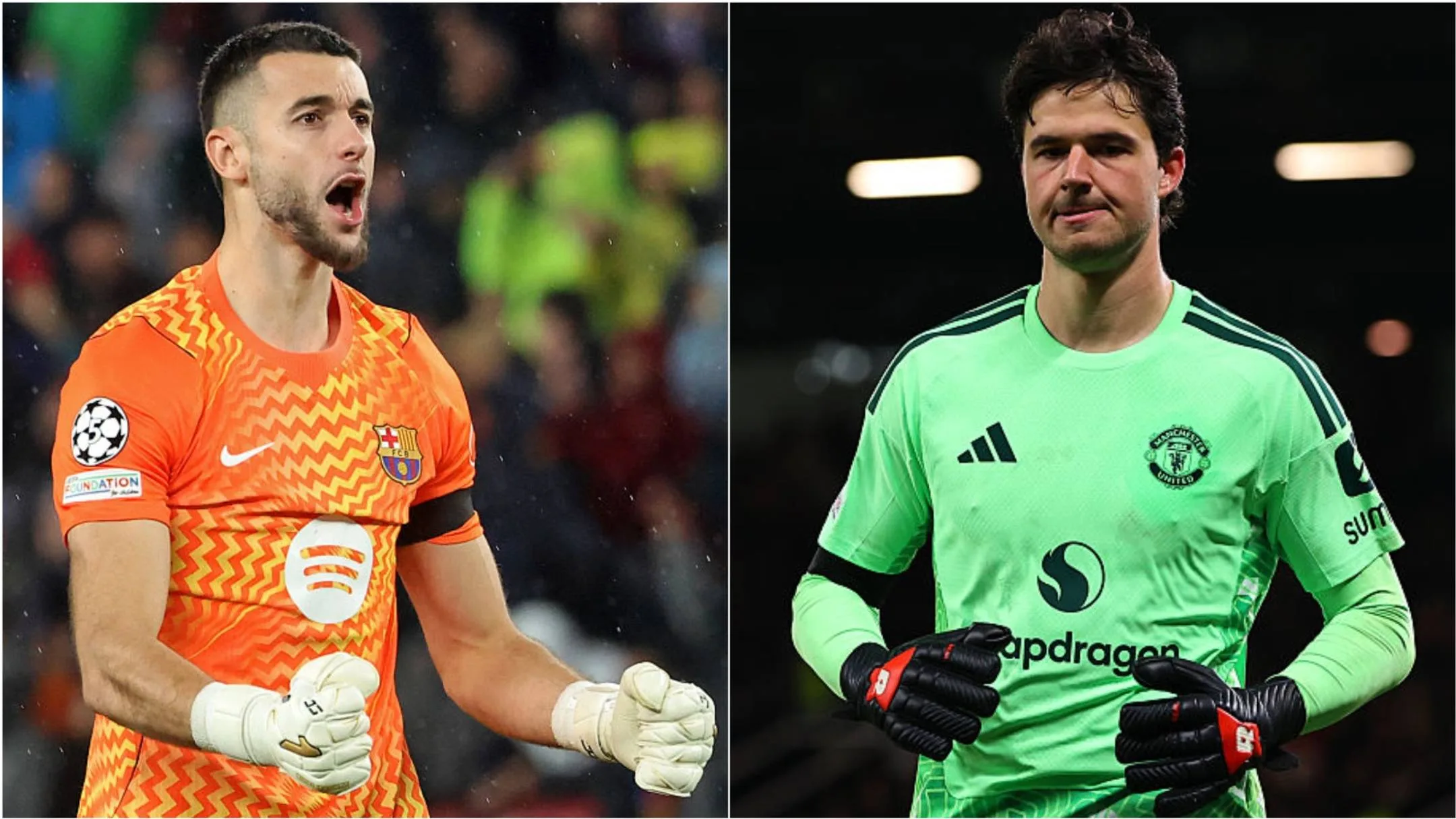
Goalkeepers rarely get the headlines, but their impact can shape a season as surely as any forward or midfielder. The latest CIES Football Observatory valuation model underlines that point by placing a premium on the game’s top stoppers, with market values now reflecting their growing importance.
Jonas Urbig is among the names highlighted. Bayern Munich moved for him midway through the 2024/25 campaign as part of the club’s long-term succession planning behind Manuel Neuer. The 23-year-old has shown promise from his time with Greuther Fürth and Köln, and despite limited opportunities at Bayern, he already has two senior Germany caps.
Matvey Safonov has also strengthened his standing. With Gianluigi Donnarumma gone after Paris Saint-Germain’s first Champions League triumph, Safonov stepped in and provided stability. Lucas Chevalier had initially been brought in to take over, but poor early performances shifted the balance, and Safonov delivered the consistency PSG needed on their way to a second straight Champions League title.
Robin Roefs has been one of the standout stories at Sunderland. Signed from NEC Nijmegen for an initial fee of around $10.5 million, he has quickly become one of the brightest young goalkeepers in the game. His valuation has risen to $57.5 million, and his performances have also earned him a regular place in the senior Netherlands squad.
Lukáš Horníček has made an immediate impression at Newcastle United after arriving from Braga for $34.5 million. He leads the Premier League for goals prevented across the opening stretch of his spell, even if there is still work to do in commanding his area. At Chelsea, Mike Penders has had a mixed start, though his $62.7 million valuation reflects the promise he showed during a strong year at Strasbourg.
Bart Verbruggen remains one of the league’s most dependable keepers for Brighton & Hove Albion, while Zion Suzuki’s move to Aston Villa has already looked smart business after his World Cup display for Japan. Senne Lammens, despite a difficult start at Manchester United, has already justified attention with his calm, reliable debut season in England.
Analytics & Stats
Premier League after 10 games: the unresolved issues behind the table
After 10 games, the Premier League has taken shape, but several major questions still remain unresolved.
Ten games into the 2026/27 Premier League season, the shape of the campaign is becoming clearer, but many questions remain. With domestic football returning after the November international break, this is the stage where some clubs look settled and others remain visibly incomplete.
At the top, Mikel Arteta has a selection problem that would usually be a luxury. Ezri Konsa is in form, William Saliba is back, and the choice between them comes before a demanding set of fixtures against Manchester City, Brentford, Spurs and Manchester United. Konsa brings strength in duels, while Saliba offers the option of a higher line.
Aston Villa’s six-match unbeaten league run has brought points, but not always control. Unai Emery’s side have spent too much time in frantic, end-to-end games and have not consistently dictated them. Their numbers back that up, with Villa 15th for average possession and third for times dispossessed.
Bournemouth remain one of the season’s most striking stories. In Europe’s big five leagues, only Paris Saint-Germain and Real Madrid have also won their last eight matches. Marco Rose’s side are Opta’s favourites for the Europa League, and Evanilson, Marcus Tavernier and Rayan are forming a dangerous attacking three, with Eli Junior Kroupi due back in the mix.
Brentford are spreading the goals around, but Thiago has not matched last season’s output, despite continuing to get into advanced areas. Brighton, meanwhile, are forcing a bigger conversation. They are the only team to beat Arsenal this season, they are the Premier League’s top scorers and they are doing it with style and confidence.
Elsewhere, Chelsea still need to solve the Estêvão question, Coventry need points rather than promise, Palace are being remade by Thomas Frank, Everton are stretched by a 21-man squad, Fulham still need a finisher, Hull remain limited, Ipswich keep making errors, Leeds need more from Wilson, Liverpool’s midfield is unsettled, and City’s three straight defeats have raised awkward questions. Newcastle, Forest, Sunderland and Spurs also go forward with major issues still unresolved.
Analytics & Stats
Premier League after 10 games: the questions still hanging over the division
After 10 games, the Premier League has clearer patterns, yet major questions remain across the division.
Ten games into the 2026/27 Premier League season, the picture is clearer than it was at the start, but only just. With domestic football returning after the November international break, there are still plenty of issues that demand answers across the league.
At the top, Mikel Arteta has a selection decision that most managers would welcome. Ezri Konsa is in form, William Saliba is back, and the choice between them arrives before a demanding run against Manchester City, Brentford, Spurs and Manchester United. Konsa brings duel strength, while Saliba gives the side the chance to hold a higher line.
Aston Villa’s six-match unbeaten league run has kept them moving, but it has not always been convincing. Unai Emery’s team have too often been dragged into frantic, end-to-end games and have not controlled them well enough. The numbers reflect that, with Villa 15th for average possession and third for times dispossessed.
Bournemouth remain one of the most notable stories in the division. In Europe’s big five leagues, only Paris Saint-Germain and Real Madrid have also won their last eight games. Marco Rose’s side are Opta’s favourites for the Europa League, and Evanilson, Marcus Tavernier and Rayan are looking like one of the continent’s most potent front threes, with Eli Junior Kroupi ready to return.
Brentford are sharing the goals, but Thiago is not matching last season’s heights, despite still getting into dangerous areas. Brighton are making the louder claim by the week. They are the only side to beat Arsenal this season, they are the Premier League’s top scorers and they are doing it with confidence and style.
Elsewhere, Chelsea still need to solve the Estêvão issue, Coventry need points rather than encouragement, Palace are being reshaped by Thomas Frank, Everton are stretched by a 21-man squad, Fulham still need a finisher, Hull remain limited, Ipswich keep making mistakes, Leeds need more from Wilson, Liverpool’s midfield remains unsettled, and City’s three straight defeats have raised awkward questions. Newcastle, Forest, Sunderland and Spurs also enter the next phase with major concerns still unresolved.