Arsenal
How Gyökeres Ended Up at Arsenal After Sporting’s Push for United
Gyokeres joined Arsenal after a draining transfer battle in which Sporting pursued United privately.


Viktor Gyökeres made his Premier League debut for Arsenal at Old Trafford on the opening day of the 2025–26 season. What unfolded before that appearance was a bruising transfer dispute that left Sporting CP at odds with the player and his advisers and ultimately delivered the striker to Arsenal rather than Manchester United.
Arsenal agreed a deal worth an initial €63.5 million (£55.3 million, $73.7 million) with a further €10 million available in performance-related add-ons. That completion followed weeks of rancour in which accusations of blackmail, betrayal and a playing strike were levelled as talks ground on.
Gyökeres and his team believed they had already agreed a fee Sporting would accept before the window opened. Sporting, meanwhile, were navigating a recruitment transition after their sporting director Hugo Viana joined Manchester City, and club president Frederico Varandas publicly declared that no such gentleman’s agreement existed.
One of Gyökeres’s representatives, Jonathan Chalkias, recently revealed that Sporting were so insistent on controlling their striker’s next destination that they “concluded a deal with Manchester United behind our backs.” Chalkias added that the team coached by Ruben Amorim, Gyökeres’s former Sporting boss, “offered a higher transfer fee.”
Fabrizio Romano supported the claim that negotiations between United and Sporting were “closed,” revealing that while the fallen Premier League giants were offering a lower fixed fee than the €63.5 million which Arsenal paid, they had agreed upon “better bonuses.” Romano also says the reigning Portuguese champions were “pushing like crazy” to send their No. 9 to Old Trafford.
Faced with competing offers and public disagreement at club level, Gyökeres and his camp resisted Sporting’s preferred destination and the midfielder eventually moved to Arsenal. The closing of the Arsenal agreement ended a draining saga that had played out publicly and privately across the summer window.

Arsenal
Arsenal’s XI the last time GTA V launched
Arsenal’s 2013-14 lineup shows how much changed between GTA V and GTA VI.
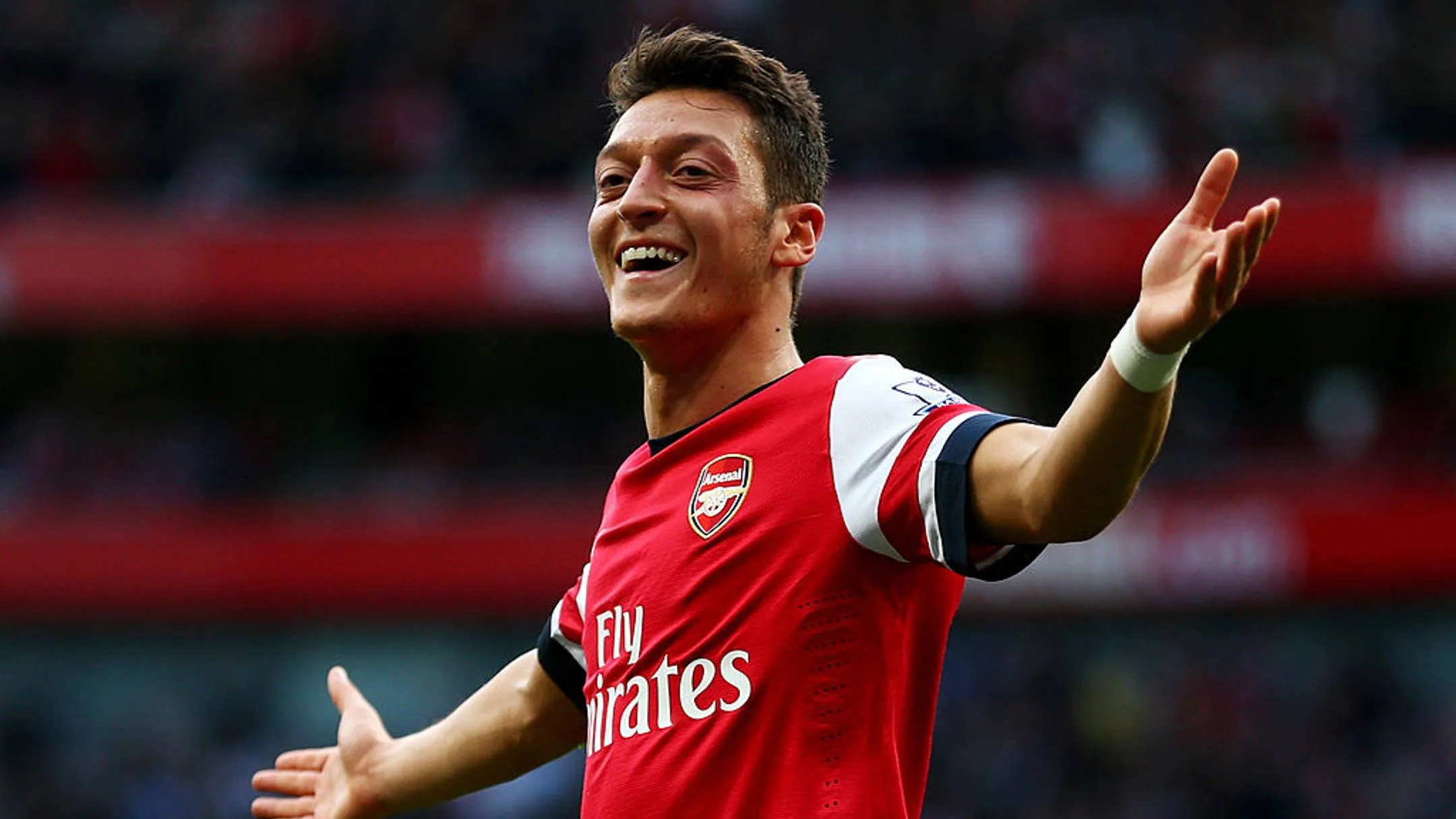
When GTA V arrived at the start of the 2013-14 season, Arsenal were in a very different place. They had just put together a third straight win to climb to second and were about to begin their Champions League campaign away at Marseille. By the time GTA VI launched on Thursday, they were leading the Premier League as champions, a marker of how far the club has moved on.
Back then, the side was still in the middle of Arsène Wenger’s final phase, with the atmosphere around the club already becoming increasingly strained. Looking back at that team now offers a clear snapshot of a squad that mixed promise, resilience and, in some cases, unfinished business.
In goal was Wojciech Szczęsny, who remained first choice throughout 2013-14 and signed a long-term contract in November. Bacary Sagna held the right-back position before leaving for Manchester City at the end of the season. In central defence, Per Mertesacker captained the side because of injuries to Arteta and Thomas Vermaelen, while Laurent Koscielny continued to grow into one of the league’s most reliable defenders and later scored in the FA Cup final comeback against Hull City.
Kieran Gibbs was active on the left, creating both goals in Marseille. Mathieu Flamini had returned for a second spell and made 36 appearances in all competitions, while Aaron Ramsey was enjoying his most productive season and scored in Marseille after driving through the centre. Theo Walcott got Arsenal’s opener after a Jeremy Morel mistake, but an ACL tear in early 2014 ruined his momentum.
Jack Wilshere linked with Mesut Özil in Marseille, though with limited success. Even so, his driving run down the left helped lead to Arsenal’s opening goal.
It is a lineup that captures a club in transition, standing between one era and the one that followed.
Analytics & Stats
Premier League after 10 games: the questions that still shape the season
After 10 games, the Premier League has clearer patterns, but several major questions remain unanswered.
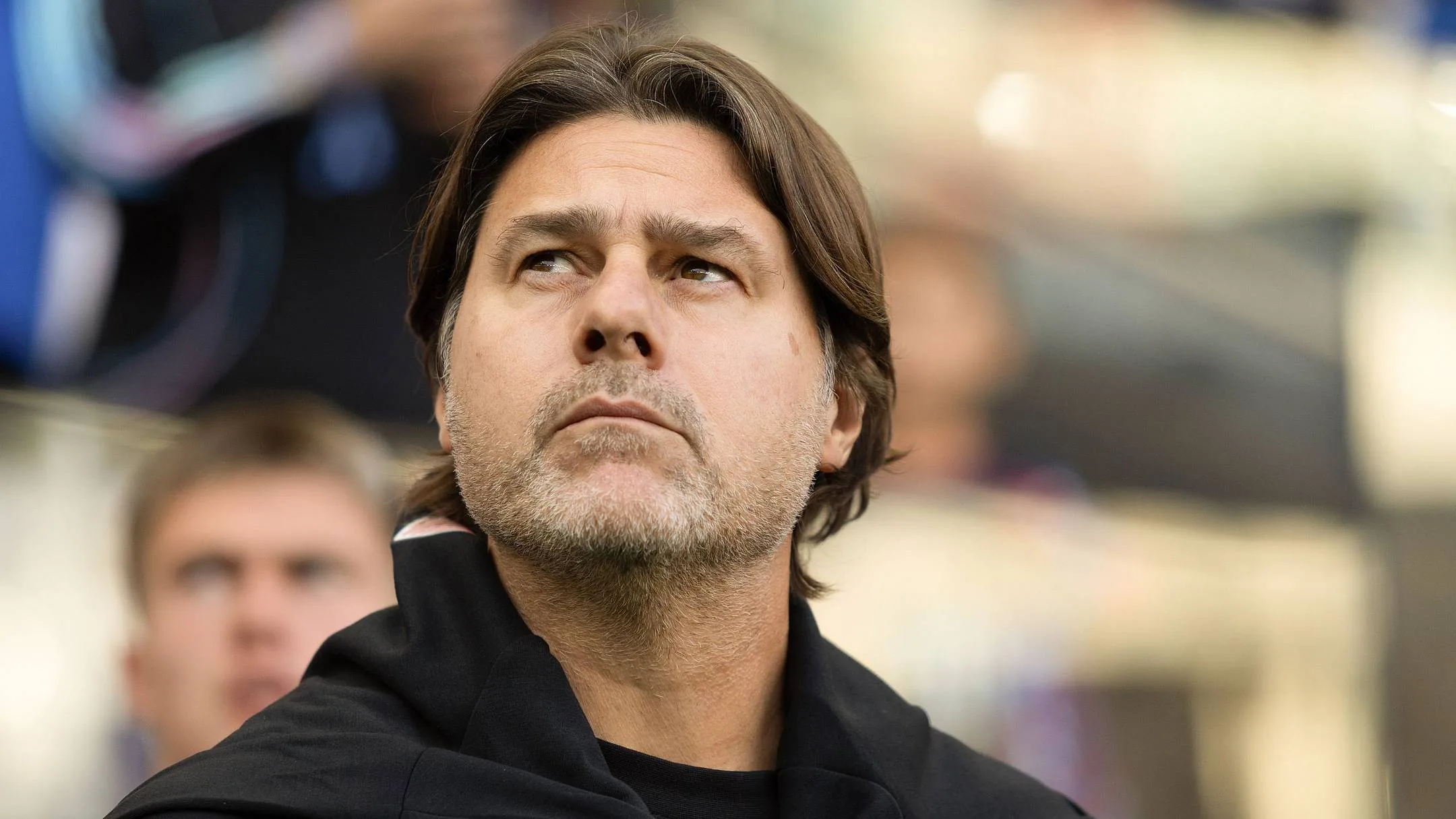
Ten matches into the 2026/27 Premier League season, the broad lines of the campaign are beginning to emerge. Yet with domestic football returning after the November international break, there is still no shortage of unanswered questions across the division.
At the top, Mikel Arteta is handling the kind of dilemma managers usually welcome. Ezri Konsa is in form, William Saliba is back, and the decision between them comes as key fixtures against Manchester City, Brentford, Spurs and Manchester United move into view. Konsa offers strength in duels, while Saliba brings the option of a higher line.
Aston Villa’s six-match unbeaten league run has kept them moving, but it has not been fully convincing. Unai Emery’s side have too often been drawn into frantic, open games and have not controlled them well enough. Their numbers reflect that, with Villa 15th for average possession and third for times dispossessed.
Bournemouth continue to stand out. Only Paris Saint-Germain and Real Madrid have also won their last eight matches across Europe’s big five leagues. Marco Rose’s side are Opta’s favourites for the Europa League and have not allowed European commitments to disrupt their domestic form. Evanilson, Marcus Tavernier and Rayan are operating as a dangerous front three, with Eli Junior Kroupi set to return to the mix.
Brentford are sharing goals, but Thiago is not reproducing the level he reached last season, despite getting into dangerous positions. Brighton, meanwhile, are making a more serious case by the week. They are the only side to beat Arsenal this season, they are the league’s top scorers and they are doing it with confidence and verve.
Elsewhere, Chelsea still need to find the right place for Estêvão, Coventry need points rather than encouragement, Palace are adjusting to Thomas Frank, Everton are stretched by a 21-man squad, Fulham still need a finisher, Hull remain limited, Ipswich keep making errors, Leeds need more from Wilson, Liverpool’s midfield is unsettled, and City’s three straight defeats have raised difficult questions. Newcastle, Forest, Sunderland and Spurs also carry significant concerns into the next phase of the season.
Arsenal
Ranking the 12 most effective attacking trios in world soccer
A look at the most dangerous attacking trios in world soccer, from Arsenal to Bayern Munich.
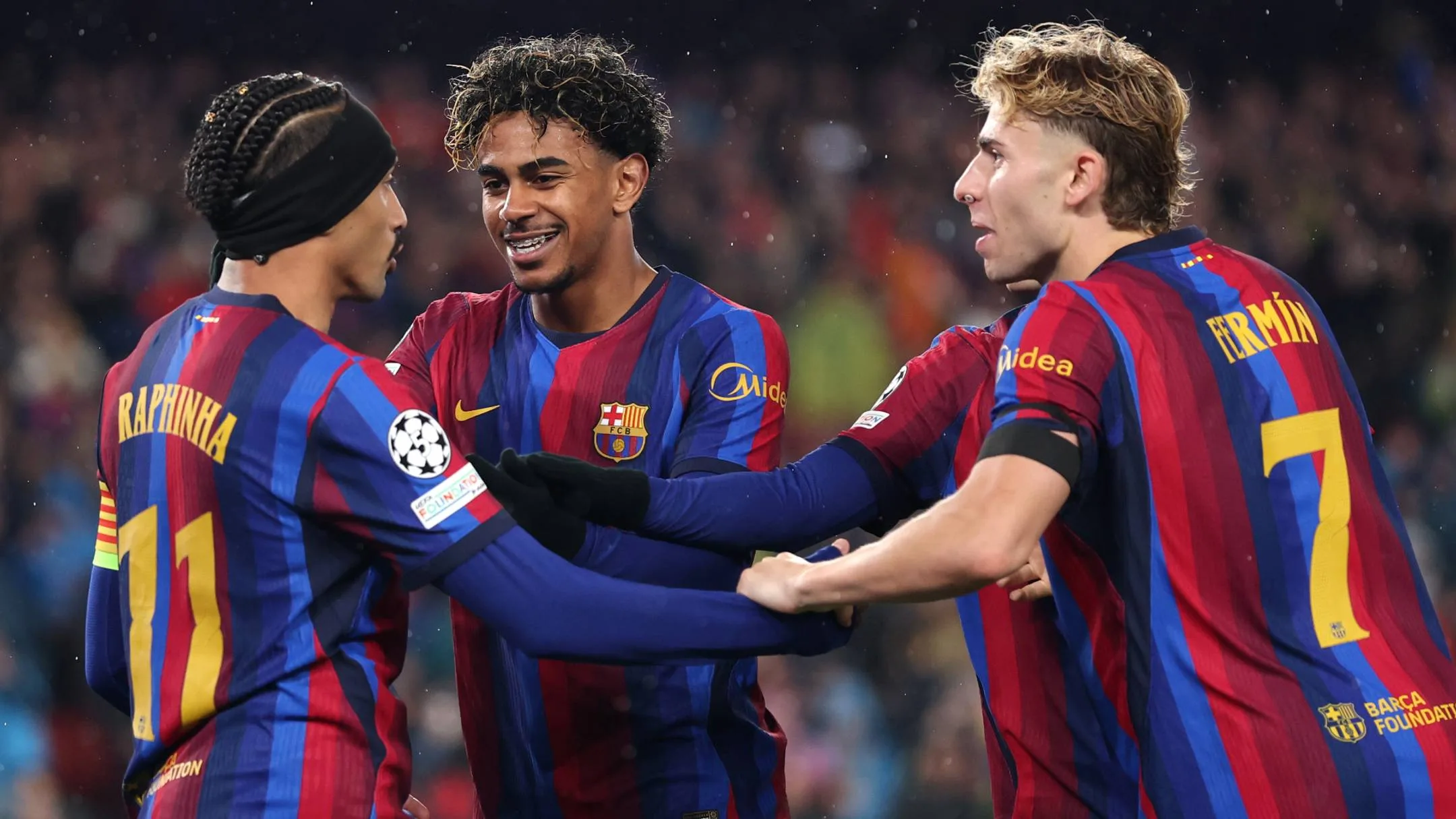
Three forwards used to be a luxury. In modern soccer, they are often the standard. Tactical changes, especially those shaped by Pep Guardiola and the rise of midfield control, have pushed teams away from old strike partnerships and back toward front threes that can attack from multiple angles.
That does not mean every trio works in the same way. Some rely on a central scorer, others on wide players who create and finish, and a few mix a No. 10 into the structure. Across the game, the best attacking units now tend to blend movement, intelligence and goals rather than simply stacking names on a teamsheet.
Arsenal’s title-winning attack is a good example of that balance. Bukayo Saka has still been one of Europe’s top wingers despite injury problems, Kai Havertz remains awkward for defenders to handle, and Christos Tzolis has brought a clinical edge from the left after replacing Leandro Trossard.
Bournemouth have also built a trio with real variety. Evanilson has adapted quickly to the burden of replacing Dominic Solanke, Rayan has added a different threat from the right since arriving at the start of 2026, and Marcus Tavernier is finally receiving wider recognition after a strong start to 2026-27.
Elsewhere, RB Leipzig continue to assemble attacking talent around Antonio Nusa, with Rômulo and Brajan Gruda giving the side different qualities in the final third. Liverpool’s new front three carry huge expectations, though they still have work to do before they match the legacy of Sadio Mané, Roberto Firmino and Mohamed Salah.
Como stand out for their collective chemistry, with Nico Paz offering class between the lines, Martin Baturina adding craft, and Anastasios Douvikas often benefiting from the work of others. Roma’s trio, featuring Donyell Malen, Matias Soulé and Rodrigo Mora, are also growing into their roles under Gian Piero Gasperini.
At the sharper end of the list, Erling Haaland remains the most devastating presence, while Rayan Cherki and Jérémy Doku give him supply and support. Chelsea’s new “JP Morgan” line, built around Cole Palmer, Morgan Rogers and João Pedro, made an early statement under Xabi Alonso.
Real Madrid’s stars still need time to fully click, but the most complete trio in the rankings belongs to Bayern Munich. Harry Kane, Michael Olise and Luís Diaz combined for 109 goals across all competitions in 2025-26, a return that underlined their standing among the best front threes in the game.