
Everton
Grealish Criticises Referee After Controversial 2–1 Merseyside Defeat
Grealish accused referee Darren England of being swayed by the Anfield crowd after 2–1 loss. Gueye.

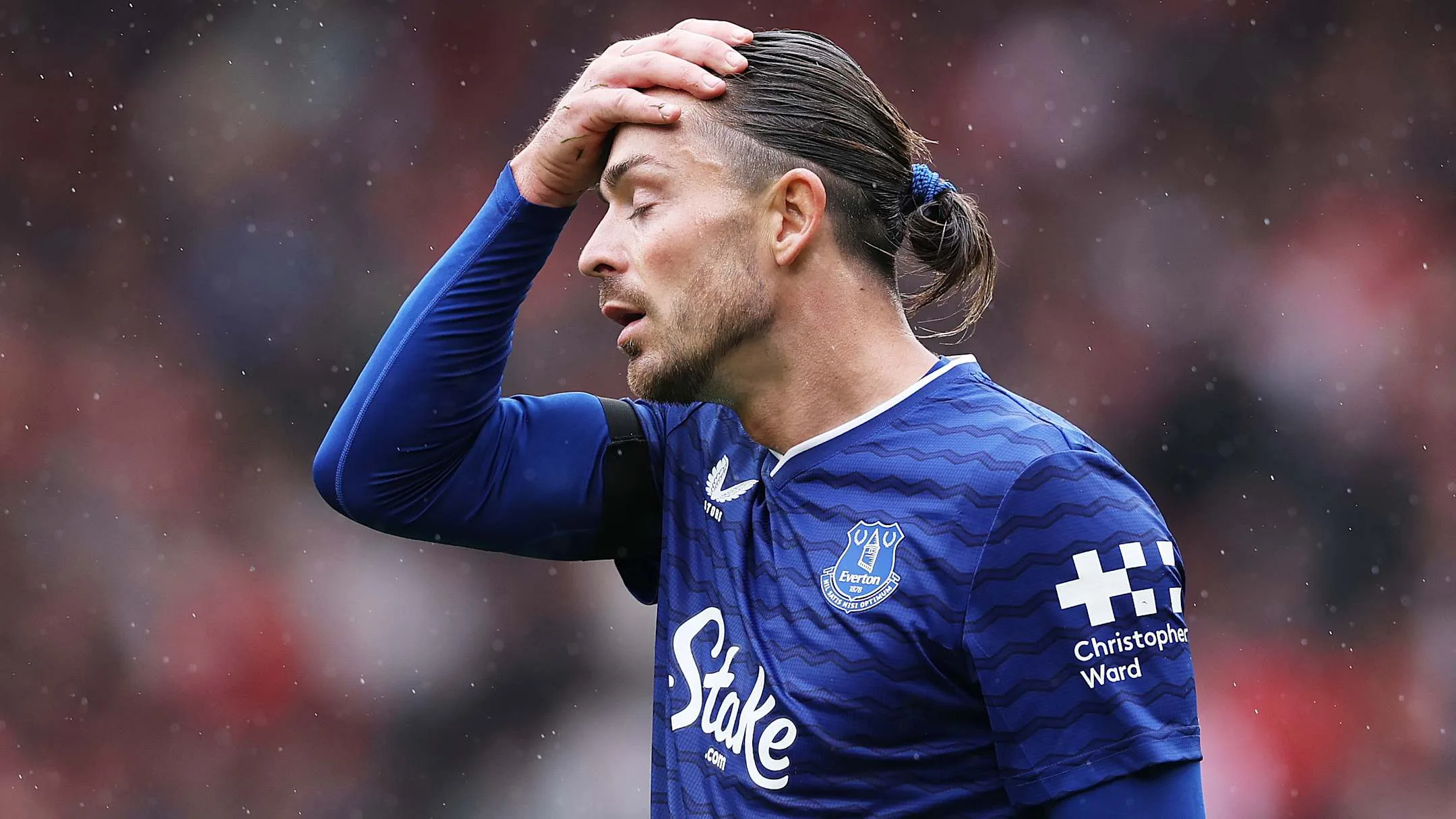
Everton forward Jack Grealish criticised referee Darren England after Liverpool edged the Merseyside derby 2–1 on Saturday lunchtime, arguing the official had been influenced by the Anfield atmosphere.
Everton had offered little until the second half but reduced the deficit when Idrissa Gana Gueye halved the lead on 58 minutes with a thumping strike, setting up a tense finish. Grealish, the Manchester City loanee, objected to two interventions that stopped Everton taking quick free kicks and to the booking of Kiernan Dewsbury-Hall after the second incident.
“They were obviously trying to slow the game down at times, I’ve never seen a player in my whole life get booked for taking a quick free kick,” Grealish fumed postgame. “I don’t know where that rule has come in. Even the stoppage time, three minutes and one minute—I’ve never seen that in the Premier League in the last two or three years.
“There were frustrations with the referee. Sometimes you want to let the game go, I completely get that, but you can’t not give us something and then two seconds later one of their defenders goes down after getting touched in the back and he gives it.
“You can’t do that. You come to these stadiums and the crowd are on them, I feel that they [the referees] feel they have to give it. Kiernan is on four yellows now, and he got one for taking a quick free kick. We want to get the game going, we’re losing, and I’ve never heard of that in my life.”
The match marked Darren England’s first Merseyside derby and was only his second career appointment at Anfield. The 39-year-old official from Doncaster had previously drawn attention on a Merseyside visit when he issued two yellow cards to Gravenberch within eight second-half minutes during a 1–1 draw with Crystal Palace last May.
Everton manager David Moyes shared his doubts about the stoppage time. “I think three minutes [of stoppage time] was very strange,” he lamented.




Arsenal
Premier League issues new on-field principles for 2026–27 to tackle holding, timewasting and VAR use
Premier League sets: 2026–27 principles to curb holding, clamp down on timewasting and limit VAR use
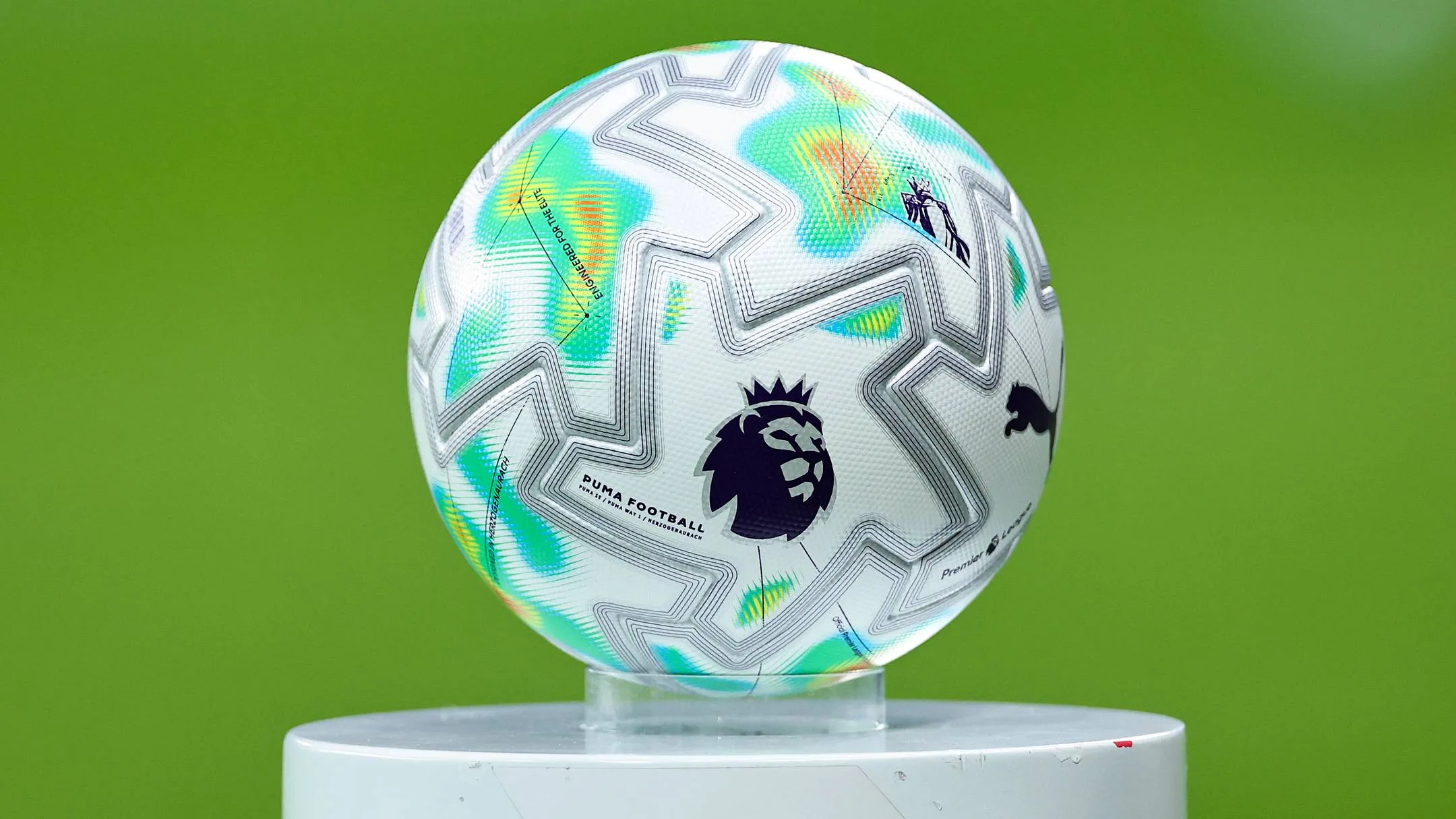
The Premier League has set out a revised suite of on-field principles ahead of the 2026–27 season aimed at addressing several contentious themes from 2025–26. The league said referees and match officials will follow the new regulations to reduce cynical play while retaining a high threshold for intervention. “Not every contact is a foul,” the statement said.
Holding and deliberate obstruction are the primary targets. Defenders who focus solely on blocking or holding opponents with no regard for the ball will be penalized, and players deliberately impeding the goalkeeper will also be punished. The intent behind actions will be judged, with officials instructed to act where there is a calculated attempt to prevent a player from playing the ball.
The directive responds to what the league described as widespread physicality from set-pieces, a feature that helped champions Arsenal. The issue prompted Brighton & Hove Albion manager Fabian Hürzeler to bring a Mixed Martial Arts fighter to training to teach his side how to cope.
Timewasting is another focus. Behaviours from feigning injury to prolonging substitutions and delaying restarts can now be sanctioned under rules similar to those used at this summer’s World Cup. Any player who receives on-field treatment must leave the pitch for at least one minute, twice the previous guidance. Deliberate delays to throw-ins and goal-kicks will face a five-second countdown and can result in a reversal of the decision in favour of the opposing team.
Substitution procedure has been tightened. A player must exit within 10 seconds of their number being raised by the official. If they exceed that period, the substitute may only enter the field at the first stoppage after one minute of play.
Hair pulling will remain a sending-off offence when malice, excessive force or brutality is evident, but officials will again consider intent and may issue a yellow when excessive force is not present. Of last season’s three red cards for hair pulling, the league noted Dan Ballard’s dismissal might have avoided a straight red, Michael Keane’s red would likely still stand and Lisandro Martínez’s case fell between those examples.
The plan with VAR is to limit its involvement. The system will not be used to correct corner decisions and there will be no intervention to recommend second yellow cards.
AC Milan
Goalkeepers Set to Shape the 2026 World Cup
Goalkeepers who could decide the 2026 World Cup: concise profiles of the tournament’s best. Key reads
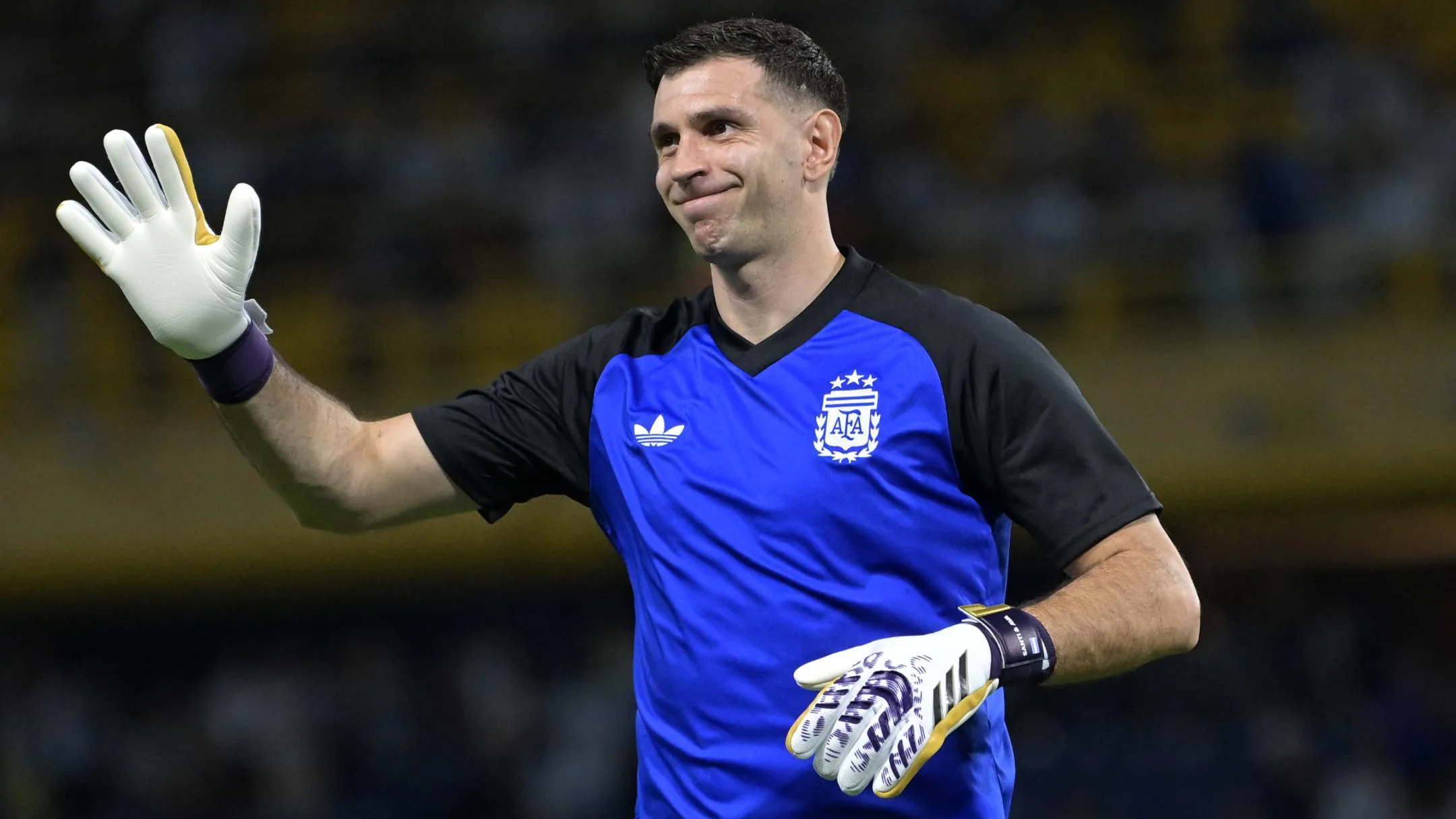
Goalkeepers are no longer only shot-stoppers. They are required to command their area, organise defence, save penalties and also initiate attacks with accurate passing. That combination of traditional and modern demands can make the difference between progress and early exit at a major tournament.
Bart Verbruggen retained the Netherlands’ No. 1 spot as they reached the Euro 2024 semifinals and is expected to keep that role at the World Cup. He conceded fewer than a goal per game for the Netherlands and recorded a 50% clean sheet rate. His distribution and sweeping ability stand out, drawing comparisons to Manuel Neuer and attracting interest from Europe’s elite.
Jordan Pickford is not the most glamorous name but remains crucial for England. The Everton shot-stopper celebrates saves with characteristic fervour, even screaming “Vamos!” in his distinctive Mackem voice. He often delivers in big moments, producing spectacular saves and performing in penalty shootouts; he might already be seen as a national hero had England’s attackers not faltered in the Euro 2020 final shootout.
Diogo Costa is a modern-day sweeper-keeper, comfortable with the ball at his feet and vital to Portugal’s possession style. He offers precise short and long passing and is an exceptional penalty specialist, saving over a quarter of spot-kicks he has faced for club and country (excluding shootouts). In Euro 2024 he repelled all three of Slovenia’s penalties in the round of 16, a feat not previously achieved at the European Championships.
Manuel Neuer, now in his forties, remains among the world’s best. As Bayern Munich stormed to another Bundesliga title in 2025–26, Neuer continued to excel with the aggressive sweeper-keeper game he helped pioneer. His reflexes may have dipped but his reading of the game, command of the penalty area and ability on the ball remain world class.
Switzerland moved on following Yann Sommer’s international retirement in 2024 and have Gregor Kobel as a capable successor. The 6’5″ Borussia Dortmund keeper conceded just two goals in five qualifying appearances and finished the club season with a Bundesliga-high 15 clean sheets, reinforcing his standing among Europe’s elite shot-stoppers.
Forget Lionel Messi—it was Emiliano Martínez who was truly Argentina’s hero in the 2022 World Cup final. He made a last-gasp added-time save to deny France a winner, got a glove to Kingsley Coman’s penalty in the shootout and used mind games ahead of Aurélien Tchouaméni’s miss. Martínez has continued to deliver for Aston Villa, helping them to a top-four Premier League finish and the Europa League title in 2025–26.
Alisson Becker remained reliable for Liverpool in an injury-disrupted campaign, excelling in one-on-one situations and offering pinpoint distribution. Heading into the tournament he has five clean sheets in nine World Cup appearances and 44 shutouts in 77 caps for Brazil.
Mike Maignan wears the No. 16 shirt for France but is his country’s first-choice keeper. Despite AC Milan’s torrid 2025–26 season, Maignan ranked among Serie A’s top performers for clean sheets, saves made and penalties saved. His reflexes mark him out as a truly elite shot-stopper and a strong World Cup could accelerate talk of a move away from San Siro.
Barcelona
Anthony Gordon and the Barcelona shirt numbers he could inherit
Gordon is closing in on an €80 million move to Barcelona and could inherit an historic shirt number.
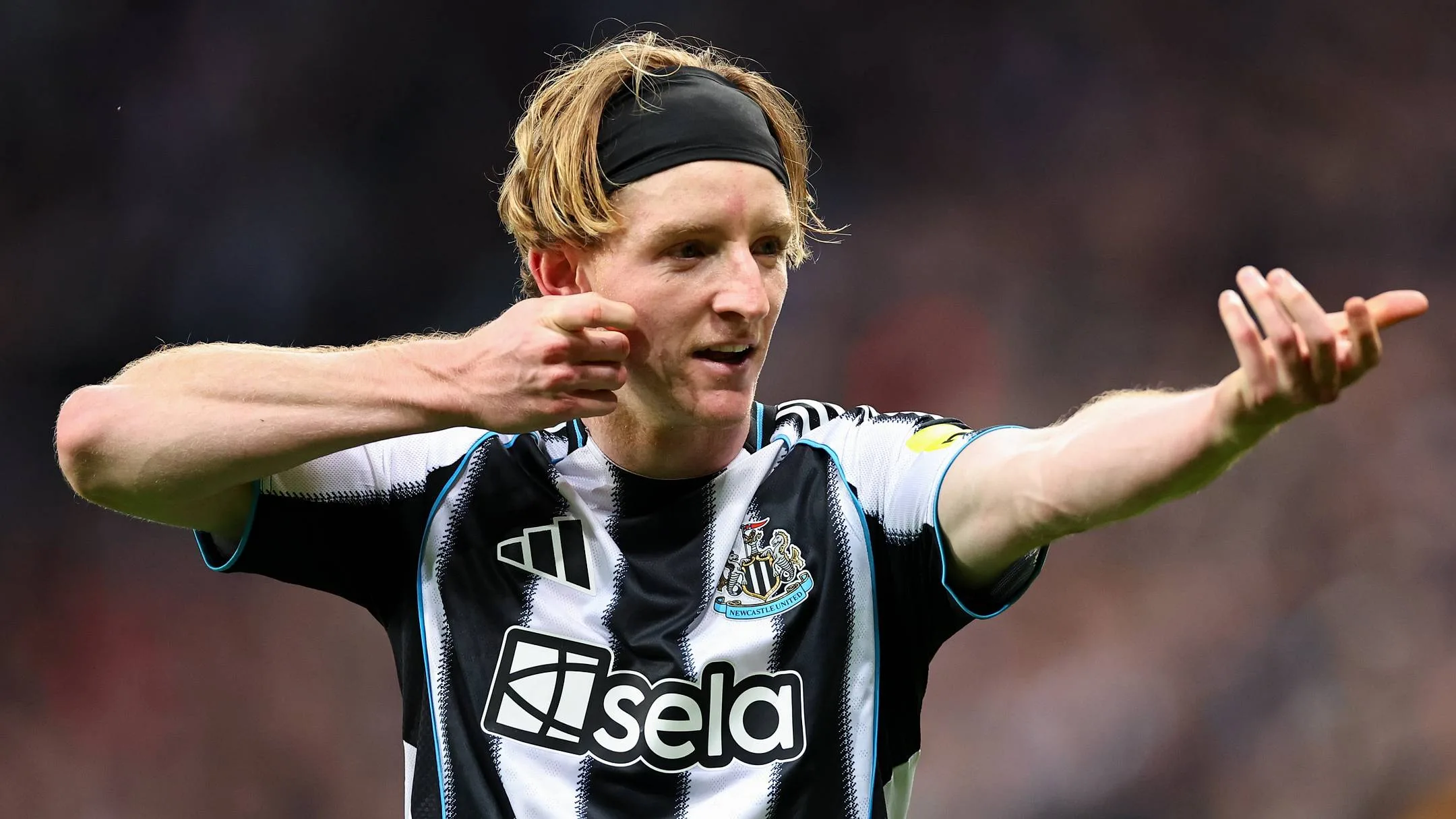
Anthony Gordon looks set to be Barcelona’s headline summer signing after closing in on an €80 million (£69.3 million, $93.2 million) transfer. The move is likely to be completed before he joins England for the 2026 World Cup, with his future “almost certainly” resolved in the coming weeks.
If the transfer goes through Gordon will become just the third Englishman to play for La Blaugrana. Beyond the significance of the switch lies a secondary question that has captured attention: which shirt will he wear at Camp Nou?
Gordon’s squad numbers have changed frequently across his career. He made his Everton debut in 2017–18 as No. 70 before being promoted to No. 42 two seasons later. In 2020–21 he took No. 24 for the first half of the season, then reverted to No. 42 while on loan at Preston North End for the second half of that campaign.
He wore the No. 10 in his final Everton season and has also worn that number since joining Newcastle. In his first season at St James’ Park he adopted the No. 8 jersey while waiting for Allan Saint-Maximin to vacate his preferred number. Internationally, Gordon has been assigned a variety of numbers for England, including No. 18, 17, 11 and 7.
At Barcelona, a few notable options exist. The No. 9 shirt is the most high profile, vacated by Robert Lewandowski when he departs as a free agent this summer. That shirt has been worn by a line of celebrated forwards: Luis Suárez, Zlatan Ibrahimović, Samuel Eto’o and Ronaldo. With Barça targeting a new striker, the club may prefer to leave No. 9 unassigned for the short term.
Other available options include No. 12 and No. 14, both currently free. The No. 14 was worn by Marcus Rashford during his loan spell in Catalonia, leaving Gordon with clear alternatives should he choose not to pursue the No. 9. His history of changing numbers means several outcomes remain possible once the transfer is finalised.


-
 Chelsea2 months ago
If Xabi Alonso Took Charge at Chelsea: Formation, Principles and a Projected XI
-
 Arsenal2 months ago
Five leading contenders for 2025/26 Premier League Player of the Season
-
 Championship2 months ago
The Fall of Leicester: How Financial Choices, Recruitment and Instability Led to League One