Fulham
Cunha Salvages Point as United’s Dip Draws Concern
Cunha’s late equaliser spared United defeat, but a poor second-half dip raised fresh concerns.

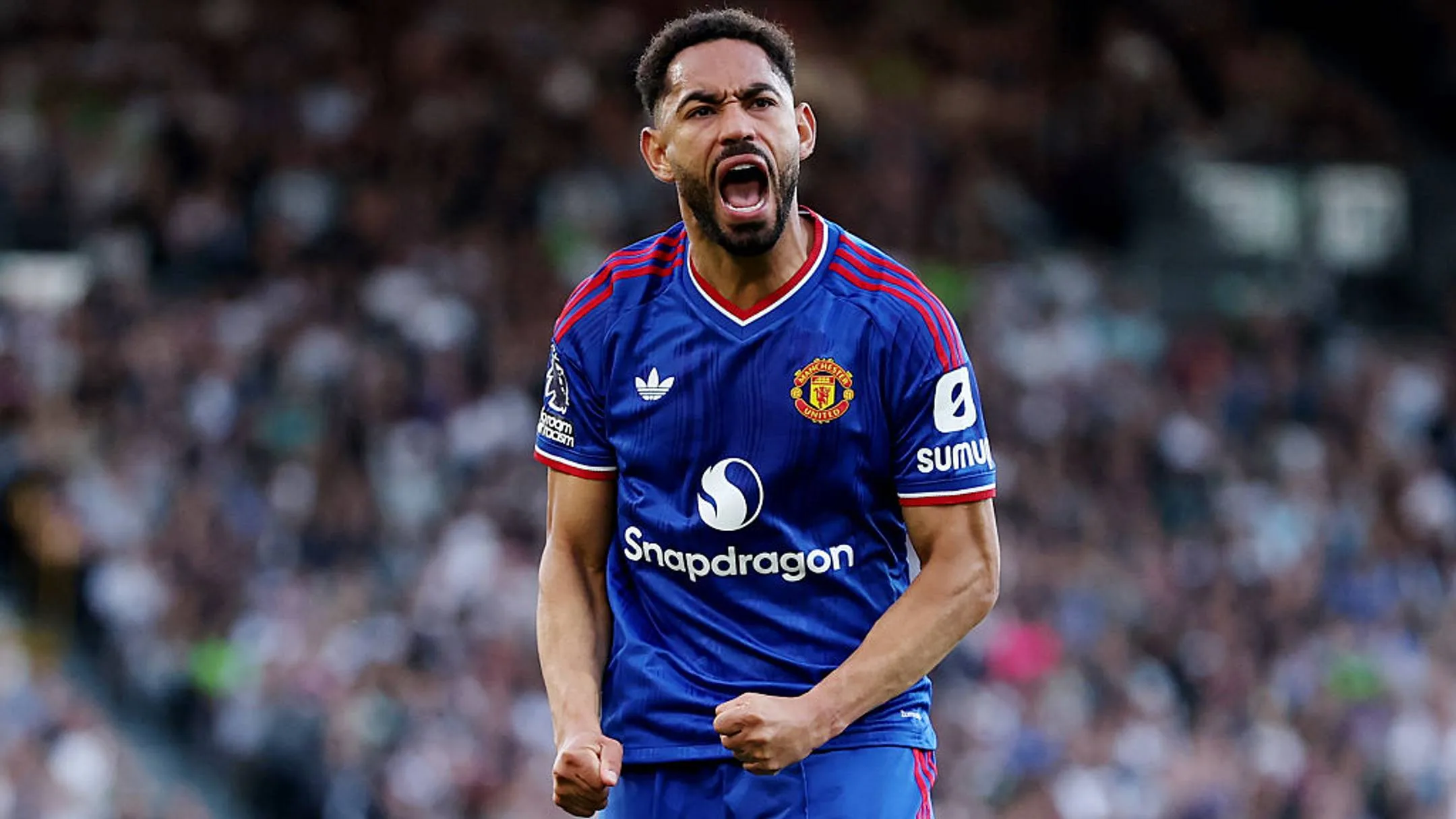
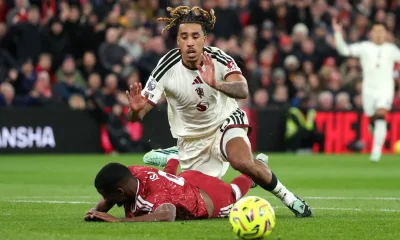
Matheus Cunha rescued a 1-1 draw for Manchester United at Craven Cottage after Lisandro Martínez’s own goal had given Fulham the advantage. It was a result that spared United a defeat, but it did little to calm the criticism that followed a second-half collapse in intensity.
The first half was lively enough without producing a goal, with United showing occasional fluency through quick passing and tidy combinations. After the interval, though, the level dropped sharply. That decline became the major talking point of the afternoon, especially after Gary Neville described the 15 minutes after halftime as the “worst” he’d ever seen his club play since he started watching the Red Devils as a 5-year-old in 1980.
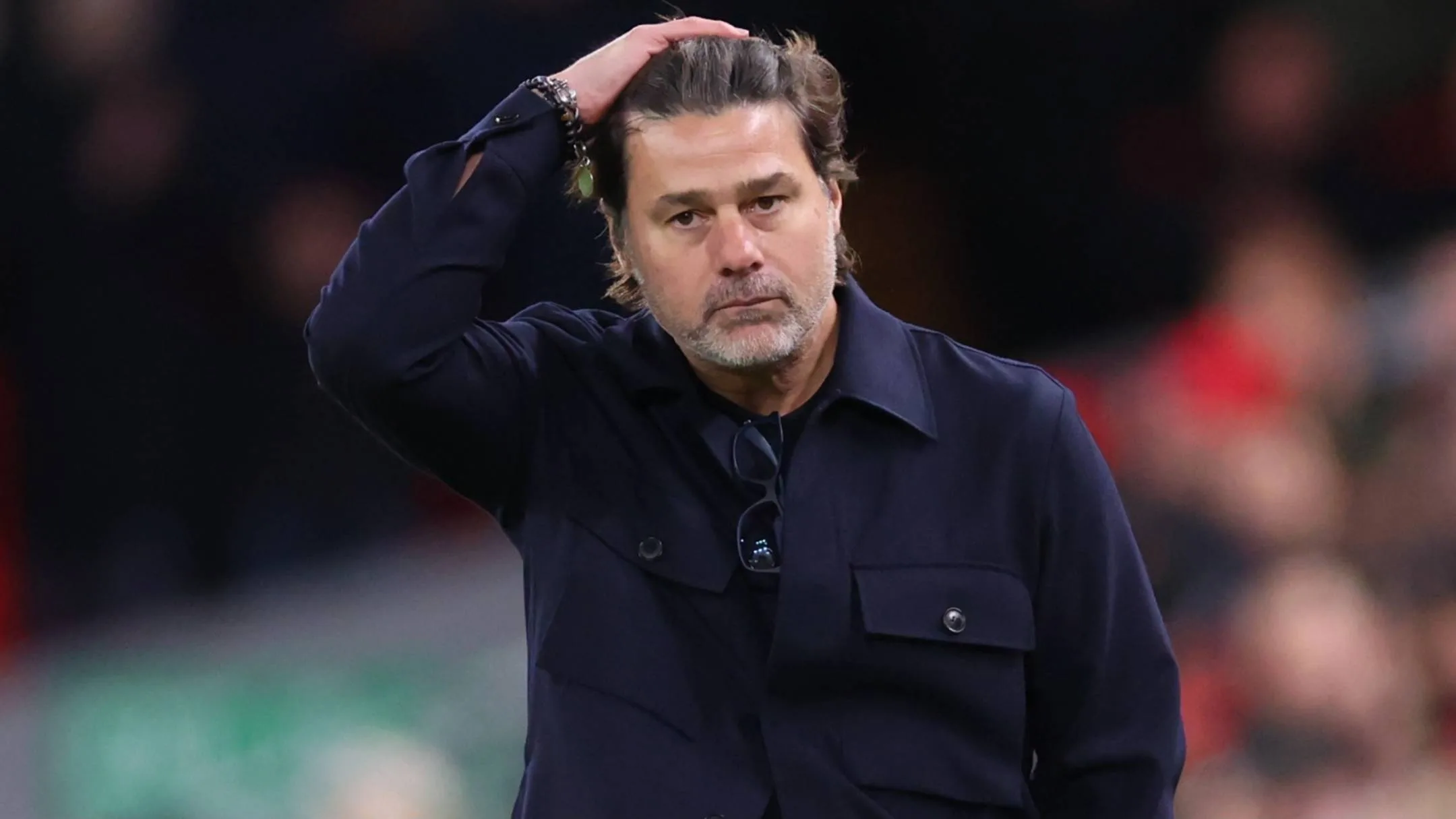
Michael Carrick will take the point, but the performance against one of the Premier League’s early strugglers raised more questions than answers. United looked most dangerous when speed entered their play, yet that rhythm was too infrequent to control the contest for long.
Marcus Rashford’s display summed up the frustration. Having lost some of the momentum that followed his reintegration, the England international wasted several promising openings and never found the conviction United needed. His lack of intensity in front of goal matched the wider drop-off in the team’s attacking cohesion.
There were brighter individual showings. Senne Lammens impressed in the first half despite limited success with Fulham’s goal, while Bruno Fernandes came close to scoring when he struck the post. Kobbie Mainoo also maintained his standards before being withdrawn late on, and Cunha finished with a decisive contribution after earlier involvement in the goal sequence at the other end.
In the end, United left with a draw that felt more like a warning than a recovery.




Fulham
Bassey Signals Contract Progress as United’s Defensive Search Continues
Bassey has opened contract talks with Fulham, forcing United to rethink their centre-back plans.
Manchester United may need to widen their hunt for a new centre back after Calvin Bassey indicated that talks over a fresh Fulham contract are ongoing.
Defensive reinforcement was already expected to be a priority, and Bassey had been identified as one of the more attractive options. With his current deal due to expire at the end of the season, and Fulham holding a 12-month extension clause, he had emerged as a possible cut-price target.
That possibility now appears less straightforward. Bassey has confirmed that discussions are taking place and that he is open to staying where he is. His comments suggest Fulham are in a stronger position than United might have hoped.
“We’re still negotiating,” Bassey explained. “We’re still talking and obviously it’s an amazing place to be.
“I’ve settled in nicely and the manager has put a lot of faith and trust in me. So, it’s nice to be here and hopefully we will see what happens with the negotiations.”
For United, the timing is awkward. The January window is rarely a simple market in which to operate, with clubs often inflating valuations once the season is under way. That leaves buyers vulnerable to overpaying, something United have tried to avoid under the direction of INEOS.
It also means some of the bigger names being linked are unlikely to be realistic. Luka Vušković and Alessandro Bastoni sit in that bracket, while Nottingham Forest’s Murillo is likely to carry a price tag beyond reach. Everton defender Jarrad Branthwaite remains a long-term target, but his valuation is expected to be similarly high.
With those doors looking difficult to open, United may have to turn to cheaper alternatives and possibly loan options. Paris Saint-Germain defender Illia Zabarnyi, Natan of Real Betis and Lens defender Ismaëlo Ganiou are among the other names being considered, though each presents its own obstacles. Ganiou, in particular, may be viewed as a gamble because of his limited top-flight experience.
Fulham
Haaland’s disallowed goal explained after City and Fulham draw
VAR explained why Haaland’s goal was disallowed as City missed a chance to cut Arsenal’s lead.
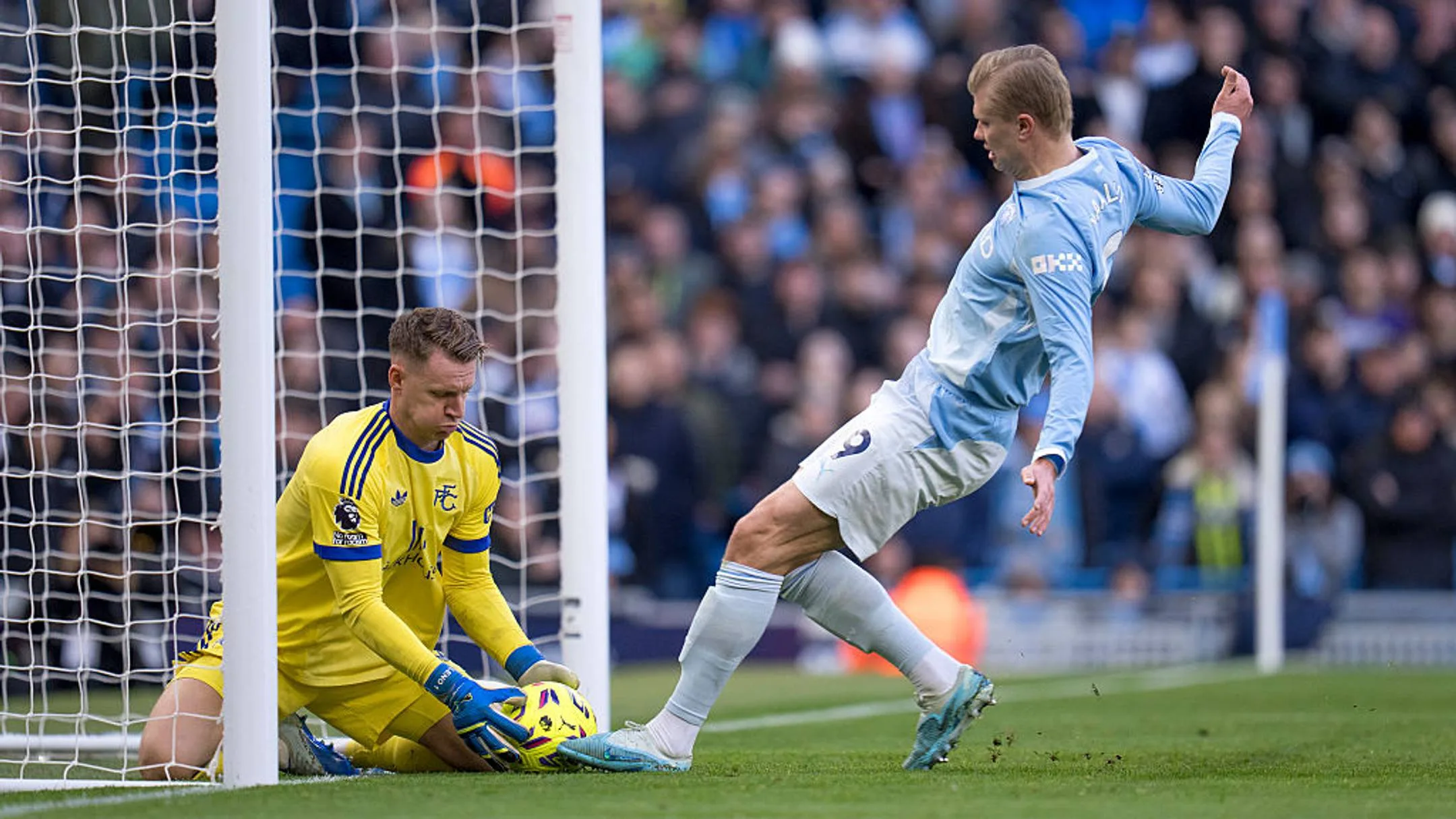
Manchester City were left frustrated after Erling Haaland had a goal ruled out in their 1-1 draw with Fulham, with the decision becoming one of the main talking points of the afternoon.
The initial celebration did not last long. Referee Tom Bramall had already blown for a foul on the Fulham goalkeeper, who appeared to have both hands on the ball, though the question of whether he was fully in control of it has clearly divided opinion.
The Premier League Match Center later set out why the goal was not allowed to stand, posting on X: “The referee’s call of free kick to Fulham and no goal to Manchester City was checked and confirmed by VAR—with the goalkeeper deemed to be in control of the ball.”
The VAR explanation was also made public in full: “The ball is in control between both hands and then is played out of that possession by the attacker, and then into the back of the net.”
City did eventually find an equaliser through Elliot Anderson, who struck a volley into the bottom corner from the edge of the penalty area. Even so, the disallowed Haaland effort would have delivered two additional points had it been given, and it left Maresca visibly unhappy.
“I reviewed the goal after the game. From my point of view, it’s quite clear that it’s not a foul, but I’m not the guy that decides, unfortunately,” Maresca said in his post-match interview.
Asked about Haaland’s reaction during the match, Maresca added: “When they were reviewing the VAR, he was absolutely sure that it was a goal, because I asked him from the touchline.
“He was completely sure that it was a goal but the referee decided for different things.”
The result means City are now four Premier League matches without a win, missing the chance to close the gap on table-toppers Arsenal. Mikel Arteta’s side drew 2-2 at Newcastle United on Saturday and remain six points clear of last season’s runners-up.
Fulham
Manchester City and Fulham meet with different pressures on each side
City need a response, but Fulham arrive organised, unbeaten in four, and improving under Arbeloa.
Manchester City return to Premier League action looking to halt a three-match domestic slide, with the break arriving at an opportune moment for the sky-blue half of Manchester. Their recent run has prompted concern about how exposed they have been in defensive transition, and the need for greater security in midfield has become clear.
Fulham arrive at Etihad Stadium in steadier form. Unbeaten in four, they have moved on from a poor opening spell that left them at the foot of the table. They now sit 15th with 10 points from as many games, though the wider table remains tightly compressed in the middle.
The visitors have begun to look more coherent under Álvaro Arbeloa, who was heavily doubted on arrival. Their improvement has been built on balance, possession and the influence of Alex Iwobi, alongside the creativity of No. 10 Josh King. Recent wins over Coventry City and Ipswich Town were narrow but controlled, and they followed those with 1–1 draws at Aston Villa and against Newcastle United.
City, by contrast, lost three successive Premier League matches before the break, even if a 3–2 Champions League victory over RB Leipzig came in the middle of that slump. Maresca has urged calm and has been given time to reset, but the challenge remains the same: his team must become less vulnerable to the counterattack.
Fulham’s recent numbers suggest they are capable of making this uncomfortable. Just six goals have been scored in their last four league matches, with only two conceded, a reflection of the control they have established. City will need patience if they are to rediscover winning form.
The head-to-head record offers little encouragement for the visitors. Manchester City have won the last 20 meetings, while Fulham have not taken points off them since September 2011 and last beat them in 2009.