Chelsea
What Manchester United Might Have Looked Like Under Mourinho in 2013
A Mourinho-led United in 2013 would likely have looked far stronger than the side Moyes inherited and managed.

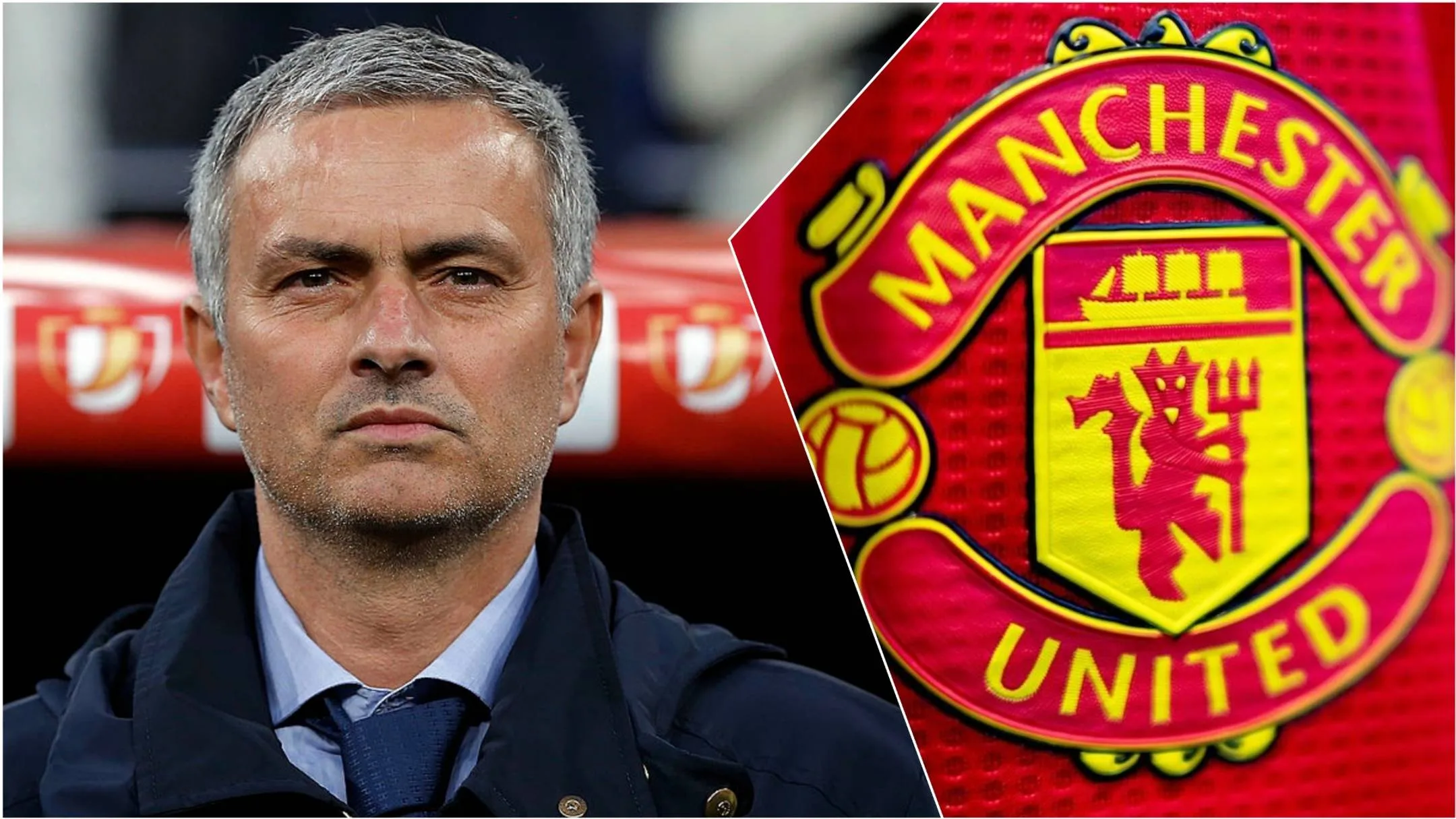
Netflix sport documentaries have a habit of reopening familiar debates, and a new series on José Mourinho has done exactly that. One of the clearest revelations is that, after leaving Real Madrid and before the next season began, Mourinho chose a return to Chelsea rather than taking over Manchester United, a decision also confirmed by Ferguson.
That left United to appoint David Moyes, who arrived as ‘The Chosen One’ and lasted only 10 months. Mourinho, meanwhile, went back to Chelsea and won his third Premier League title there across two seasons. He later did join United in 2016, collecting the League Cup and Europa League before his spell ended in 2018.
The question is a straightforward one: what if he had been installed before the 2013-14 campaign? Moyes inherited a squad that had already lost Paul Scholes to retirement for the second time, while United’s summer spending brought in just three players. Marouane Fellaini was the headline arrival, with Juan Mata added in January as the season slid into difficulty.
Even so, the squad was hardly barren. David De Gea was in goal, Rio Ferdinand and Nemanja Vidić still anchored the defence, and Patrice Evra and Antonio Valencia offered trusted options at full back. Up front, Robin van Persie scored 18 in all competitions, Wayne Rooney 19, Javier Hernández nine and Danny Welbeck 10.
There were also bigger possibilities. United had previously explored Cesc Fábregas, while Gareth Bale held talks with the club in 2013 before moving to Real Madrid. Mourinho’s reputation may well have made those conversations more persuasive.
What is beyond dispute is how badly Moyes’ United fared in the major fixtures. They won only one of 10 league matches against the traditional ‘Big Six’, finished seventh, and suffered heavy defeats, including two 3-0 losses at Old Trafford to Liverpool and Manchester City.
Mourinho’s strengths lay elsewhere. He was known for structure, control and results against elite opposition, and Chelsea’s own 2013-14 record underlined the contrast. They finished third, took 18 more points than United, conceded only 27 league goals, and advanced further in both the Champions League and FA Cup.
United may still have fallen short of silverware, but with Mourinho in charge, the outlook would almost certainly have been stronger, and Champions League qualification far more likely.



Chelsea
The strongest Premier League season openers and the seasons that followed
Premier League fast starts can be dazzling, but history shows the season rarely ends as it begins.
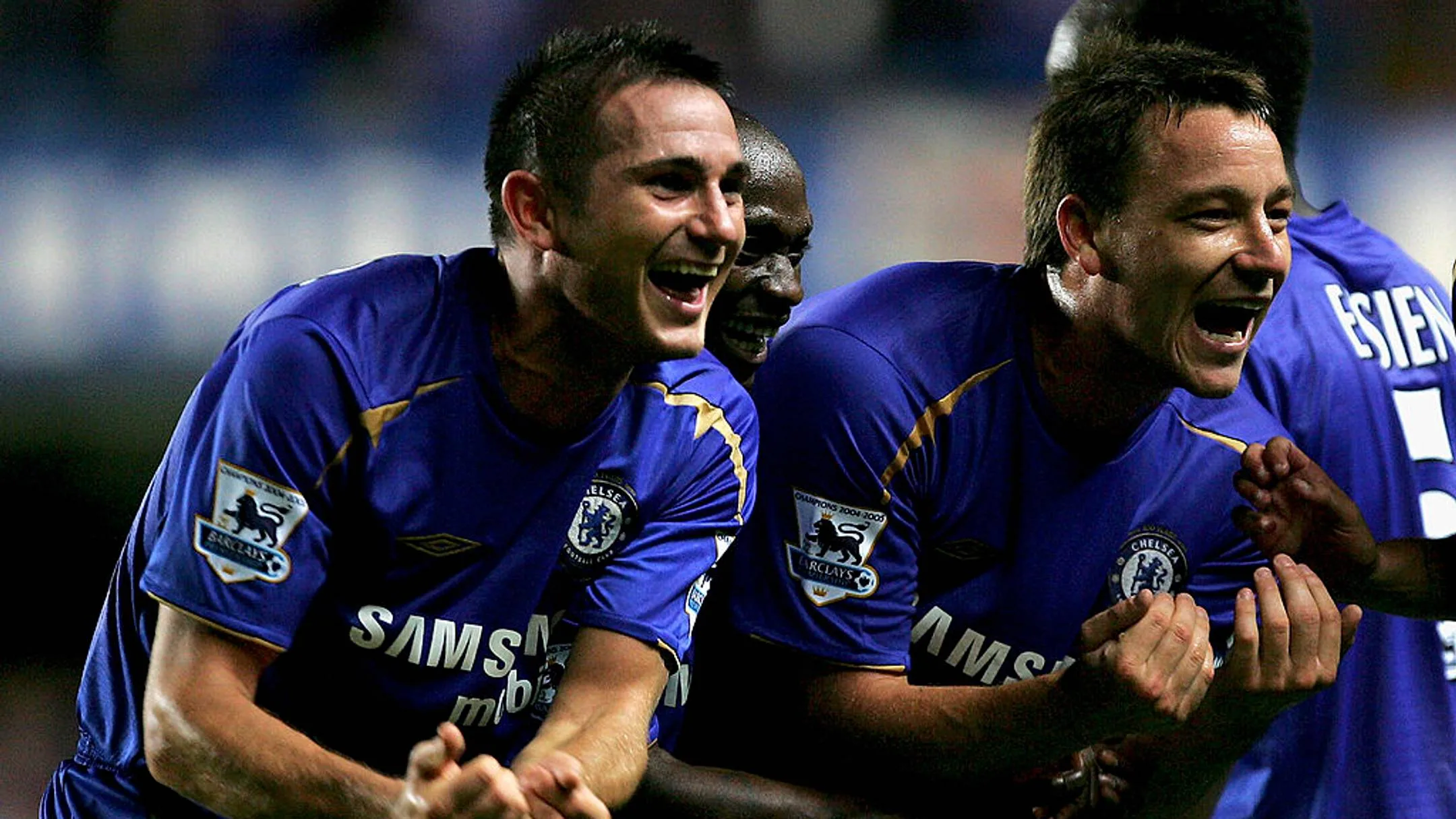
It is the kind of start every manager hopes for after a summer of preparation: momentum, control and a perfect record to open a Premier League season. Since the competition began in 1992, several sides have produced dream runs that hinted at title glory, only for history to remind everyone that August and September do not decide championships.
One of the most recent examples came from Manchester City in 2023-24. Rodri’s late goal at newly promoted Sheffield United kept their start on track after opening with two wins, and Pep Guardiola’s team then beat Burnley and Newcastle United without conceding before overcoming Fulham and West Ham United. Their run ended at Wolverhampton Wanderers in Gameweek 7, with Arsenal defeating them the following week as well. Even so, City then went on a remarkable 23-match unbeaten stretch, including 11 straight victories to close the season and claim a fourth successive title.
Liverpool’s 2018-19 start under Jürgen Klopp carried similar promise. With Alisson and Fabinho arriving in the summer, the Reds won their first six league matches, including victories over West Ham United, Crystal Palace and Brighton & Hove Albion without conceding. A statement win at Tottenham Hotspur followed before Chelsea ended the perfect start at Stamford Bridge. Liverpool would not lose again until Jan. 3, yet a 2-1 defeat to Manchester City at the Etihad Stadium proved decisive, and they finished on 97 points without the title.
Guardiola’s first Manchester City campaign also featured six straight wins, although doubts soon surfaced. Their record included just one clean sheet, and a 2-0 defeat at Spurs pointed to problems that later showed up regularly. City dropped as low as fifth in January before recovering to third and securing Champions League qualification, setting the stage for the ‘Centurions.’
Chelsea’s early run under Carlo Ancelotti was built on a similar pattern of fast starts and later pressure. Didier Drogba’s strike helped them beat Hull City on opening weekend, and they followed with six straight victories, capped by a familiar win over Spurs at the Bridge. After two defeats in their next three matches and a draw with Blackburn Rovers in March, seven wins from the next eight, including a 2-1 victory at Old Trafford, carried them to the title by a single point.
Newcastle United’s 1994-95 season under Kevin Keegan was explosive from the outset. They scored 22 times across their first six wins and remained unbeaten until Gameweek 12, with the ‘Entertainers’ capturing the imagination even if the finish fell away. A miserable winter followed, and Newcastle ended the campaign in sixth.
This season, another perfect start has arrived at Manchester City. With seven wins from seven, including victories at Man Utd and Liverpool and high-scoring wins over Sunderland and Ipswich Town, they have again set the early pace, even with off-field scrutiny hanging over them.
Chelsea
Martínez says he could return in weeks after emergency surgery
Martínez has outlined a recovery that could keep him out for several Chelsea matches this autumn.
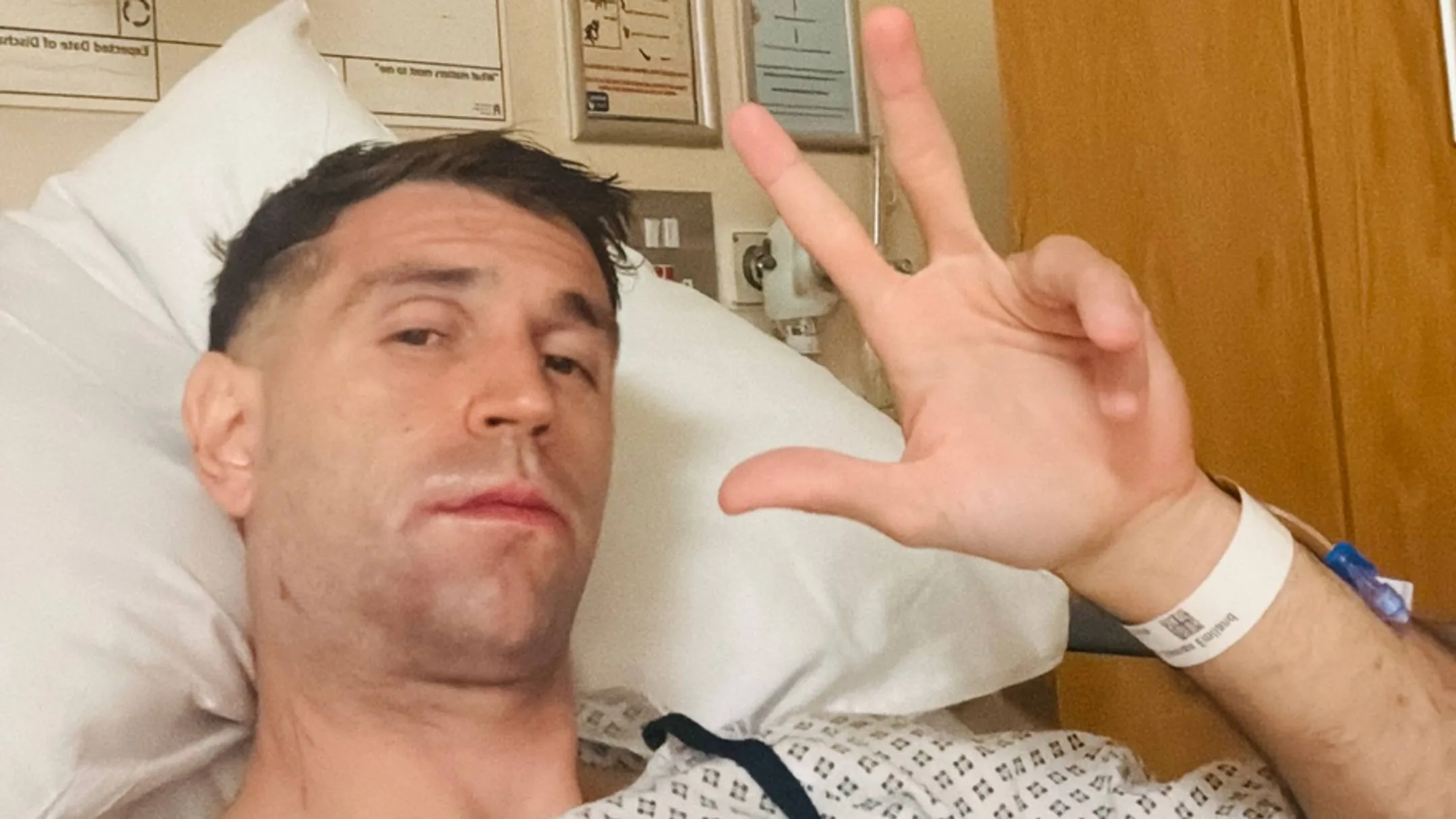
Chelsea goalkeeper Emiliano Martínez has moved to calm concerns after undergoing emergency surgery following a serious collision against Everton.
The Argentina international was stretchered off and taken straight to hospital after the head-on incident, while Everton’s center back was able to play on and complete the match. Martínez later shared an update on Instagram from his hospital bed, writing: “Thanks to everyone for the messages; the surgery went well,” the 34-year-old wrote. “The most important thing is that we won, and with a clean sheet . We’ll be back in a few weeks.”
Chelsea have since confirmed that Martínez suffered a fractured jaw. He was assessed on the pitch for eight minutes by medical staff before being taken to hospital, still conscious. Xabi Alonso also said after the match that his summer recruit had sustained a “concussion” while trying to clear Kiernan Dewsbury-Hall’s cross, a diagnosis that is likely to push back any return further.
His own estimate of “a few weeks” leaves room for interpretation, particularly given the range of recovery times for players coming back from broken jaws. The wider context matters too. At this summer’s World Cup, Austrian defender Stefan Posch broke his jaw in his nation’s opening group game but was back in contention against Argentina five days later wearing a protective mask. In that case, however, surgery was not required.
If Martínez is out until the November international break, which begins for Chelsea on Nov. 9, he would miss four matches. That is still a significant stretch, with Tottenham Hotspur visiting next Saturday before Chelsea travel to Liverpool for the Carabao Cup fourth round. Manchester United then come to the club on Halloween, followed by a trip north to Sunderland.
Before Martínez arrived, Alonso had already considered promoting Mike Penders above the error-prone Robert Sánchez. Chelsea eventually opted for the World Cup winner, but Penders now has an opening to make his case.
Chelsea
Pedro Neto brace settles Chelsea as Martínez injury casts a shadow
Neto scored twice as Chelsea won at Everton, but Martínez’s head injury overshadowed the result.
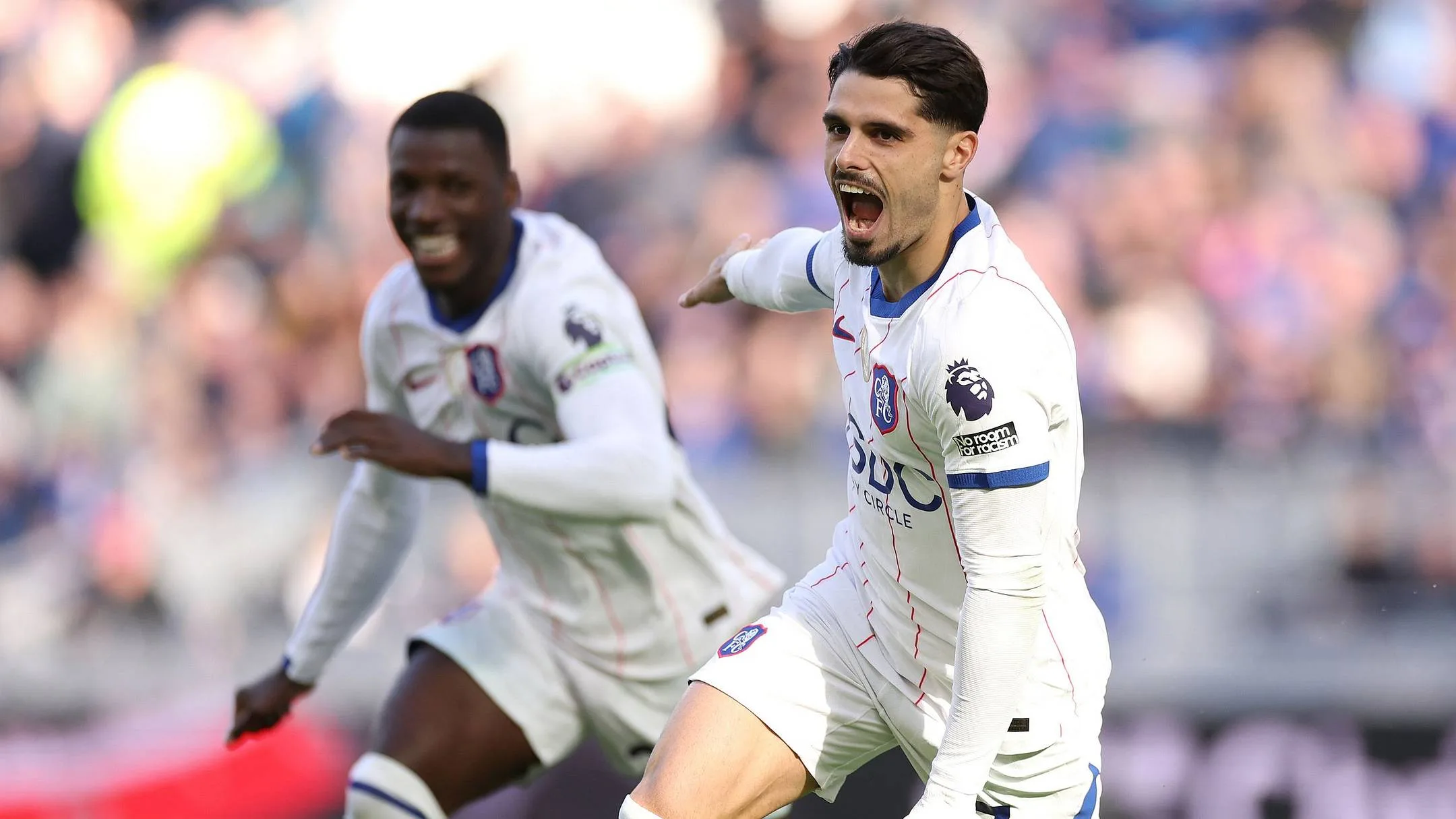
Chelsea left Hill Dickinson Stadium with three points after a narrow win over Everton, but the afternoon was defined as much by concern as celebration. Pedro Neto scored twice for the first Premier League brace of his career, yet the sight of Emiliano Martínez leaving on a stretcher after a nasty head injury dominated the closing stages and lingered after the final whistle.
The breakthrough arrived seconds after the restart, when Jorrel Hato burst down the left and delivered a low cross into the area. Neto met it to finish off the move and reward Chelsea for a spell of possession that had hinted at control without truly delivering it.
The second goal came deep into stoppage time, when Neto reacted to a loose ball after a free kick and guided it into the corner to settle the contest. It ensured Chelsea collected back-to-back victories and, importantly, their first clean sheet in nine months.
Even so, this was not a commanding display. Chelsea were still exposed when Everton broke forward, and Thierno Barry might have altered the story had he shown more composure in front of goal. There were encouraging signs in a more balanced performance under Xabi Alonso, though the team remain prone to defensive lapses.
Martínez, who has faced scrutiny since arriving from Aston Villa in the summer, offered a reminder of his value with a couple of solid saves and assured distribution before injury cut short what had been a promising outing. With his condition now the main concern, 21-year-old Mike Penders is set to build on the clean sheet Chelsea have finally managed to secure.
There were also notable individual displays elsewhere. Josh Acheampong led Chelsea’s defensive efforts, Maxence Lacroix recovered well after a shaky previous outing, while Moisés Caicedo and Morgan Rogers added strong work without the ball. Neto, though, was the clear difference-maker on the afternoon.