Man Utd
Man Utd confirms 25-acre site purchase for 100,000-seat stadium and area regeneration
Man Utd buy 25-acre site 350m from Old Trafford to build a 100,000-seat stadium and regenerate area.

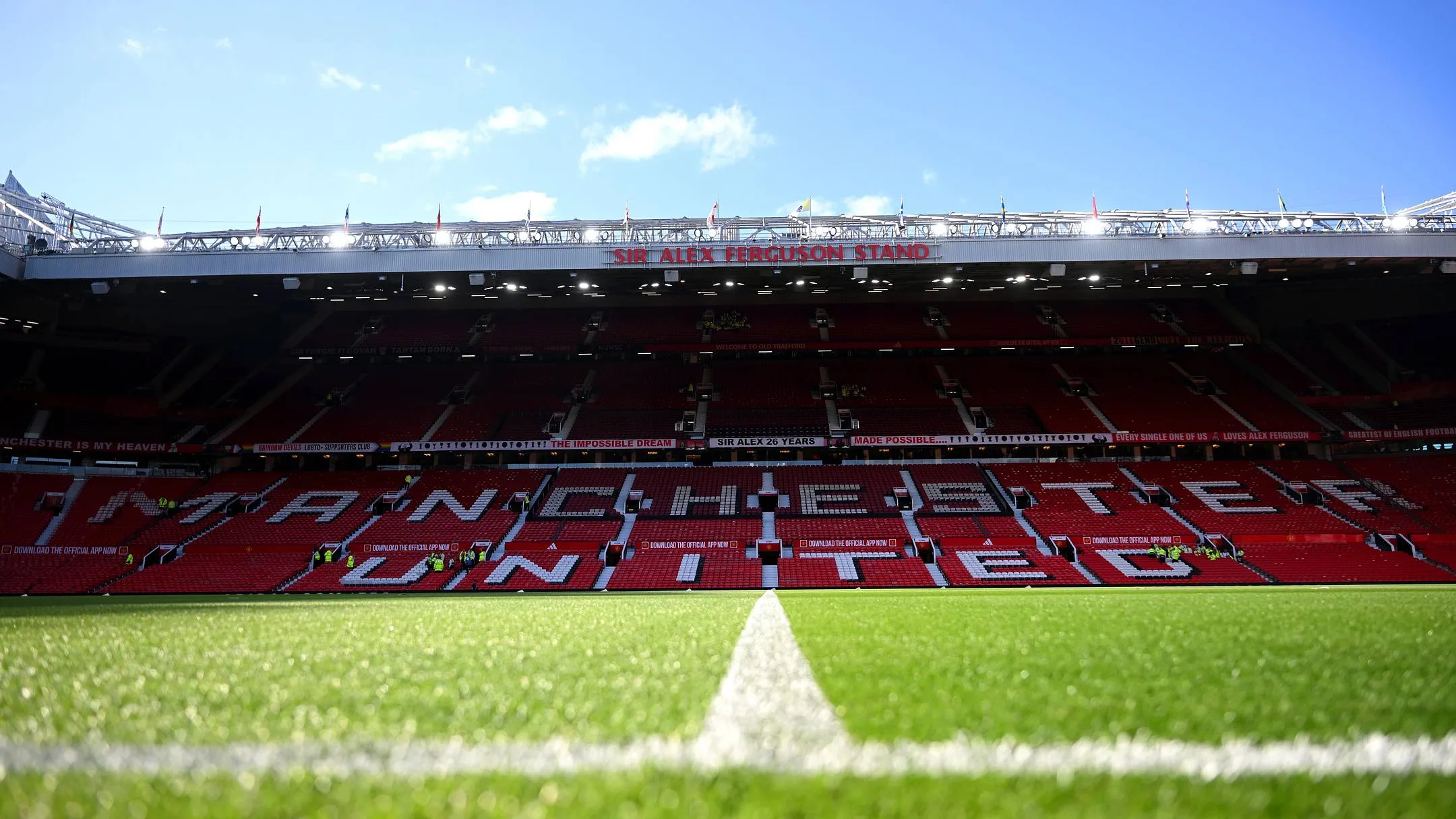
Manchester United have confirmed they have acquired a 25-acre site located 350 metres north-west of Old Trafford that will form the base for a proposed new 100,000-seater stadium. The club said the purchase moves the project into a new phase and provides the physical footprint for work that remains at the planning stage.
“Today’s news highlights the progress we’re making towards a world-class new home for Manchester United and represents a significant milestone as we move into the next phase of development.” said Stadium Development CEO Collette Roche.
“Being able to build so close to Old Trafford allows us to preserve the heritage, traditions and rituals that are so important to our fans. We are committed to building a world-class stadium with our supporters, not just for them, with atmosphere, affordability and accessibility at the heart of our thinking.
“This is a generational opportunity that is fully aligned with both local and national growth ambitions. Securing the right land for our new home has been absolutely critical, and the land we’ve acquired gives us the stage to deliver a truly world-class stadium that honors our past and is ready for our future.”
United added that the wider plans include an extensive regeneration programme. The 370-acre regeneration project is expected to deliver around 15,000 new homes, including affordable housing, create 48,000 new jobs locally and over 90,000 nationally.
No formal construction timetable has been confirmed and planning is ongoing. Roche has previously pointed to the 2032–33 season as a potential target for a formal move away from Old Trafford. For now the club says securing the site is a critical step towards delivering a stadium intended to combine scale with retained local identity and new wider economic investment.




Fulham
Bassey talks at Fulham complicate United’s January plans
Fulham’s contract talks with Calvin Bassey have complicated Manchester United’s January transfer plans.
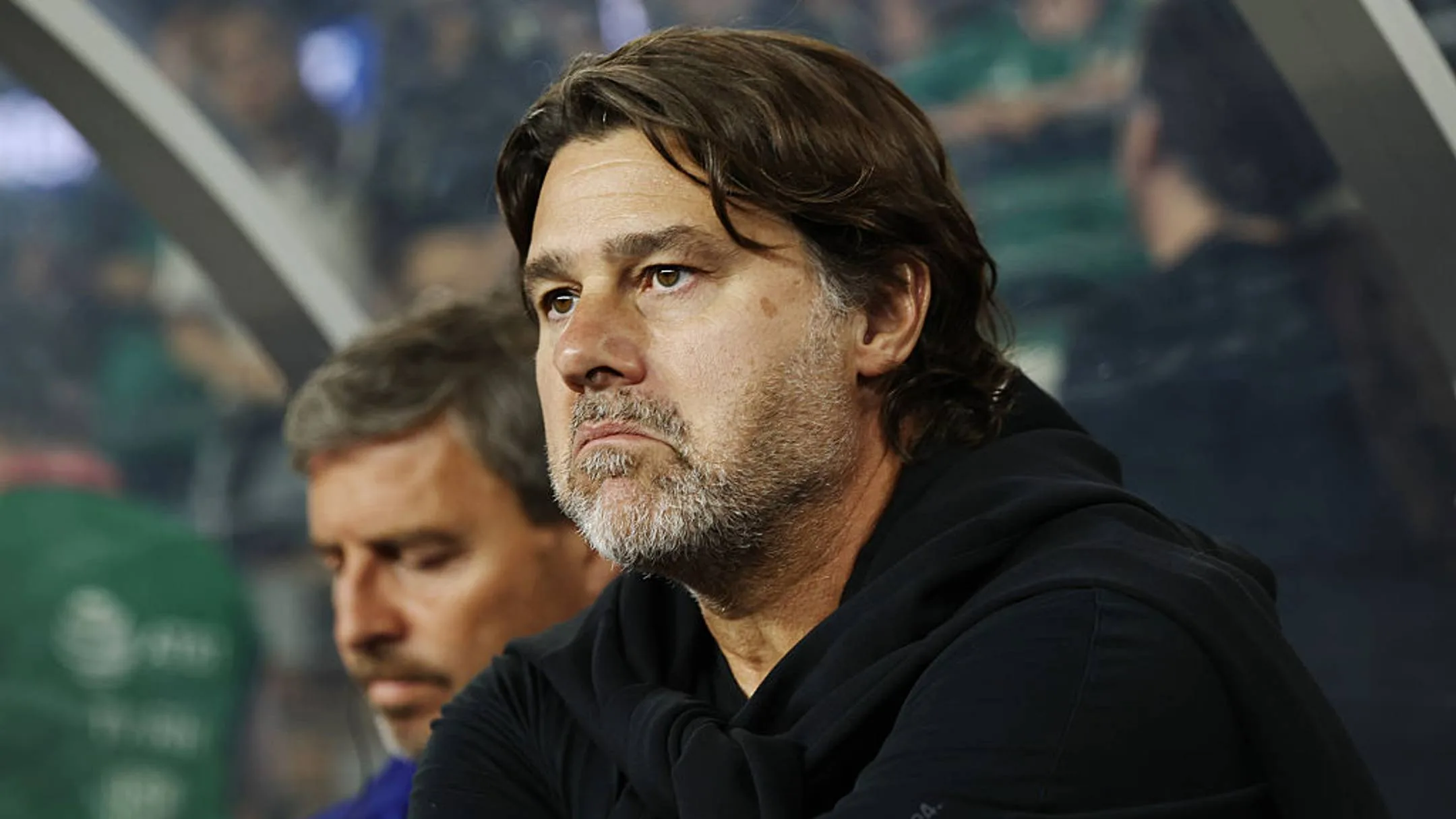
Manchester United’s pursuit of Calvin Bassey has been put under pressure after Fulham opened talks over a new contract for the defender.
Bassey is due to be out of contract next summer, although Fulham hold an option to extend his deal for a further year. The Athletic first reported that the club want him to commit his future, and Álvaro Arbeloa later confirmed that stance before Fulham’s meeting with Manchester City.
“We are talking with him because we want to extend his contract. Like I said, he is very important for us and we are happy with him and I think he is happy with us,” Arbeloa said. “We will see what happens with Calvin in the future, but of course we are happy with him. We want to sign a new contract and we want to grow as a team and we want that Calvin helps us to grow and we will see.
“Of course in January we are not thinking about selling players.”
The defender has become a central figure at Craven Cottage, taking on the captain’s armband and starting all 10 of Fulham’s Premier League matches. His influence has only increased with each performance, and his mix of pace, power and technical quality has made him an appealing target for the Red Devils, with others also likely to be watching.
Arbeloa was equally direct in his praise. “From the first day that I arrived and I saw how good he is, I think he is one of the best center backs in the world, so it’s normal,” he said. “There are so many things that Calvin wants, that for me is normal. Maybe there are rumors, but I am not worried about that because I am really happy with Calvin.
“I think Calvin is really happy here. He is so important for us. He is one of our leaders. I hope he will be with us for many years.”
United are understood to be considering two other Premier League centre backs as well, with Brentford’s Nathan Collins and Everton’s Jarrad Branthwaite also on the list. Branthwaite has long been linked with Old Trafford, but a long-term hamstring injury that kept him out for most of the 2025-26 campaign damaged United’s chances of moving for him.
Analytics & Stats
Premier League after 10 games: the questions that still shape the season
After 10 games, the Premier League has clearer patterns, but several major questions remain unanswered.
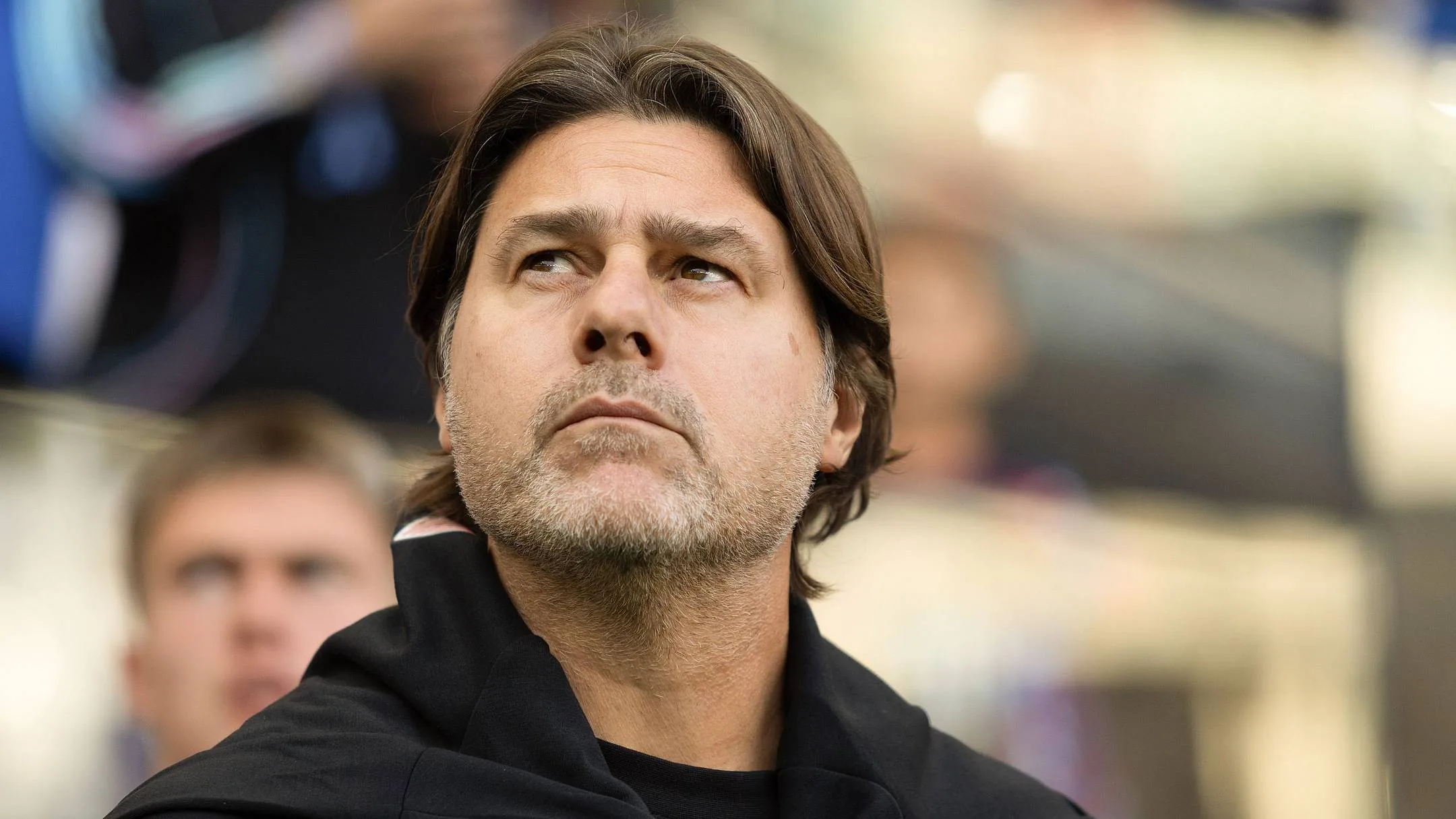
Ten matches into the 2026/27 Premier League season, the broad lines of the campaign are beginning to emerge. Yet with domestic football returning after the November international break, there is still no shortage of unanswered questions across the division.
At the top, Mikel Arteta is handling the kind of dilemma managers usually welcome. Ezri Konsa is in form, William Saliba is back, and the decision between them comes as key fixtures against Manchester City, Brentford, Spurs and Manchester United move into view. Konsa offers strength in duels, while Saliba brings the option of a higher line.
Aston Villa’s six-match unbeaten league run has kept them moving, but it has not been fully convincing. Unai Emery’s side have too often been drawn into frantic, open games and have not controlled them well enough. Their numbers reflect that, with Villa 15th for average possession and third for times dispossessed.
Bournemouth continue to stand out. Only Paris Saint-Germain and Real Madrid have also won their last eight matches across Europe’s big five leagues. Marco Rose’s side are Opta’s favourites for the Europa League and have not allowed European commitments to disrupt their domestic form. Evanilson, Marcus Tavernier and Rayan are operating as a dangerous front three, with Eli Junior Kroupi set to return to the mix.
Brentford are sharing goals, but Thiago is not reproducing the level he reached last season, despite getting into dangerous positions. Brighton, meanwhile, are making a more serious case by the week. They are the only side to beat Arsenal this season, they are the league’s top scorers and they are doing it with confidence and verve.
Elsewhere, Chelsea still need to find the right place for Estêvão, Coventry need points rather than encouragement, Palace are adjusting to Thomas Frank, Everton are stretched by a 21-man squad, Fulham still need a finisher, Hull remain limited, Ipswich keep making errors, Leeds need more from Wilson, Liverpool’s midfield is unsettled, and City’s three straight defeats have raised difficult questions. Newcastle, Forest, Sunderland and Spurs also carry significant concerns into the next phase of the season.
Chelsea
Juan Mata ends career with a brief farewell that fits his style
Mata’s career ended with quiet dignity, from Chelsea glory to Manchester United service.
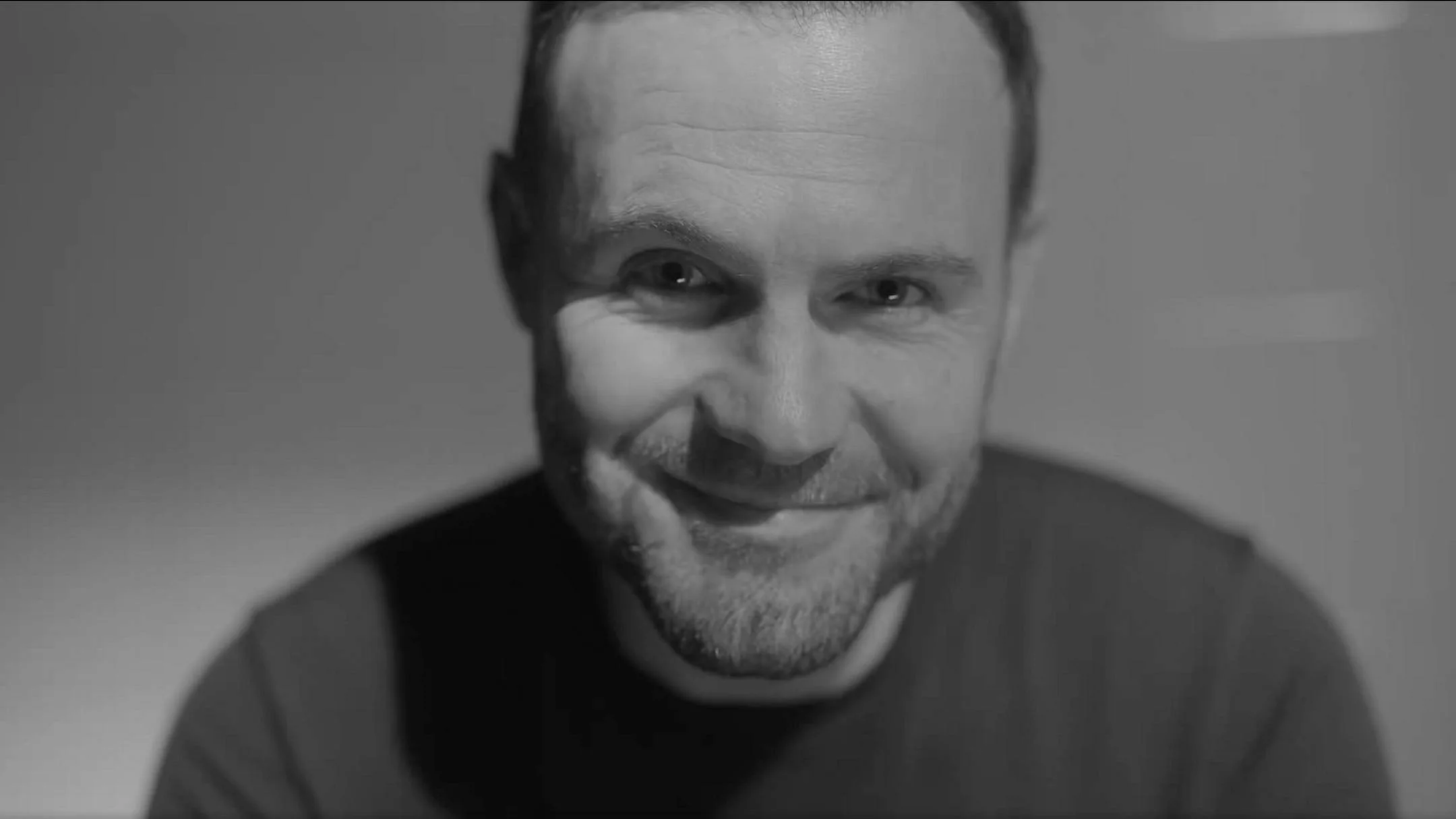
Juan Mata has closed the book on a long career with the kind of restraint that defined much of it. Rather than stretching for a grand goodbye, the former Spain, Chelsea and Manchester United attacker chose a short line to mark the moment: “Sometimes, to love… is to let go.” He followed it with an equally simple sign-off: “Thank you, football.”
There was no extended reflection on the World Cup or European Championship medals he won with Spain, and no lengthy tribute to his part in Chelsea’s first Champions League triumph. Even the winding path of his later years, which took him to Türkiye, Japan and Australia, was left unpicking itself in silence.
Mata’s Premier League story was unusual, but often memorable. He spent nine different seasons at Manchester United, yet the peak of his English career may well have come in 2.5 years at Chelsea. After arriving in 2011 from Valencia, where he had already built a reputation as one of La Liga’s most inventive midfielders, he adapted quickly to English football.
His slight frame did not hold him back. Before scoring on his debut against Norwich City, Mata made clear he was not a conventional winger. He said: “I am not an old-style winger stuck right out on the wing and limited to running at people and getting crosses in.”
He became one of the faces of a technical shift in the Premier League after Spain’s 2010 World Cup triumph, alongside players such as David Silva and Santi Cazorla. Mata described his game simply: “I like to drop inside and get between the lines,” he explained. “I tend not to try to take people one on one; I believe in movement, interchange and being vertical.”
That approach brought rewards. He was voted Chelsea’s Player of the Season in each of his two full campaigns there, and delivered key contributions in the Champions League final and the Europa League final in back-to-back summers.
His Chelsea career changed when José Mourinho arrived in 2013. Mata would later move to Manchester United in 2014, remain an important player under Louis van Gaal, and eventually work with Mourinho again in 2016. Reflecting on that later spell, he said: “One of the things I’m most proud of is that, when we met again in Manchester years later, I was able to stay at Old Trafford and be important for Mourinho there.”