Premier League
Inside the Seven Highest-Paid Footballers on Forbes’ 2025–26 List
Forbes’ 2025 list shows seven soccer stars among the top earners, led by Ronaldo and Messi. 2025/26.

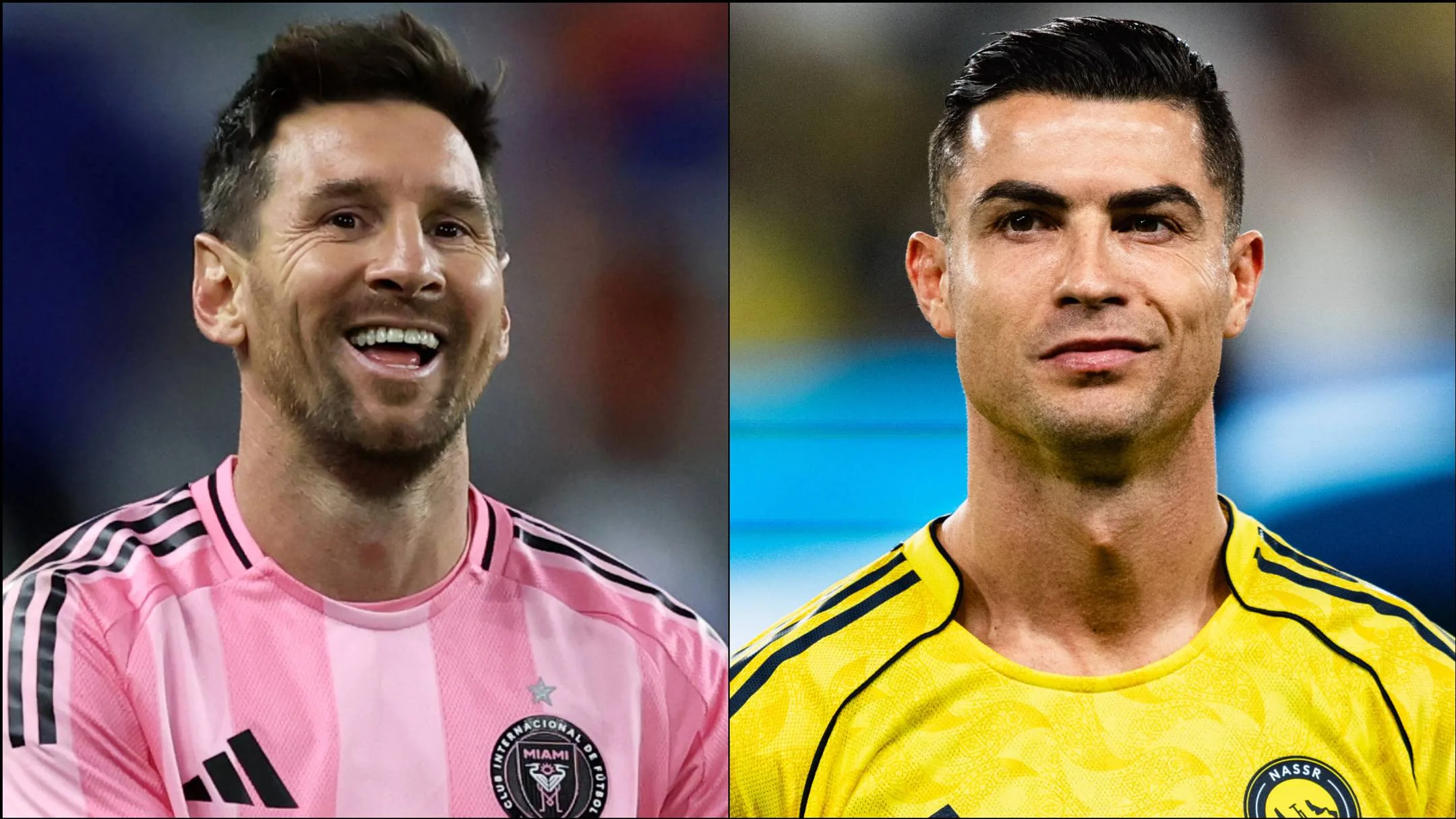
Forbes’ annual earnings survey for the period May 1, 2025 to May 1, 2026 places seven footballers among the world’s 50 highest-paid athletes. Soccer accounts for seven entries on that list, two fewer than the number of NFL players featured and far fewer than basketball, which has 19.
At the top of the sport, Cristiano Ronaldo leads all athletes with $300 million in total earnings. Around $235 million of that came from his contract with Al Nassr, with $65 million from endorsements, including deals with Binance, Herbalife, Lego, Nike, Therabody and Whoop. Forbes’ breakdown equates his Al Nassr income to roughly $5.77 million per week, $822,000 per day, $34,000 per hour, $566 per minute and about $9 to $10 per second.
Lionel Messi is second among footballers and third among all athletes with $140 million. His income is split roughly evenly between Inter Miami and off-field earnings. His endorsement portfolio includes adidas, PepsiCo, Anheuser-Busch InBev, Apple, Beats by Dre, Epic Games, Hard Rock Cafe, Lowe’s, Mastercard and Panini. He also owns a clothing line, a beverage brand and a hotel chain.
Karim Benzema is a surprise top earner at $104 million, with about $100 million from Al Hilal and the rest from endorsements, primarily through adidas.
Kylian Mbappé earned $95 million, with around $70 million from Real Madrid and $25 million from endorsements including Dior, Electronic Arts, Hublot, Nike, Oakley and Sorare.
Erling Haaland is the highest-paid player in the Premier League with $80 million, of which approximately $60 million came from Manchester City and $20 million from brand deals such as Beats by Dre, Breitling, Dolce & Gabbana, Electronic Arts, Marriott International, Midea, Nike, Supercell, Unilever and Visa.
Vinícius Júnior earned $60 million, mainly from a Real Madrid contract worth about $40 million and $20 million in sponsorships. Mohamed Salah rounds out the seven with $55 million; roughly $35 million came from wages and bonuses at Liverpool and $20 million from endorsements including adidas, Pepsi and Vodafone.
These figures underline football’s commercial reach across contracts and sponsorships during the 2025–26 evaluation window.




Liverpool
Florian Wirtz under scrutiny after slow start at Liverpool
Wirtz arrived with huge expectations, but his Liverpool impact has so far fallen far short.
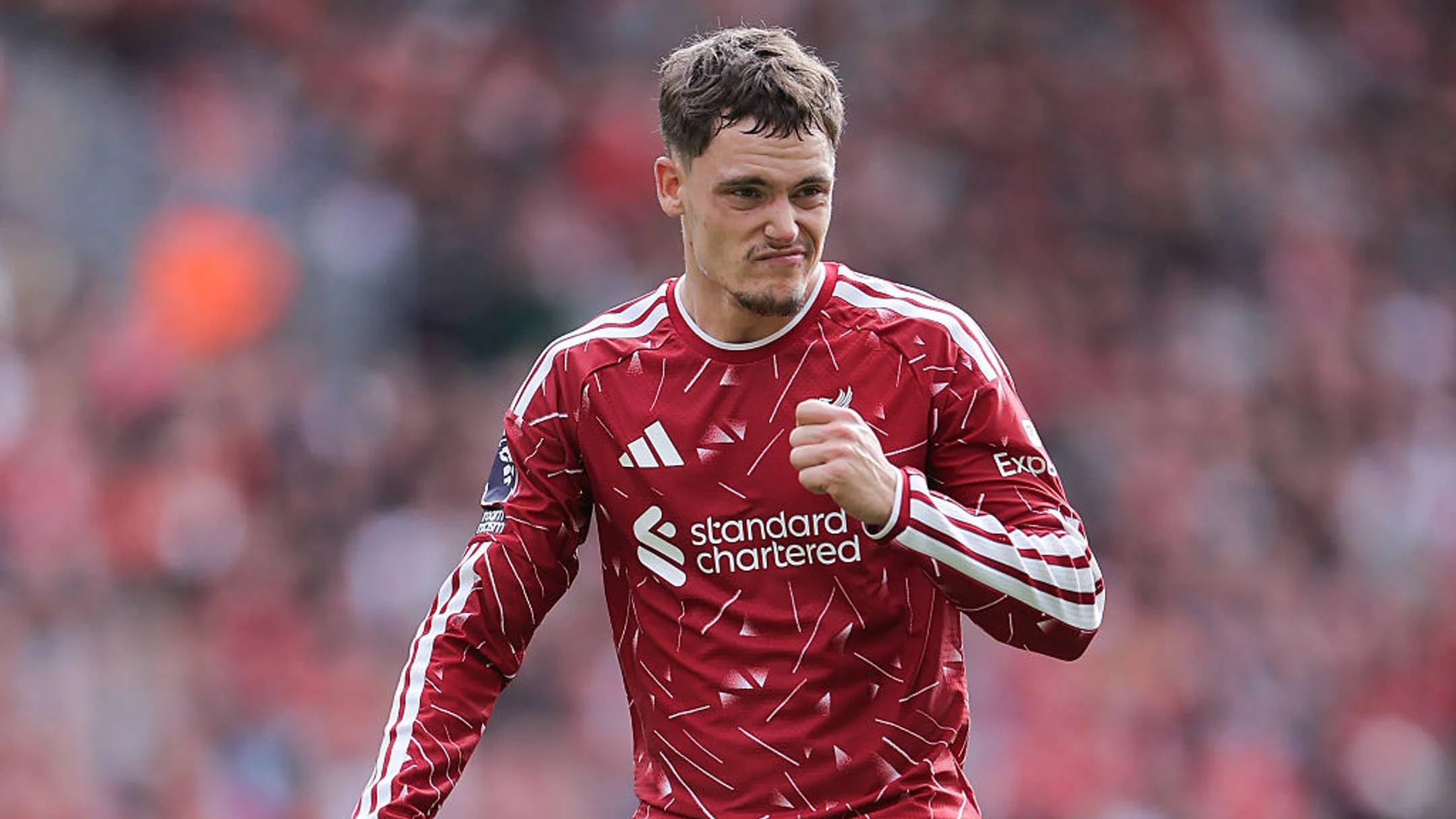
Florian Wirtz arrived at Anfield with a reputation that bordered on untouchable. Jürgen Klopp described him as a “once-in-a-century talent.” Liverpool backed that belief with a $159 million move as part of their rebuild before the 2025-26 campaign, expecting him to help drive the club into a new level under Arne Slot.
So far, though, the story has not matched the scale of the investment. At 23, Wirtz has often failed to influence Liverpool when they have needed him most, and his performances are being judged more harshly with each passing week.
The logic behind the signing was obvious. At Bayer Leverkusen, Wirtz produced numbers that made him one of the most coveted players in Europe. Under Xabi Alonso, he developed from highly rated prospect into a major attacking force. His 37 goal involvements in 2023-24 helped Leverkusen to a domestic double and a place in the Europa League final. He followed that with 30 more contributions the next season, reinforcing his consistency.
Liverpool were not alone in pursuing him. Real Madrid and Manchester City were also interested, while Bayern Munich were left frustrated by a rare failure to land one of the Bundesliga’s standout talents. Wirtz, however, only wanted Liverpool.
The adaptation has been difficult. Liverpool’s decline under Slot, the struggles of those around him and the usual adjustment to a new league can all be cited as factors, but his output has still fallen well short of expectations. It took two months for him to record a goal or assist in a competitive match, before a pair of assists against Eintracht Frankfurt. He then waited another two months for his first Premier League goal involvement, an assist against Tottenham Hotspur.
That moment sparked a brief upturn. Before February, he added six goals and two assists and won Liverpool’s Player of the Month award in January. But the form did not last, and over the final four months he managed only one goal and two assists.
The World Cup offered another chance to recover rhythm, and his return of three assists was tempered by Germany’s shock early exit to Paraguay. With an extended preseason under Andoni Iraola, progress was expected, yet the early signs remain modest. He leads Liverpool for ground covered, but has only one assist in his opening six league matches.
Public backing from Iraola and Klopp has not stopped the criticism, including from Jamie Carragher, who said: “That was one of the poorest I’ve ever seen him in a Liverpool shirt,” and added: “The reason I worry is, I don’t think Wirtz is in poor form since he came to Liverpool. I actually think what we’re seeing is what he is.”
Wirtz remains a gifted technician, but the Premier League has so far restricted his impact far more than Liverpool expected.
Manchester United News
Manchester United’s turf sale shows where priorities still lie
United’s sale of turf cubes underlines how commercial logic still shapes the club’s decisions.
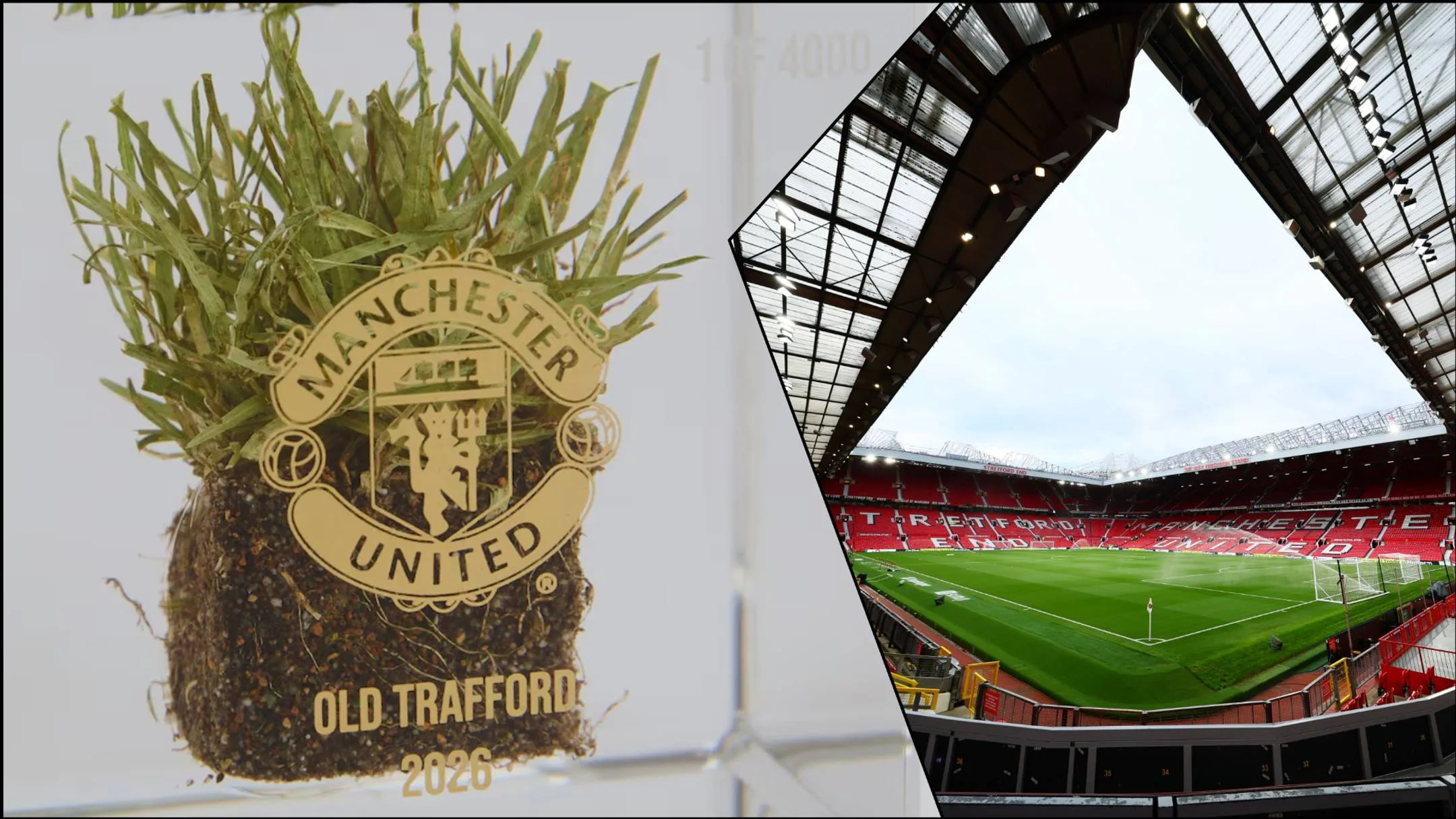
Manchester United have once again reminded observers that the business never sits far from the football.
Louis van Gaal had already warned Erik ten Hag against taking the Old Trafford job in 2022, describing the club as “a commercial club” and adding, “He’d better go to a football club.” Ed Woodward, meanwhile, offered a blunt explanation of the model during his time in charge, insisting that “Playing performance doesn’t really have a meaningful impact on what we can do on the commercial side of the business.”
Sir Jim Ratcliffe’s arrival in 2024, with control over sporting matters, was presented as a change in direction. Yet the club’s recent job cuts have underlined how hard it is to separate football decisions from financial ones at a listed company. Ratcliffe also said United would have gone “bust at Christmas” without his intervention.
That austerity has extended to recruitment, with spending concentrated on one area of the pitch at a time. In 2025, the attack was refreshed, while this summer the midfield was rebuilt cheaply and without other major additions. With Premier League spending capped by revenue, selling players remains the fastest route to raising funds.
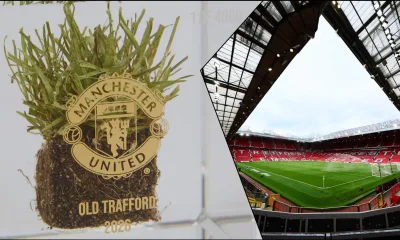
Now United have added a more unusual source of income. Supporters can buy a 2.8-inch cube of turf preserved in acrylic for £125 ($166), complete with a black case and an image of the pitch on the inside panel. The club relaid its pitch this summer for the first time in 14 years, giving the latest sales idea an oddly specific backdrop.
It also arrives 13 years after Sir Alex Ferguson retired, a moment that marked the start of a long decline into mediocrity. In that sense, the latest commercial venture feels entirely consistent with the club’s modern identity. In fairness, United are not the first to monetise the grass. If anything, the draft suggests they have not been ruthless enough.
Chelsea
Joao Pedro explains why he stayed with Chelsea despite Arsenal and Barcelona interest
João Pedro has explained why he ignored Arsenal and Barcelona to commit his future to Chelsea.
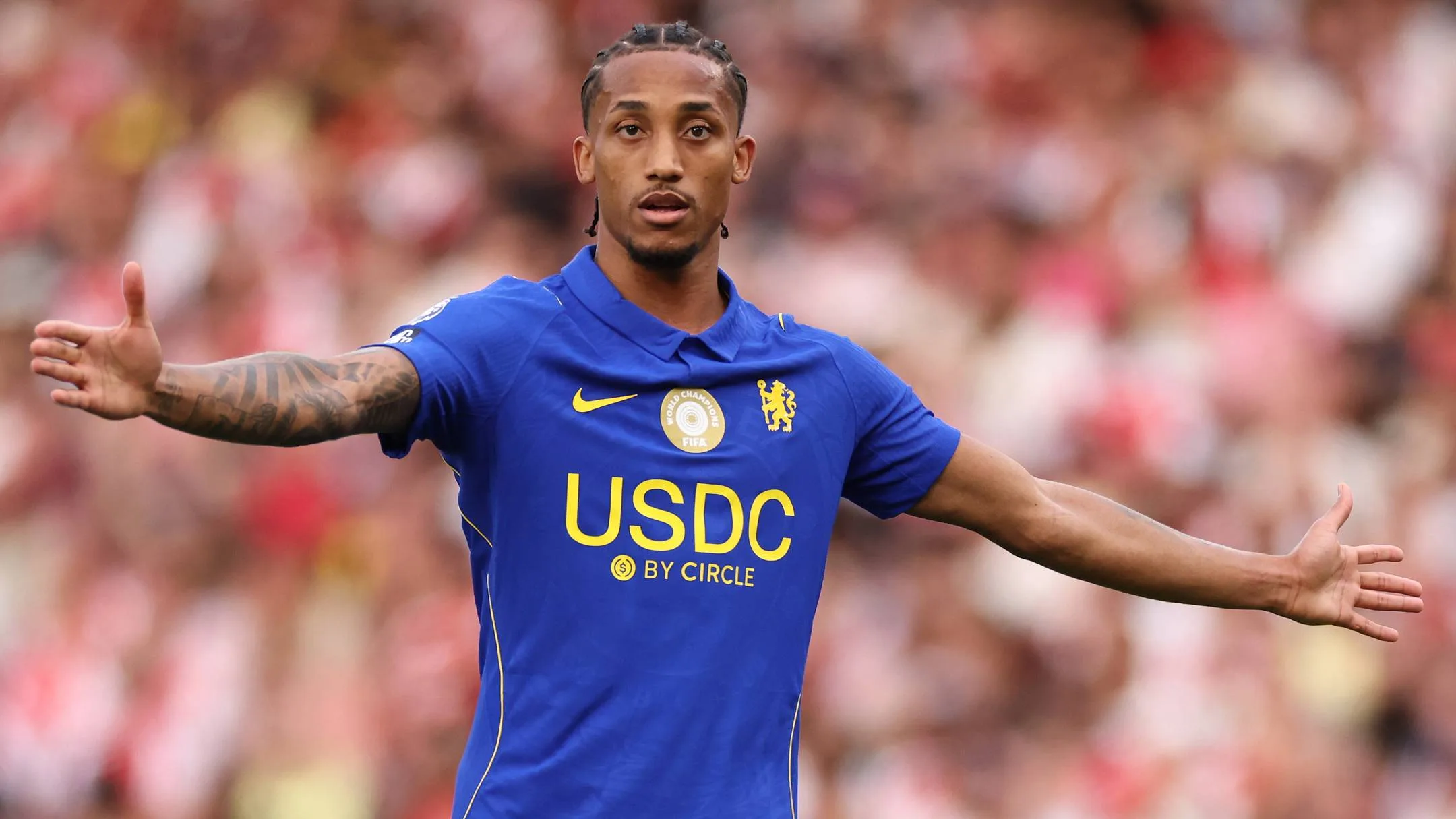
João Pedro has set out why he committed his future to Chelsea, despite strong summer interest from Arsenal and Barcelona. The forward said his decision was driven by belief in the club’s direction, even with rival options offering immediate appeal.
In a market short of proven centre forwards, Pedro became a target for several elite sides. Arsenal and Barcelona were both linked with the 24-year-old, viewed by each as an alternative to Julián Alvarez, who was not expected to leave Atlético Madrid. On paper, the chances elsewhere looked attractive, especially with Chelsea heading into a season without European football.
Pedro chose otherwise and signed a new contract that keeps him at Stamford Bridge until 2034. Reflecting on the decision on LinkedIn, he explained the thinking behind it in detail.
“For me, making a decision like this comes down to more than what is happening in the moment,” Pedro would explain on LinkedIn after letting his decision settle. “It’s about looking at where you are, what you still want to achieve and whether the environment around you is helping you get there.
“I think there is a lot to consider when deciding whether to stay or take on something new Progress doesn’t always mean choosing something different. Sometimes it’s recognizing when you’re surrounded by the right people, still learning, still being challenged and still excited by what you’re building together.
“I believe in where this club is going, I believe in the people around me and I want to be part of what comes next. That’s why I’m so proud to have committed my future to Chelsea and to continue this journey with the club.”
The early signs suggest Chelsea have preserved a major asset. Pedro has already delivered a league-high six direct goal contributions in four appearances, with three goals and three assists.
His absence was felt before the international break, when Chelsea were held in check by Brentford without their No. 9. Beyond the numbers, Pedro has given the team a clear focal point, and the comparisons with Karim Benzema reflect the balance and influence he brings to the side.