Manchester United
Rooney details darkest period of his career and the help that followed
Rooney reflects on alcohol, therapy and the support that helped him through a dark spell.

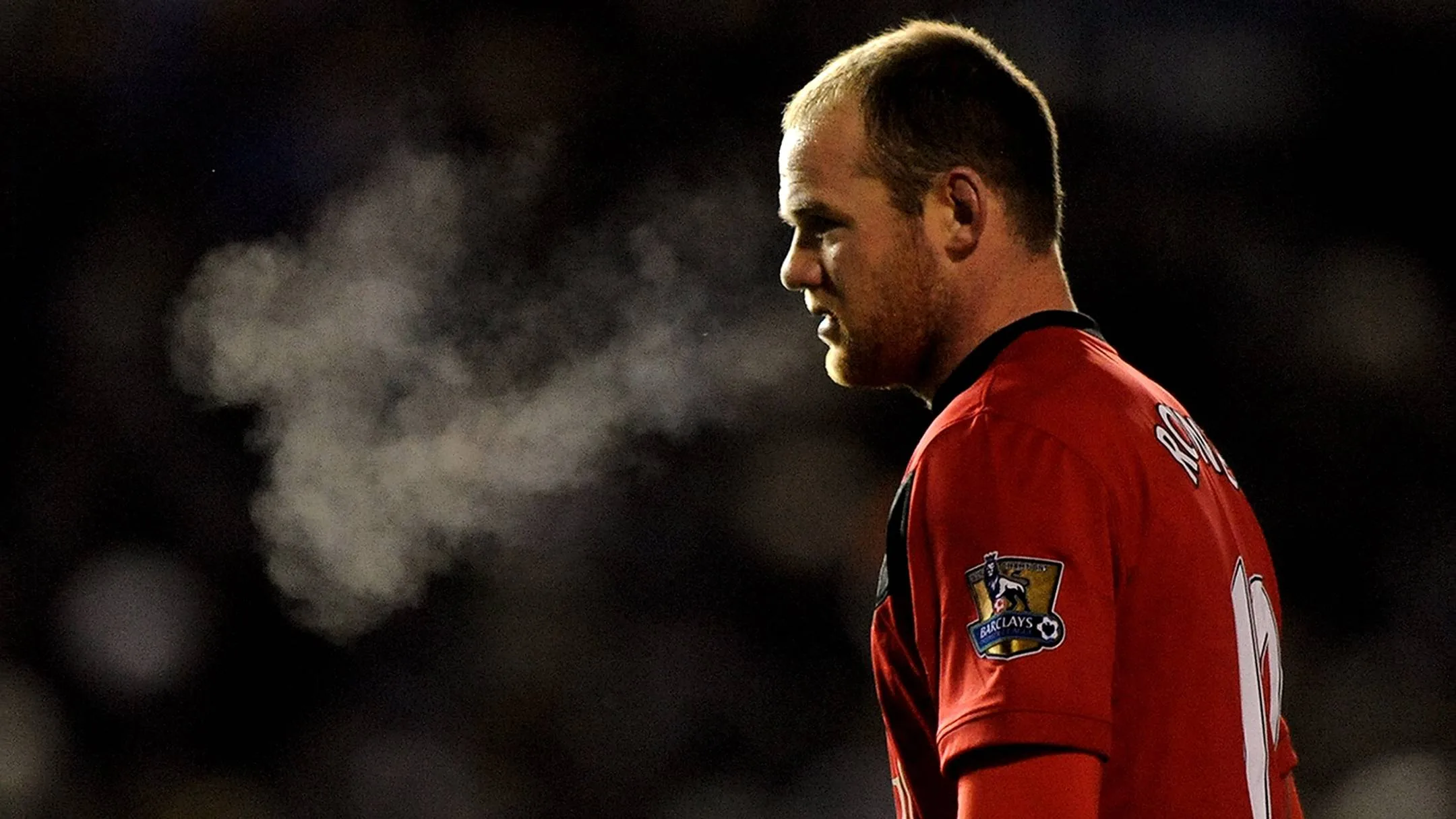
Wayne Rooney has spoken candidly about the most difficult spell of his life, describing a period during his Manchester United peak when heavy drinking left him close to suicide and in need of professional support.
The former England captain, whose playing career brought him record-breaking success at United, said the contrast between his on-field status and off-field struggle was stark. In November 2009, only months after United secured a third straight Premier League title, Rooney and Coleen welcomed their first son, Kai.
“I look back, I was probably at the height of my career, I’ve just had a young son, I’ve just been married,” Rooney reflected to Gabby Logan on her podcast, Life at the Midpoint .
He linked that period directly to alcohol. “When I was drinking, I would lock myself in my house for two days and just drink,” he revealed. “This is probably in my best part of my career playing wise.
“I can look back and say I was selfish, but I knew I was going through something which I was really struggling to deal with. Then I didn’t want Kai seeing me like that, so that’s why I’d hide away as well.
“I got to a place where you’re contemplating suicide. You just didn’t want to be around anyone. I didn’t want to see people in the streets. I didn’t want to go into shops. I was always comfortable on a football pitch, but everything else [I] really struggled with it.”
Rooney said he spoke to a therapist while trying to understand what was happening to him, and admitted the fear of appearing vulnerable made it harder to ask for help. “You don’t want to show any weakness, so you try to mask it,” he outlined. “Even though I knew the position I was in, it was difficult to actually admit that I was in that position because I felt like you feel less of a man if you like for doing that.”
He also credited Coleen for standing by him. “Coleen helped me massively,” he said. “She could have walked away, it was that bad, but she stuck by me and helped me get through it.”




Manchester United
Berrada Defends United Hierarchy as Pressure Mounts on Underperforming Season
Berrada accepts fair criticism but says United’s focus remains on results and titles.
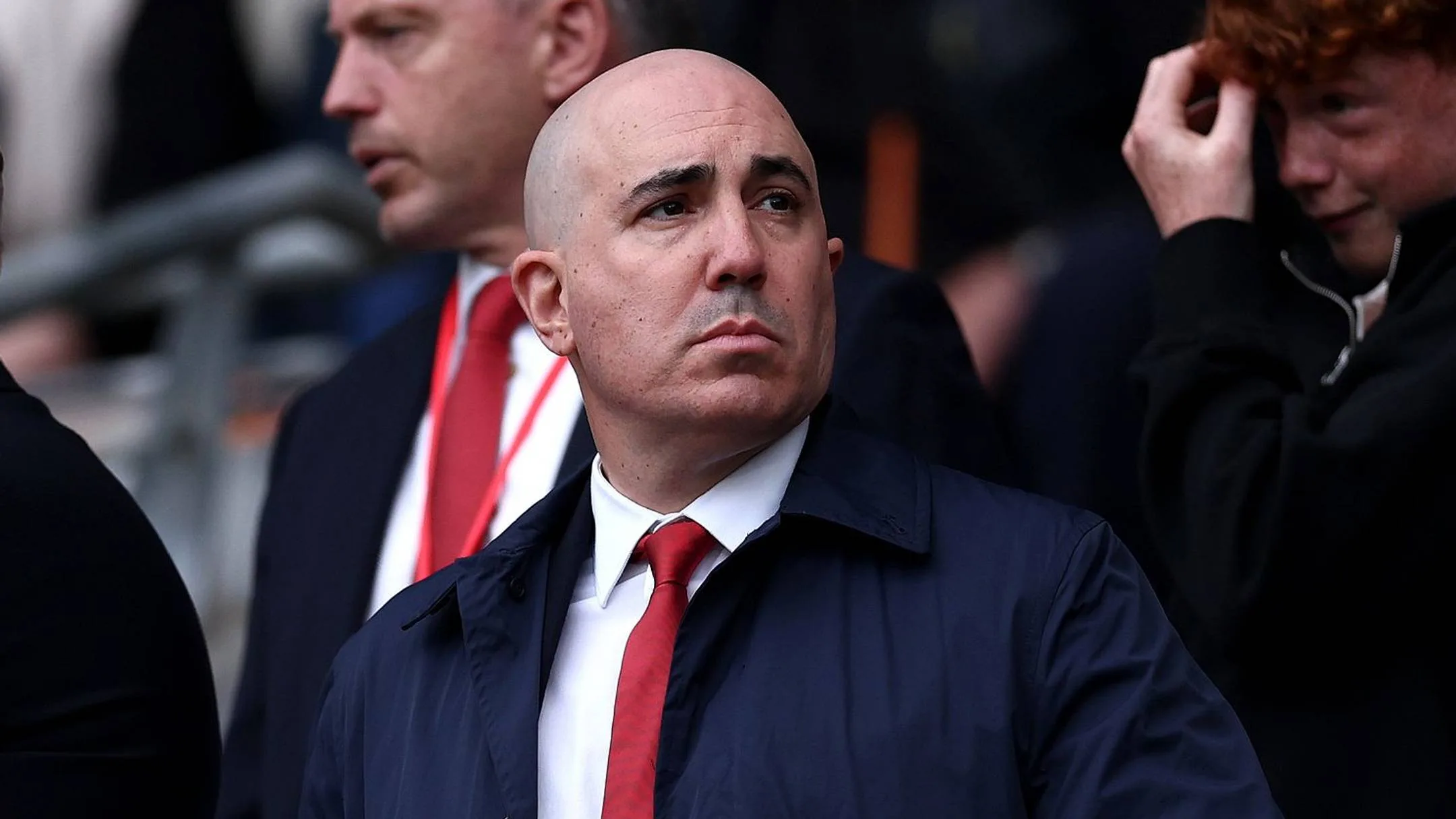
Manchester United chief executive Omar Berrada has acknowledged that much of the criticism aimed at the club’s hierarchy has merit, while also arguing that some comments have gone too far during a difficult start to the 2026/27 season.
Speaking to Sky Sports, Berrada said the scrutiny around the club is part of the job, but stressed that responsibility extends across the entire structure, from executives to coaches and players. He accepted the frustration from supporters and insisted the club’s focus must remain on lifting results and restoring standards.
“We take the criticism,” Berrada said. “A lot of it is fair. It is our responsibility to run the club. Yes, coaches have a very important role to play. Players, of course, have to perform at the highest level consistently for any coach really, because they’re part of a club that when you’re wearing the shirt, you have an enormous amount of responsibility. And that responsibility means that you have to be giving your best every day in training, in the matches. And that’s the same for executives.
“So I understand the frustration from the fans. It’s absolutely normal. My commitment is that we’re going to do everything we can to make sure that we put ourselves in a position where we’re competing to win titles consistently.”
He also addressed the internal fallout from the club’s difficult spell, including criticism from Lisandro Martínez directed at sporting director Jason Wilcox. Berrada said the debate around the club should not be about individuals, but about producing better performances.
On the decision to dismiss Carrick after only three months, Berrada described it as painful but necessary. He pointed to last season’s strong end under the coach, but said the current campaign had not met expectations and required action before the November international break.
“It was a very difficult decision to be honest,” Berrada admitted. “Especially given the affection everyone at the club has for Michael. When he took over the team last season, they did very well under him. They were playing some really good football, winning important matches. We qualified for the Champions League and finished third.
“We felt at the time he’d earned the right to continue leading the team. So when we started the season, it’s clearly been a lot more difficult than we expected. The results haven’t been good enough. I think we’ve dropped off in many areas
“We wanted to give ourselves until the November international break to really take stock of what was happening with the team, what were the areas that needed to be improved. And in the end, we took the decision to make a change of coach.
“Unfortunately, sometimes when you’re in the middle of the season, that’s the one decision that you can make that can provoke a reaction, that can provoke a change in the dynamic. So that’s why we had to take the decision”
With Pochettino now in charge, Berrada believes the new manager can steady the situation. He said the Argentine has already brought energy, clarity and ambition, and that his arrival has created a fresh atmosphere around the club as United try to recover from a troubled start.
Manchester United
Manchester United Squad Review: Pochettino’s Keep, Bench, Sell Calls
Pochettino’s United rebuild starts with hard calls on keepers, bench players and those to move on.
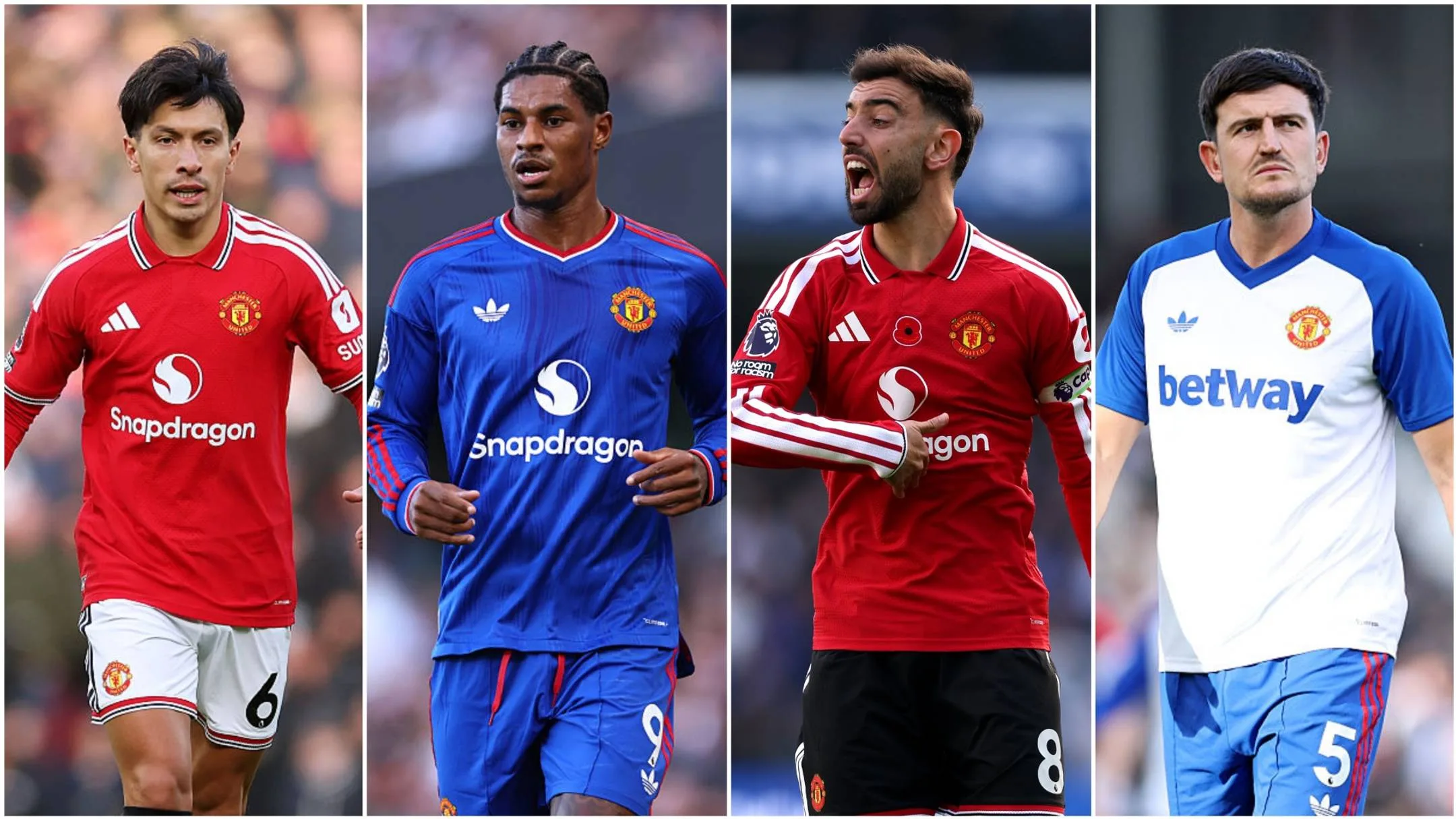
Mauricio Pochettino has arrived at Manchester United with a clear immediate challenge: steady a side that slipped into the relegation zone earlier this month. The recruitment picture around him is uneven. Forwards were the focus in 2025, midfielders were addressed this past summer, and the defense, which has caused the biggest problems, remains short of solutions. At least three starting-level defenders are still needed in 2027, although January looks unlikely to provide much relief.
Pochettino will not control every personnel decision, but his voice should matter. With that in mind, the squad splits neatly into three groups.
In goal, Senne Lammens stays as the long-term option, while Karl Darlow is better kept as a bench presence and Tom Heaton may be ready to step away from playing altogether. At fullback, Diogo Dalot and Patrick Dorgu can remain useful squad pieces, but Noussair Mazraoui looks sellable. The same applies to Matthijs de Ligt, who is only just back from injury and may still hold value. Harry Maguire has a role, though not as a regular starter.
The left side brings another difficult call. Lisandro Martínez should go, while Luke Shaw and Ayden Heaven are best viewed as bench options. Harry Amass also falls into the sell category.
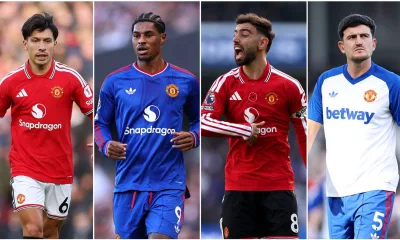
In midfield and attack, the picture is mixed. Mason Mount and Marcus Rashford should be moved on, while Bruno Fernandes remains essential for now and can still be extended. Matheus Cunha, Bryan Mbeumo, Carlos Baleba and Kobbie Mainoo are all keepers. Andrey Santos, Youri Tielemans, Manuel Ugarte, Joshua Zirkzee, Amad Diallo and Tyler Fletcher are all better used as squad depth.
The underlying logic is simple: keep the core, retain useful rotation, and accept that several names no longer fit the level United want to reach.
Manchester United
Pochettino backs Fernandes to remain Manchester United captain
Pochettino says Fernandes stays captain as United begin a new chapter under their new manager.
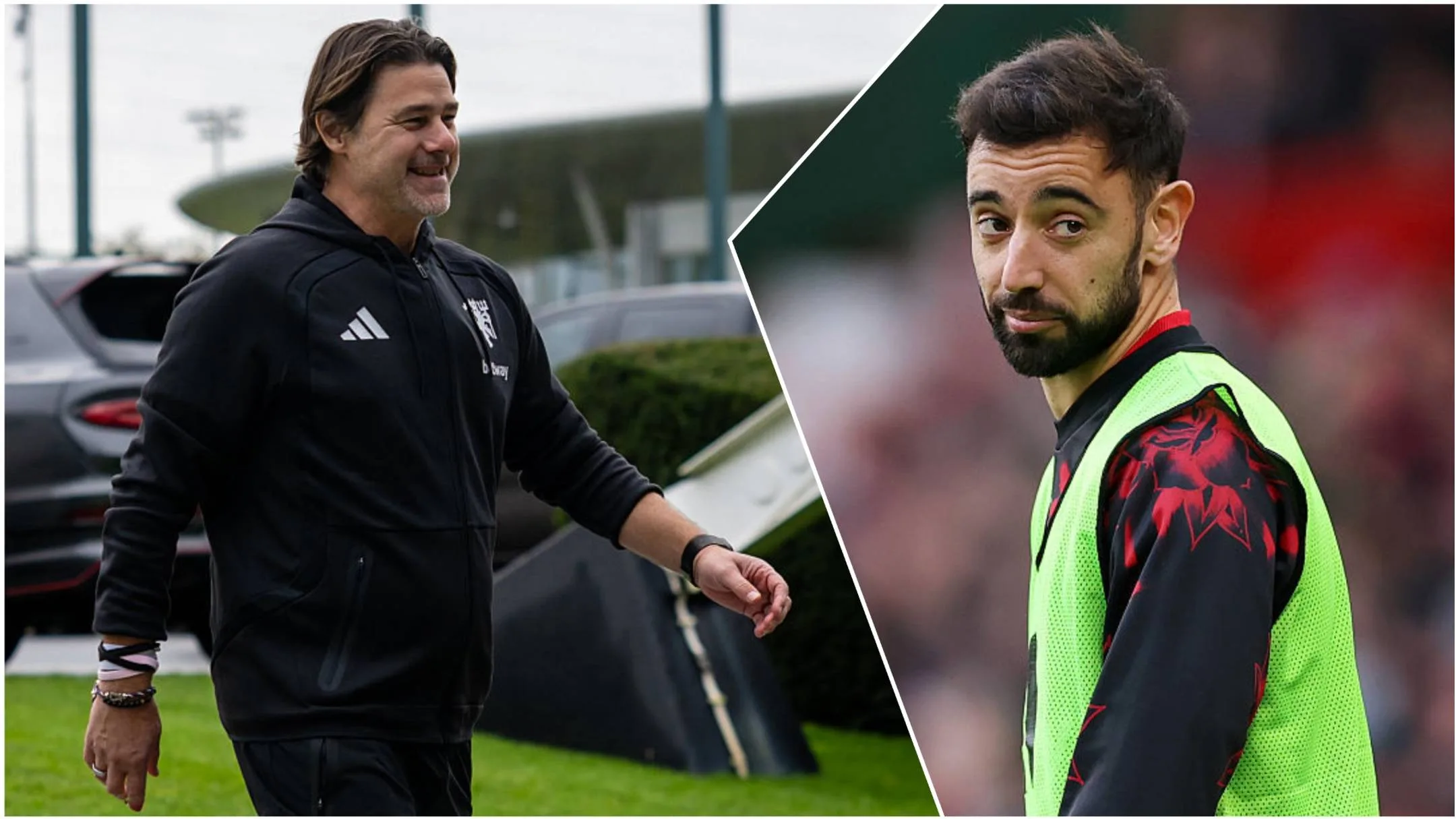
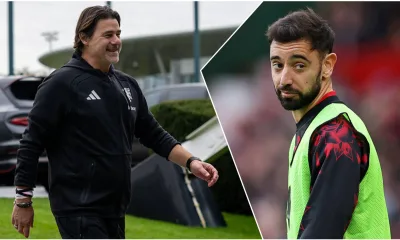
Mauricio Pochettino has made his first major decision as Manchester United manager clear, confirming that Bruno Fernandes will stay on as club captain.
There had been uncertainty over how long that arrangement would last after Fernandes was left out of the 3-0 defeat to Bournemouth on October 3, following his criticism of the tactics used in the heavy Champions League loss to Como earlier that week. He was later brought back into the side and restored as captain under Carrick, but questions around his future have continued because of his contract situation.
Reports earlier this month suggested Fernandes turned down a second offer of a new deal. His current contract runs until June 30, 2027, although United retain the option to extend it by a further year until the summer of 2028. During the international break, he also replaced the newly retired Cristiano Ronaldo as Portugal captain.
It was a question about his contract that led Pochettino to address Fernandes’s leadership role. The manager did not directly engage on the contract issue, saying: “We will have time after to talk about Bruno[’s contract]”. But he was firm about the captaincy.
He opened by praising the “commitment of all the players,” before specifically naming Fernandes.
“Bruno is our captain and is a very important player. But all the players need to feel they are important, from the top to the bottom, or the bottom to the top,” Pochettino explained.
He also described his initial meetings with the squad, adding: “We were chatting yesterday, I spent three hours chatting individually in my office with all the players—maybe I missed some injured players but we will talk with everyone.”
“It was very nice contact,” he added. “It’s important [to listen to] the players, what they need to say, to understand the place they are—not only on the field, what is going on [off the field]. Then [we had] some collective conversations, some meetings but very focused for Sunday.”