Manchester United
Manchester United’s injury list grows as Mazraoui added to the setbacks
Mazraoui’s injury adds to United’s growing list during the international break, with 11 players now sidelined.

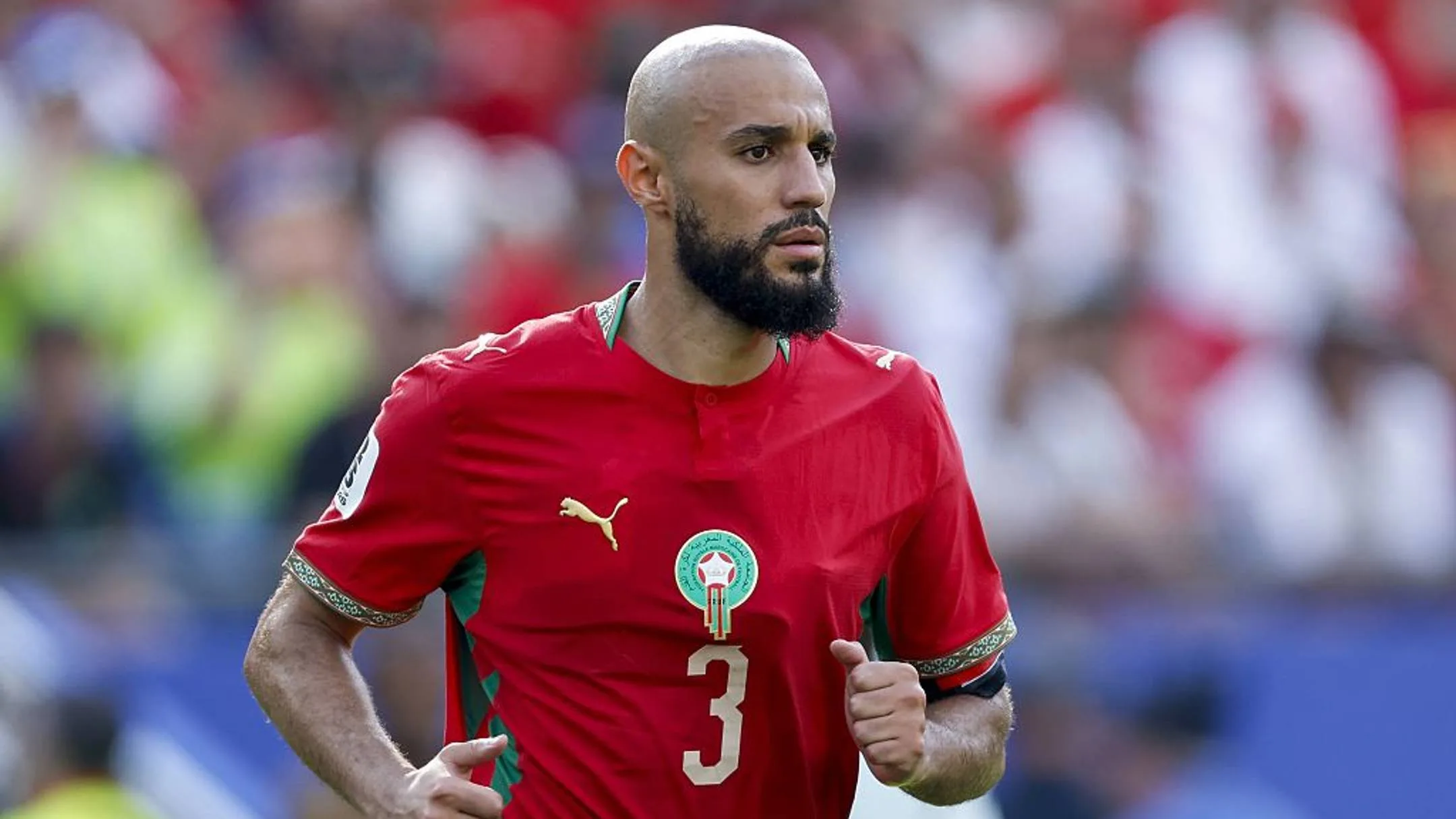
Manchester United have suffered another concern during the September-October international break, with Noussair Mazraoui becoming the latest player to join the club’s injury list.
The defender was forced off during Morocco’s Africa Cup of Nations qualifying win over Lesotho on Tuesday after going down midway through the second half. Mazraoui had attempted a tackle near the touchline in Morocco’s half, won the ball, but came out of the challenge in discomfort. He clutched at his left hip or lower back as several teammates hurried over to check on him, before the referee called on the medical staff.
Mazraoui left the field after 69 minutes and did not return. Morocco still have one more match in this international window, against Ghana on Sunday, but his involvement remains uncertain. A return to England for further assessment would clearly be the preferred outcome from United’s perspective, especially with Ghana described as Morocco’s toughest test of the run.
Although Mazraoui has not been part of Michael Carrick’s strongest XI this season, his value lies in his flexibility. The 28-year-old, formerly of Ajax and Bayern Munich, has filled in at both right back and left back in recent weeks and has been the main cover option for Diogo Dalot and Luke Shaw. Any extended absence would therefore be a setback.
United were already dealing with a lengthy list of unavailable players before this latest issue. Amad Diallo, Matthijs de Ligt, Manuel Ugarte and Tom Heaton had all been ruled out of contention before the break, and Mazraoui’s problem lifts the total injury count to 11.
There have also been fresh concerns elsewhere. Bruno Fernandes missed Portugal’s win over Norway on Sunday, with Jorge Jesus saying it was an issue he had already been carrying for three games. As Jesus put it: “He told me he’s been playing with that pain for the last three games, which is hindering him,” Jesus explained. “It prevented Bruno from playing at his best against Wales. I prefer not to risk it in this game [against Norway] so he’s fully fit for the Denmark match.”
Patrick Dorgu also emerged as a concern when Denmark faced Wales last weekend. After starting against Norway, he lasted just 30 minutes against Wales before being sent home, with the problem appearing to be a hamstring issue.




Arsenal
International break leaves major clubs counting the cost of fresh injuries
A crowded international break brought fresh injuries for leading Premier League and European stars across several clubs.
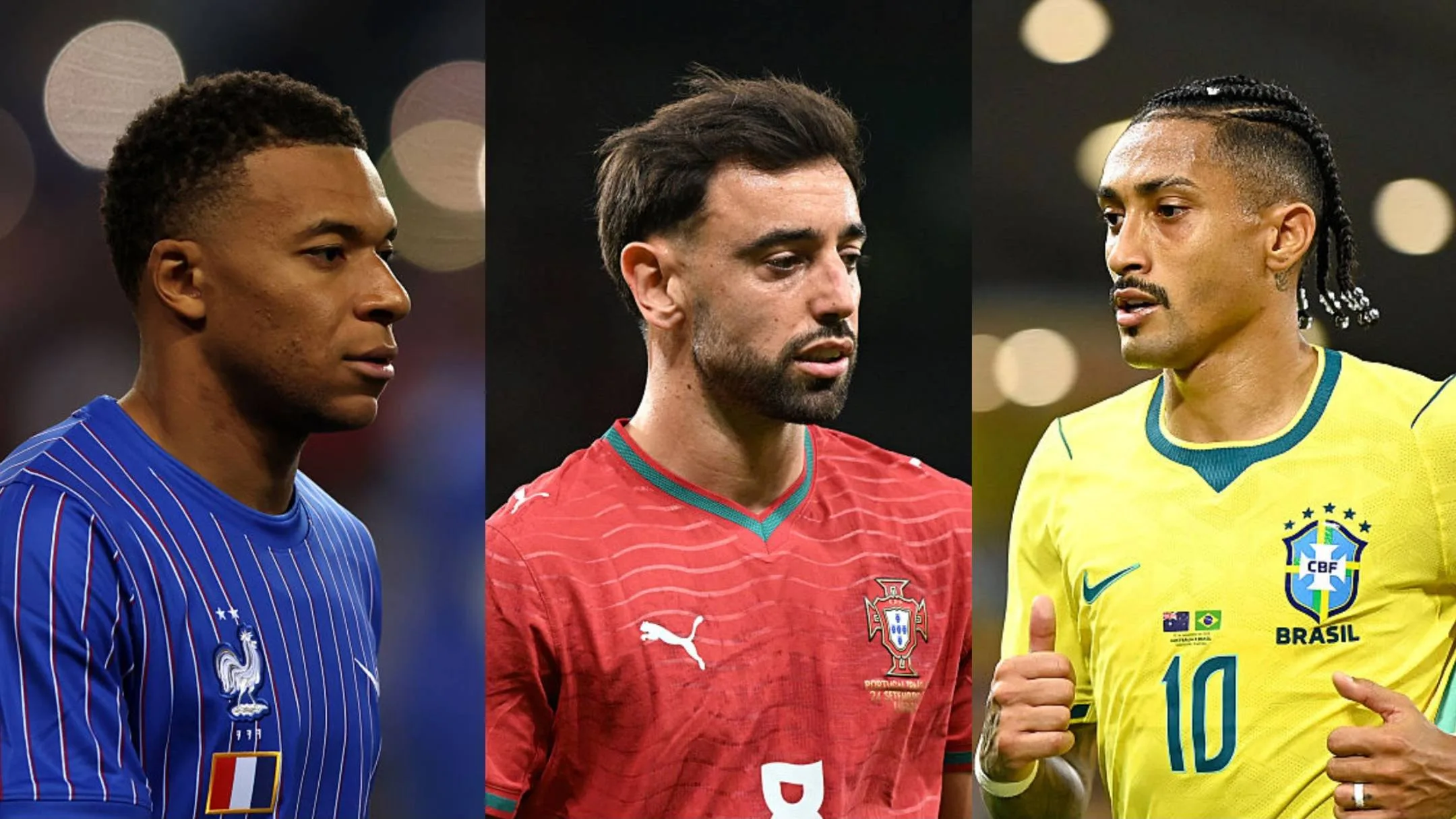
The September and October international windows were meant to ease the strain of the autumn schedule, but they have instead added to it. Across a long list of top-level names, the break delivered fresh fitness concerns for clubs already bracing for a demanding 2026/27 campaign.
Manchester United were among the hardest hit. Before the break even began, Marcus Rashford and Kobbie Mainoo withdrew from England duty, while Benjamin Šeško also pulled out with Slovenia. Matters deepened as the window went on, with Portugal coach Jorge Jesus saying Bruno Fernandes was “playing through pain” with a “complicated” injury that ruled him out against Norway. Fernandes remained with the national side and has since recovered. Patrick Dorgu was not as fortunate, returning to Manchester after a hamstring injury with Denmark, while Noussair Mazraoui also picked up a problem in Morocco’s win over Lesotho.
Arsenal had their own worries. Declan Rice withdrew from England’s squad before matches against Spain, Croatia and Czechia, and Kai Havertz later suffered a hamstring issue while with Germany. Martin Ødegaard was also unsettled after a challenge from Portugal’s Bernardo Silva, then missed training before Norway faced Wales, although he stayed with the squad. Ezri Konsa was not training ahead of England’s meeting with Czechia and was an unused substitute in the 2–0 win, though he remained with the team.
Kylian Mbappé provided the biggest scare of the break when he appeared to suffer a knee injury for France and played only 59 minutes before leaving the squad. The positive for Real Madrid is that he appears to have avoided a major setback and is expected back for domestic action. Ibrahima Konaté also sustained a knee injury with France, described by the French Football Federation as “mild.”
Barcelona were again affected when Raphinha suffered a thigh injury in Brazil’s 4–2 win over Australia and returned to Catalonia. Eric García also withdrew after a knee issue with Spain.
Liverpool, too, had reason for concern when Alexander Isak lasted only one game for Sweden before coming back to Merseyside with a thigh issue.
Manchester United
Manchester United Post Record Revenue as Amorim Exit and Stadium Plans Shape Finances
United posted record revenue, but Amorim’s exit, losses and stadium costs still shaped the year.
Manchester United’s latest accounts have laid out a season of striking contrasts, with record income, a managerial dismissal and continued progress on a new stadium project all featuring in the 12 months to June 30, 2026.
The club reported revenue of $897.9 million, or £677.5 million, the highest single-season figure in its history. That total came in a campaign when commercial income slipped slightly, there was no money from European competition and the reduced fixture list affected gate receipts and food and drink sales.
Chief executive Omar Berrada pointed to the club’s “underlying strength of our business” and the “enduring popularity and commercial strength” of Manchester United as factors behind the numbers. Even so, the accounts still showed an overall net loss of $57 million (£43 million), underlining the scale of the challenge despite the record turnover.
The revenue breakdown showed commercial income at $440.4 million, broadcasting at $274 million and matchday at $203.4 million. Salaries also fell to $400 million (£302 million), accounting for just under 45% of revenue, as United continued to look for more disciplined spending and cheaper additions in the transfer market.
One notable cost came from the dismissal of Ruben Amorim in January. Compensation for Amorim and his staff was listed among exceptional items and made up most of the $10.9 million (£8.2 million) cost. His contract was due to run until the summer of 2027, but the figure would likely have been higher had he not taken over at AC Milan in June after five months out of work.
A year earlier, United had continued paying Erik ten Hag for almost twice as long following his departure, because he remained out of work for nine months before joining Bayer Leverkusen in late May 2025.
On the infrastructure side, the club made further progress towards a new Old Trafford, which is planned a few hundred yards from the current ground. Acquiring land from the adjacent freight hub has been a key part of that effort, although Manchester United have still not submitted a planning application for the proposed 100,000-seat stadium that co-owner Sir Jim Ratcliffe wants to be a ‘Wembley of the north.’
Arsenal
One key issue facing each Premier League side after five matches
Five games in, the Premier League is already revealing title doubts, transition pains and early surprises.
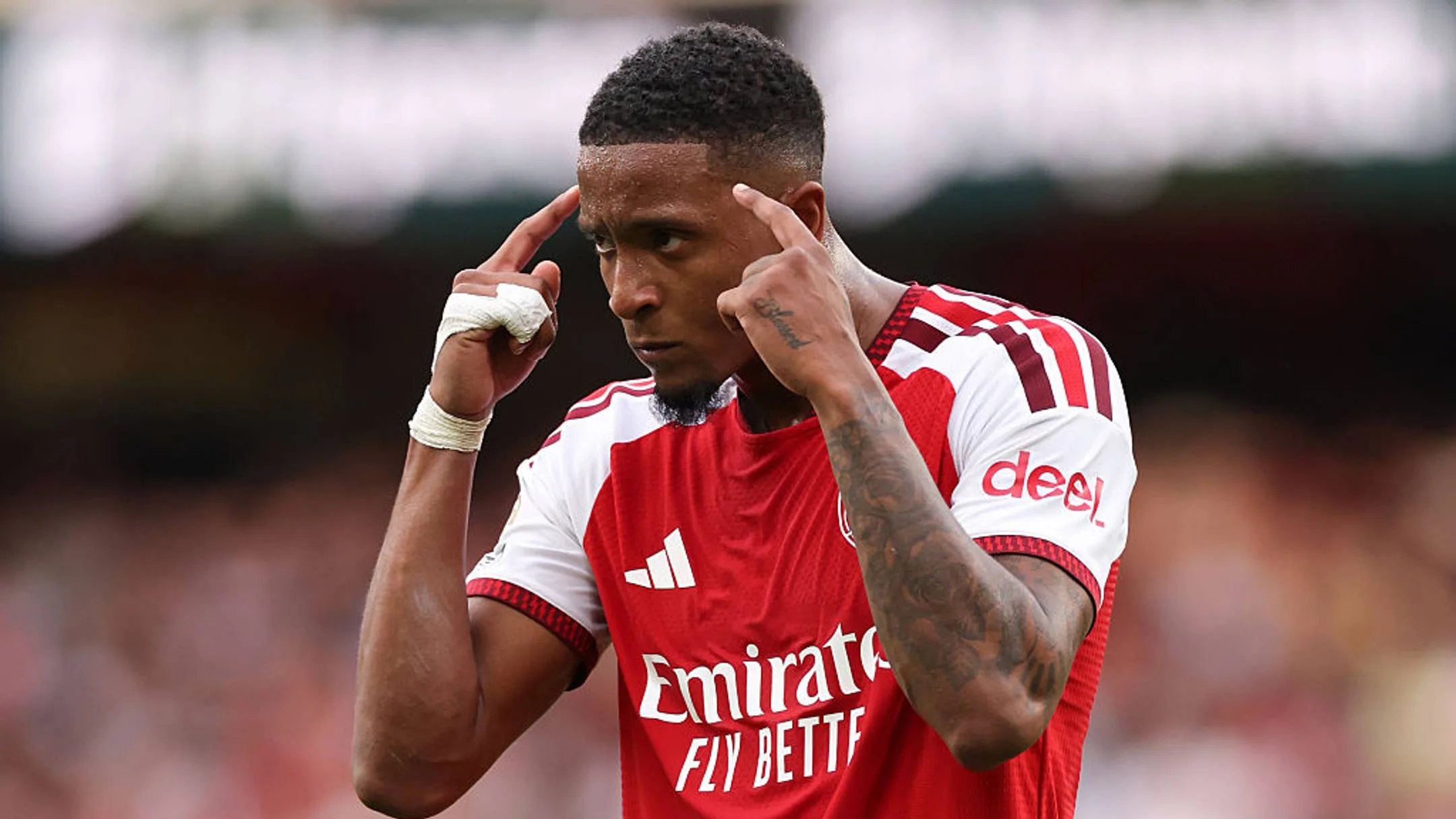
The first five matchdays of the 2026/27 Premier League season have already given shape to a campaign that promised uncertainty from the outset. With the table still settling and another international break leaving a long pause before Matchday 6, there is time to take stock of what has emerged so far.
Arsenal’s title defence has already met resistance after a heavy defeat to Brighton & Hove Albion. Before that trip, they looked close to untouchable, but the champions have not yet shown enough to pull clear of their rivals. Bruno Guimarães has added quality, though injury has delayed his rhythm, while Christos Tzolis has stepped in as a serviceable replacement for Leandro Trossard. Even so, Arsenal’s attack was found wanting in their toughest test to date, with concerns lingering over the goalscoring burden on Bukayo Saka and the lack of a set-piece breakthrough.
Aston Villa, meanwhile, are navigating a period of change after rebuilding their core in the summer. Their first league win of the season offered encouragement, with Johan Manzambi, Nicolas Jackson and João Gomes all making useful contributions. Bournemouth have begun slowly under Marco Rose, but there is little panic as they balance league form with European demands after an opening win at Real Sociedad. Brentford continue to look like a difficult assignment at home, built on physicality and a set-piece threat that has already caused problems for visiting sides.
Brighton’s pressing game has been a feature of the early weeks, while Chelsea’s start under Xabi Alonso has raised serious questions about their structure without the ball. Coventry City finally recorded a first Premier League win in more than 25 years, though goals remain a concern. Everton’s window left them thin on options, Fulham are showing signs of adjustment under Álvaro Arbeloa, and Hull City have been one of the early surprises, even if history offers a warning.
Elsewhere, Ipswich Town, Leeds United, Liverpool, Manchester City, Manchester United, Newcastle United, Nottingham Forest, Sunderland and Tottenham Hotspur all have distinct questions to answer as the season develops.