Tottenham Hotspur
Tottenham’s greatest players: a ranking built on class, longevity and silverware
Tottenham’s greatest names span generations, from White and Greaves to Bale, Son and Lloris.

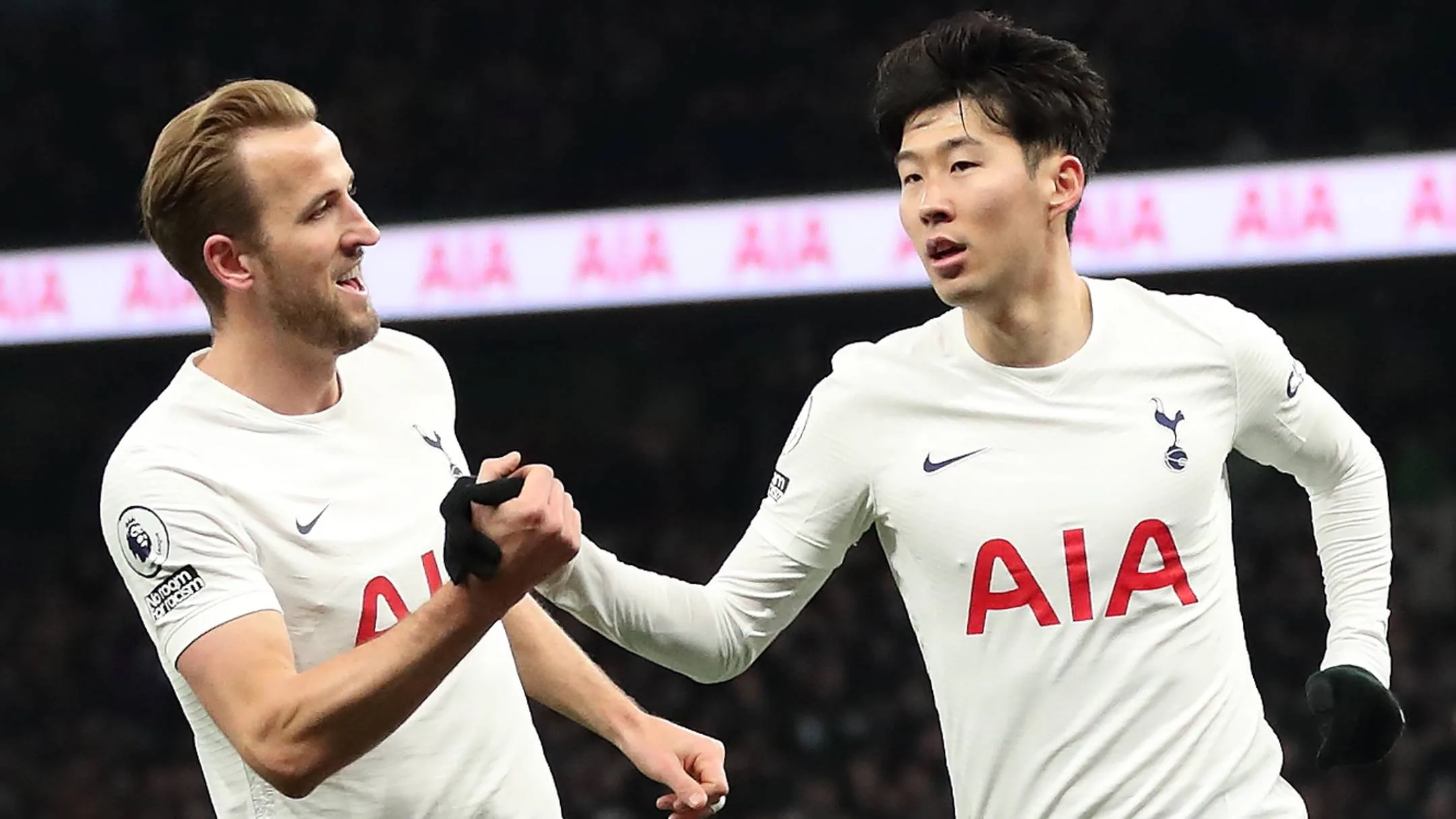
Tottenham Hotspur’s history is rich with players who defined eras, lifted trophies and left lasting marks on the club. Across decades, Spurs have been carried by gifted creators, ruthless finishers, tireless midfielders and defenders who helped shape the modern game. This ranking draws from that tradition, highlighting the individuals whose quality made them stand out in north London.
Some names are included for brilliance cut short, others for extraordinary consistency, and several for carrying Tottenham through major successes. John White remains one of the club’s great lost talents, a playmaker whose life and career were ended far too soon. Dimitar Berbatov brought elegance and control in attack, while Mousa Dembélé earned the admiration of teammates and rivals alike for a midfield presence that was almost impossible to handle.
Goals also weigh heavily in Tottenham’s story. Robbie Keane scored 122 times across two spells, Gary Lineker produced 80 goals in just 138 appearances, and Jermain Defoe struck 143 times in all competitions for Spurs. Jimmy Greaves remains the benchmark for forwards at the club, with 266 goals in 379 games, while Bobby Smith was central to one of Tottenham’s great sides and formed a formidable partnership with Greaves.
The list also reflects players who changed the way the team played. Cyril Knowles was an attack-minded full back ahead of his time, Glenn Hoddle brought vision and sophistication, and Luka Modrić became the heartbeat of midfield before eventually winning the Ballon d’Or elsewhere. Gareth Bale’s evolution from left back to world-class winger remains one of the club’s most striking transformations, while Son Heung-min added another modern chapter through goals, pace and decisive link-up play.
In goal, Hugo Lloris and Pat Jennings stand out for very different reasons, while Steve Perryman and Gary Mabbutt symbolise longevity and reliability. There are also the fierce, uncompromising qualities of Dave Mackay and Ledley King, plus the flair of David Ginola, Paul Gascoigne and Chris Waddle. Together, they form a portrait of a club whose finest players have combined talent, character and achievement in equal measure.




Aston Villa
Premier League Matchday 6 verdict: who impressed, who unravelled, and who merely survived
Matchday 6 mixed sharp wins, poor finishing and controversy across the Premier League table.
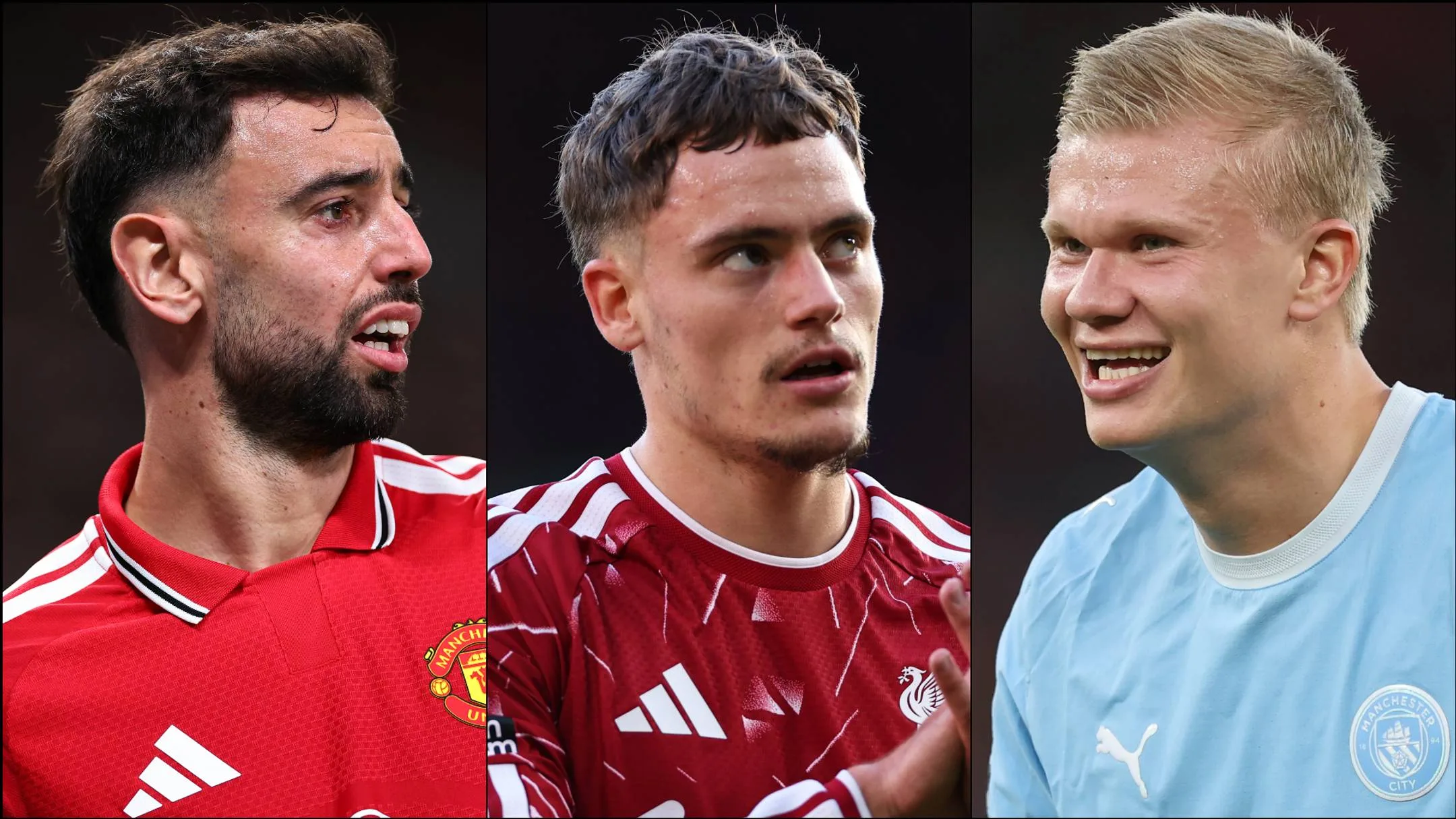
Matchday 6 left the table untouched in one sense, but the performances were impossible to ignore. In the post-verdict era, points can feel fragile, yet the evidence on the pitch still matters. City’s second-half surge past a faltering Liverpool side may be revisited later, but Erling Haaland’s strike and Rayan Cherki’s invention are already part of the record.
Sunderland, deprived of key figures, were left with too little invention and too little calm in possession. Régis Le Bris was right to question the side’s lack of “quality or composure” after they controlled much of the ball but found no answers without Brian Brobbey. Bournemouth also remain short of rewards, and their latest defeat under Marco Rose brought another reminder that encouraging spells mean little without a first win. “The last games we had some good performances,” the incoming manager admitted, “but today we struggled.”
Manchester United’s problems continue to widen. Michael Carrick’s side were exposed again, this time by Tottenham Hotspur, and the mood around Old Trafford is growing less forgiving. Carrick’s own assessment was blunt: “I understand the disappointment,” he shrugged, “the reality is what it is.”
Elsewhere, Newcastle’s 4–1 defeat at Coventry City was harsh on the chances they created, yet costly for the gaps they left behind. Liverpool’s collapse after Ryan Gravenberch’s dismissal became the major talking point in a contest Andoni Iraola felt was shaped by the referee, while Crystal Palace were celebrated after a win that owed plenty to a generous interpretation of events from Pierre Sage.
There were also hard-earned points for Everton, Hull, Aston Villa, Brentford, Tottenham, Nottingham Forest, Ipswich, Arsenal, Chelsea and Manchester City. Some wins were built on control, others on stubbornness, and a few on little more than survival. On a weekend where margins dominated, several teams learned how thin the line remains between progress and frustration.
Arsenal
Five Premier League talking points as Gameweek 6 begins
Arsenal, Chelsea, United, Spurs, City and Liverpool face a pivotal Premier League weekend.
After an international break that was longer than most, the Premier League resumes with a slate of fixtures that should quickly restore the league to centre stage. Gameweek 6 brings heavyweight meetings, difficult home tests and plenty of pressure on sides already searching for rhythm.
Arsenal’s defeat at Brighton & Hove Albion before the break ended a remarkable run and raised the question of how they would react. Five months had passed since their previous league loss, but the 3-0 reverse on the south coast was a severe setback. Leeds United now arrive at the Emirates Stadium unbeaten and sitting fifth, only three points behind the Gunners, while history still strongly favours Arsenal, who have won their last eight meetings with Leeds in all competitions.
Chelsea also need a response after being beaten 3-0 by Brentford. That result was their third consecutive league match without a win and the third time they have conceded three goals in a game this season. Bournemouth’s visit offers little comfort, especially with Chelsea waiting on late checks for João Pedro, Cole Palmer, Moisés Caicedo and Reece James. Marco Rose’s side may be winless, but they have taken points from Chelsea in four of the last six meetings.
Manchester United and Tottenham Hotspur meet under clear pressure. United have managed only five points from a manageable run, with defeats to Hull City and 10-man Manchester City damaging the mood. Tottenham, meanwhile, sit bottom after two goalless draws and three defeats, and Roberto De Zerbi’s side arrive with their costly new arrivals yet to settle. The stakes are obvious for both clubs.
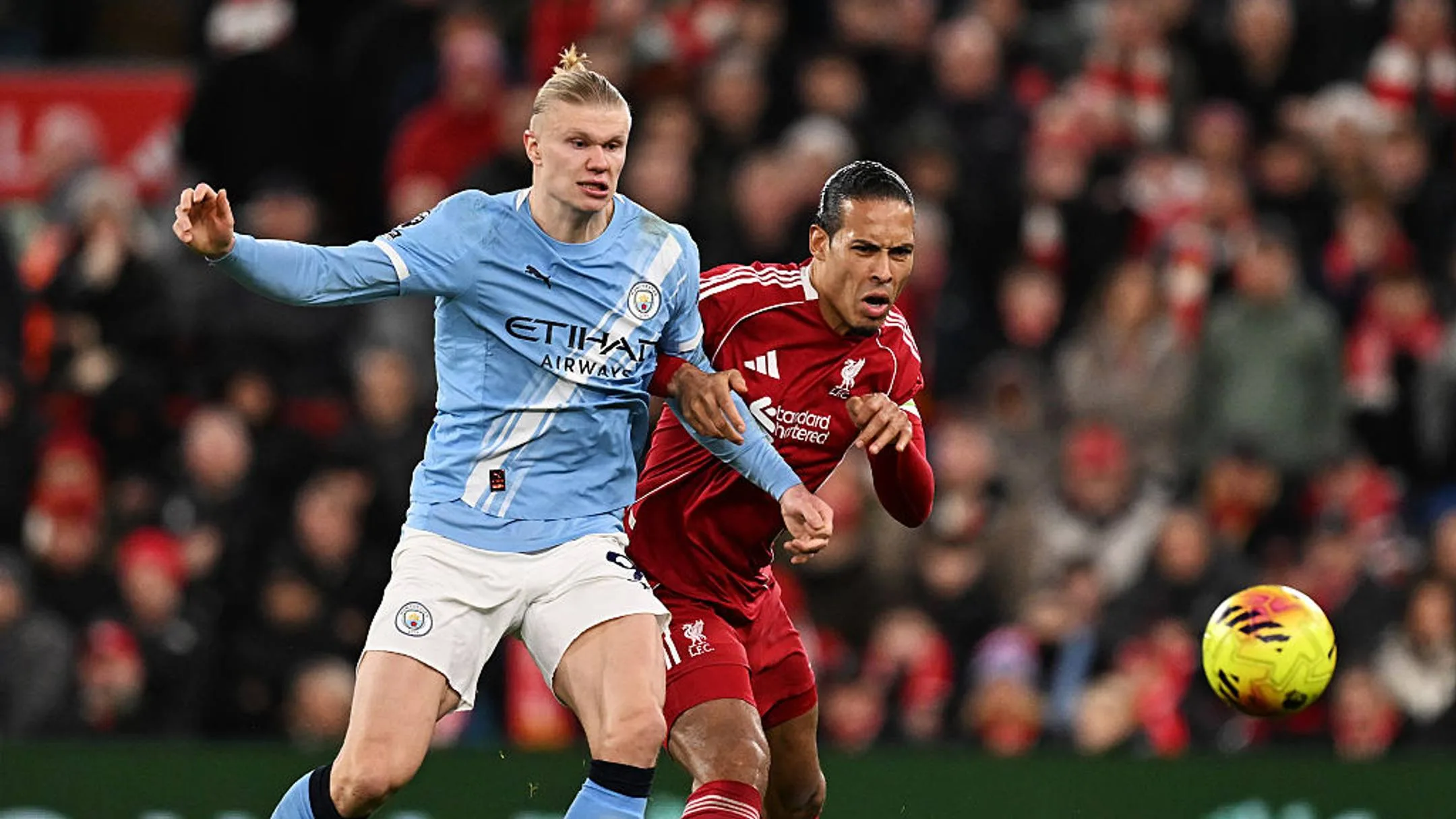
The weekend’s headline fixture comes at Liverpool, where Manchester City play for the first time since being found guilty of 114 breaches of the Premier League’s financial rules. After a three-year investigation, the verdict has inevitably shifted attention onto Enzo Maresca and his players, even if they had no part in the issue. City have won all five league games under Maresca, but this is a different test entirely.
Liverpool have every reason to make the occasion felt. They have twice been runners-up to City title teams since 2009 and remain one of the most persistent challengers of the last decade. With the atmosphere set to be intense, this could become one of the defining matches of the round.
Manchester United
Carrick’s United position said to be safe despite looming Spurs test
United’s manager is under scrutiny, but reports say there is no appetite for change at Old Trafford.
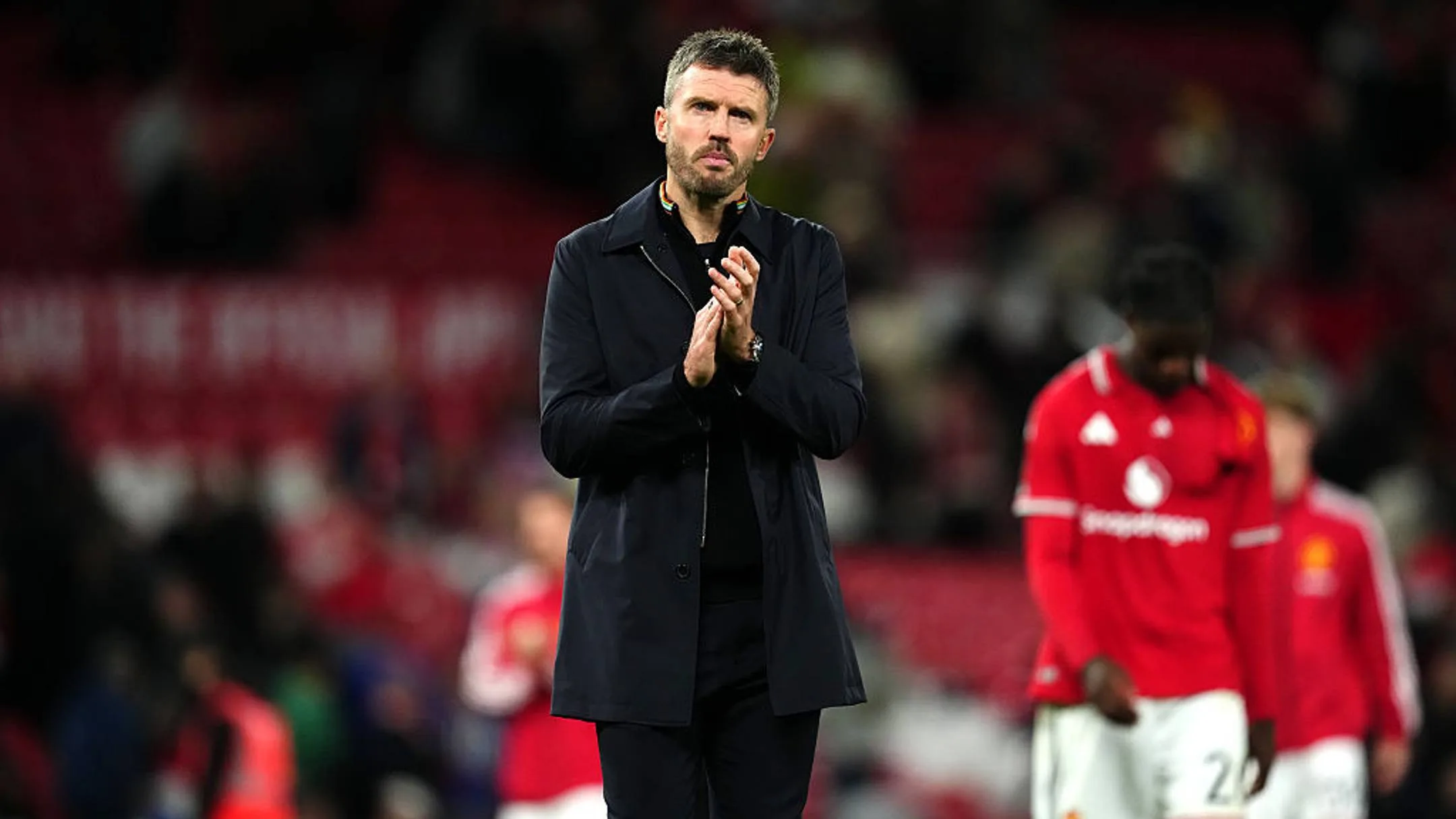
There is said to be no immediate danger to Michael Carrick’s role at Manchester United, even if the side return from the extended September-October international break with a disappointing result.
Carrick’s first 17 matches in charge last season brought in more points than Arsenal collected across the same stretch, and he will believe United remain close to the level he expects. Two individual lapses have already cost the club five points, while another match was shaped by an objectively shocking refereeing mistake. Even so, United have generally moved the ball into the right areas and are matching Arsenal in the attacking third.
The Daily Mail reports that there is “no appetite for change” from the club’s hierarchy. The same reporting also draws a contrast with Ruben Amorim, who was overseeing gradual improvement after an extremely poor 2024-25 season before undermining himself by voicing his frustrations publicly last January.
That means the focus is on results rather than panic. Even if the Spurs fixture does not end in victory, the expectation is that the club would not “hit the panic button” over Carrick. Players were also said at the end of September to still back and support him.
Tottenham should provide a favourable matchup for United at this stage. They are bottom after failing to win any of their opening five Premier League matches and taking only two points. United are currently the division’s joint-sixth highest scorers, while Spurs have the second weakest attack, with only two goals and blanks in four matches.
The challenge for United is what follows. Between the end of the international window and the next one in mid-November, they play eight times across two competitions in four weeks. Leeds United away on Oct. 18 looks difficult, especially with Champions League trips to Atlético Madrid and Como either side of it. Bournemouth at home comes next, before Chelsea away, then home games against Roma and an improving Aston Villa.