Manchester United
Pochettino’s United link grows as his USMNT stance shifts
Pochettino’s contract talk has sharpened speculation over a possible future move to Manchester United.

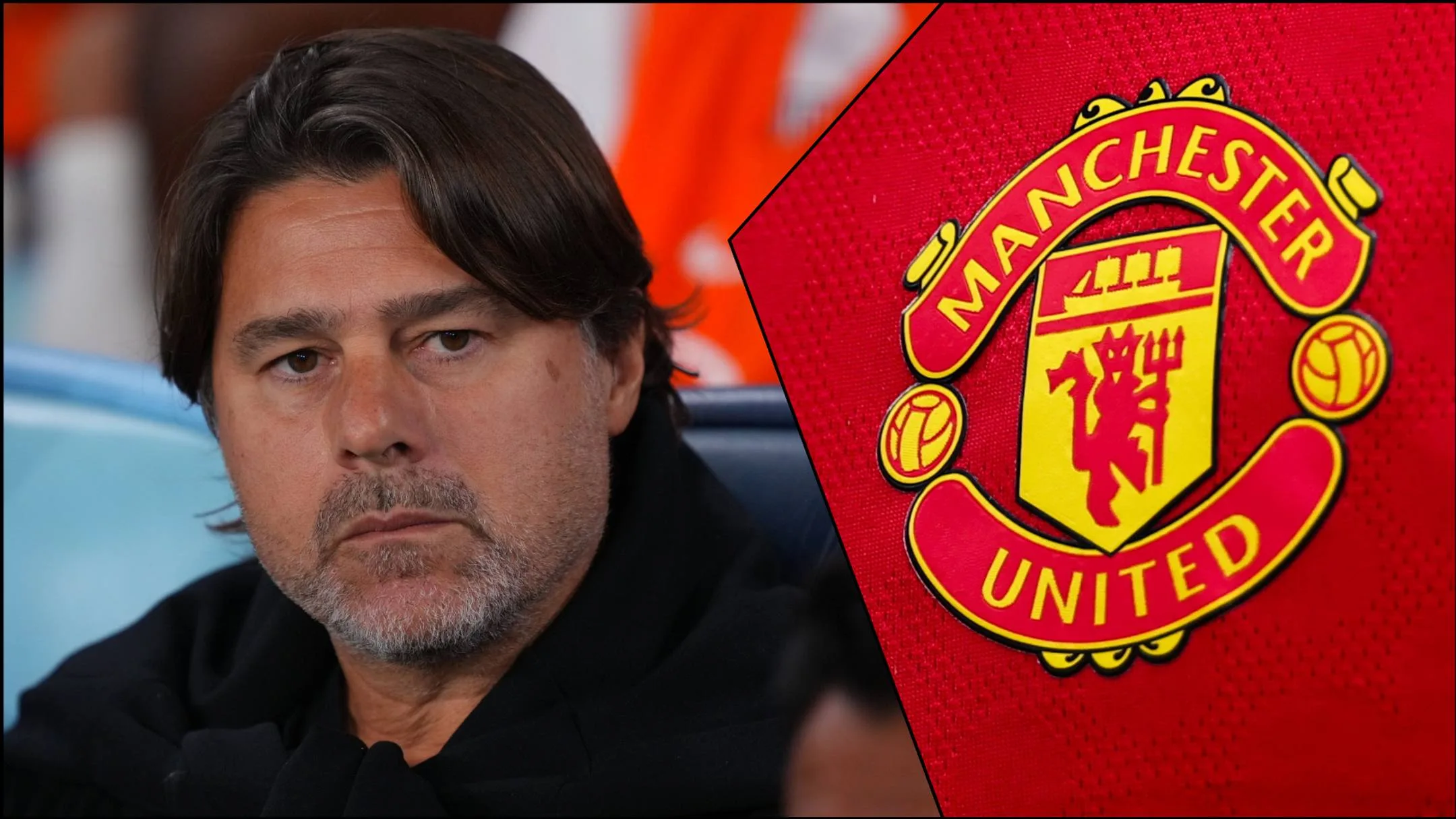
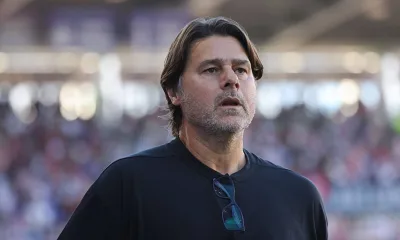
Mauricio Pochettino’s position on his United States men’s national team deal has become more flexible, and that only adds weight to renewed speculation over Manchester United.
The former Tottenham Hotspur and Chelsea manager is already well regarded at Old Trafford. He delivered Spurs’ strongest sustained domestic spell in the Premier League era and has also brought structure and unity to the USMNT setup.
United have looked at him before. Sir Alex Ferguson once travelled to meet the then-Tottenham boss over lunch. Pochettino later described that exchange as, “It was a meeting in London between colleagues, between a genius and an apprentice,” and he chose not to take the job at that stage.
More recently, Tottenham made contact again before the World Cup. Pochettino, who signed a new four-year deal with the USMNT only months ago, had no interest in leaving before a home tournament. As he put it: “They called everyone, they called all the coaches!”
That situation looked difficult to change at the time, with reports suggesting any move would have required “one of the biggest financial compensation fees in football history”, around $30 million. Yet Pochettino has since made clear that the wording of his current contract matters.
“Now it’s a four-year contract, it’s different,” Pochettino explained. “We can next season lose the Copa América, or the Gold Cup, and they’re not happy with us, they can sack us. Or we can say, ‘O.K., it’s not the way that we think.’
“Four years is different. Maybe now if someone calls in the future, it’s a different type [of situation]. We are excited, we are thinking to spend four years, to the next World Cup. But now it’s a long period.”
He has also spoken openly about wanting a Premier League return. “I have the ambition [to return],” he told Sky Sports News in September. “My dream now is to be in the USA for four years, but after that, why not? We are still young, and I think coming back is always my goal; to win the Premier League, to be in the Premier League and to build a project with the possibility of winning.”
For United, the attraction is obvious. For Pochettino, the footballing case is less straightforward, with the club in a very different place from the one he has known before.
Still, the mutual interest is real, and the manager has left the door ajar.




Manchester United
Pochettino’s United links could leave USMNT facing an abrupt reset
A possible United move for Pochettino would force the USMNT into an abrupt and risky reset.
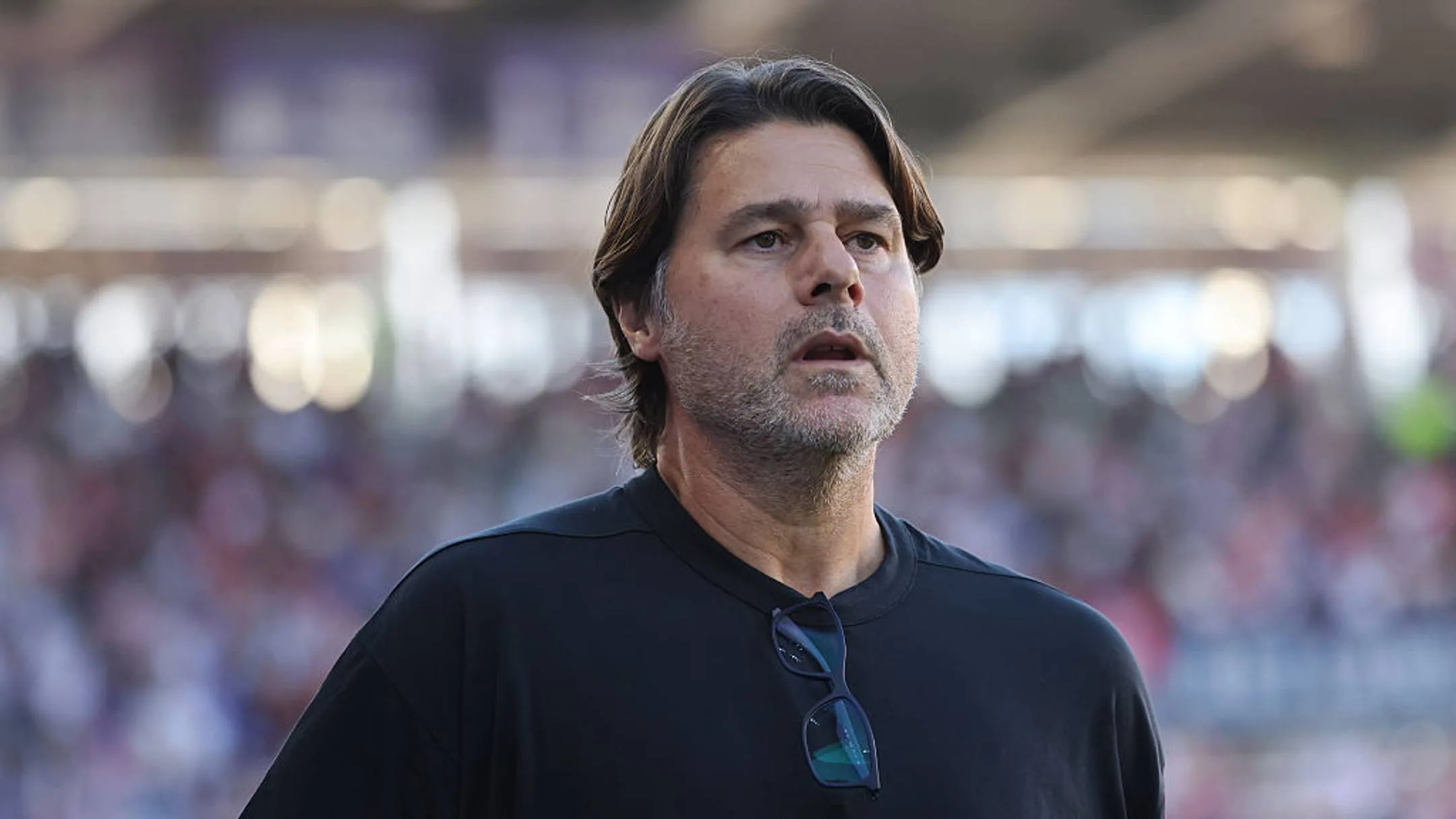
Mauricio Pochettino’s unexpected link to the Manchester United job would carry consequences well beyond Old Trafford. The Argentine only recently committed to the USMNT with a contract extension through the 2030 World Cup, yet a release clause in that deal could still give him a route back into club management in England.
In April, Pochettino made clear how strongly he felt about a Premier League return. “One day, yes because I really like England,” Mauricio Pochettino said when asked if he wanted to go back. “I think my human profile and coach profile match very well with the Premier League and with the culture, the idea, the idiosyncrasy and the philosophy.”
Four months later, he extended his stay with the United States, but reports now suggest the door to Manchester has opened. Michael Carrick is reportedly set to be fired before domestic action resumes in two weeks, and Pochettino has emerged as an unexpected frontrunner.
For U.S. Soccer, the timing would be awkward at best. Pochettino only led the team through a strong fall window, winning all four games against Chile, Peru, Mexico and Canada. He then steered the side into the next phase of preparations, where the Concacaf Nations League quarterfinals against Haiti are due in November.
If he were to leave now, the Americans would be left answering questions about his future while trying to focus on the pitch. More importantly, they would be forced into a sudden change of direction without a clear succession plan.
That would be a sharp contrast to the progress made under Pochettino. The USMNT developed a harder edge during the World Cup, playing with aggression, control and intensity. That identity grew stronger during the autumn internationals, even with a number of new faces involved.
His new contract also tied him to the federation’s youth work. “We are excited by the opportunity to bring all our experience and knowledge to even more areas of U.S. Soccer while helping strengthen the pathways for players, coaches and teams across the federation,” Pochettino said upon signing his new deal in August.
U.S. Soccer CEO and secretary general JT Batson added: “Mauricio and his staff believe in the future of soccer in the United States and our new project allows us to build on progress of the USMNT and the momentum of U.S. Soccer.”
That wider commitment has already been reflected in his selections, with 13 uncapped players called up for the fall friendlies, including eight teenagers. Cavan Sullivan, Julian Hall and Justin Ellis all impressed enough to remain in the picture for November, underlining how central Pochettino is to the next stage of the project.
Aston Villa
United’s next manager could cost far less, or far more, depending on the route chosen
United could pay $10m for Pochettino, or nothing for other out-of-work candidates.
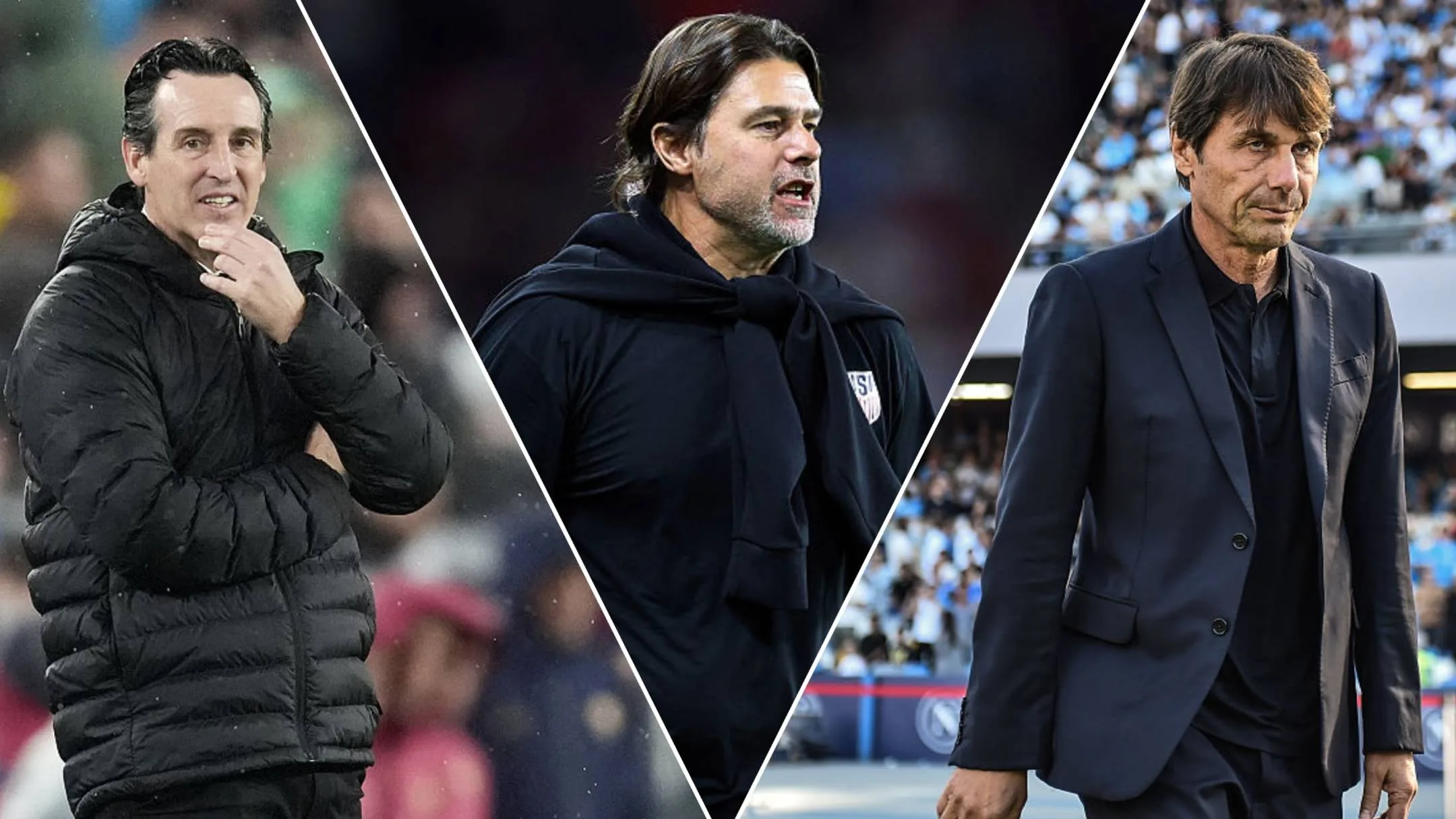
Manchester United are weighing up a managerial appointment where the fee may matter almost as much as the candidate. Mauricio Pochettino would reportedly cost more than $10 million to be prised from his U.S. men’s national team deal, but he is not the most expensive option on the club’s radar.
The issue reflects a familiar theme at Old Trafford. Since Ole Gunnar Solskjær’s spell ended early in 2021-22, after successive third and second-place Premier League finishes, four semifinals and a final, United have repeatedly found that changing manager carries a sizeable bill. That has been a difficult pattern at a time when other costs have generally been reduced.
Erik ten Hag did deliver trophies, winning the Carabao Cup in 2022-23 and the FA Cup in 2023-24. That placed him among only six managers in the club’s history to have won two trophies. Even so, United considered replacing him in the summer of 2024, then extended his contract before dismissing him within four months at a cost of £14.5 million ($19.5 million at today’s rate). Ruben Amorim’s move from Sporting CP cost £11 million ($14.8 million), and his departure after 14 months added another £16 million ($21.5 million).
Carrick represented the opposite end of the scale. When he returned to Old Trafford as interim manager last January, he was unattached, so the club paid nothing to appoint him. His salary is believed to be lower than those of his two most recent predecessors, which would also limit any future payout. If he were to lose his job, the final figure would only be confirmed when United’s 2026-27 accounts are published towards the end of next year.
Pochettino signed his U.S. Soccer agreement in August after his previous terms expired at the end of the 2026 World Cup. The Athletic reports a $10 million buyout, with “millions more dollars” required to bring his coaching staff as well.
Unai Emery would be pricier still. The Telegraph has reported Aston Villa would ask for £20 million ($26.9 million), while Eddie Howe’s compensation is falling from £6 million in the summer to around £3 million ($4 million) by the end of October. Julian Nagelsmann and Antonio Conte would cost nothing.
Manchester United
Manchester United and the reality of relegation
United’s relegation history is long, dramatic, and now uncomfortably relevant again in 2026/27.
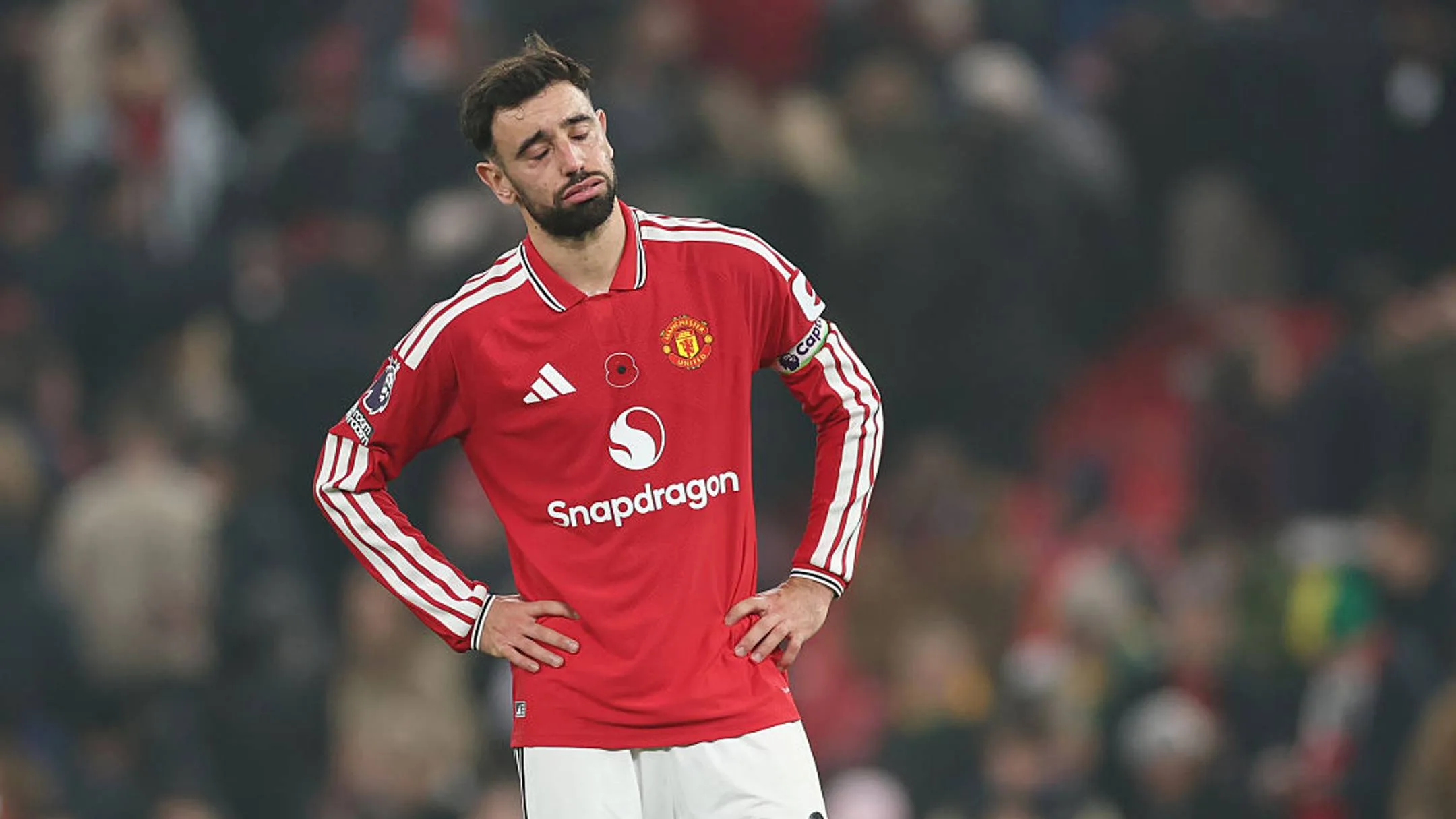
Michael Carrick’s side rescued a point against Aston Villa at Old Trafford through Patrick Dorgu’s very late equalizer, but the late drama was not enough to lift United clear of danger. By the end of the weekend, the club remained in the relegation zone, a position that would have seemed unthinkable only recently.
The Opta supercomputer now gives United a 21.58% chance of going down, a figure that leaves them only 7% less likely to be relegated than Ipswich Town. With the prospect of appointing a modern equivalent of arguably the best manager in soccer history looking slim, the numbers underline just how serious the situation has become.
United’s standing has already prompted mocking from rival supporters. This weekend, as Nottingham Forest beat Manchester City, fans of the blue side of Manchester sang, “We’re going down with United.”
If relegation were to happen, it would rank among the most extraordinary outcomes in Premier League history, something close to a reverse Leicester City title win. Yet Manchester United have been here before, despite their current status as one of the sport’s most valuable and successful clubs, the most valuable English soccer club by Forbes and the team with the most Premier League titles.
Their first relegation came in 1894, when they were still Newton Heath. They had finished bottom of the First Division the previous season, survived via a playoff, then lost another playoff 2-0 to an emerging Liverpool side. The club, renamed United in 1902 and now playing in red rather than green and gold, dropped again in 1922 and 1931, with the latter campaign beginning with 12 straight losses that remain part of the club’s longest win-less streak.
United narrowly avoided a first drop into the third tier in 1934 by beating Millwall 2-0 on the final day, but relegation arrived again in 1937. Immediate promotion followed, and the club later stabilized under new financial backing and Matt Busby’s appointment in 1945.
After World War Two, United became a giant, winning five First Division titles in the 1950s and 1960s and becoming the first English club to win the European Cup in 1968. Their fifth and most recent relegation came six years after that triumph, in a chaotic season marked by George Best’s contract being ripped up by New Year and goalkeeper Alex Stepney becoming penalty taker. Denis Law’s 81st-minute backheel for Manchester City against his old club sealed the outcome in the penultimate match, although results elsewhere meant the damage was already done. United have not come especially close to repeating that fate since, with Ferguson later steering them away from serious danger before the club’s long spell of success between 1990 and 2013.