Premier League
Opta model revises Premier League race after City seize control
Opta’s latest simulations reshape the title, European and relegation races after City beat Sunderland.


Manchester City’s emphatic eight-goal victory over Sunderland has shifted the Premier League picture, with Opta’s supercomputer now placing them level on projected title value with Arsenal at the top of the table.
That follows Mikel Arteta’s pre-season deflection when he was asked about Arsenal’s title defence. “Our friend is not here today with a supercomputer,” he cackled in an attempt to avoid the question. The model is here now, and after 10,000 simulations it has turned that debate into numbers.
On current points, City lead the way with 15, but Arsenal remain narrowly ahead in projected points, 76.06 to 75.64, and are given a 43.52% chance of lifting the title. City are close behind on 40.96%. Liverpool, Brighton and Chelsea trail in the next tier, with Brighton’s place among the contenders standing out despite their 3-0 win over Arsenal already altering the mood around them.
City’s start has been perfect even if it has not always looked effortless, with Bournemouth, Coventry and Sunderland all offering resistance. Their edge, as the model sees it, comes from a team built around the world’s best goalkeeper and the sport’s most ruthless striker.
Further down, the race for Europe remains tight. Brentford, who came so close last season, continue to threaten qualification, while Manchester United are rated as having slightly better odds of finishing third than of slipping into the bottom three. Aston Villa also need a major improvement if they are to return to the Champions League.
At the other end, Tottenham sit bottom after the first elongated international break, despite heavy summer spending. Opta’s simulations still place them in the relegation discussion more than 30% of the time, a bleak outcome for a club with major resources. That explains why Roberto De Zerbi is “very disappointed, very sad, very frustrated.”




Fulham
Cunha Salvages United at Fulham, But Larger Issues Remain
United rescued a point at Fulham, but the performance and stats left fresh concerns before the break.
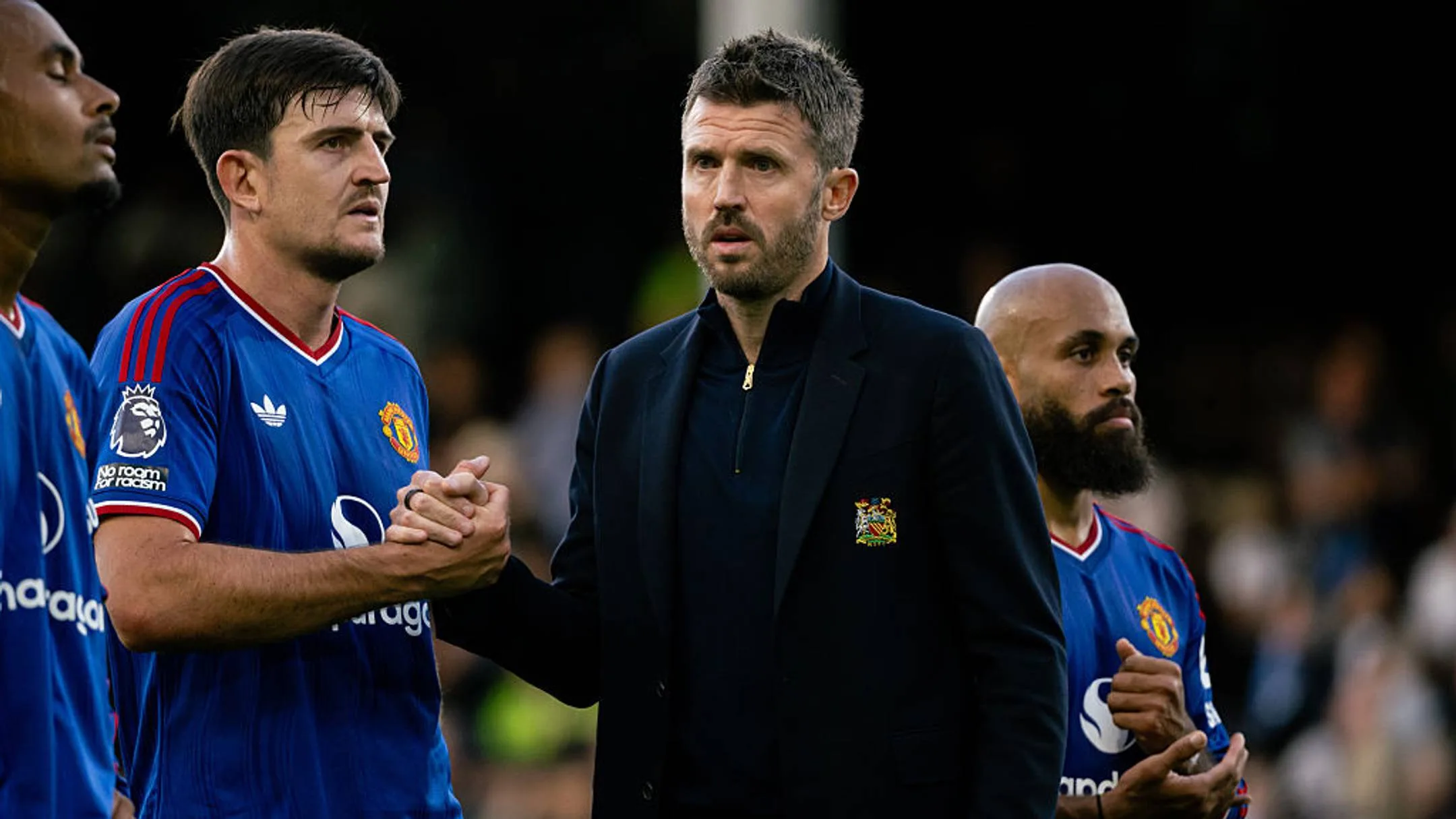
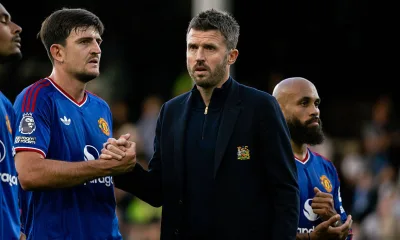
Manchester United avoided a second straight Premier League defeat with a late equaliser at Fulham, but the result did little to quiet the concern around their start to the 2026/27 season.
For much of the afternoon, it seemed as if United were heading for consecutive league losses for the first time in more than a year, dating back to the closing stages of 2024/25. The match changed in the 89th minute when Matheus Cunha struck from distance, only for the effort to be heavily deflected off David Affengruber and beyond Bernd Leno.
The point leaves United on five from five, a tally that matches their joint-lowest at this stage of a Premier League campaign, alongside 2014/15. They will remain 12th during the international break before returning on Oct. 10 against Tottenham Hotspur, who are bottom of the table.
Gary Neville, speaking on Sky Sports, offered a blunt assessment of the period after half-time, describing it as the “worst” 15 minutes he’s ever seen from any Manchester United team. United’s tempo, urgency and willingness to run were all questioned, with the side having covered almost 7 kilometers less than Fulham by the 73rd minute.
Senne Lammens kept United in touch in the first half with four saves, including quick stops to deny Joshua King and Sander Berge. He later could have done better when Fulham went ahead, as his parry from Calvin Bassey’s shot created the opening for the goal.
Marcus Rashford’s return has been viewed positively in general, yet this match underlined the gap between effort and end product. In 77 minutes, he led United for touches in the opposition box and shots, but still left without a goal contribution. Across six appearances this season, he has yet to score or assist.
There was also curiosity over United’s all-blue away kit, worn competitively for the first time on Sunday after only appearing in preseason.
Arsenal
Why the Premier League has another three-week wait for its return
The Premier League is paused for three weeks as international football takes over until October 10.
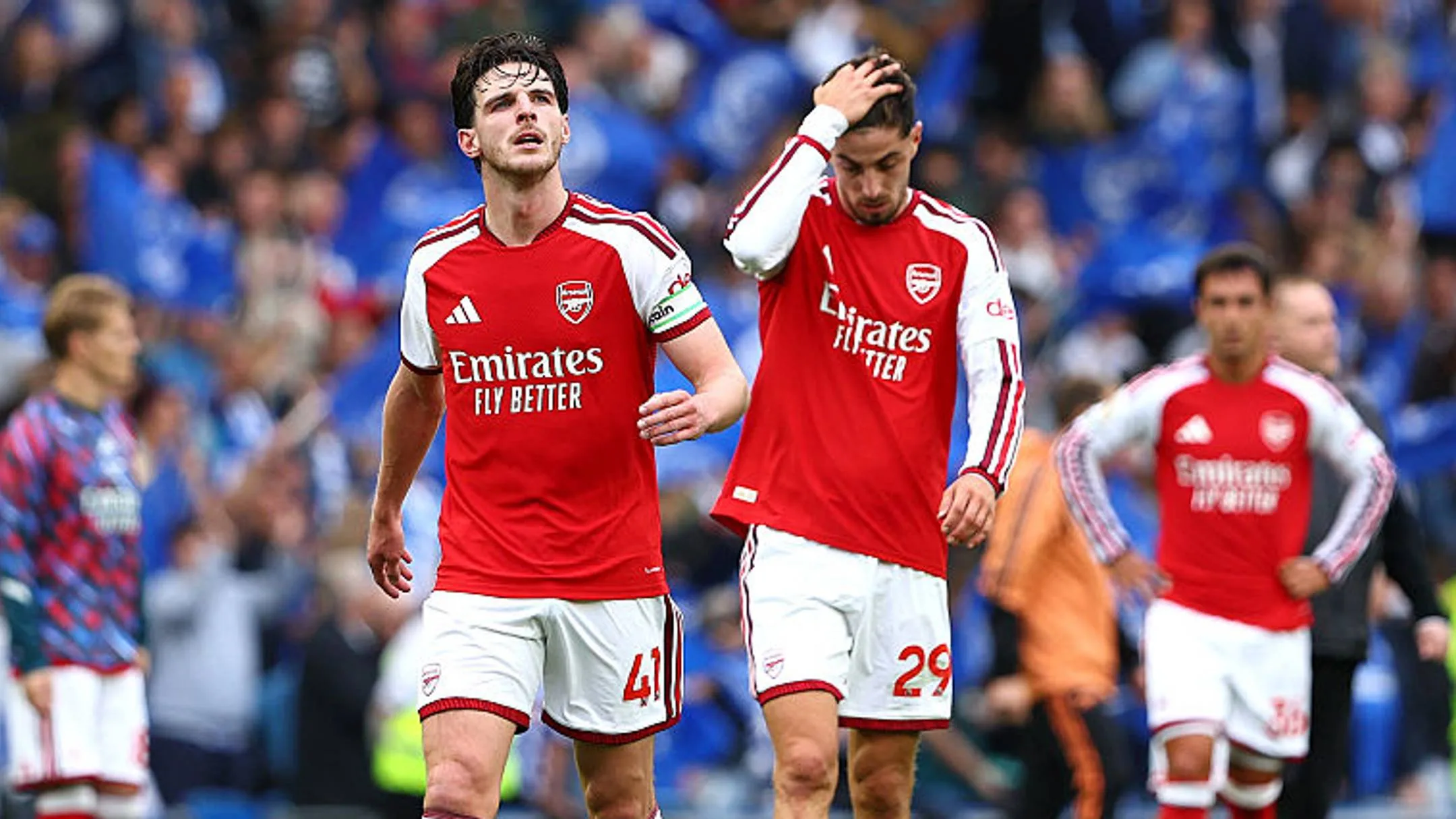
The first chapter of the 2026/27 Premier League season has already been completed, but there will be no league football for the next two weekends. An international break has taken over, and the domestic calendar will remain on hold until October 10.
That pause comes after a strong start from Arsenal, whose perfect record drew talk of a potentially one-sided title race. Yet Brighton & Hove Albion halted that run before the break, a result that offered a reminder that the leaders are not beyond reach.
For now, though, attention shifts away from club football and back to national teams. This is the first time sides have come together since the 2026 World Cup, and the next couple of weeks will be filled with fixtures that should keep supporters occupied.
The Premier League’s return is set for Matchday 6, when Arsenal open the weekend at Emirates Stadium against Leeds United. It will mark the restart of a schedule that has been interrupted by an extended pause created by the international calendar.
That calendar was changed by the FIFA Council in 2023, leaving only three international breaks this season. September and October have effectively been combined into one longer window, with further breaks still due in November and March.
The stoppage is not limited to England’s top flight. Club football across Europe has also been paused until the second weekend of October, while the 2026/27 UEFA Nations League begins to take centre stage.
Teams will play four times during this window, and several matches stand out. League A includes a rematch of the Euro 2024 final between England and Spain on Sept. 26, Germany against the Netherlands on Sept. 24, France at home to Italy on Oct. 2, and Portugal facing Norway on Oct. 4.
Fulham
Cunha Salvages Point as United’s Dip Draws Concern
Cunha’s late equaliser spared United defeat, but a poor second-half dip raised fresh concerns.
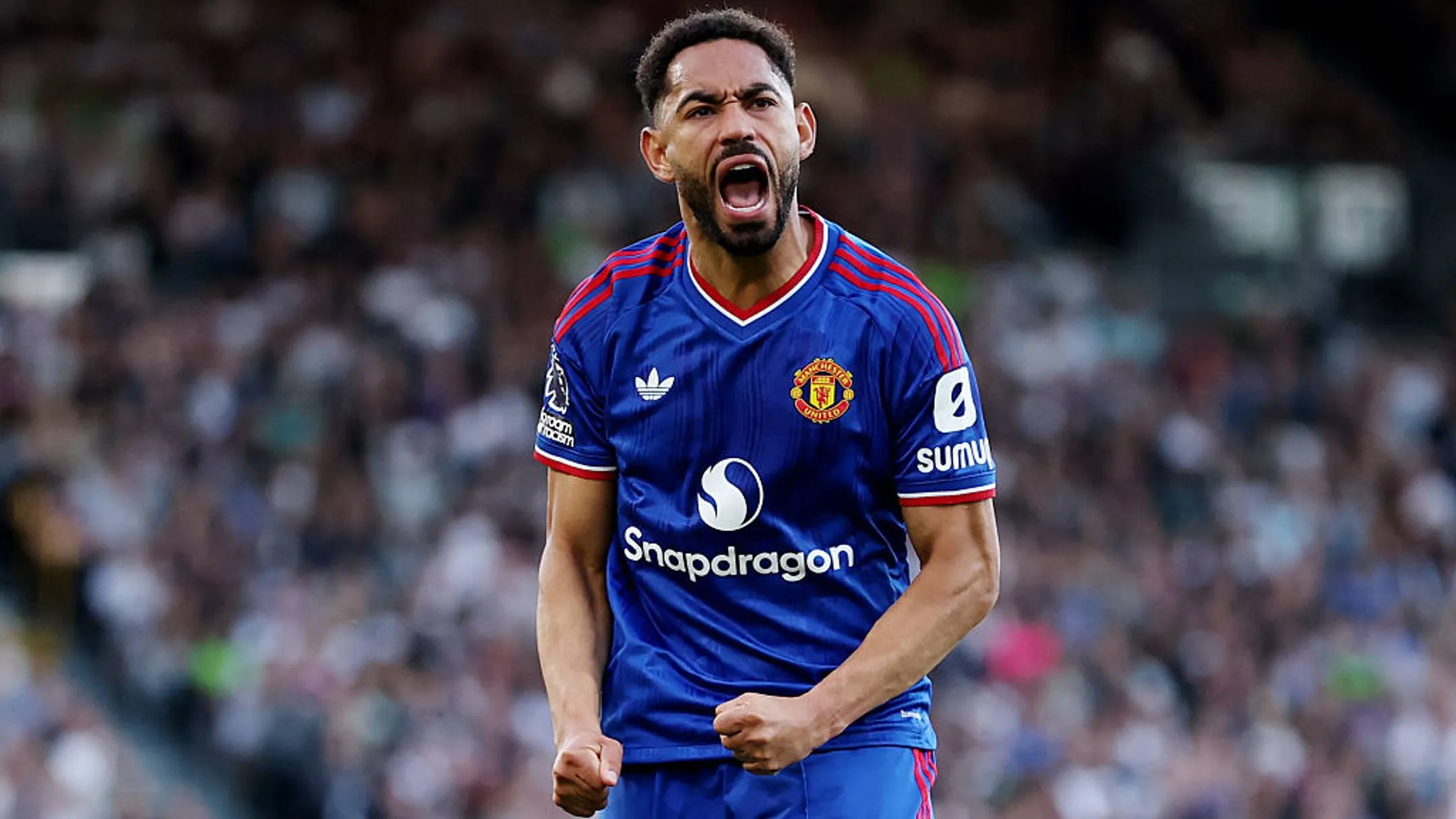
Matheus Cunha rescued a 1-1 draw for Manchester United at Craven Cottage after Lisandro Martínez’s own goal had given Fulham the advantage. It was a result that spared United a defeat, but it did little to calm the criticism that followed a second-half collapse in intensity.
The first half was lively enough without producing a goal, with United showing occasional fluency through quick passing and tidy combinations. After the interval, though, the level dropped sharply. That decline became the major talking point of the afternoon, especially after Gary Neville described the 15 minutes after halftime as the “worst” he’d ever seen his club play since he started watching the Red Devils as a 5-year-old in 1980.
Michael Carrick will take the point, but the performance against one of the Premier League’s early strugglers raised more questions than answers. United looked most dangerous when speed entered their play, yet that rhythm was too infrequent to control the contest for long.
Marcus Rashford’s display summed up the frustration. Having lost some of the momentum that followed his reintegration, the England international wasted several promising openings and never found the conviction United needed. His lack of intensity in front of goal matched the wider drop-off in the team’s attacking cohesion.
There were brighter individual showings. Senne Lammens impressed in the first half despite limited success with Fulham’s goal, while Bruno Fernandes came close to scoring when he struck the post. Kobbie Mainoo also maintained his standards before being withdrawn late on, and Cunha finished with a decisive contribution after earlier involvement in the goal sequence at the other end.
In the end, United left with a draw that felt more like a warning than a recovery.