Manchester United News
United’s summer omission and the striker debate inside the squad
United left the window without a striker, despite internal belief that one could have helped the attack.

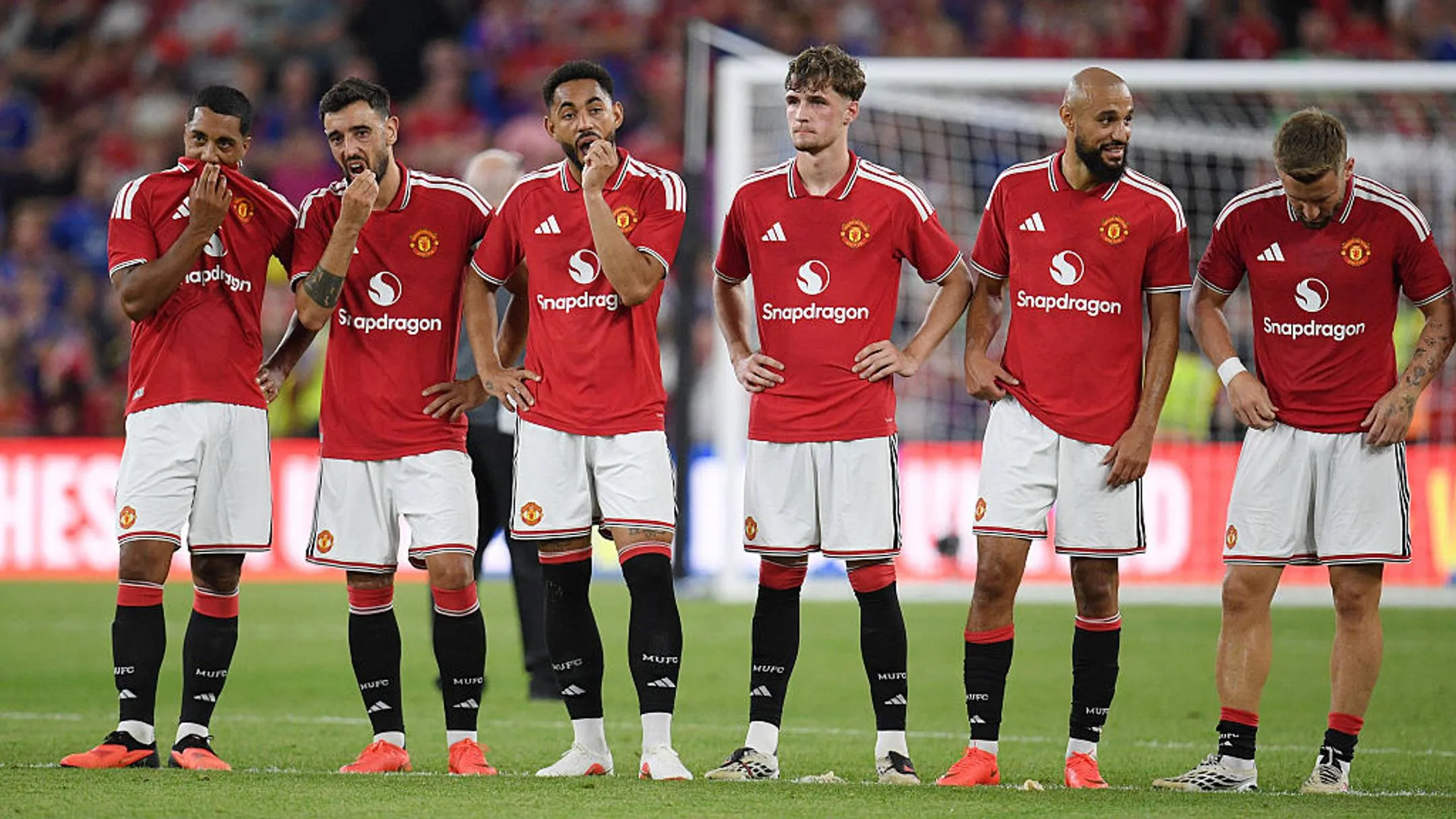
Manchester United ended the summer window without bringing in a new forward, even though it has since been reported that some players inside the squad felt a striker would have been a sensible addition.
The club’s recruitment activity did reshape other areas. Carrick now has five midfielders available for two positions, with Kobbie Mainoo and academy graduate Tyler Fletcher among them. In goal, United altered the department by sending Altay Bayındır out on loan and adding Karl Darlow as experienced cover for Senne Lammens.
At left back, there was no arrival. Lewis Hall was described as not for sale by Newcastle United, and no other short-term option was seen as workable. A new striker, meanwhile, seemed to sit low on the list of priorities despite brief links with Jean-Philippe Mateta and others.
The issue has become more noticeable because Benjamin Šeško is still working his way back to full fitness after an injury suffered in early May. So far this season, Matheus Cunha has started both Premier League matches in the No. 9 role. According to The Athletic, unnamed members of the squad wanted another striker because it would have allowed Cunha and Bryan Mbeumo to operate more in their best positions.
Mbeumo remains United’s right-sided starter, with Amad Diallo providing cover and competition. Cunha, who spent much of last season on the left and is generally viewed as an inside forward or No. 10, faces different complications. Bruno Fernandes owns the No. 10 role, while Marcus Rashford’s return has increased the competition on the flank. Patrick Dorgu also offers an alternative on the left.
With Šeško not yet fully settled and the Champions League adding to the demands on the squad, the No. 9 role looks like Cunha’s most plausible route. He has already led the line for Brazil, starting four of five World Cup matches in the summer as a centre forward, wearing the No. 9 shirt and scoring three goals.
Joshua Zirkzee remains at the club after Juventus signed Nick Woltemade from Newcastle, while Everton’s late interest was prevented by the deadline. The window has now closed, although free agents can still be signed, subject to registration rules. Any late arrival would not be eligible for Europe until the next registration window before the knockout rounds.




Manchester United News
Neville levels criticism at United’s defence and ownership after Villa draw
Neville blamed United’s defence, recruitment and ownership after the 4-4 draw with Villa.
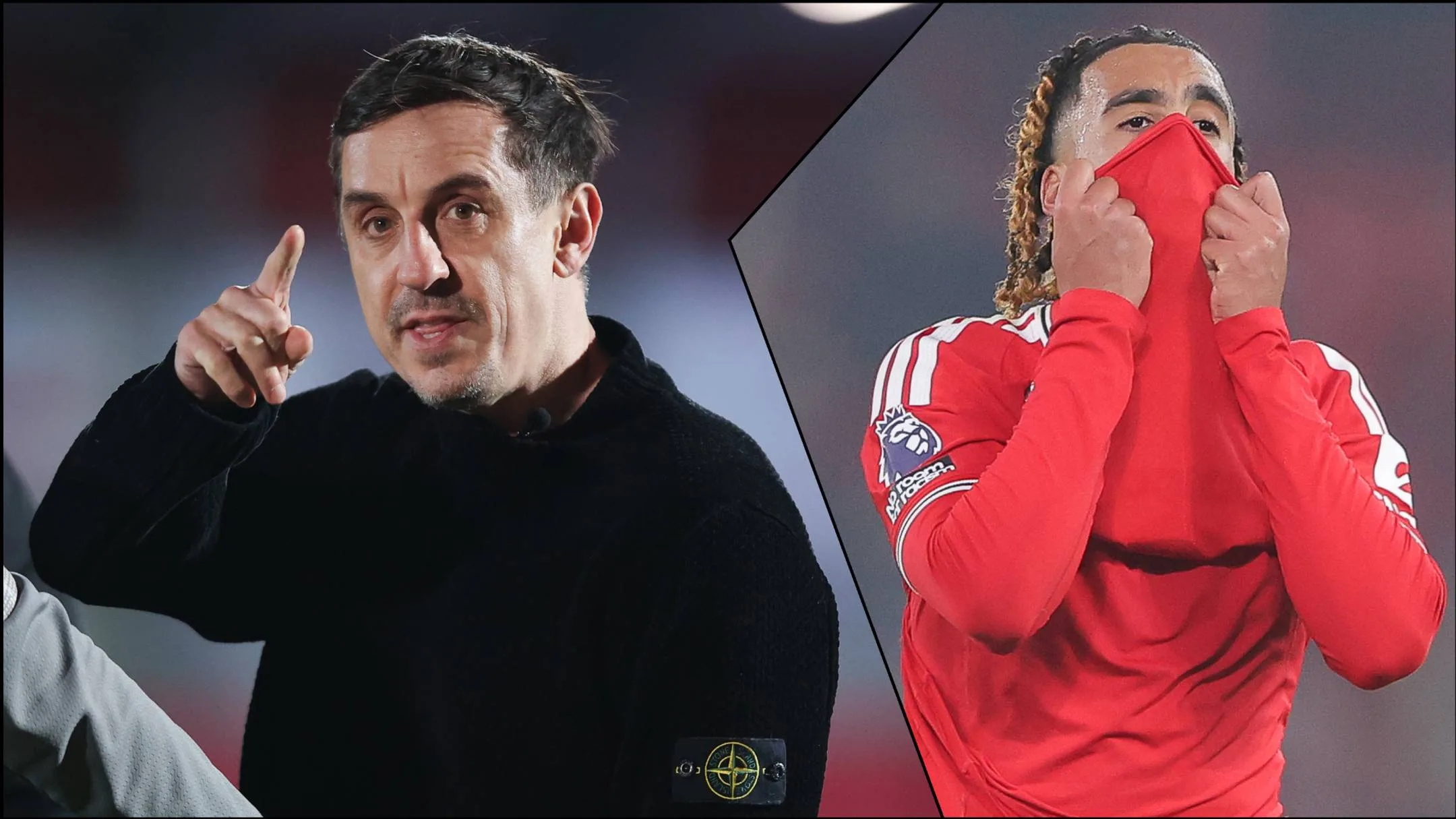
Gary Neville delivered a fierce assessment of Manchester United after Sunday’s 4-4 draw with Aston Villa, arguing that the back line which finished the match “will get you relegated.” His remarks focused on Noussair Mazraoui, Leny Yoro, Ayden Heaven and Patrick Dorgu, though Dorgu’s contribution in the match offered a more mixed picture than the others.
The retired right back was especially blunt on NBC Sports, saying: “The defenders that finished that game will get you relegated.” Dorgu, however, had helped United fight back by setting up Joshua Zirkzee for the goal that made it 4-3 before later heading in the equaliser himself during an effective 30-minute spell.
Yoro has also drawn scrutiny in recent weeks, including an error in the heavy defeat to Bournemouth and a moment against Villa that nearly produced an own goal before the fourth goal of the night arrived. Michael Carrick has defended the 20-year-old, saying he has “got a really big future.” Similar expectations remain around Heaven, although his difficult display against Roma suggested that his potential is still being developed.
Neville also questioned the wider approach to recruitment. He said: “The reason Manchester United have conceded four goals is because they haven’t invested in the defense in the transfer window,” adding, “Everyone knew they had to do that, they needed defenders. The current ones are making mistake after mistake after mistake.” He continued: “We all screamed in the transfer window that they have to bring some defenders in. They had to bring the transfer budget forward and bring defenders in.”
The former defender then widened the criticism beyond the manager, saying: “Michael could leave, Michael might stay, we don’t know,” and, “the ownership don’t have a clue what to do.” He argued that the club’s problems have persisted through multiple managers, saying: “It’s rinse and repeat,” and listing “Ruben Amorim, Erik ten Hag, Ole Gunnar Solskjær, Carrick, José Mourinho, Louis van Gaal, David Moyes, Ralf Rangnick” before concluding that poor recruitment and weak leadership have repeatedly undermined progress.
Manchester United
Michael Carrick holds firm as Manchester United weigh their next move
Carrick resists talk of departure as Manchester United’s hierarchy weigh their options.
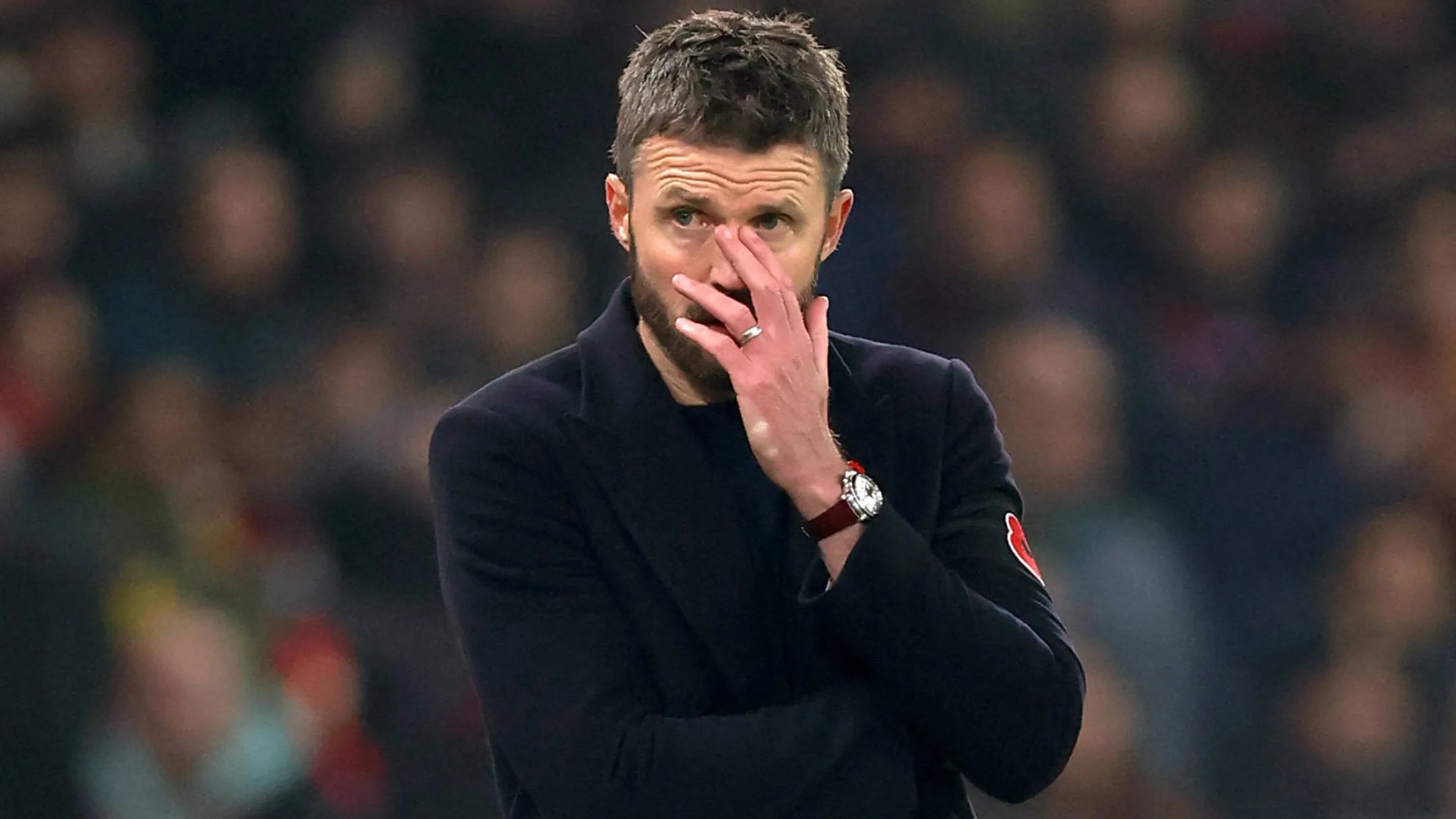
Michael Carrick gave little away when asked whether Manchester United’s hierarchy would use the international break to discuss his position. “Will there?” he replied, after a 3-0 defeat to Bournemouth had already deepened the pressure around the club.
That result had initially earned him a brief reprieve, but the picture at Old Trafford remained bleak. United followed with a collapse against Chelsea, then recovered to beat Roma in midweek before the dramatic meeting with Villa. Even with that mixed run, the team’s worst start in 40 years has left them in the relegation zone for at least another fortnight, and questions over Carrick’s future have only grown louder.
Sky Sports reporter Patrick Davison suggested the club’s leaders may now be weighing up what comes next. Carrick, though, pushed back sharply. “You’re telling me,” he said. “I’m quite clear with what direction the club needs to go in, and it’s got to win games. We haven’t won enough games, but I expect to move forward and keep working on the things that we’ve been working on and showing a lot of the good in the game today, tighten up on a few mistakes and win football matches.”
He was equally direct when asked whether he might resign. “I’m not,” he said.
For all the uncertainty, Carrick’s attachment to the job appears strong. A former United player for 12 years, he has family ties to the club and still follows the standards set by Sir Alex Ferguson. Former midfielder Nicky Butt has said Carrick had ruled out management, except at the club he values most.
There is also no sign that he has mentally checked out. Even before the recent revival, he was said to be “really looking forward” to the Roma game.
Whether he walks away or is moved on now rests elsewhere. Manchester United’s chief executive Omar Berrada and sporting director Jason Wilcox will help advise Sir Jim Ratcliffe on whether the club should pursue a fourth permanent manager in two years. For now, the results have bought time, but not certainty.
Manchester United
Glazer revenue claim underlines Manchester United’s deeper problem
Glazer’s latest claim has revived debate over Manchester United’s commercial strength and on-pitch decline.
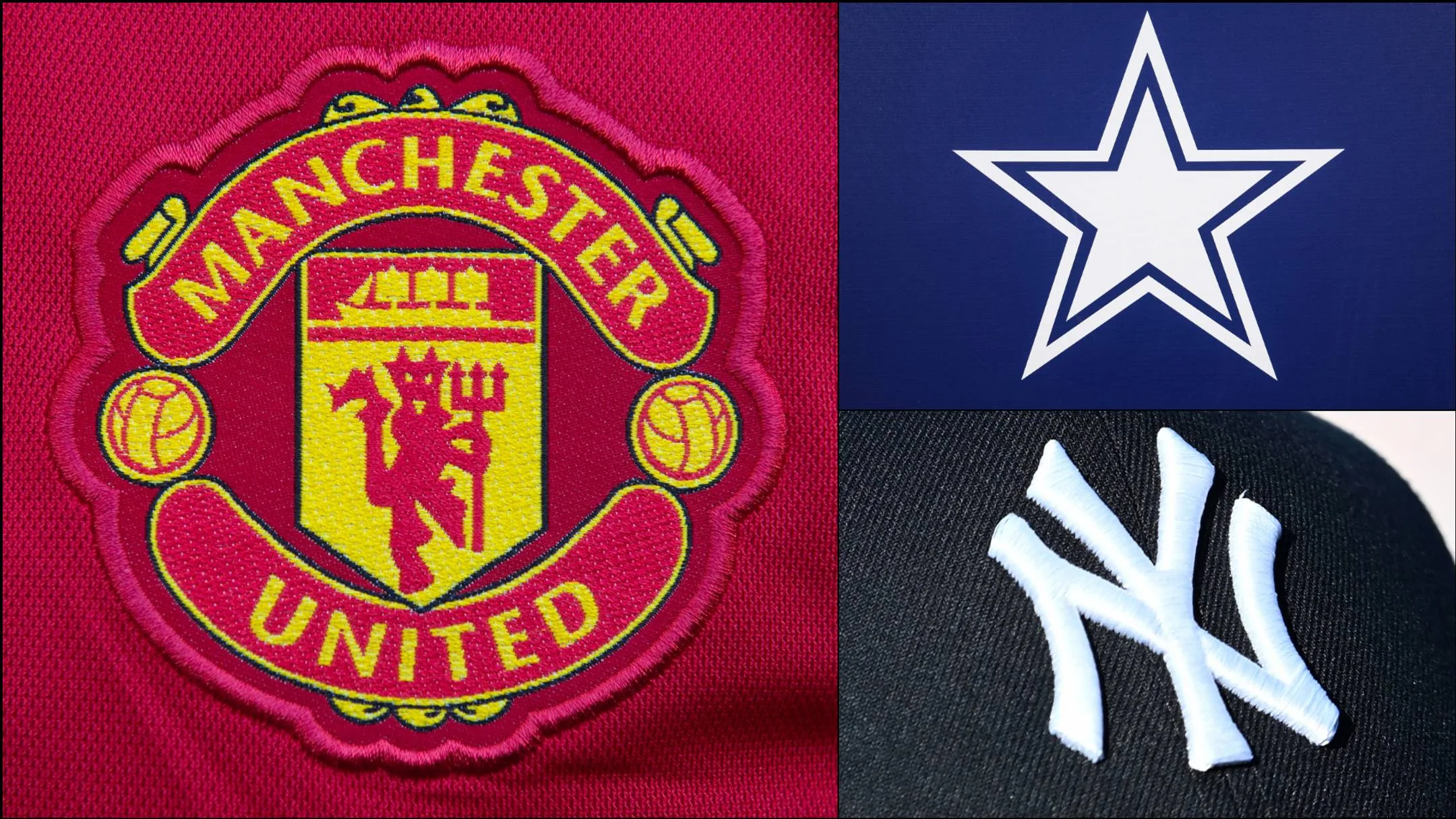
Avram Glazer has reignited frustration around Manchester United by arguing that the club can still attract major commercial income even when results on the pitch fall short. The remark, reported as part of a discussion with investors at Deutsche Bank’s inaugural Sports Investment Conference, has only sharpened scrutiny of the club’s ownership model and its long-running disconnect between sporting standards and business strength.
Manchester United have now cycled through seven managers in 13 years, with Michael Carrick said to have been close to the exit before a chaotic Champions League comeback briefly changed his outlook. That sequence has done little to dispel the sense that the club has been shaped by confusion rather than clarity since Ferguson’s departure.
The Glazer family has owned a majority stake since the controversial leveraged buyout in 2005, and fans have long accused them of treating the club as an asset rather than a football institution. Former defender Paul Parker once captured that anger by calling the club “the highest-profile ATM machine in world football.”
Glazer’s latest point, conveyed by The Athletic, was that United “are not dependent on success on the pitch for commercial power,” and he is understood to have compared the club with the Dallas Cowboys and the New York Yankees. Both are historic names whose value remains immense despite long gaps since their most recent major triumphs.
But the comparison only goes so far. While Manchester United remain among the game’s strongest commercial operations, their financial standing has been eroded by the rise of rivals whose on-field progress has translated into greater off-field strength. United’s commercial revenue has grown by only 9% over the past decade, far behind the expansion delivered by clubs such as Arsenal, Liverpool and Tottenham Hotspur.
That trend points to the central flaw in Glazer’s argument. United may still be powerful commercially, but their decline on the pitch has allowed others to close the gap, leaving the club less exceptional than it once was.