Manchester United
Manchester United’s Finest Premier League Seasons, Ranked
United’s finest Premier League seasons came under Ferguson, with 2007-08, 2006-07 and 1999-00 standing out.

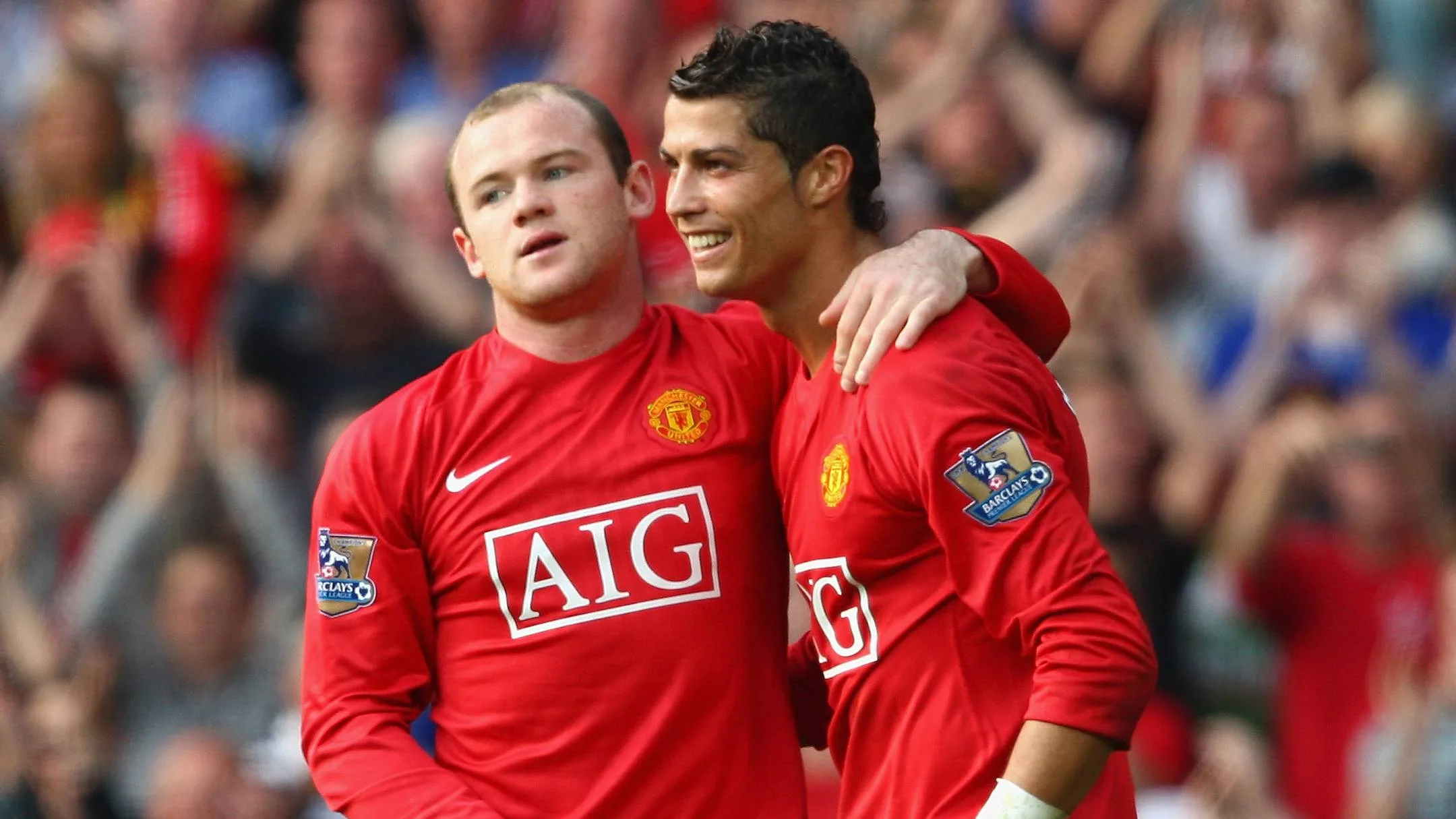
Manchester United remain the benchmark in Premier League history, built on a rare mix of academy products and elite signings. The Class of ’92, with David Beckham, Nicky Butt, Ryan Giggs, Gary Neville, Phil Neville and Paul Scholes, gave the side its core. Around them came players such as Ruud van Nistelrooy, Jaap Stam and Cristiano Ronaldo, helping shape an era of sustained excellence.
That is why selecting the club’s greatest Premier League seasons is so difficult. The best campaigns all belong to the Ferguson years, but even among those, the margin between outstanding and exceptional is narrow.
One of the clearest examples came in 2006–07. United did not collect every trophy available, finishing second in the FA Cup, reaching the Champions League semifinals and going out of the League Cup early. Yet the season stood out for the quality of their football. After several seasons of rebuilding and trying to match Chelsea, Ferguson’s third great side finally came together. Wayne Rooney and Cristiano Ronaldo led the attack, with Louis Saha and Ole Gunnar Solskjær adding further threat. United scored 83 league goals and 123 in all competitions, while Rooney and Ronaldo each finished with 23. At the back, Nemanja Vidić scored seven times and Patrice Evra established himself as a major figure, helping United place nine players in the PFA Team of the Year. Solskjær’s return after nearly three years out injured, plus Henrik Larsson’s short loan spell, added to the sense that this was a team rediscovering its identity.
The 2007–08 season took that level even higher. United won the Premier League and Champions League, but the defining story was Cristiano Ronaldo. He moved from gifted and unpredictable to genuinely dominant, scoring 31 league goals and 42 in all competitions. He also scored United’s goal in the Champions League final against Chelsea and finished the calendar year with both the Ballon d’Or and FIFA World Player of the Year awards. Alongside Wayne Rooney and Carlos Tevez, he formed one of the most feared attacks in league history, a reflection of Ferguson’s ability to turn raw ability into greatness.
Then came 1999–00, when United asserted total domestic control. Fresh from their treble, they retained the league title by 18 points, became the first side to reach 90 points in a 38-game season and set a new club record for goals scored. They also wrapped up the title earlier than any previous Premier League winner. United ended with 11 straight victories, scoring at least three times in nine of them. Dwight Yorke and Andy Cole led the way, with their partnership producing 46 goals across all competitions.




Manchester United
Ratcliffe under fire as United supporters voice renewed anger
Ratcliffe’s comments on Britain and immigration have prompted a new no-confidence statement from United supporters.
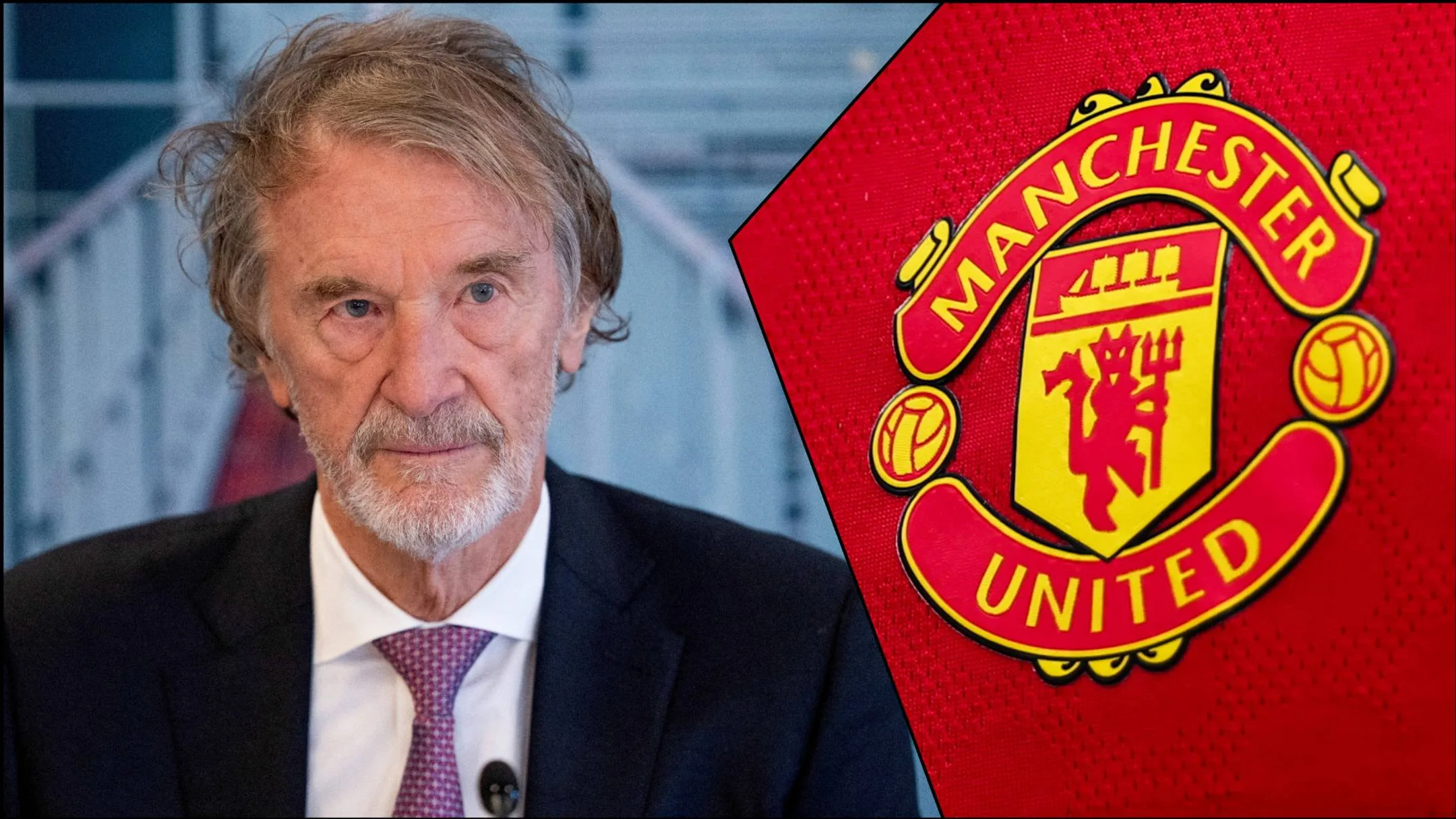
Sir Jim Ratcliffe is facing fresh criticism from within the Manchester United support base after comments he made about Britain and immigration triggered another backlash.
The Manchester United Muslim Supporters Club has issued a statement of no confidence in the club co-owner, saying his latest remarks were “deeply disappointing and completely unacceptable.” The group had already condemned similar comments before, when Ratcliffe apologised for what he said was his choice of language. But it now believes little has changed.
“We condemned those comments then,” the MUMSC wrote. “He [Ratcliffe] subsequently apologized for his choice of language. We hoped a lesson had been learned. Clearly, it has not. This week, Sir Jim has again placed immigration and people receiving benefits at the center of his explanation for Britain’s problems, arguing that nobody is ‘tough enough’ to deal with either.
“We find these latest comments deeply disappointing and completely unacceptable.”
Speaking to the BBC at the launch of the European Union’s first carbon capture and storage system on Saturday, Ratcliffe said the U.K. had once been “a fantastic place” and pointed to what he described as the country’s historic strength.
“We had the greatest empire in the world. We were a great people. We won two world wars.”
He then added: “Nobody’s tough enough to deal with the immigration problem,” Ratcliffe claimed. “Nobody’s tough enough to deal with the benefits problem. But somebody needs to do it.”
The response has not been limited to supporters. U.K. minister for women and equalities Bridget Phillipson also took aim at the Monaco resident, saying: “Of course, we want to see a successful economy that involves supporting our businesses to deliver the very best, but you’ll forgive me if I do take with a pinch of salt what someone who is a tax exile has to say about our country.”
The MUMSC stressed that Manchester United is built on a mix of backgrounds and identities, noting that the club’s “players, staff, stewards, security teams and supporters come from different countries, cultures, ethnicities, religions and backgrounds. … Manchester United would not be Manchester United without them. That diversity isn’t a weakness of Manchester United. It is part of Manchester United.”
Its frustration has been sharpened by hopes that Ratcliffe’s arrival in 2024 would bring change after years of dissatisfaction with the Glazer family, whom the group said had “presided over Manchester United’s decline.”
Hull City
Jakirović admits Manchester United ambition as Carrick pressure grows
Jakirović has named Manchester United as a dream job while Carrick faces growing scrutiny.

Hull City manager Sergej Jakirović has made clear that he is aiming high, with Manchester United on his radar as speculation continues around Michael Carrick.
Carrick has come under sharper scrutiny after United managed only two wins from six matches in all competitions, with the recent collapse against Brighton & Hove Albion only intensifying the discussion around his position. The United boss has dismissed the idea that his job should already be in doubt, calling it “ridiculous”, but that has done little to calm the wider talk.
Jakirović has now added another layer to the conversation by openly stating his admiration for the United post. When asked whether he would think about a return to Dinamo Zagreb, the Croatian said to RTL: “Where am I? I’m looking towards Manchester United … I’m looking more towards here to get to the biggest clubs because I think you should dream.”
At this stage, Carrick is not in immediate danger. His strong work in the second half of last season, when United climbed into Champions League qualification after being written off under former boss Ruben Amorim, remains an important part of the picture. That recent progress is a major reason club officials are understood to be behind him and expect a recovery.
Even so, modern football leaves little room for comfort. If results continue to go badly, decision-makers at Old Trafford will have to consider every possibility, including life after the current manager.
United’s meeting with Fulham on Sunday offers a chance to steady the mood. Another poor result would not end Carrick’s time in charge, but it would deepen the pressure and make the international break far more uneasy for him.
Manchester United
Carrick Dismisses Exit Talk After United’s Early Stumble
Carrick has dismissed exit speculation after United’s poor start, insisting the situation is not a disaster.
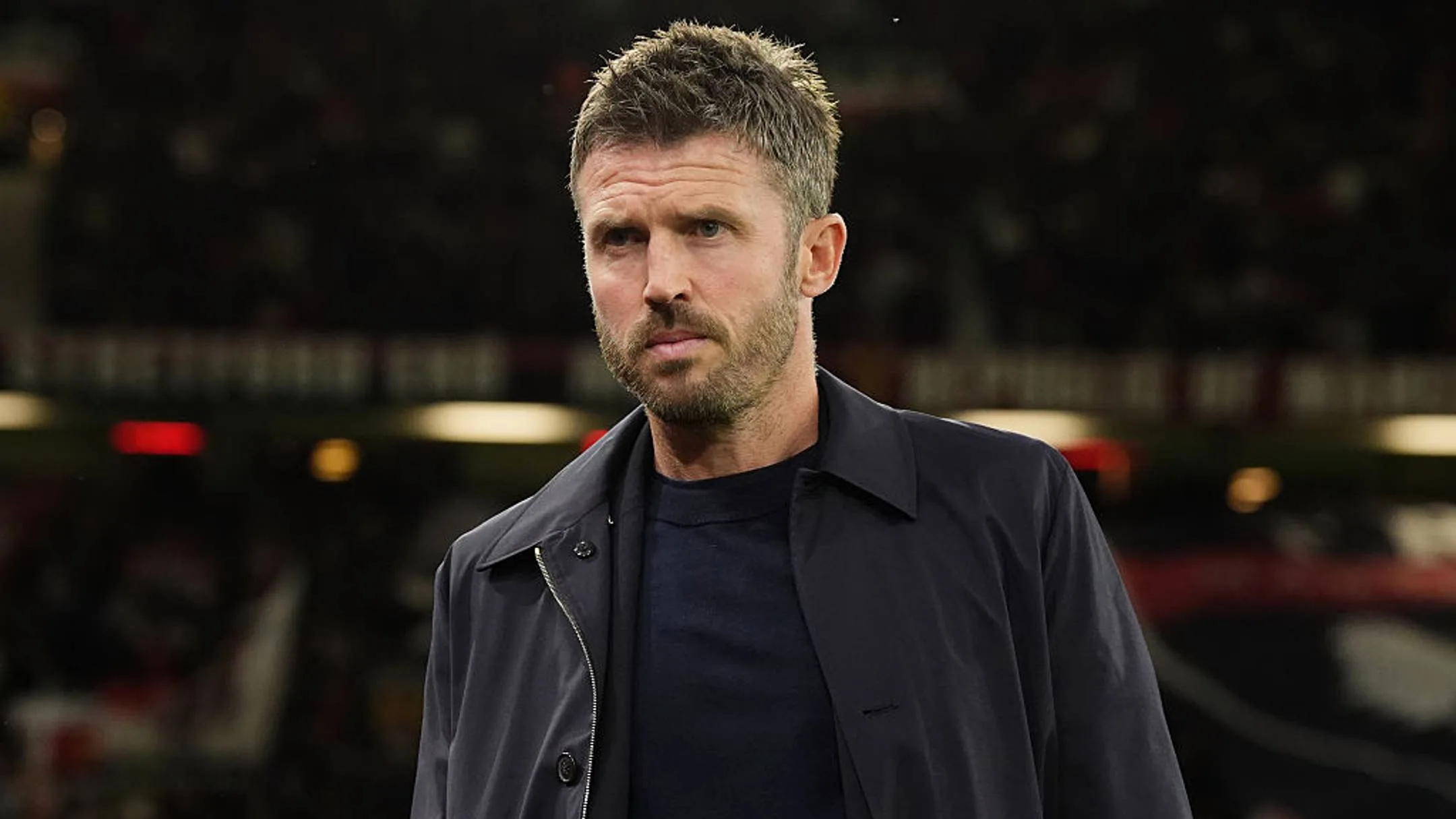
Michael Carrick has rejected the growing noise around his Manchester United future, calling the speculation “ridiculous” after an uneven opening to the 2026/27 season.
United’s campaign began with a defeat to Hull City, and the pressure has intensified following back-to-back setbacks against Manchester City and Brighton & Hove Albion. The derby loss came in the Premier League, while Wednesday’s Carabao Cup defeat to Brighton was even more frustrating after Carrick’s side allowed a two-goal lead to slip away.
There has been no shortage of criticism, yet Carrick insists the talk about his job security is detached from reality. Speaking before Sunday’s meeting with Fulham, he made clear that he understands the standards at the club and is focused on the work rather than the noise.
“I know the club, I know the role, I know what’s expected here in terms of playing to a certain standard and achieving certain things on the pitch,” the 45-year-old said ahead of Sunday’s clash with Fulham.
“In terms of future and ownership and how long I’ve got in the job, that’s totally not in my thinking. It’s ridiculous to think that way in the position I’m in, that’s just not on the radar.
“It’s two or three games. It’s two or three games too many because I really hate losing, but that doesn’t mean the world caves in. In some minds it does, it can’t for us.”
He later added: “It’s not a catastrophe or a disaster. It’s not the end of the world,” a view supported by the team’s underlying numbers.
Despite the defeats, United’s data is not as bleak as the results suggest. They have the second-highest expected goals total in the Premier League at 8.3, the most touches in the opposition box with 139, and only three sides have created more big chances. Defensively, only three teams have conceded less expected goals than their 5.2, while their expected points tally of seven is behind only Arsenal and Manchester City.
With only six competitive matches played so far, Carrick still has time to steady the team, provided he remains in post. Since taking charge in January, he has lost only five matches and records a 61% win rate.