International
Referees’ Pay: How World Cup Match Fees Compare with Top League Salaries
World Cup refs can earn up to $100,000 in five weeks; Premier League refs earn $227,000-$240,000 vs.


Referees have long pursued World Cup appointments with the same ambition players show for international selection. Officiating at the game’s biggest tournament is paid work rather than voluntary service, and the compensation on offer at the 2026 World Cup is substantial.
The Times report that officials at this summer’s tournament can earn up to $100,000, with additional bonuses for taking charge of matches in the latter stages. The maximum sum will be collected by the official who referees the final. That figure represents a clear rise on 2014, when referees earned about half of what is on offer this year.
The composition of the refereeing panel has drawn attention. The majority of referees at the 2026 World Cup hail from UEFA, although last season’s Champions League final referee Daniel Siebert of Germany has been curiously overlooked. Just under 29% are European. There are nine referees from Concacaf, including Tori Penso and Ismail Elfath from the United States. César Arturo Ramos and Katia Itzel García represent Mexico, while Drew Fischer is the only Canadian official named.
The World Cup is a concentrated payday for officials because the top fees are delivered over a short window. By contrast, Premier League referees are paid $227,000 to $240,000 across a full campaign lasting nine months. Anthony Taylor and Michael Oliver are the Premier League representatives at the tournament, with Video Assistant Referee Jarred Gillett also included.
La Liga pay structures differ. As of 2024, data provided by The Athletic show La Liga referees receive an approximate fixed annual salary of $157,000, with about $5,375 paid per match and roughly $29,000 for image rights.
Those figures underline how a World Cup assignment can equal or surpass season-long earnings elsewhere because of the condensed schedule and match bonuses available at the international tournament.




Chelsea
Martínez details lasting damage from finger injury and jaw setback
Martínez says his finger injury is permanent and explains why a transfer collapsed after the World Cup.
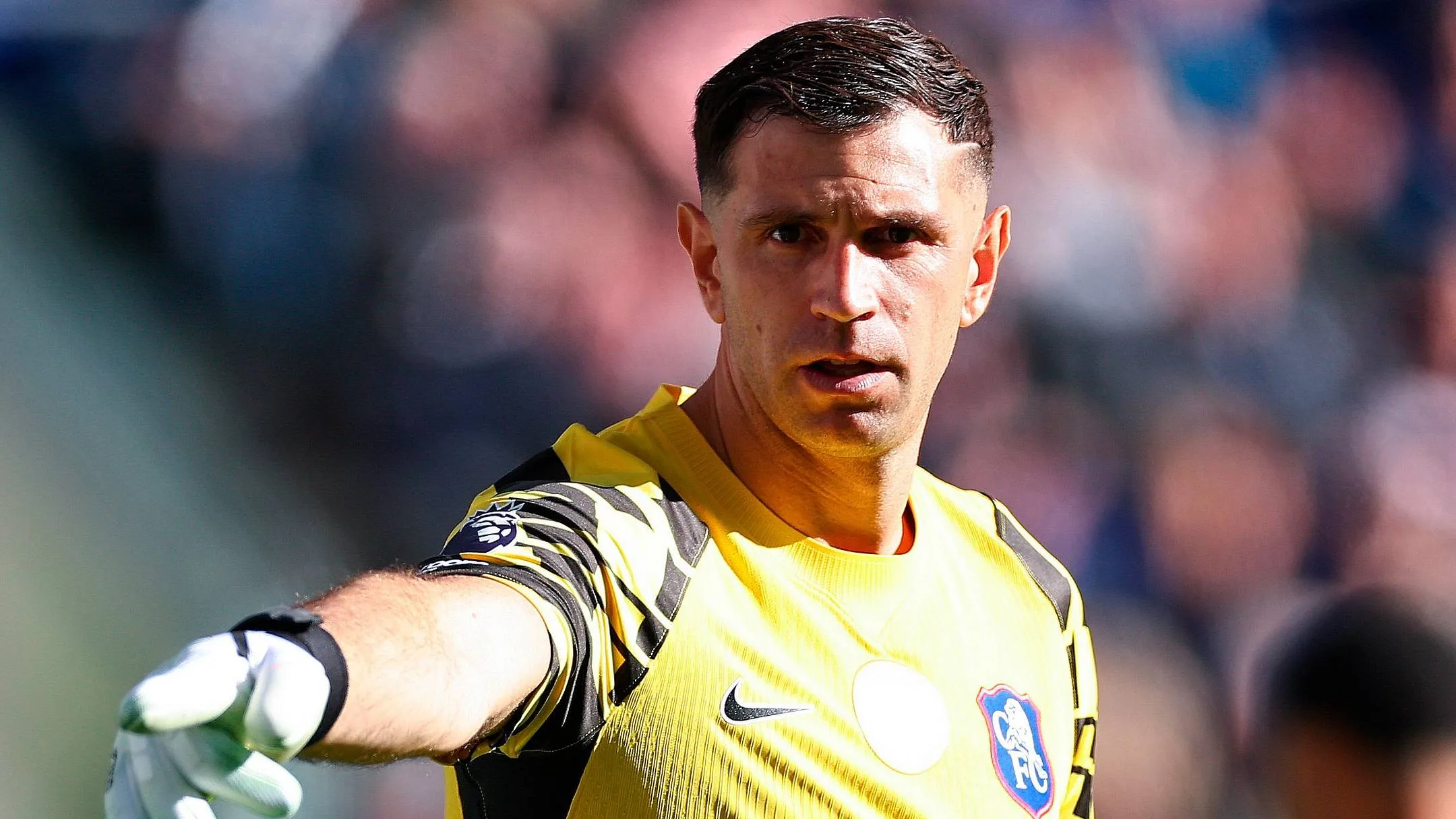
Chelsea goalkeeper Emiliano Martínez has explained the scale of the injuries that have marked the last few months of his career, saying he will never fully close his right hand again after suffering a fractured ring finger during the 2026 World Cup period.
Martínez said the problem began in the Europa League final, when the finger detached and later proved to be broken in half. The former Aston Villa goalkeeper recalled being in tears when he saw the scan, fearing he would not make it to the World Cup. Rather than undergo surgery, he and Argentina’s medical staff chose a different route. He played with a plastic cast, heavy bandaging and a special glove made by adidas, with the finger put back into place and protected throughout the tournament.
The decision allowed him to start every match of Argentina’s run, though he admitted the injury limited him badly. Even on the eve of Argentina’s opener against Algeria, he said he was “diving like a zombie, with just one arm.” He also revealed he trained with a volleyball for most of the competition. Despite that, the finger still prevented a move to a Serie A club, believed to be Juventus, after the World Cup. Martínez said the transfer collapsed when a fresh X-ray showed the finger had broken again.
He eventually completed a move to Chelsea in the final hours of the summer window, but another setback followed soon after. Seven games into his Chelsea career, he collided with Everton defender Jarrad Branthwaite while attempting to claim a free kick. The impact left him with a broken jaw and concussion, and he has no memory of the incident.
“I preferred the jaw than the head to be honest,” Martínez said. “It was one of the most beautiful knockouts, in the UFC that would’ve been the knockout of the night. I saw birds flying around for many days honestly.”
Martínez required four screws in his jaw and is still unable to eat purées. Reflecting on the twin injuries, he said the finger remained the worse problem.
International
Five notable talking points from the 2026 Ballon d’Or vote
Ballon d’Or results brought surprises, with Fernandes, Ruiz, Olise and Simón all prompting debate.
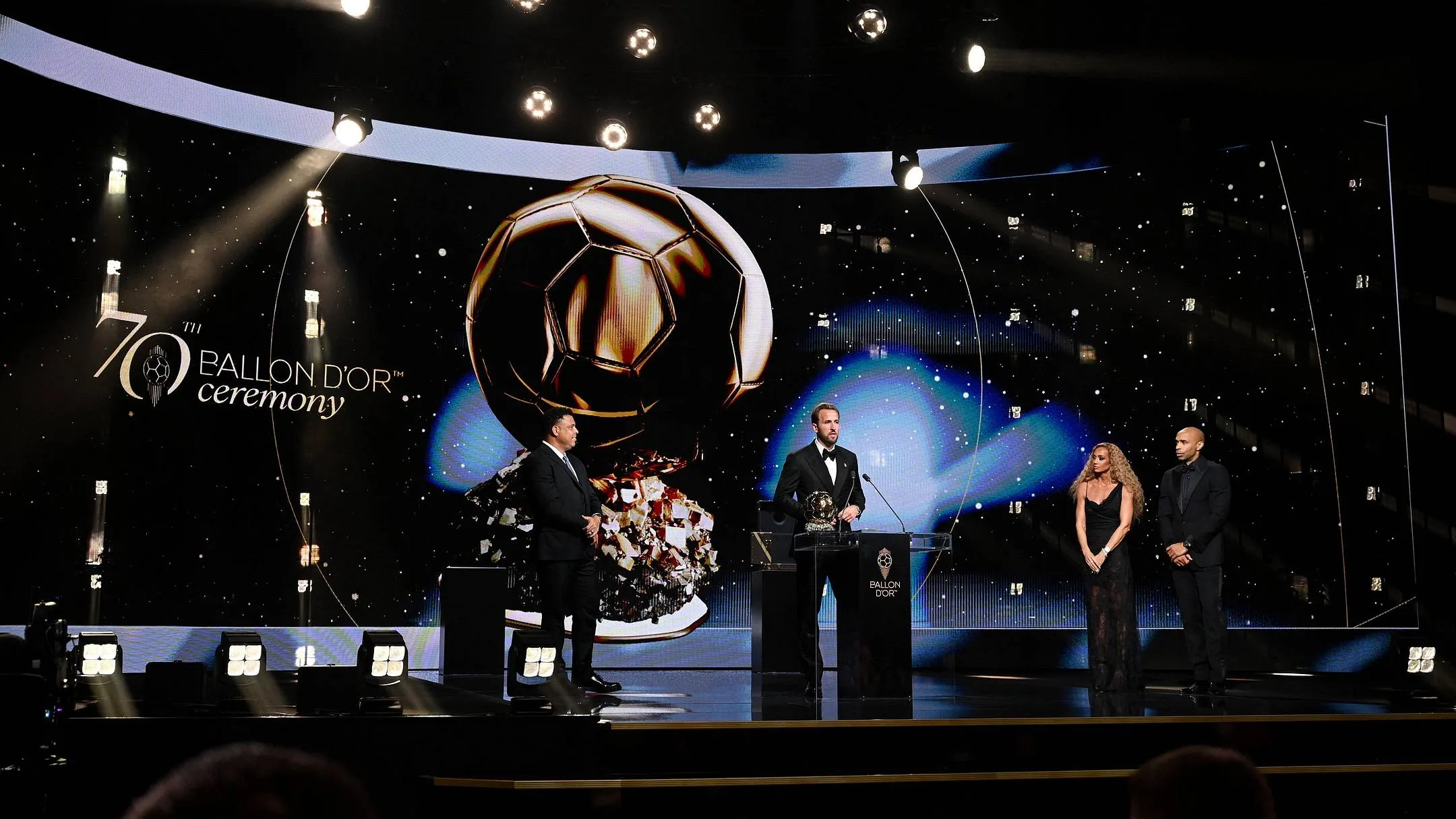
The 2026 Ballon d’Or has been settled, with Harry Kane finishing on top after a voting year that produced several eye-catching results.
The headline names at the summit were expected to draw attention, but the real intrigue came further down the list. Some finishes felt harsh, others reflected the weight of trophies, and a few placements invited closer scrutiny.
Bruno Fernandes was the most striking example. No one is suggesting he should have won the award outright, yet placing him 27th, only one spot ahead of Al Qadsiah’s Julián Quiñones, was a major surprise. The Manchester United captain may have been affected by a recent dip, even though the judging period was meant to end on July 19. Over the 2025-26 season, he set a Premier League record for assists in a single campaign and was named the division’s Player of the Year, but he still finished behind five other Premier League players. A place inside the top 15 would have looked far more reasonable.
Fabián Ruiz also caused debate. His case was built on medals, not volume. A regular for the Paris Saint-Germain team that kept the Champions League and won Ligue 1, he also added the World Cup with Spain. That is a strong résumé, yet 10th still feels generous when weighed against his workload. He played only 20 Ligue 1 matches, started 13 of them, and finished the season with three goals and six assists across 2,634 minutes for club and country.
Michael Olise, one place above Fabián, had a compelling claim to a far higher finish. In 52 matches for Bayern Munich, he produced 22 goals and 31 assists, then added seven assists at the World Cup, a tournament record. Those numbers were exceptional, even if they were compared with Kane’s even stronger output.
Unai Simón’s victory among goalkeepers was shaped heavily by Spain’s World Cup success. He conceded just one goal in the tournament, but over the full campaign he allowed 54 in 37 La Liga appearances for an Athletic Club side that finished 12th. His 64.9% save rate was bettered by 16 goalkeepers in Spain’s top flight alone.
The Kopa Trophy, meanwhile, went to the expected winner. Lamine Yamal finished third in Ballon d’Or voting and retained the youth award, which underlines how established he already is in the game.
International
Messi’s 2024 and 2025 prospects: who has progressed, and who has not
Messi’s 2024 and 2025 adidas picks have produced clear successes, setbacks and unfinished stories.
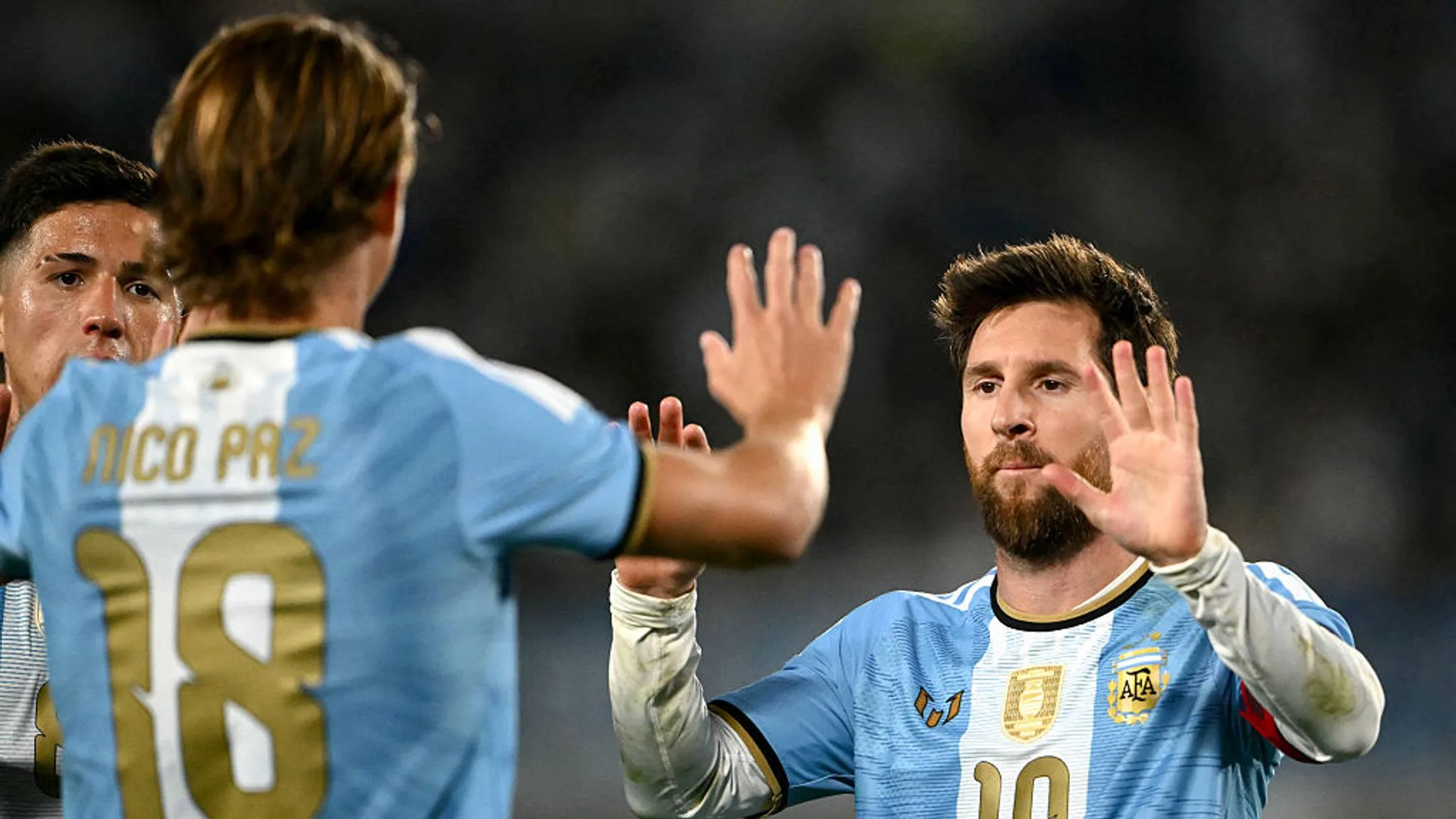
Lionel Messi’s latest adidas-backed list of rising players offers a useful checkpoint on how modern talent develops. The campaign includes Kees Smit, while the previous two editions, released in 2024 and 2025, give a wider picture of where Messi’s earlier selections now stand.
Some have moved forward quickly. Kenan Yıldız had already built a reputation when he earned Messi’s backing, and he has since become a key figure for Juventus, taking the club’s No. 10 shirt and establishing himself as one of the more advanced young forwards on the list. Vicky López has also added to an already strong résumé at Barcelona Femení, where she has won 16 major honours and collected both the TuttoSport ‘Golden Girl’ award in 2024 and the Kopa Trophy a year later.
Jaedyn Shaw continues to carry her reputation across club and country. After debuting in the NWSL as a 17-year-old, she now has 30 USWNT caps and 10 goals, while 2026 has brought another productive spell in the NWSL. Antonio Nusa has responded well to his move to RB Leipzig, where Martin Demichelis called him “one of the best wingers in the world”. Assan Ouédraogo has also started to emerge after a quiet opening season in Saxony.
Elsewhere, the picture is less settled. Joel Ndala has struggled to turn early promise into sustained progress and is now at Cercle Brugge. Claudio Echeverri, still on Manchester City’s books, is spending the 2026-27 campaign with Benfica after loan spells at Bayer Leverkusen and Girona. Eliesse Ben Seghir, Rodrigo Mora, Lily Yohannes and Mika Godts have all shown flashes, but each is still at a different stage of development.
There are also cautionary cases. Kendry Páez has not yet made a senior Chelsea appearance, while Mohamed Kader Meïté has yet to fully deliver at Al Hilal. Brajan Gruda, meanwhile, is on loan at RB Leipzig from Brighton & Hove Albion, where he recently scored a decisive Champions League goal. Messi’s list, in short, has produced both clear successes and unfinished stories.