International
Éderson Travels to Brazil Camp After £35m Move — Late Arrival Clouds World Cup Role
Éderson joins Brazil’s World Cup camp; late arrival makes him a rotation option for United and club

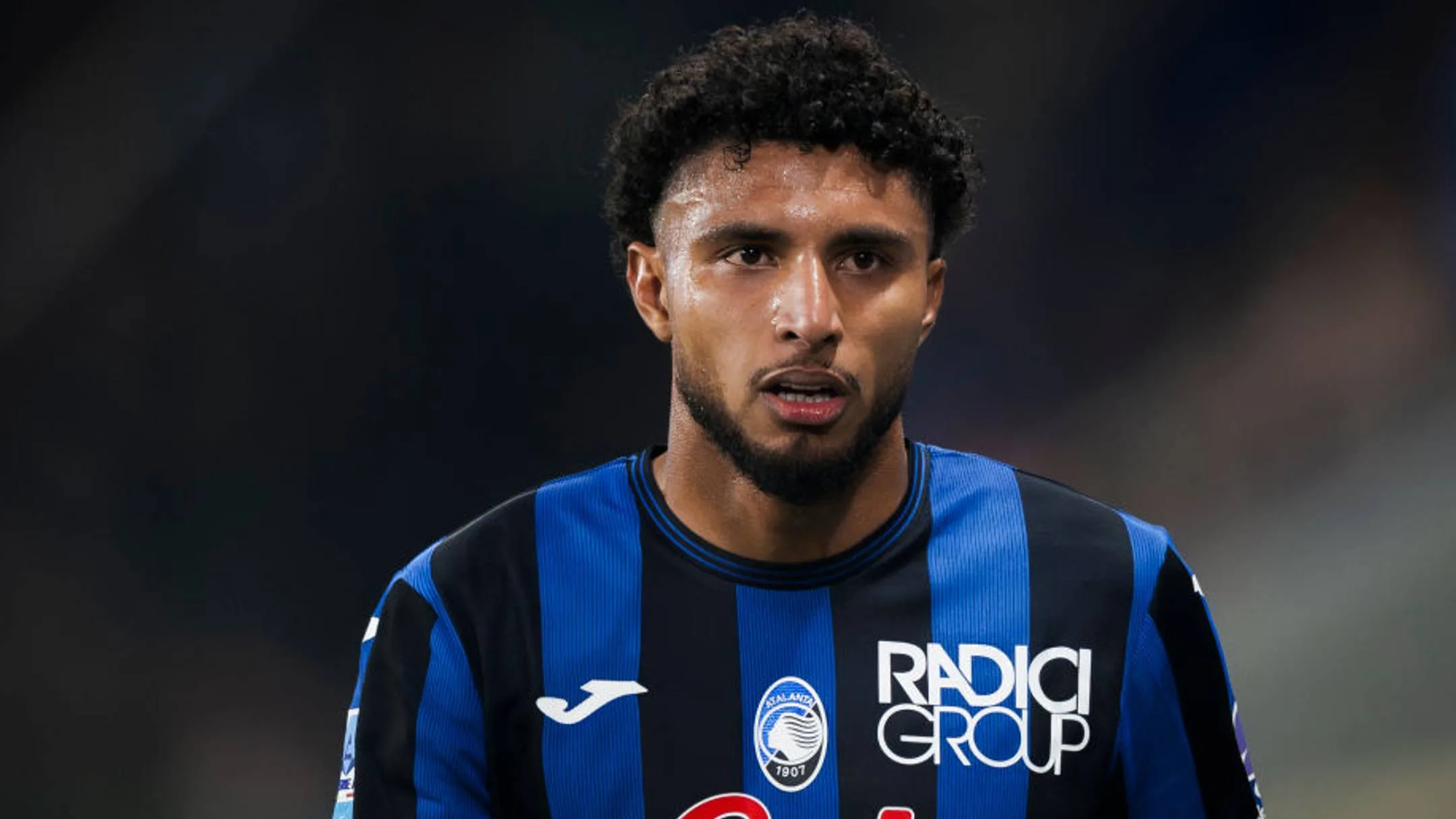
Éderson, on the verge of becoming a Manchester United player in a $46.9 million (£35 million) transfer from Atalanta, has joined Brazil’s pre-World Cup preparations. He will report to the pre-World Cup camp in New York and New Jersey on Monday.
Brazil’s soccer federation (CBF) expressed regret at “beloved” Wesley’s enforced withdrawal. That absence, plus Éderson’s late arrival, shapes a squad picture in which established midfield partnerships remain central to selection plans.
In Brazil’s two warmup friendlies against Panama and Egypt this week, manager Ancelotti persisted with Casemiro and Bruno Guimarães as the central midfield pairing. The outgoing Manchester United veteran and the box-to-box Newcastle United captain are therefore most likely to start Brazil’s opening group match against Morocco on June 13.
Éderson’s timing suggests he will begin the tournament low in the midfield pecking order. With former Liverpool No. 6 Fabinho the natural backup to Casemiro, Éderson is likely to find himself competing with Danilo to be the primary understudy to Bruno Guimarães.
The group offers potential for rotation. Brazil could secure a knockout berth after the opening two matches against Morocco and Haiti, creating scope to alter personnel before facing Scotland on matchday three.
History and recent tournaments show initial omission from a starting lineup need not be terminal. Kobbie Mainoo, only months on from his club breakthrough, managed to force his way into England’s Euro 2024 campaign after an early experiment with Trent Alexander-Arnold as a deep-lying playmaker did not work under Gareth Southgate.
An earlier precedent also exists in Brazil’s 2002 World Cup victory. Kléberson, a largely unknown Athletico Paranaense midfielder with five caps before the finals, moved from the bench in the group stage to a starting role in the quarterfinal against England and kept his place through the semifinal and final as Brazil claimed a sixth trophy.
For Manchester United supporters, Éderson arrives at the tournament with a clear route to break in, but initial minutes will depend on form, fitness and the durability of Brazil’s established midfield pairing.





International
Premier League launches Coast-to-Coast weekend across 15 U.S. cities
The Premier League’s Coast-to-Coast weekend brings all 20 clubs to 15 U.S. cities.

The Premier League is set to extend the momentum of the 2026 FIFA World Cup with a new Coast-to-Coast initiative across the United States for the opening round of the 2026/27 season.
The project runs from Friday, Aug. 21 to Monday, Aug. 24 and will feature watch parties for all 20 clubs. Supported by NBC, Peacock and USA, the league says events will take place in 15 U.S. cities, giving supporters the chance to gather around their team and connect with fellow fans.
In a statement, the Premier League said: “We are planning a nationwide celebration of all 20 Clubs, our players and all the exciting Premier League action—by bringing fans together across 15 U.S. cities for activations and watch parties during our opening weekend,”
The schedule covers the full division, with demand expected to be strongest around the traditional ‘Big Six.’ Manchester United’s event will be held in New York, while Liverpool’s will take place in Boston. Arsenal, who open the league season, will have their U.S. gathering in Denver.
Manchester City’s watch party is set for Washington, D.C., while Chelsea and Tottenham Hotspur will both be represented in Texas, with Dallas hosting Chelsea and Austin hosting Tottenham Hotspur.
Other clubs will also be spread across the country, including Aston Villa in Chicago, Bournemouth in Tampa, Brentford in Atlanta, Brighton & Hove Albion in Kissimmee, Coventry City in Detroit, Crystal Palace in New York, Everton in Houston, Fulham in Atlanta, Hull City in Cincinnati, Leeds United in San Francisco, Newcastle United in Newark, Nottingham Forest in Chicago and Sunderland in Nashville.
Further details are expected later, and fans can register their interest here.
Bournemouth
USMNT names set for England across the 2026-27 season
A look at the USMNT players set to feature across England’s Premier League and Championship in 2026-27.

English football has long provided a platform for leading USMNT figures, and that remains true as the 2026-27 campaign begins. A number of players who have earned call-ups in the past year will spend the season in England’s Premier League and Championship, continuing a connection that has defined several generations of American internationals.
Tyler Adams is again part of that picture. Almost eight years after leaving New York for Europe, the defensive midfielder built momentum at RB Leipzig before moving on to Leeds United. A strong first year there ended in relegation, but Bournemouth stepped in and brought him back to the top flight. After an injury disrupted his first season on the south coast, he followed with two solid years.
Haji Wright arrives at the new season with momentum of his own. After spells in Germany, the Netherlands, Denmark and Türkiye, he settled at Coventry City and delivered 17 Championship goals last season to help them reach the Premier League. At 28, and with no previous top-flight experience in England, he faces a significant test under Frank Lampard.
Chris Richards has taken a different route to prominence. After failing to establish himself early at Bayern Munich, he has become a key figure at Crystal Palace since joining in 2022. His consistency helped drive Palace through their most successful spell, with Richards playing a major part in the FA Cup and Conference League successes under Oliver Glasner.
Antonee Robinson has spent his career in England and has continued to progress at Fulham after coming through at Everton and spending time on loan at Bolton Wanderers and Wigan Athletic. His 10 assists from defence in 2024-25 underlined his influence.
Brenden Aaronson remains at Leeds after helping the club return to the Premier League in 2025, while Patrick Agyemang must recover from a long-term Achilles injury that could keep him out until 2027. Sebastian Berhalter has joined Middlesbrough from Vancouver Whitecaps, and Aidan Morris is already established there after a busy 2025-26 campaign.
International
Tyler Adams says USMNT must turn tournament chances into trophies
Tyler Adams says trophies matter, with the USMNT eyeing Nations League, Gold Cup and Copa América.
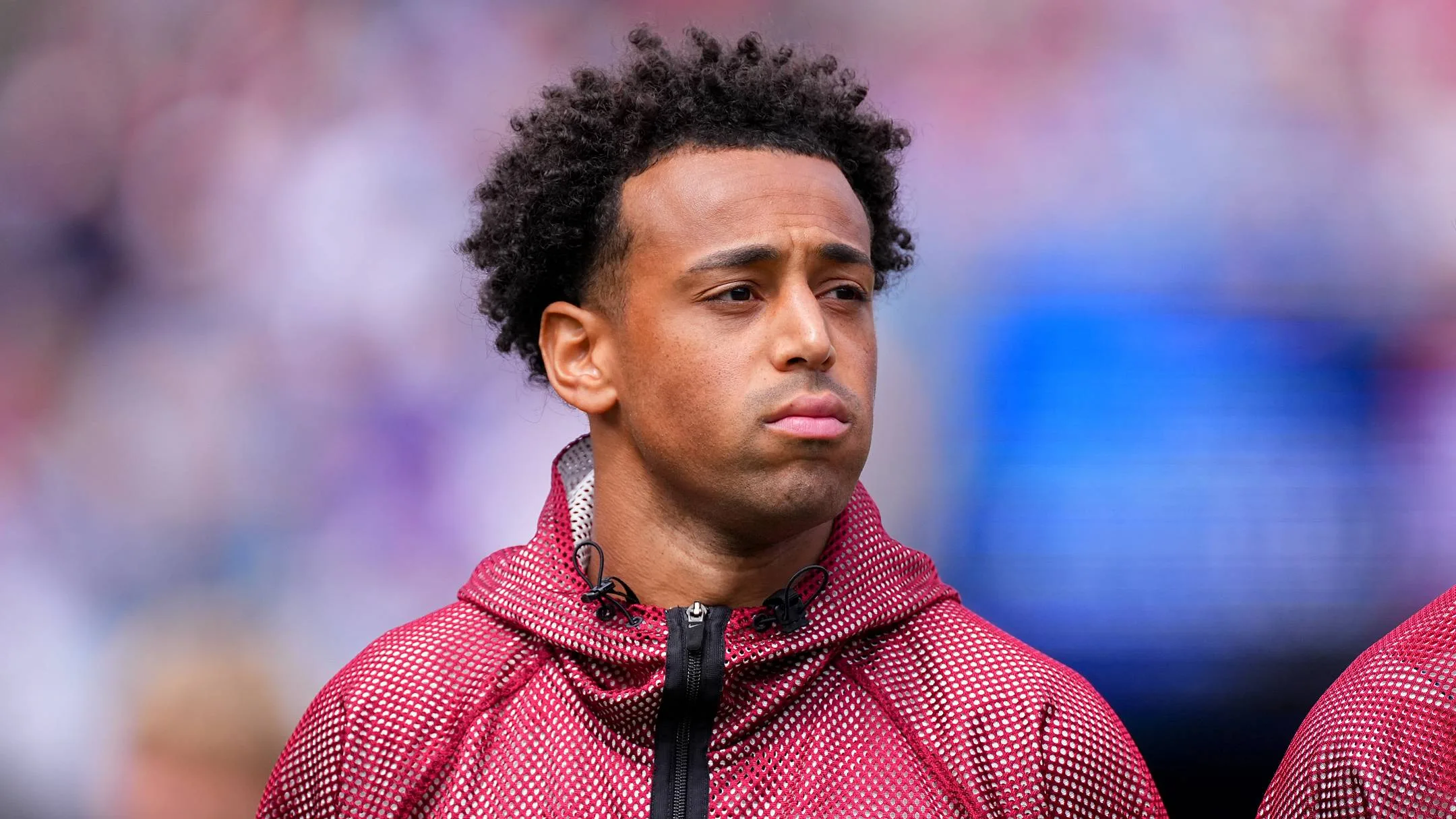
Tyler Adams has made the target clear: winning matters. After the United States men’s national team came up short of a World Cup breakthrough this summer, he believes the next stage of progress has to be measured in silverware.
The argument is not simply about lifting trophies for their own sake. In Adams’s view, success in regional competitions can shape the mentality of a group and prepare players for the highest-pressure matches later on.
“Winning trophies is super important. That feeling is contagious. I think you saw it when we were under Gregg Berhalter winning the three Nations Leagues; it’s just that feeling of knowing that in any competition, you’ve been at those stakes before and you understand what it takes,” Adams tells Sports Illustrated. “Getting that feeling at a younger age, so that you’re hungry to chase it again and you want it again, is super important… I think it will be super important throughout the next cycle.”
The USMNT’s next opportunities arrive on a familiar regional path. If it progresses past the Nations League quarterfinals in November, a first trophy chance comes in March. The 2027 Gold Cup follows, with a likely invitation to the 2028 Copa América still to be confirmed.
Adams also drew a sharp distinction between preparing a national team and training a club side. “Tactically, you’re never going to have the ability to be as sound with a national team as you are with a club because you just can’t train it every single day,” Adams adds. “It’s not always easy to find chemistry with your best players… There are a lot of different things that you can say, but the Nations League, Gold Cup, Copa América, and those things are just crucial in feeling what it’s like to play in knockout games, games under a little bit more pressure, and to prepare you for the biggest moments.”
The wider picture includes both youth and experience, with 16-year-old Cavan Sullivan mentioned as one possible depth option. Adams also believes the summer has changed how U.S. soccer is seen, and how home support may develop.
“I think that the win against Australia was huge, and after just walking around as a team, celebrating those goals, singing ‘Country Roads,’ like that was a moment for me that young players and fans will look at and say they want to be a part of,” Adams says. “You sort of expect [that energy] moving forward in terms of support from fans.”
That growth extends beyond the national team, into MLS and the youth level, where Adams has helped launch a mini-pitch campaign to widen access and create safe spaces for children.

Garnacho’s social post after Aston Villa debut raises eyebrows over Chelsea exit

One priority signing each Premier League club should target before the window closes