International
Seven realistic destinations for Pep Guardiola after Manchester City
Guardiola’s next move could be Spain, PSG, Italy, England, Mexico, UAE or a sabbatical. Longer break

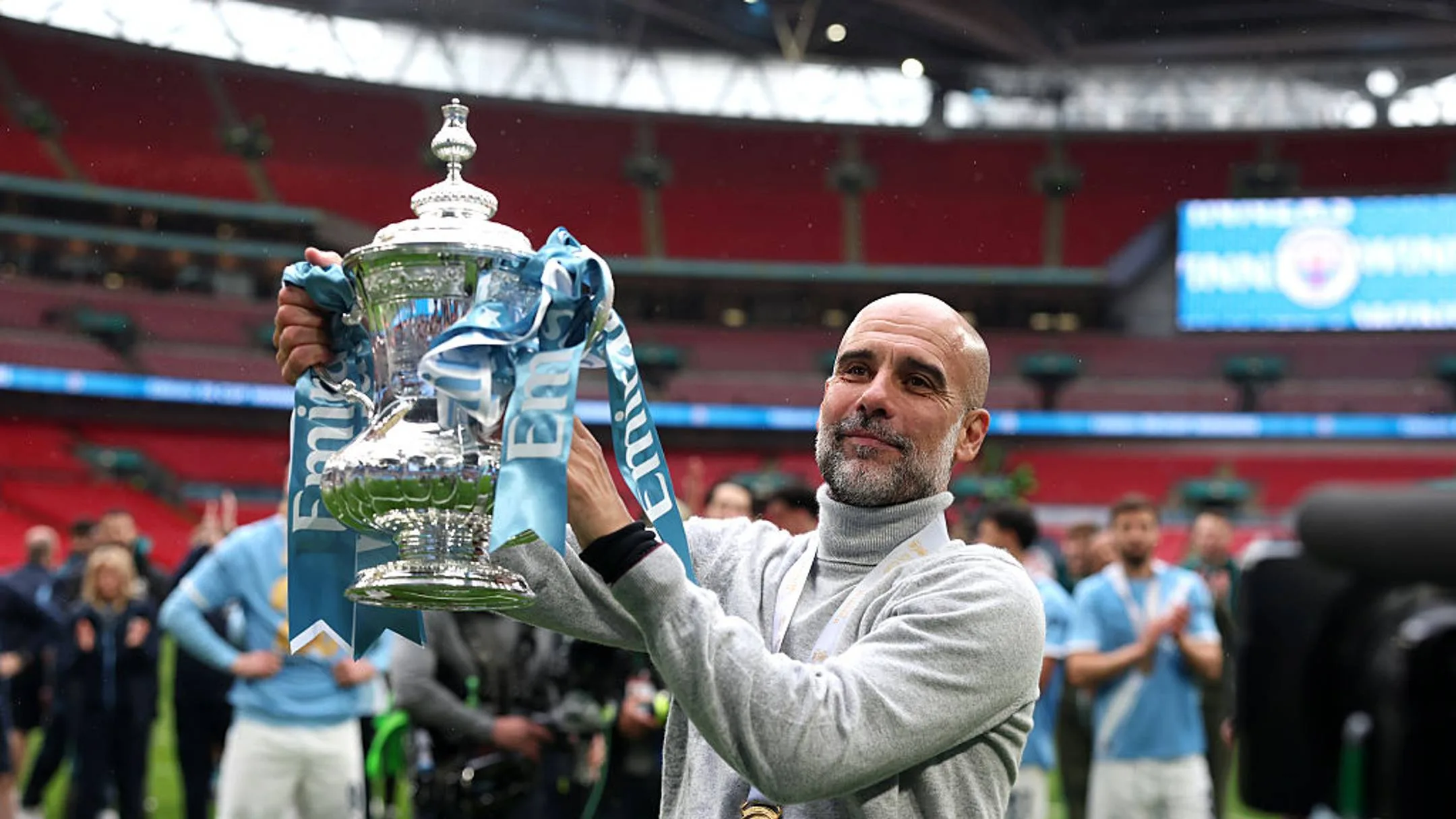
Pep Guardiola’s decision to leave Manchester City after a decade will force a recalculation across the game. His time at the Etihad has seen City dominate English soccer; the club later became the first in England to win four league titles in a row, and Guardiola’s 2022–23 treble matched Manchester United’s 1998–99 success.
This season, widely reported to be his last before City appoint former assistant coach and ex-Chelsea manager Enzo Maresca, Guardiola has already delivered a domestic cup double. It could become a domestic treble if they can snatch the Premier League title from Arsenal.
Guardiola has previously spoken of a desire to manage a national team. “In our lives we have dreams of what we’d like to do in the future, but it doesn’t mean it’s going to happen,” Guardiola said at the time. “I would like to play a World Cup and a European Championship. I would like to live that situation. When I see the World Cup, I think I would like to be there. I had just one chance to do it as a player [in 1994]. In eight, 12, 14 years maybe it could happen. It’s just a dream I have as a manager and a person. Maybe it happens, maybe it doesn’t.” He was more cautious in 2024: “What I’m not going to do is leave Manchester City and go to another country. I wouldn’t have the energy to do so.” When asked specifically about Spain eight years ago he said he thought it was “not going to happen,” so that option remains uncertain.
Club and national options line up differently. Paris Saint-Germain could be possible if Luis Enrique moves on; Enrique has ended PSG’s Champions League hoodoo and Guardiola would have the chance to become the first manager to win the European Cup with three clubs, having already won it with two alongside Enrique, Jupp Heynckes, Ottmar Hitzfeld, Ernst Happel, José Mourinho and Carlo Ancelotti.
Spain would be the most obvious national role given his playing history of 47 caps and captaining Spain to Olympic gold in 1992. Italy presents another attractive project after missing a third straight World Cup in 2026; Guardiola also played for Brescia and Roma. England is plausible in the longer term while Thomas Tuchel’s contract runs to after Euro 2028. Mexico, where El Tri have endured seven round-of-16 exits in the last eight tournaments and have not reached a quarterfinal in 40 years, is another option; Javier Aguirre is currently in his third spell. The United Arab Emirates could offer a developmental brief: the country has not reached a World Cup since 1990 and missed chances to qualify for 2026 against Qatar and Iraq.
Finally, Guardiola has shown he values time away from the game. When burnt out at Barcelona he took a year-long sabbatical living on Manhattan’s Upper West Side and said he loved having a relatively normal life away from Europe’s spotlight.

International
Seven Ballon d’Or disputes that still define the award
A look at the Ballon d’Or’s most disputed decisions, from early exclusions to modern outrage.
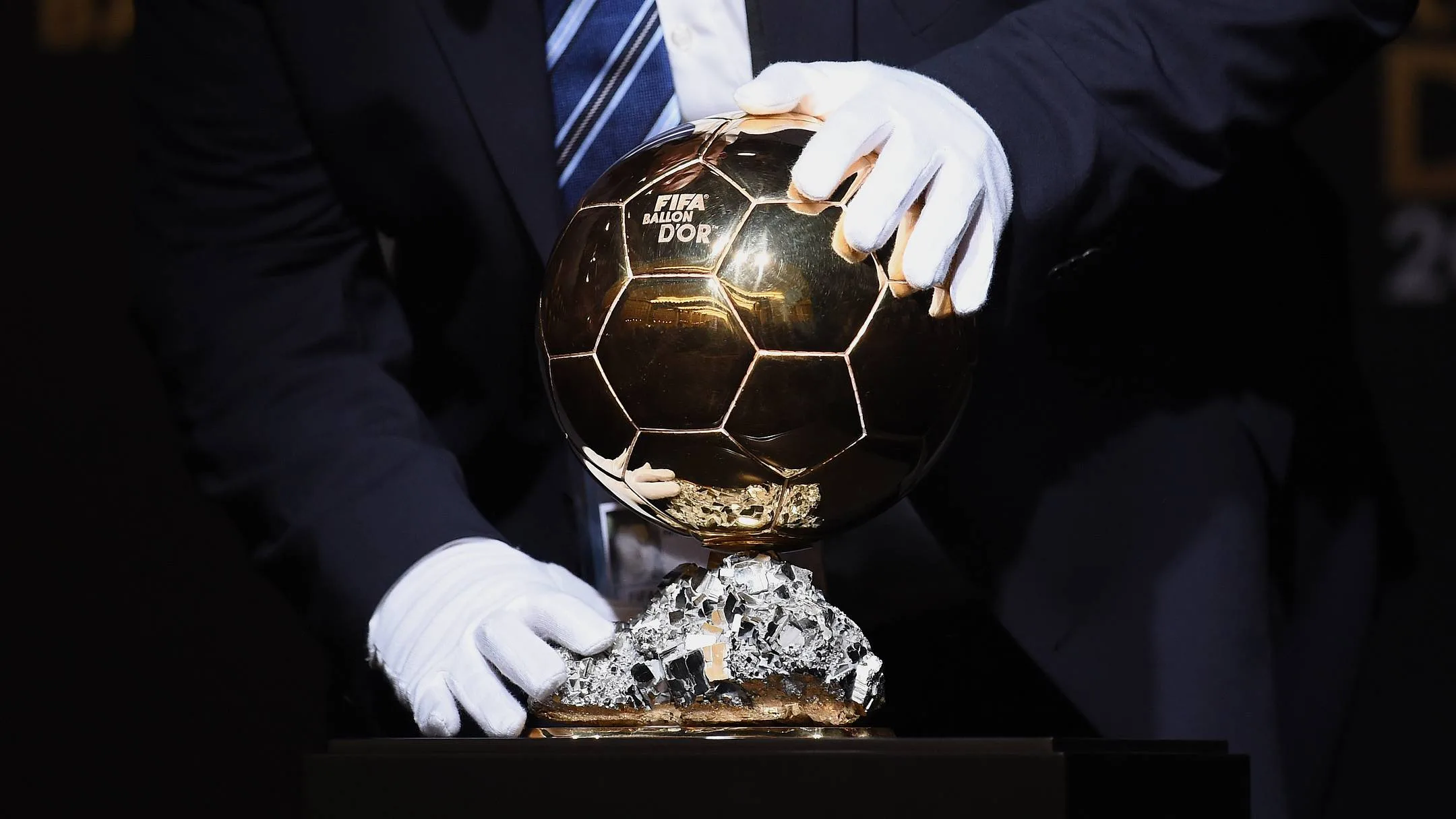
The Ballon d’Or was created in the mid-1950s by writers Gabriel Hanot and Jacques Ferran as a journalistic prize for the best European player in Europe. What began as a straightforward honour has become one of football’s most argued-over awards, with every era producing its own flashpoints.
By 2026, the contest sits in a different world. The Messi-Ronaldo period and the wider rise of individual acclaim have only intensified the debate, with stars such as Kylian Mbappé and Lamine Yamal now openly seeking votes. Yet the award has never been decided unanimously, and its history is crowded with choices that have baffled observers.
The early rules left out the world’s great non-Europeans until 1995, which means names such as Pelé, Diego Maradona, Mario Kempes and Romário do not appear among the winners. The inconsistencies did not stop there, as players such as Alfredo Di Stefano and Omar Sívori were eligible through dual citizenship.
Kevin Keegan’s 1978 win remains one of the oddest, especially when set against the year he had, while Kenny Dalglish finished only eighth despite 31 goals and a European Cup final winner. More recently, Erling Haaland’s 52 goals in 53 games during Manchester City’s treble season still were not enough to prevent Lionel Messi taking the prize.
The 2010 vote also caused lasting frustration. Messi profited from split support between Andrés Iniesta and Xavi, while Wesley Sneijder, central to José Mourinho’s treble-winning Inter Milan side and the Netherlands’ run to the World Cup final, ended up fourth. Diego Milito, despite a major season, was not even nominated.
Michael Owen’s 2001 success is still disputed, with Raúl’s La Liga dominance prompting the headline “Stolen Ballon d’Or” in Spain. In 2003, Pavel Nedvěd beat Thierry Henry, who had become the first player to reach 20 league goals and 20 assists in a Premier League season.
The 1960 result also drew scrutiny, as Luís Suárez prevailed while Ferenc Puskás finished second despite 47 goals in 36 games. More recently, Vinícius Jr being passed over for Rodri led to Madrid’s boycott of the Paris ceremony and a pointed statement from the club.
Arsenal News
Xhaka withdrawn from Switzerland squad after admitting forged Covid certificate
Xhaka is out of Switzerland’s squad after admitting he obtained a forged Covid-19 certificate in 2022.
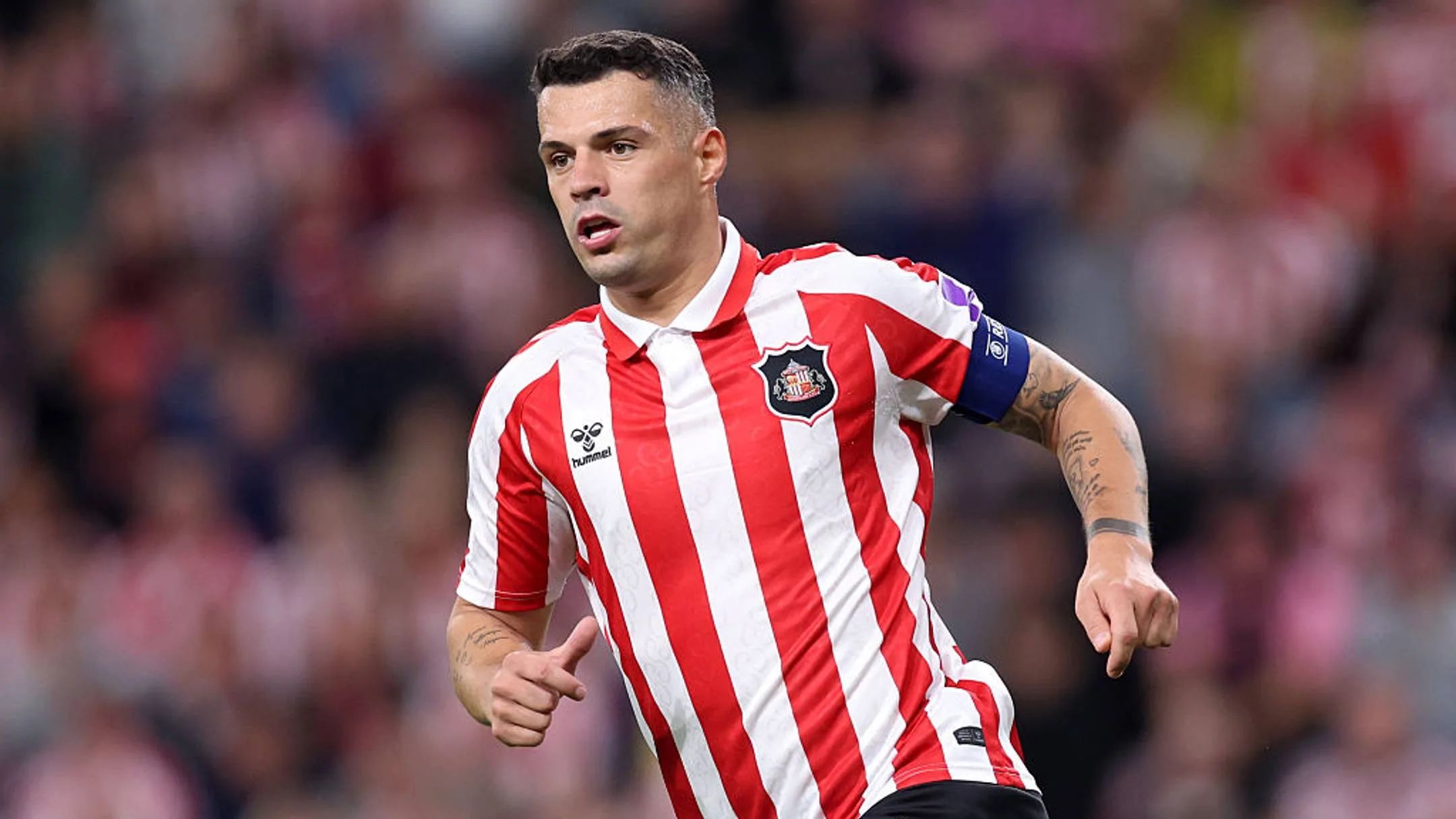
Granit Xhaka has been taken out of Switzerland’s squad for the rest of this international window after acknowledging that he obtained a forged Covid-19 vaccination certificate in 2022.
Xhaka said the decision was “not the right course of action” and described it as a “mistake.” He also issued an apology, but the matter has moved beyond a public statement. Before posting his message as an Instagram story, he had already been in contact with the Swiss Football Association (SFV).
The issue resurfaced after Blick ran the headline last Friday, ‘Did Xhaka buy a fake Covid certificate?’ The report said the document was obtained from a doctor in Lucerne. Police searched those premises in 2023 and “evidence seized.”
On Sunday, after the news emerged in Switzerland, Sunderland manager Régis Le Bris declined to address it directly, saying it was not his “area to speak about those problems or situations.” Xhaka had played the full 90 minutes in a 5-3 defeat to Manchester City, and had previously been an Arsenal player in 2022.
The prosecutor’s office in Lucerne confirmed to Blick that proceedings have been opened against Xhaka and the doctor involved. “The aim,” they say, “is to clarify whether there has been any criminally relevant conduct in connection with the possible fraudulent procurement of a false certification and/or forgery.” Xhaka is due to be questioned in early October.
The SFV said it “welcomes” Xhaka addressing the matter publicly and taking responsibility, after discussions with the national team legend on Sunday night.
“At the same time, we jointly concluded that it is in the team’s best interest to complete this training camp without him,” SFV president Peter Knäbel said. “Our priority now is to calm the situation and focus entirely on the team and the upcoming challenges in the UEFA Nations League. After the conclusion of this international match window, we will reassess the situation together with Granit and discuss the next steps.”
The broader issue is not vaccination itself. In Switzerland, vaccination was never a legal requirement, though proof of vaccination was needed for access to certain venues or travel. The central question is the alleged procurement of false or forged official documents.
Arsenal
Why the Premier League has another three-week wait for its return
The Premier League is paused for three weeks as international football takes over until October 10.
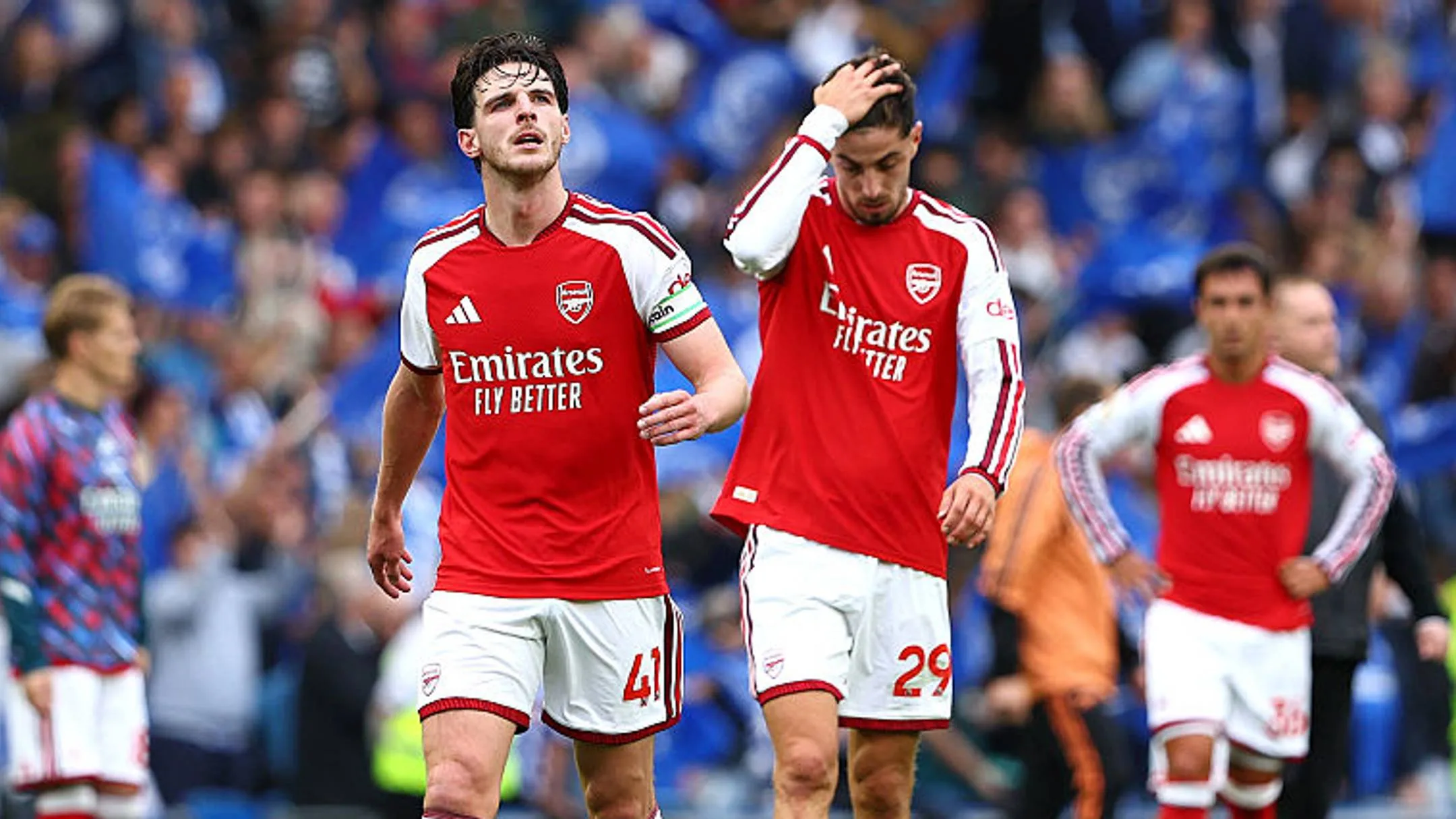
The first chapter of the 2026/27 Premier League season has already been completed, but there will be no league football for the next two weekends. An international break has taken over, and the domestic calendar will remain on hold until October 10.
That pause comes after a strong start from Arsenal, whose perfect record drew talk of a potentially one-sided title race. Yet Brighton & Hove Albion halted that run before the break, a result that offered a reminder that the leaders are not beyond reach.
For now, though, attention shifts away from club football and back to national teams. This is the first time sides have come together since the 2026 World Cup, and the next couple of weeks will be filled with fixtures that should keep supporters occupied.
The Premier League’s return is set for Matchday 6, when Arsenal open the weekend at Emirates Stadium against Leeds United. It will mark the restart of a schedule that has been interrupted by an extended pause created by the international calendar.
That calendar was changed by the FIFA Council in 2023, leaving only three international breaks this season. September and October have effectively been combined into one longer window, with further breaks still due in November and March.
The stoppage is not limited to England’s top flight. Club football across Europe has also been paused until the second weekend of October, while the 2026/27 UEFA Nations League begins to take centre stage.
Teams will play four times during this window, and several matches stand out. League A includes a rematch of the Euro 2024 final between England and Spain on Sept. 26, Germany against the Netherlands on Sept. 24, France at home to Italy on Oct. 2, and Portugal facing Norway on Oct. 4.