Arsenal
Fixture run-in: City overtake Arsenal as both face five-game shootout
City overtook Arsenal after a 1-0 win; five league games remain and the fixtures are tightly matched

Arsenal led the Premier League table for 197 days this season, but Manchester City’s 1–0 victory over Burnley on Wednesday night means they have now been leapfrogged. With five league matches remaining for each club, the title race shifts into a straight shootout over the closing weeks. City may currently lead the pack, but they must finish the job in the closing weeks.
Man City Fixtures
Everton (A) – May 4
Brentford (H) – May 9
Bournemouth (A) – May 17
Aston Villa (H) – May 24
*Crystal Palace (H) – Date TBC
*Game still to be rescheduled after prior postponement.
Arsenal Fixtures
Newcastle (H) – April 25
Fulham (H) – May 2
West Ham (A) – May 10
Burnley (H) – May 17
Crystal Palace (A) – May 24
On paper, Arsenal’s remaining schedule looks marginally simpler. Three of their last five games are at home, beginning with this weekend’s meeting with an out-of-form Newcastle United side. The Emirates then hosts Fulham a few days after Arsenal’s Champions League semifinal first leg with Atlético Madrid. The return leg will be staged just before Arsenal make the journey to relegation-threatened West Ham United on May 10.
Arsenal face already-relegated Burnley in their final home match of the season, and their finale is away at Crystal Palace. The Eagles could well rest players in that fixture should they reach the Conference League final, which is staged just three days later.
Man City have no European fixtures to worry about, but are still contesting the FA Cup. Their semifinal with Southampton comes this weekend, while the final will be staged on May 16 should they make it beyond the Saints. After their semifinal, Guardiola’s men aim to continue their red-hot form away at Everton on their return to league action, after which they host Brentford. Both sides have plenty still to fight for as they hunt European qualification.






Arsenal
Vinícius Jr salary link would push Arsenal’s wage bill to new heights
Vinícius Jr could top Arsenal’s wage bill, but Erling Haaland still leads Premier League pay.

Arsenal’s pursuit of Vinícius Jr. has been described as one that could reshape the club’s wage structure from top to bottom. Reports suggest the reigning Premier League champions are prepared to do whatever it takes to land the Real Madrid forward, with The Athletic also indicating that any package could be strengthened by a substantial sign-on bonus and image rights arrangement.
If a move is completed, the financial impact would be immediate. Even if Vinícius Jr. arrived on the same salary he currently earns at Real Madrid, he would still leap ahead of every player in the Arsenal squad. That alone shows the scale of the proposed deal and why it would be viewed as a major statement from the champions as they look to protect their crown.
At present, Bukayo Saka is Arsenal’s highest earner after signing a new five-year contract earlier this year reportedly worth around £300,000 ($402,000) per week. Kai Havertz follows on approximately £280,000 ($378,000) weekly, according to The Guardian. Declan Rice is reported by The Independent to earn around £250,000 ($337,000) per week, while Martin Ødegaard is said by The Athletic to be on approximately £240,000 ($319,000) per week, with his current deal running until 2028.
Those figures would all sit below a Vinícius-level salary. The Brazilian would move clear of Arsenal’s current top tier and become the club’s most expensive player by a significant distance.
Even so, that would not place him at the summit of Premier League pay. That position remains with Erling Haaland. The Manchester City striker signed a nine-and-a-half-year extension in January 2025, with The Guardian reporting that the contract is worth around £500,000 ($674,000) per week.
Arsenal
How Arsenal Might Shape Up If Guimarães Arrives
Guimarães could alter Arsenal’s shape, with Rice, Zubimendi and Ødegaard all affected by Arteta’s choices.
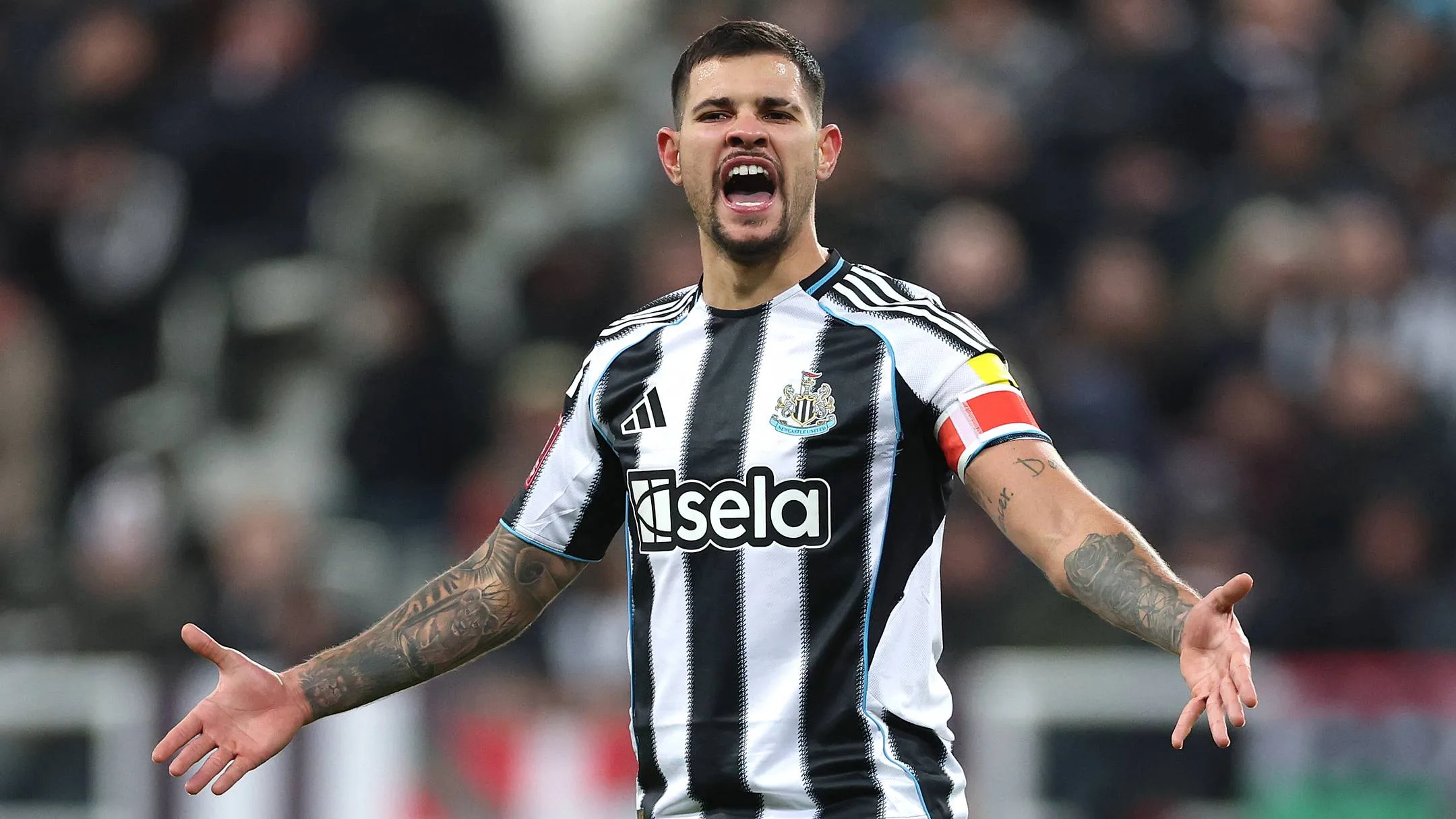
Bruno Guimarães is increasingly being linked with a move to Arsenal, and the signs point in one direction even if nothing has been completed. He is thought to be keen on the switch to North London, while his absence from Newcastle’s squad for its preseason training camp in Spain has only intensified the expectation that a transfer could be close.
If Arsenal do get the deal over the line, Mikel Arteta would be adding a midfielder with a rare range of qualities. Guimarães can operate as a holding player, step into a creative role or drive the team forward as a box-to-box presence, giving the manager a level of flexibility few players offer.
One option would be to keep the 4-2-3-1 shape Arsenal used across much of their 2025-26 Premier League title-winning season. That system usually featured Declan Rice and Martín Zubimendi as the double pivot, with a No. 10 in front of them, wingers on either side and a lone striker leading the line. In that scenario, Rice would almost certainly keep his place, which would leave Zubimendi as the likeliest player to step aside, even after a strong first season at the Emirates.
The logic is clear enough. Guimarães spent large parts of last season in a midfield two alongside Sandro Tonali, but was still able to move higher, join attacks and make late runs into the box. That freedom helped him finish with nine Premier League goals and six assists. The complication is that Rice also likes to advance, while Arteta may be reluctant to reduce Zubimendi’s influence after how valuable he became.
A second route may be more realistic: removing the No. 10 role altogether. Arsenal would still have width from Gabriel Martinelli and Bukayo Saka, while Noni Madueke and new signing Christos Tzolis provide further options. That would put Martin Ødegaard’s place under pressure. It would be a major call to leave out the captain, but his attacking return has dipped over the last two seasons. Last year, he managed just one goal and seven assists in 24 appearances, and often struggled to supply the decisive creative touch associated with him.
Arsenal
United’s Lewis-Skelly interest gains new angle amid Arsenal’s summer plans
United’s Lewis-Skelly interest grows as Arsenal weigh sales to finance summer transfer moves.
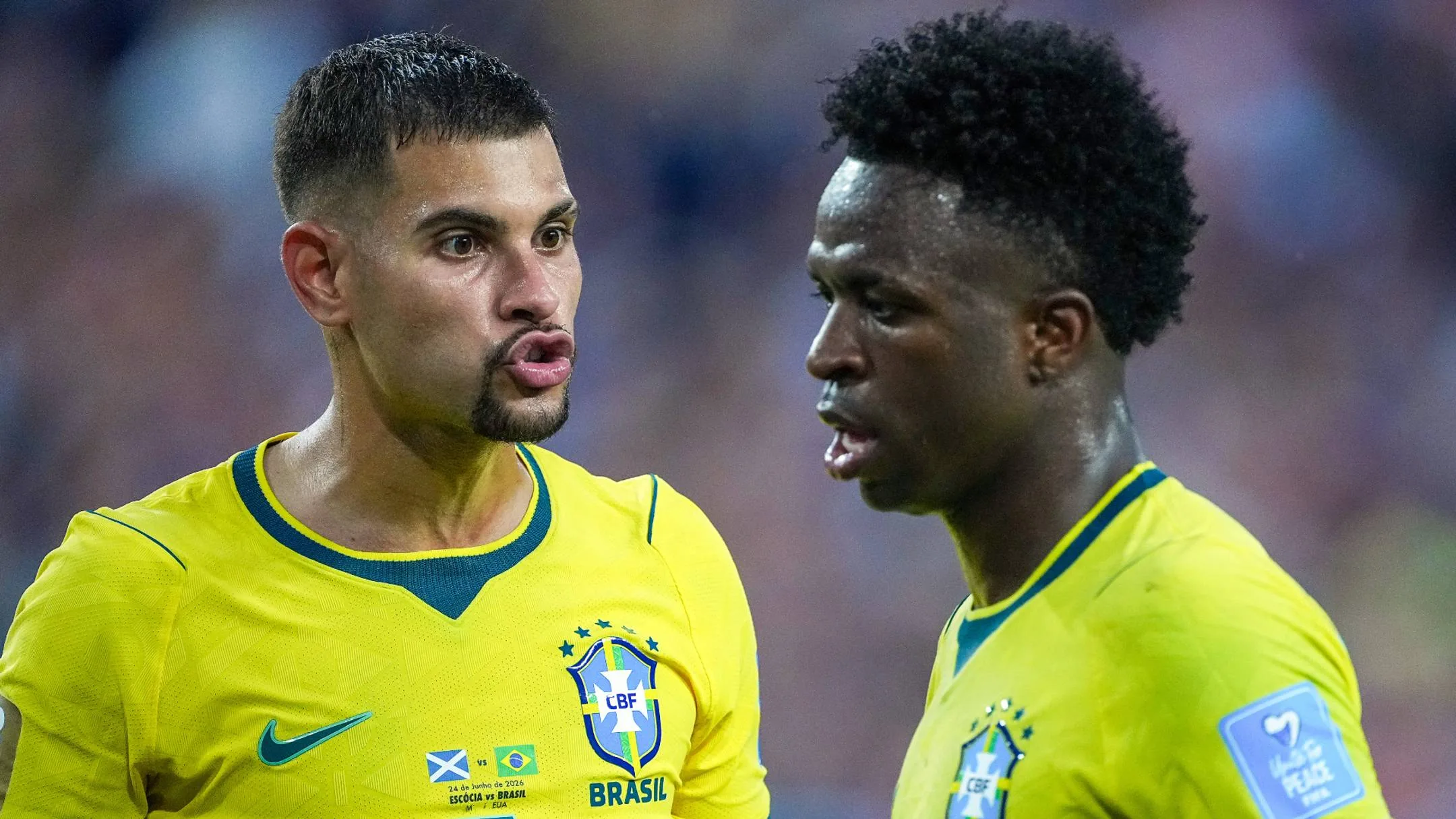
Manchester United are said to be weighing up a move for Arsenal teenager Myles Lewis-Skelly, with his future now viewed through the wider lens of Arsenal’s own transfer ambitions this summer.
United’s interest in Lewis-Skelly first surfaced last March, when the youngster was still on the periphery. That attention has returned, and The Independent reports that it could become more serious if Arsenal manage to complete a deal for either Newcastle United captain Bruno Guimarães or Real Madrid forward Vinícius Jr.
Guimarães may be the more significant of the two from United’s perspective. His arrival would add another obstacle for Lewis-Skelly at Arsenal, while his departure could also make Newcastle even less inclined to sell any more of their key players this season. United had already been linked with Lewis Hall as they looked to address the left-back position, but their attention may now tilt towards Arsenal’s academy graduate instead.
That role is a pressing issue at Old Trafford. Last season, three different coaches selected the same player at left back in every Premier League match: Luke Shaw. At 31, and 13 years on from his top-flight debut, Shaw completed the first league season of his career in which he started every game.
It is unlikely to happen again. United’s schedule was unusually light last season, with only 40 matches in total, but the coming campaign will bring at least eight additional games in the Champions League alone. Michael Carrick will also want a stronger showing than last season’s early exits in both domestic cups.
Shaw will need protecting from overload, yet United’s options remain thin. Carrick appears to view Patrick Dorgu as a winger rather than a defender, leaving Harry Amass, who has four Premier League starts, as the only other natural left back.
Lewis-Skelly, also 19, already has more senior experience, with 20 Premier League starts and 15 in the Champions League. His versatility adds to the appeal, having begun as a midfielder in Arsenal’s youth teams before impressing alongside Declan Rice in last season’s Champions League semifinal and final.
Arsenal, meanwhile, may have reasons to consider sales of their own. Mikel Arteta wants more after last season’s title success, but the club must also manage the cost of major additions. With Lewis-Skelly arriving through Hale End for $0, any fee would count as pure profit. The same logic applies to Ethan Nwaneri, another 19-year-old who could be moved on to help fund new arrivals.