Chelsea
Cucurella to Undergo Scans After Hamstring Complaint in Chelsea Defeat
Chelsea will send Marc Cucurella for scans after he requested a substitution for a hamstring issue..

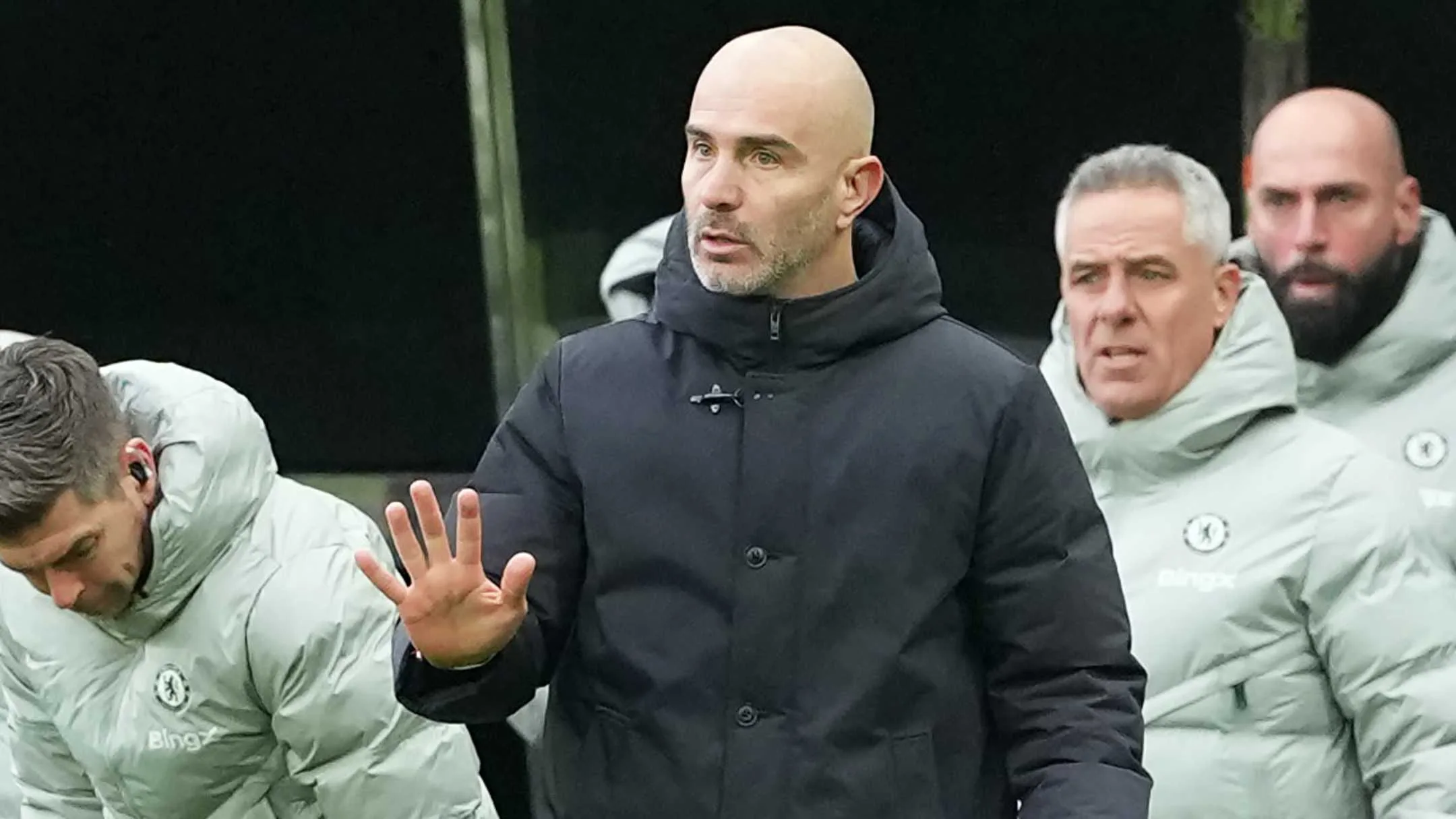
Chelsea will send Marc Cucurella for scans on Tuesday after the left back signalled a hamstring problem during Saturday’s 2–1 loss to Aston Villa. The injury concern emerged when Cucurella asked to be substituted with just over 20 minutes remaining.
“He was complaining about hamstring,” Maresca confirmed postmatch in his news conference. “We don’t know if it’s an injury now or not. So he asked for the change.”
The Standard reports the Spaniard will be sent for scans as Chelsea await clarity on a player who has been one of their most durable performers in 2025–26, missing just two matches across all competitions. Cucurella has started 17 of Chelsea’s 18 Premier League fixtures, appearing as a substitute in the other, and has started five of the club’s six Champions League matches. His only lighter workload has come in the Carabao Cup, where he has come off the bench twice as the Blues reached the semi-finals.
If Cucurella is unavailable, the likely alternative on the left is summer signing Jorrel Hato. A natural centre back who can operate on the left, Hato was a standout at Ajax and captained that side aged 17 years and 282 days. He has, however, yet to make the same impact in west London, featuring only four times in the Premier League for a total of 167 minutes, a playing percentage of 10.3.
Injuries have interrupted Chelsea’s season and scrutiny has also focused on the team’s inconsistent performances before and after half-time. Ahead of Christmas at Newcastle United, Chelsea were outplayed in the first half and trailed 2–0, but rallied to draw with goals from Reece James and João Pedro. The pattern resurfaced against Villa, with Chelsea leading at the break through Pedro’s close-range finish before Villa improved in the second half.
Maresca, watching from the stands because of a one-game touchline ban, pointed to missed chances and game management as areas to address.
“I think the goal we conceded for sure changed the dynamic of the game,” he mused. “I don’t know if it’s the three changes, but for sure, until the goal we conceded, we were in control. I think by the time we conceded the first goal, we should have scored two or three goals.
“And then after the goal we conceded, the game completely changed. For sure, we have to be clinical because, again, as I said, by the time they scored the goal, I think we should have scored two or three goals and the game is different. But also, it’s probably how we can improve after we concede a goal to manage the game a little bit better, probably, in terms of game after game experience, these kind of things.
“I think the goal we conceded was the turning point. Until the goal we conceded, that is around one hour, we were completely in control of the game. Again, it’s something that is not the first time that happened. And when we concede a goal, even if we are winning and we concede a goal, we struggle a little bit with the management of the game. And it’s something that for sure we need to improve.”



Chelsea
Chelsea’s defensive start leaves Alonso in unwanted company
Chelsea’s early defensive record under Xabi Alonso has joined an unwanted Premier League list.
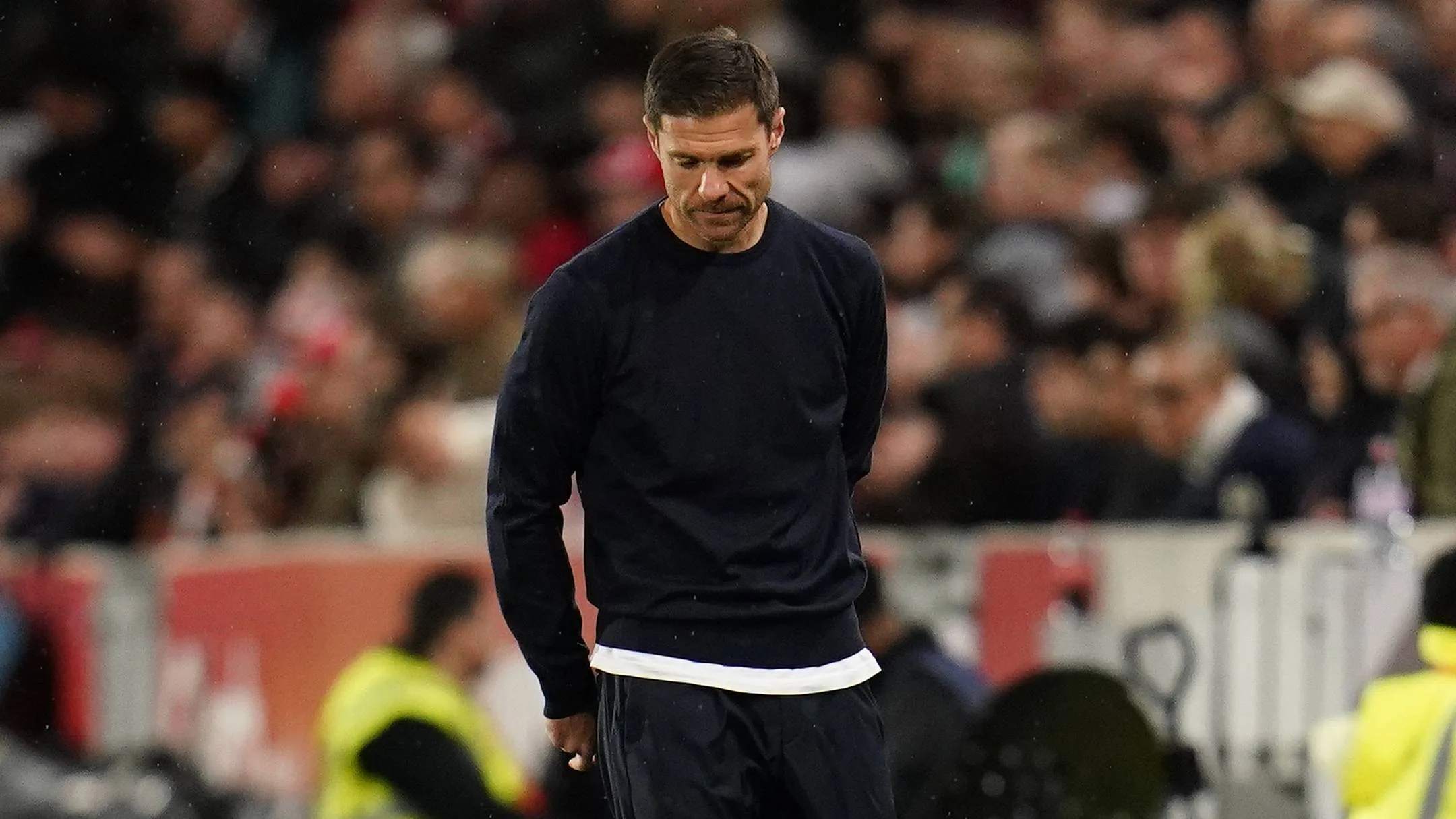
Chelsea’s early-season defensive troubles have placed Xabi Alonso in notable but unwelcome territory after the Brentford defeat.
The Chelsea manager has become only the sixth boss in Premier League history to see his team concede at least twice in each of their first five matches. Across those five league games, Chelsea have already shipped 12 goals, the worst defensive return in the division going into Saturday’s fixtures.
That puts Alonso alongside a short list of managers whose sides struggled badly from the outset. The figures show just how steep the problem has been:
Terry Connor conceded 16 goals, Sammy Lee and Scott Parker both conceded 13, Alonso and Slaviša Jokanović each conceded 12, and Mick McCarthy conceded 10.
There are, however, clear reasons why Chelsea have been so exposed. Alonso has been operating without Moisés Caicedo and Marco Palestra through injury, while captain Reece James was also unavailable against Brentford. Those absences have weakened the structure, although they cannot fully explain everything on their own.
One recurring issue has been defending set pieces. Jaidon Anthony’s opener on Friday marked the sixth time Chelsea have conceded from a dead-ball situation this season, which is already the highest such total in the league. Austin MacPhee was brought in during the summer as set-piece coach, but recent episodes suggest the work is still far from settled.
Chelsea’s switch to a back three has also not provided the expected protection. Rather than tightening things up, it has looked awkward and has left space for opponents to exploit.
The wider picture matters too. Since the start of 2026, no Premier League team has conceded more than Chelsea’s 43 goals. Alonso’s 12 in five games sit on top of a problem that predates him, with Liam Rosenior and Calum McFarlane having already overseen 31 goals conceded in 19 matches before his arrival.
Maxence Lacroix has arrived from Crystal Palace to strengthen the defence, but there is still a sense that Chelsea need more experience at the back to steady the unit.
Chelsea
Alonso identifies Chelsea’s problems after Brentford defeat
Alonso warned Chelsea need patience after a Brentford loss exposed their consistency, mentality and control.

Xabi Alonso asked for patience after one of the most difficult nights of his early Chelsea reign, but his post-match assessment made clear how many issues he believes remain unresolved.
Speaking after the loss at the Gtech Community Stadium, Alonso admitted that Chelsea have lost consistency and have yet to produce a full 90 minutes that he can trust. He said the side has struggled to sustain performance either within matches or from one weekend to the next, and that against Brentford they never established a spell in control.
The game itself was tight for an hour, with both teams pressing forward quickly after turnovers and then giving the ball back. Once Brentford scored, Chelsea collapsed badly. Alonso pointed first to mentality, saying: “We have dropped our consistency,” and adding that there was a lack of the “competitive mentality needed in the second half” from his side.
He also accepted that set-piece defending remains a problem, though he stressed it is only one part of a wider picture. Since the start of last season, Chelsea have conceded 22 set-piece goals, more than any other Premier League team.
Alonso also highlighted duels and ball progression as areas that need work. On the day, Chelsea actually came out well in the physical contests, winning 59% of ground duels and 53% in the air, but that did not translate into control. With the ball, Chelsea were slow and flat, and their 116 passes between Henderson and Barco never led into Brentford’s box.
The lack of threat became even more obvious after Chelsea fell behind in the 61st minute. They finished with 80% possession across the final half-hour, yet did not force a save from Caoimhin Kelleher.
Alonso said the team must learn how to hold shape when under pressure, and Chelsea’s failure in rest defense was underlined by Brentford’s second goal. Alonso said it was an area he had already worked on with the squad before the visit to Hounslow.
Brentford
Brentford Expose Chelsea’s Frailties in a Flat Evening Under Alonso
Brentford’s discipline and Chelsea’s injuries exposed deeper flaws in Alonso’s side at the Gtech.

Brentford served up a blunt reminder that Chelsea’s early-season attacking numbers need context. For long spells, Keith Andrews’ side reduced the visitors to predictable, low-yield football and forced a performance that lacked control, rhythm and penetration.
The home team offered little decoration, but plenty of discipline. Built on organisation, recruitment and a tightly managed structure, Brentford made Chelsea look one-dimensional for most of the first hour. The Blues had arrived as one of only two Premier League sides to begin the weekend with double-digit goals, yet much of that threat had come from counterattacks and set pieces. No team had produced a larger share of shots from fast breaks than Chelsea’s 22.7% going into the round.
Against Brentford’s compact shape, though, there was no room to breathe. Chelsea ended the match with an open play xG of just 0.58 and forced Caoimhin Kelleher into only two comfortable saves. Their routes forward repeatedly broke down, often ending with hopeful clearances from the left side rather than sustained attacking patterns.
The visitors also lost an early advantage. It was the first time they had failed to score in the opening seven minutes of a Premier League match under Alonso, removing a key chance to settle the contest quickly.
João Pedro’s absence was felt sharply. Alonso had described him as the player who ties the attack together, and the comparison to Karim Benzema underlined his importance. Danny Welbeck worked hard in his place but did not manage a shot, leaving Chelsea short of a central reference point. Pedro’s return should help, but the issues looked deeper than one injury.
At the other end, Chelsea’s defensive problems remained unresolved. For the sixth straight match against Premier League opposition, Alonso’s side conceded at least three goals.
The midfield pairing of Valentín Barco and Jordan Henderson brought more intensity early on, but it did not last. Henderson tried to organise those around him throughout, while Barco drew a hostile response. The energy faded after the hour, and with it Chelsea’s resistance.