Arsenal
Maresca: Caicedo and Rice Occupy Different Roles, Not Direct Comparisons
Enzo Maresca insists Moisés Caicedo and Declan Rice cannot be directly compared due to role changes.

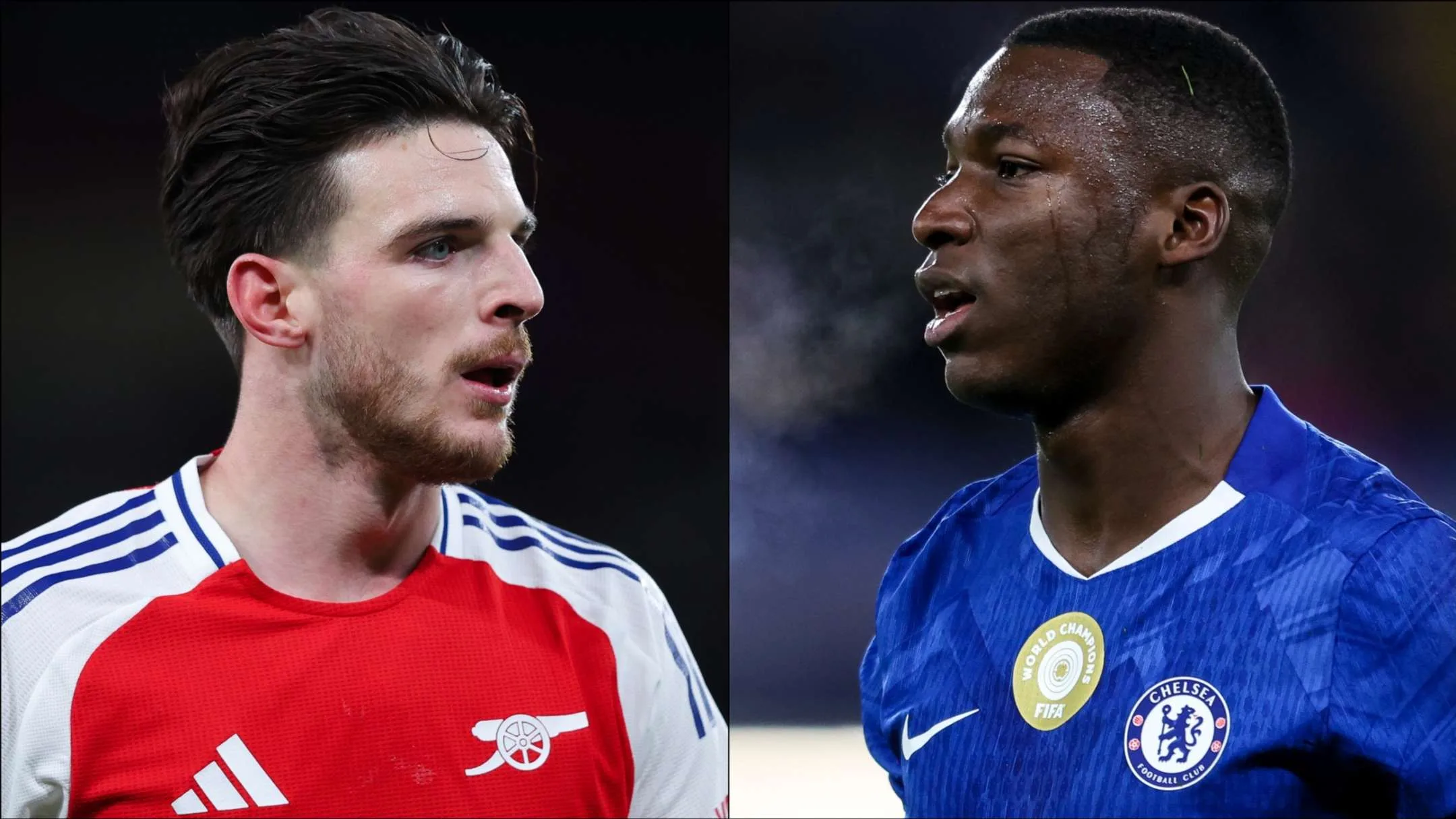
Chelsea manager Enzo Maresca has drawn a clear line between Moisés Caicedo and Declan Rice, arguing that the two are not comparable because of how their positions and responsibilities have evolved.
Maresca, who worked with Rice during an 18-month spell assisting Manuel Pellegrini across 2018 and 2019, emphasised the context of his earlier time with the England international. “It was a little bit different time when I was at West Ham ,” he said. “[Rice] was younger, I spent many extra sessions with Declan, one vs. one, and you could see that he was already very good.
“He was with second-team players as a central defender. Manuel Pellegrini decided to play him in the first team as a midfielder but [he] was different age compared to Moisés. But you could see that he was already very, very good.”
Maresca stressed the contrast between Rice’s current role and the more restrained holding duties associated with Caicedo. “He’s not playing as a holding midfielder,” Maresca stressed. “He’s playing forward, he’s playing like Enzo Fernandez. It’s a different position.
“It’s evolution for him and it’s Mikel [Arteta]’s work. He is a fantastic player and he’s a complete player. He can defend, he can attack, he can do anything.”
Arteta has described Rice’s transition in a similar way, outlining why the forward aspects of his game suit Arsenal’s approach. “He can adapt to anything that you throw at him,” Arteta explained when asked about this transition. “But at the moment that forward thinking and anything that is in front of him is probably much more positive for the team. He has earned the right to increase that role, to be more and more important, to be very present in everything that we do.
“He’s in the leadership group, which is very important as well, and it’s a real presence. Sometimes you don’t need to just wear the armband to feel really connected, really powerful and really important in the team.”
Arteta added: “Probably yes, a year or two ago,” Arteta admitted. “But now being with him every single day and understanding and connecting with him in the way that I’ve done, we’re going to get more. Because he wants more and he’s going to get more.
“The team knows him better, his role is growing around the team, the impact that he has on the team is huge and we’ll find ways to make it even better.”
Rice himself recognised the difference between his role and Caicedo’s when discussing the 2024–25 PFA Team of the Year process. “I have a lot of respect for Moisés Caicedo,” he told CBS Sports . “I voted him last year in my PFA Team of the Year. I thought he was outstanding.
“There’s so many comparisons, but we’re playing different positions.” The Arsenal squad for that season included Rice alongside Liverpool duo Ryan Gravenberch and Alexis Mac Allister in the PFA selection.

Arsenal
Why the Premier League has another three-week wait for its return
The Premier League is paused for three weeks as international football takes over until October 10.
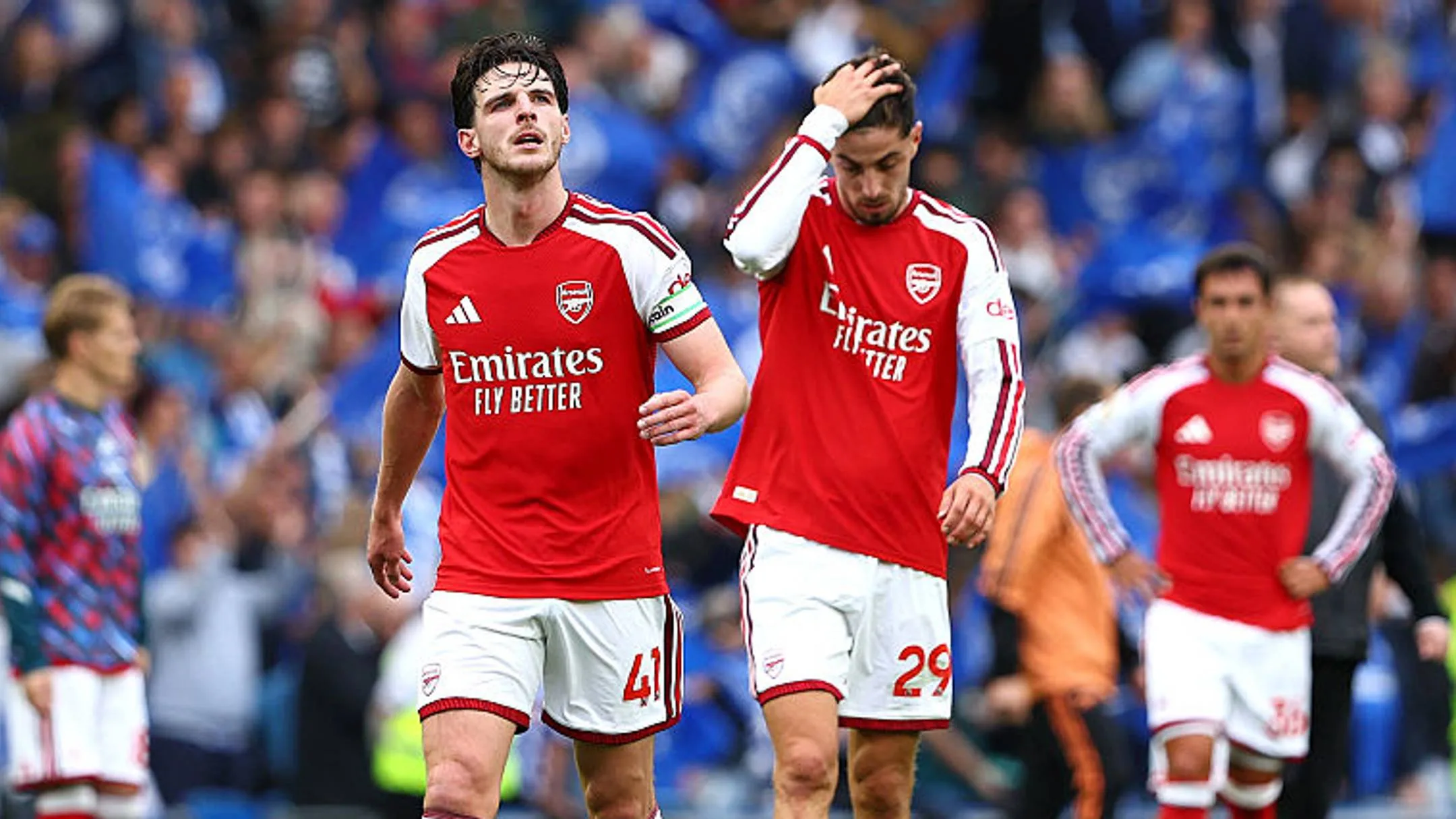
The first chapter of the 2026/27 Premier League season has already been completed, but there will be no league football for the next two weekends. An international break has taken over, and the domestic calendar will remain on hold until October 10.
That pause comes after a strong start from Arsenal, whose perfect record drew talk of a potentially one-sided title race. Yet Brighton & Hove Albion halted that run before the break, a result that offered a reminder that the leaders are not beyond reach.
For now, though, attention shifts away from club football and back to national teams. This is the first time sides have come together since the 2026 World Cup, and the next couple of weeks will be filled with fixtures that should keep supporters occupied.
The Premier League’s return is set for Matchday 6, when Arsenal open the weekend at Emirates Stadium against Leeds United. It will mark the restart of a schedule that has been interrupted by an extended pause created by the international calendar.
That calendar was changed by the FIFA Council in 2023, leaving only three international breaks this season. September and October have effectively been combined into one longer window, with further breaks still due in November and March.
The stoppage is not limited to England’s top flight. Club football across Europe has also been paused until the second weekend of October, while the 2026/27 UEFA Nations League begins to take centre stage.
Teams will play four times during this window, and several matches stand out. League A includes a rematch of the Euro 2024 final between England and Spain on Sept. 26, Germany against the Netherlands on Sept. 24, France at home to Italy on Oct. 2, and Portugal facing Norway on Oct. 4.
Arsenal
Arsenal dressing room left frustrated after Brighton defeat
Arsenal’s first defeat of the season left Bruno Guimarães describing a dressing room full of complaints.
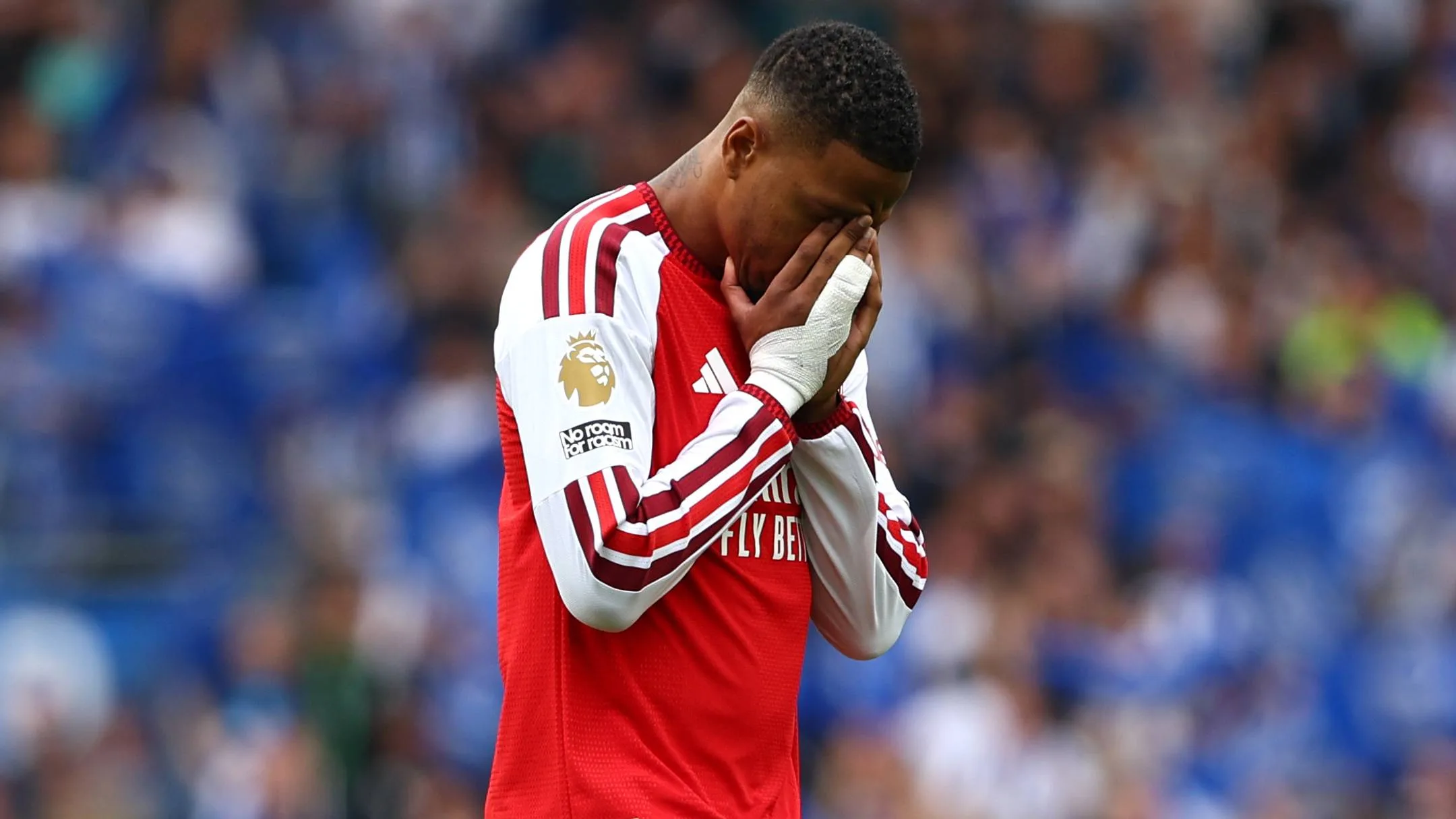
Arsenal’s first defeat of the season brought a bleak assessment from inside the dressing room after Saturday’s 3-0 loss to Brighton & Hove Albion. Bruno Guimarães said the reaction among the players was immediate, with the standard of the performance falling well below what was expected.
“In the first throw, you could sense it, it was so clear,” Arteta lamented, whispering through his postmatch press conference with a thinly veiled sense of fury. The mood was not much brighter in the locker room around the corner.
Guimarães described the match as one to move past, but not before stressing how badly Arsenal had fallen short. “I think today is a day to forget,” he said after his first Premier League start for the club. “Everything we tried didn’t work. Credit to them [Brighton] as well but we can’t accept this here.
“I think in the changing room, everyone was complaining about ourselves, about the level we played today. Like I said, it’s not acceptable. A very bad day in the office.”
Arteta viewed the defeat as a failure to meet the demands of the game. Brighton’s pressing and direct play repeatedly forced Arsenal into errors, and the Arsenal manager said his side had not matched the basics required in the Premier League.
“Brighton were another gear up from us,” Arteta fumed. “We were extremely poor technically and not respecting the game. And from our side there were certain basics that you need to accomplish in football, especially in the Premier League, that we were very far from.”
He added: “In the first duel, the second ball, that put the game, especially how direct they were, in a really difficult place for us,” Arteta added. “On top of that, when we did regain the ball, especially in our own half, the amount of technical errors that we did and we didn’t respect any principle of play that you have to get out of those man-to-man situations.”
Guimarães was among the most disappointing performers in red, especially given the expectations behind his summer move. Recognising his part in the collapse, he then issued a message of apology to the Arsenal fanbase and promised better days ahead.
Arsenal
Arteta Admits Arsenal Were Outmatched From the First Throw-in at Brighton
Arteta admitted Arsenal were second best from the start as Brighton dominated them in a 3-0 defeat.
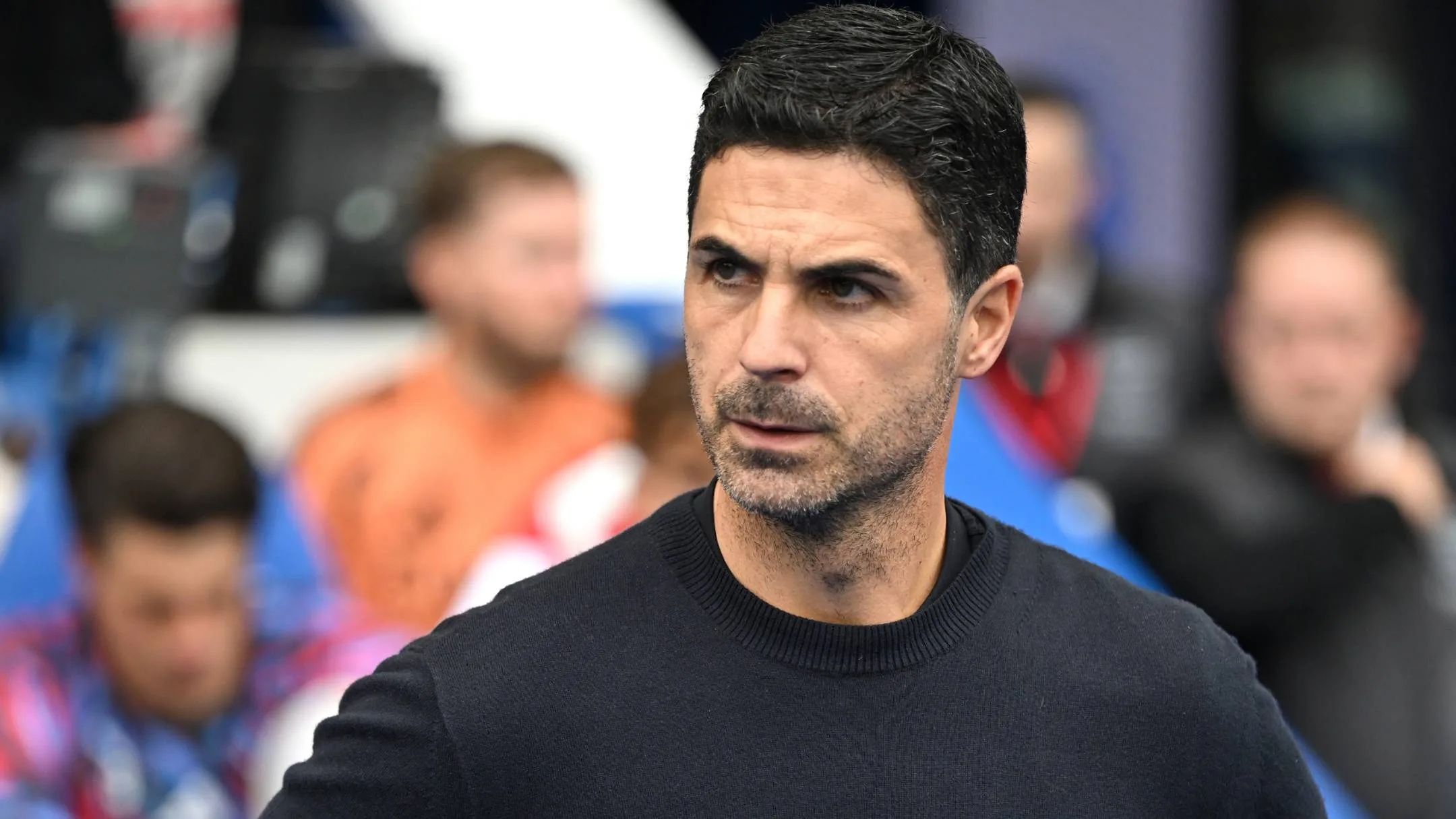
Mikel Arteta did not hide his frustration after Arsenal were overwhelmed at Brighton, admitting that his side were second best almost immediately in a defeat that exposed a clear gap in intensity.
Brighton’s 3-0 victory, delivered on the club’s 125th anniversary, was fully deserved and became Arsenal’s heaviest loss in more than three years. Although the opening goal did not arrive until the 31st minute, the contest had already tilted decisively in Brighton’s favour long before that. Their pressing from the first moments left Arsenal struggling to cope, and the visitors never recovered.
“In the first throw, you could sense it, it was so clear,” Arteta fumed, his voice barely raised above a furious whisper as he scowled through his postmatch media duties. “We put ourselves in trouble one time, two times, three times, and we need to get out of that much quicker. And that’s one of the biggest lessons that we have to take from the game.”
Arsenal were warned by Brighton’s recent form without the ball, and Arteta acknowledged that the message had been discussed beforehand. “The first thing that we had discussed, it was about the first pass,” Arteta confirmed. “If you don’t get out of that first pass as winners, it will be extremely difficult to dominate the game, and you don’t have any probability of winning the game.
“We knew that, but that’s again, credit to them for what they’ve done, because they overcame us, and they had another edge than we did, and that’s something that, at this level, it’s extremely important to respect and to understand before anything else.”
He also accepted that Brighton were stronger in the decisive duels. Arteta said Brighton “had another bite.” “There was a lot of moments when the ball is 50-50, and it changes hands, and most of the time it was for them.”
Asked whether he had considered a halftime change, Arteta admitted the thought was there but said he chose against it. “I was,” Arteta admitted after a moment of reflection, “but I would believe it wasn’t the right moment to do that with the things that we wanted to change for the second half.”