Manchester United
Manchester United wary over Ruben Amorim’s emotional conduct on touchline and in press
United sources are said to be worried about Amorim’s touchline demeanour and press conference remarks.

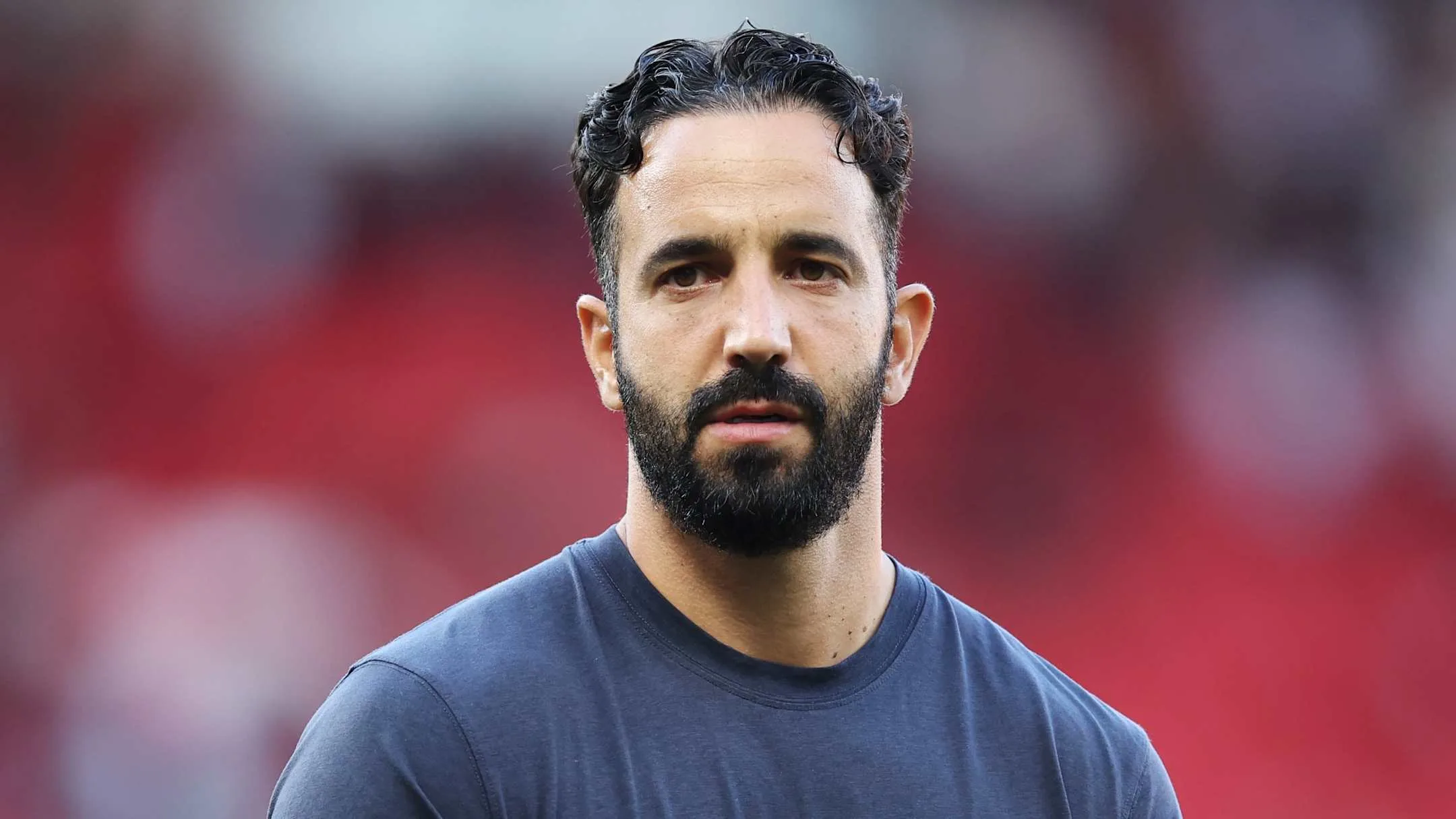
Senior figures at Manchester United have growing concerns about Ruben Amorim’s emotional reactions during matches and press conferences, a report in the Daily Mail states. Those close to the club are said to be uneasy about two linked issues: how Amorim behaves at the side of the pitch and the tone of his public comments.
Players are not believed to have lost faith in their manager and his job is not thought to be in immediate danger, perhaps because of the significant compensation fee owed to him. Despite that apparent backing, first-team staff have registered unease about Amorim’s preference to “hide” when situations become difficult in matches. His refusal to watch a number of penalties this season has attracted unwanted attention and is cited as one example of his touchline manner that has caused alarm.
At board level, sources are reported to be unsettled by the manager’s conduct in press conferences. Several exchanges have produced sharp, divisive soundbites. After the defeat to Grimsby, Amorim admitted he sometimes “hates” his players and wants to quit the job, an episode that added to the list of surprising responses.
Earlier incidents have also been noted. Amorim has previously described his side as the worst in United ’s history. His comments about Kobbie Mainoo are said to have inspired the youngster’s desire to leave on loan. Equally, claims that he would rather play his 63-year-old goalkeepr coach than pick Marcus Rashford did not go down well in the boardroom.
The club’s attempts to manage media access were evident after the Manchester City defeat when Amorim spoke to just four reporters before club staff intervened. United are understood to remain supportive and do not wish to be forced into another managerial change less than 12 months after sacking Erik ten Hag. The report concludes that pressure on Amorim will increase if results and behaviour do not improve in the coming weeks.

Manchester United
Manchester United Post Record Revenue as Amorim Exit and Stadium Plans Shape Finances
United posted record revenue, but Amorim’s exit, losses and stadium costs still shaped the year.
Manchester United’s latest accounts have laid out a season of striking contrasts, with record income, a managerial dismissal and continued progress on a new stadium project all featuring in the 12 months to June 30, 2026.
The club reported revenue of $897.9 million, or £677.5 million, the highest single-season figure in its history. That total came in a campaign when commercial income slipped slightly, there was no money from European competition and the reduced fixture list affected gate receipts and food and drink sales.
Chief executive Omar Berrada pointed to the club’s “underlying strength of our business” and the “enduring popularity and commercial strength” of Manchester United as factors behind the numbers. Even so, the accounts still showed an overall net loss of $57 million (£43 million), underlining the scale of the challenge despite the record turnover.
The revenue breakdown showed commercial income at $440.4 million, broadcasting at $274 million and matchday at $203.4 million. Salaries also fell to $400 million (£302 million), accounting for just under 45% of revenue, as United continued to look for more disciplined spending and cheaper additions in the transfer market.
One notable cost came from the dismissal of Ruben Amorim in January. Compensation for Amorim and his staff was listed among exceptional items and made up most of the $10.9 million (£8.2 million) cost. His contract was due to run until the summer of 2027, but the figure would likely have been higher had he not taken over at AC Milan in June after five months out of work.
A year earlier, United had continued paying Erik ten Hag for almost twice as long following his departure, because he remained out of work for nine months before joining Bayer Leverkusen in late May 2025.
On the infrastructure side, the club made further progress towards a new Old Trafford, which is planned a few hundred yards from the current ground. Acquiring land from the adjacent freight hub has been a key part of that effort, although Manchester United have still not submitted a planning application for the proposed 100,000-seat stadium that co-owner Sir Jim Ratcliffe wants to be a ‘Wembley of the north.’
Arsenal
One key issue facing each Premier League side after five matches
Five games in, the Premier League is already revealing title doubts, transition pains and early surprises.
The first five matchdays of the 2026/27 Premier League season have already given shape to a campaign that promised uncertainty from the outset. With the table still settling and another international break leaving a long pause before Matchday 6, there is time to take stock of what has emerged so far.
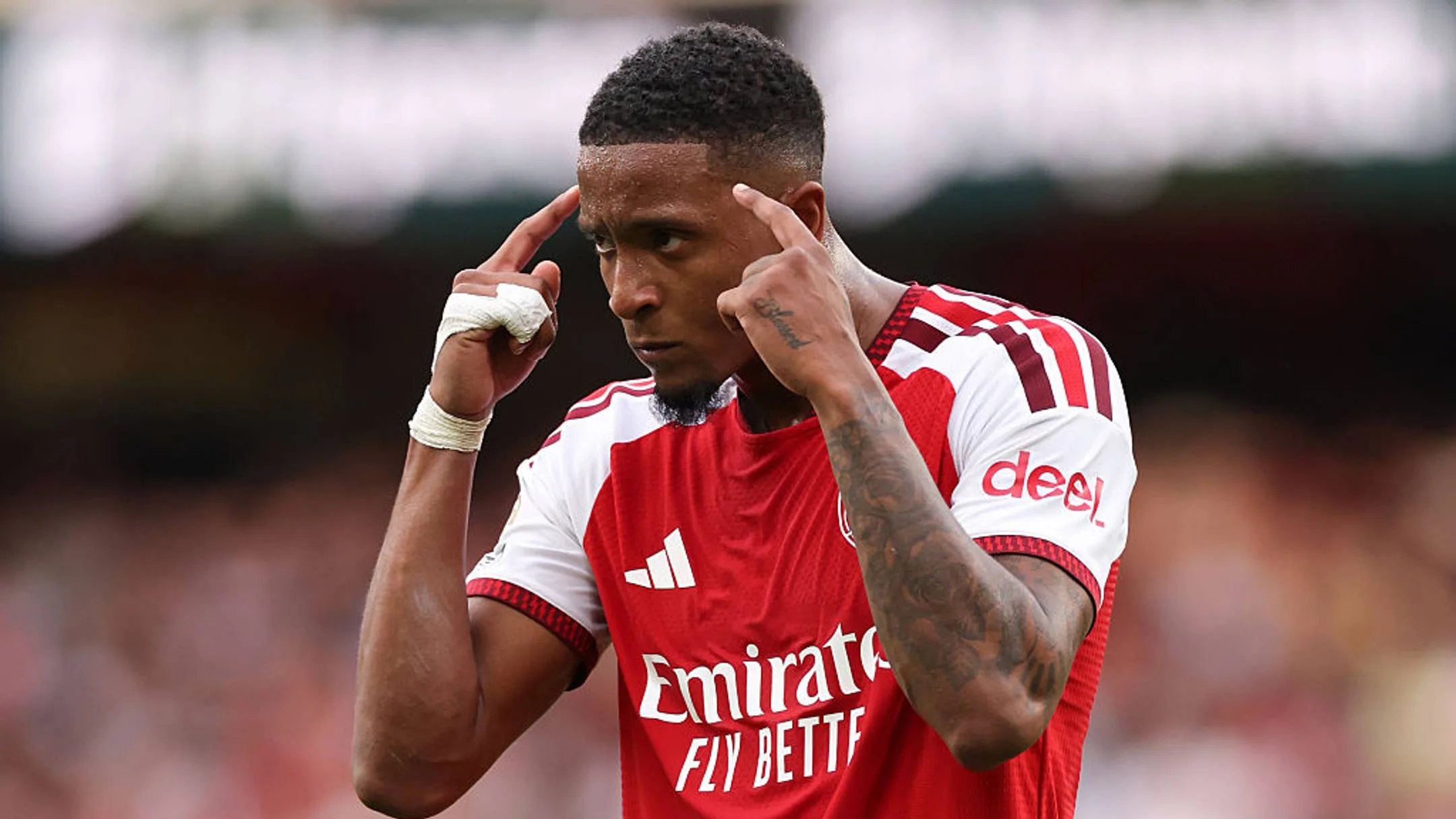
Arsenal’s title defence has already met resistance after a heavy defeat to Brighton & Hove Albion. Before that trip, they looked close to untouchable, but the champions have not yet shown enough to pull clear of their rivals. Bruno Guimarães has added quality, though injury has delayed his rhythm, while Christos Tzolis has stepped in as a serviceable replacement for Leandro Trossard. Even so, Arsenal’s attack was found wanting in their toughest test to date, with concerns lingering over the goalscoring burden on Bukayo Saka and the lack of a set-piece breakthrough.
Aston Villa, meanwhile, are navigating a period of change after rebuilding their core in the summer. Their first league win of the season offered encouragement, with Johan Manzambi, Nicolas Jackson and João Gomes all making useful contributions. Bournemouth have begun slowly under Marco Rose, but there is little panic as they balance league form with European demands after an opening win at Real Sociedad. Brentford continue to look like a difficult assignment at home, built on physicality and a set-piece threat that has already caused problems for visiting sides.
Brighton’s pressing game has been a feature of the early weeks, while Chelsea’s start under Xabi Alonso has raised serious questions about their structure without the ball. Coventry City finally recorded a first Premier League win in more than 25 years, though goals remain a concern. Everton’s window left them thin on options, Fulham are showing signs of adjustment under Álvaro Arbeloa, and Hull City have been one of the early surprises, even if history offers a warning.
Elsewhere, Ipswich Town, Leeds United, Liverpool, Manchester City, Manchester United, Newcastle United, Nottingham Forest, Sunderland and Tottenham Hotspur all have distinct questions to answer as the season develops.
Man Utd
Possible Carrick successors should Manchester United move on
Carrick faces pressure at United, with several managers already linked as possible alternatives.
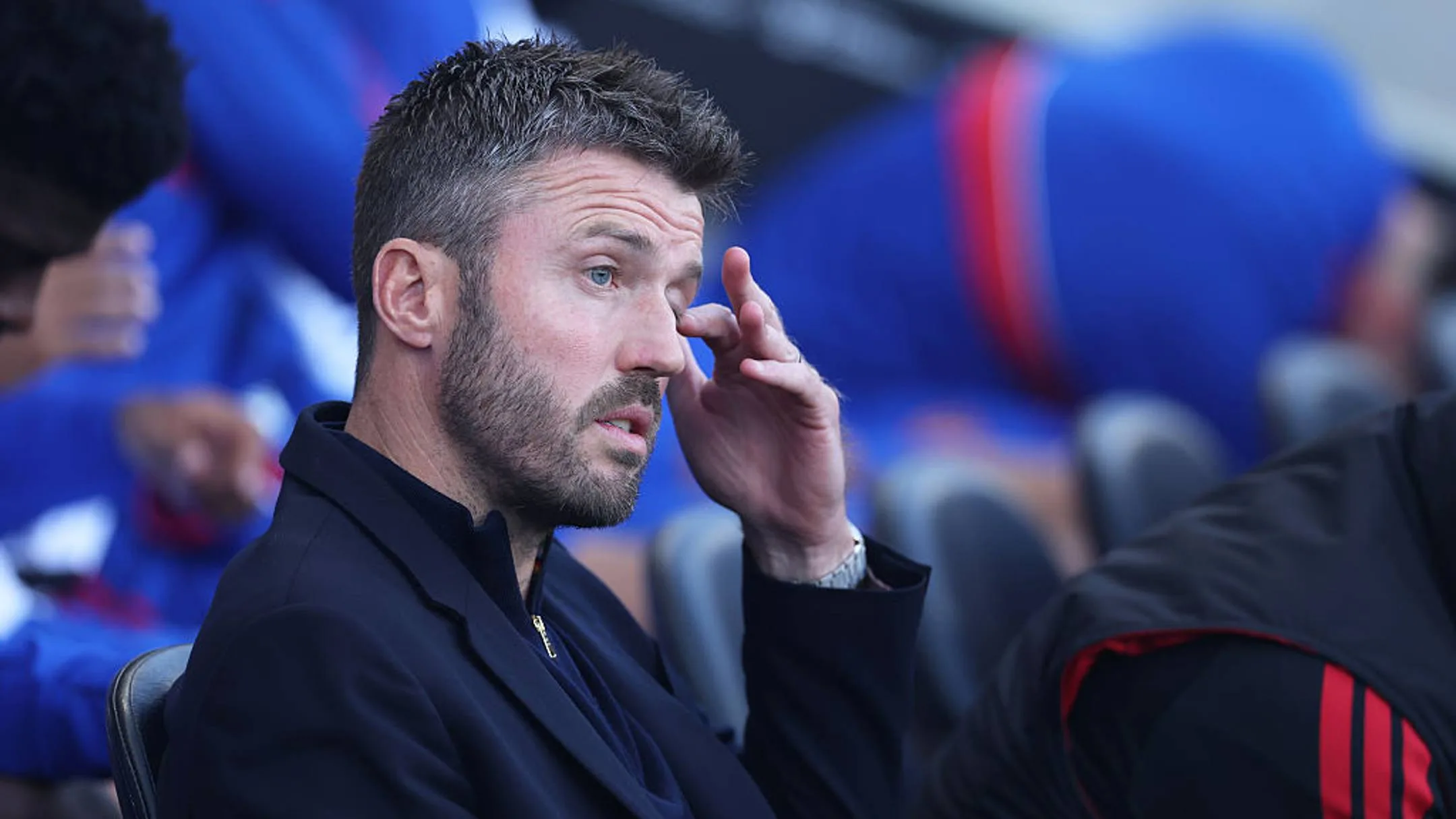
Michael Carrick has been able to shrug off the noise around his Manchester United future for now, but the scrutiny on him is already significant. A difficult start to the 2026/27 season has eroded the stability he brought after returning in January, and the mood around the club can change quickly.
United have often felt only a few poor results away from a crisis, and that tension could intensify if performances do not improve after the break. Tottenham Hotspur visit the Theatre of Dreams on Oct. 10, a fixture that could sharpen the focus even further. There is no clear indication that Carrick is under immediate threat, yet the possibility of another change in the dugout cannot be dismissed if results continue to disappoint.
If INEOS were ever pushed toward that route, there are several names that would come into view.
Eddie Howe remains an obvious point of discussion. He left Newcastle United in the summer after deciding he no longer had the energy to guide them through a rebuild following their exodus. His work there was widely admired, with Newcastle moving away from danger and back into Europe, reaching the Champions League twice and winning the League Cup in 2025. Even so, some will wonder whether he is suited to the unmatched pressure that comes with Old Trafford.
Julian Nagelsmann, once regarded as one of the game’s brightest coaching minds, has seen his reputation cool after mixed spells at Bayern Munich and with the German national team, whose 2026 World Cup ended badly. His link with Christopher Vivell could keep him in the conversation.
Fabian Hürzeler is also drawing attention after Brighton & Hove Albion’s 3–0 win over Arsenal and an encouraging start to his third season in charge. His work and his ideas have made him increasingly prominent.
Unai Emery has shown before how he can manage a rebuild, and at Aston Villa he is again handling a major turnover. The links to United remain limited, though he would require major convincing to leave.
Cesc Fábregas, meanwhile, continues to stand out through the alignment between him and the Como hierarchy, with his rise in management gathering pace.