
Manchester United
Eighty-Eight Years of Home-Grown Continuity at Manchester United
United have named a home-grown player in every matchday squad since October 30, 1937 – 88 years long

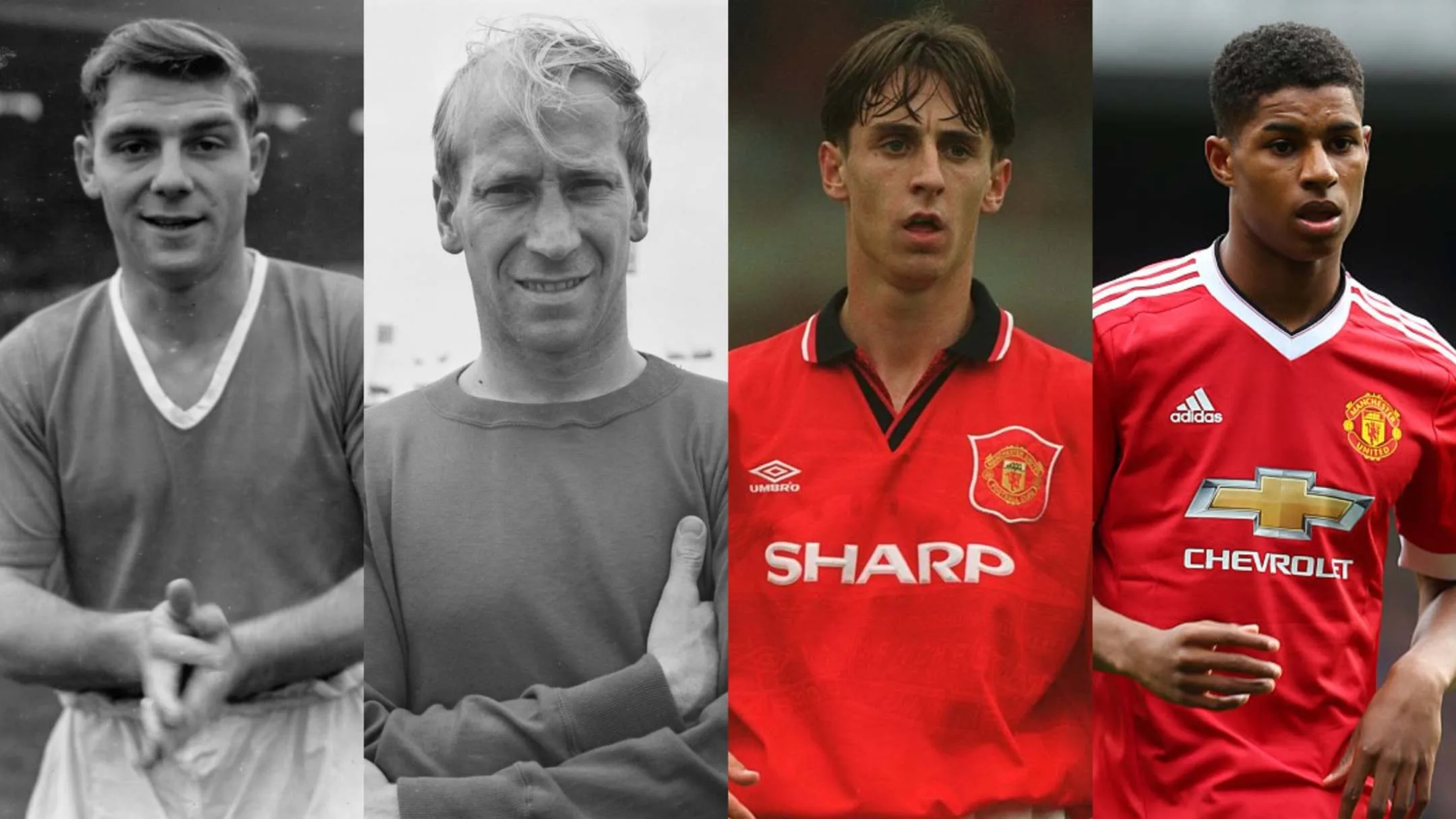
On October 30, 1937, Manchester United named two home-grown players in a 1–0 defeat at Fulham’s Craven Cottage. That selection marked the first match in a run that, as of October 30, 2025, has seen the club include at least one home-grown player in every matchday squad for 88 years and more than 4,000 consecutive matches.
The club’s roots stretch back to 1878 when it was founded as Newton Heath LYR FC for employees of the Carriage and Wagon Department of the Lancashire and Yorkshire Railway depot at Newton Heath in north east Manchester. United first played top-flight football in 1892, changed its name to Manchester United a decade later after financial difficulties and collected two First Division titles and an FA Cup between 1907 and 1911.
Financial collapse loomed again after the loss of benefactor John Henry Davies in 1927. James W. Gibson’s takeover in 1931 proved pivotal. Gibson helped establish an ‘A’ team and, by 1938, the Manchester United Junior Athletic Club, MUJAC, to give local amateur players a pathway into the first team. Tom Manley, who joined in September 1930, and Jack Wassal were the two home-grown players in that October 1937 side.
MUJAC was created and overseen by Gibson and Walter Crickmer. Crickmer had two spells as manager and served 32 years as club secretary before being tragically killed in 1958’s Munich air disaster. The club’s commitment to youth was later amplified by Matt Busby. The term “Busby Babes” became synonymous with United’s values as youth scouting extended across Great Britain and Ireland. Alf Clarke wrote in the Manchester Evening Chronicle: “History was created in Manchester United football circles today. This afternoon, there are no fewer than five United teams on duty. They are the senior side, Central League XI, ‘A’ team, MUJAC first team and MUJAC second XI…no club in the country is better served with junior players than Manchester United.”
Home-grown graduates have powered many of the club’s successes. Ryan Giggs (963 appearances) and Sir Bobby Charlton (758) remain among the most-capped home-grown players, with Paul Scholes (718), Bill Foulkes (688) and Gary Neville (602) also prominent. Changes to matchday squad sizes over decades, now allowing up to 20 players in the Premier League, have helped ensure at least one academy player can be included to protect this uninterrupted record.




Barcelona
Rashford’s return plan and five realistic suitors for his $52.9m release clause
United expect Marcus Rashford back for pre-season post-World Cup; $52.9m clause invites suitors now.
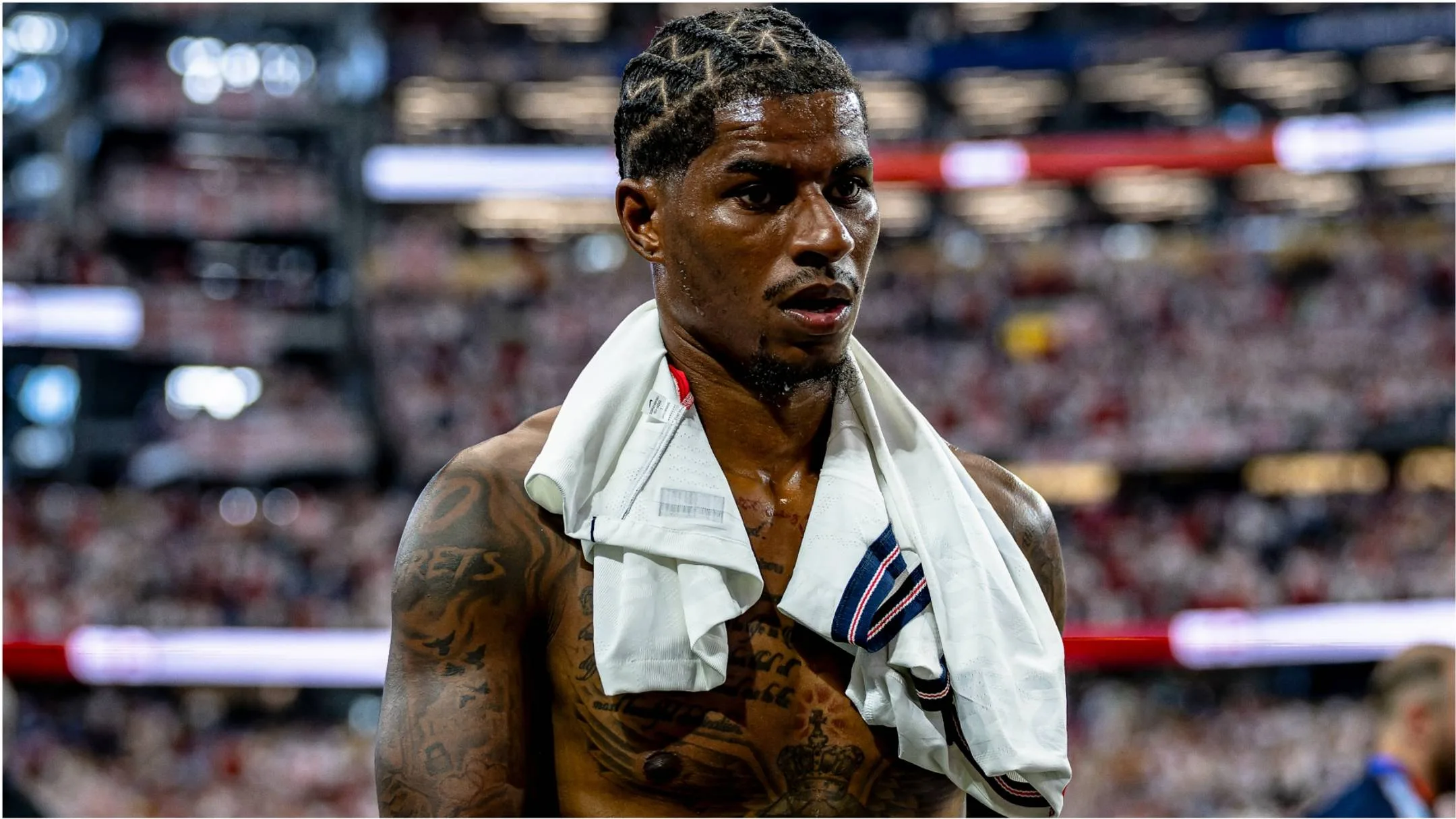
Manchester United expect Marcus Rashford to rejoin preseason after the 2026 World Cup, with the club’s position only changing if a permanent move is agreed before then. The 28-year-old came off the bench for England against Croatia and scored, his second international goal in almost three years after also netting in September’s win over Serbia.
Rashford remains a United player under contract until 2028 and “fully welcome back.” He was included alongside Bruno Fernandes in a daily World Cup roundup on the club’s website the morning after his England display. BBC Sport reports the player is expected to report for preseason at Carrington once his mandatory post-World Cup, three-week holiday is over. That plan will only change should a move be arranged before that time.
A season at Barcelona in 2025–26 served as a reset after a difficult 2024 at United. He registered 28 goals and assists for Barcelona and made almost 50 appearances across all competitions. Barcelona did not exercise their option to buy because it made more financial sense to sign Anthony Gordon instead.
Reports this week outlined a $52.9 million (£40 million) release clause, triggerable by any clubs other than Manchester City or Liverpool. That figure is almost twice the option Barcelona passed in the region of $35 million (£26 million) and positions Rashford attractively on the market.
Five clubs stand out in the reporting as plausible suitors. Aston Villa could make sense: Rashford valued his loan at Villa Park under Unai Emery, Villa return to Champions League football for 2026–27 and they have a clear vacancy on the left following Jadon Sancho’s exit. Newcastle could also be interested after a season hampered by Champions League demands and the sale of Anthony Gordon. Napoli are named as a possible destination after helping other former United players rebuild and with question marks over Romelu Lukaku. Paris Saint-Germain represent another option given their rotation in pursuit of a Champions League triple and links around Bradley Barcola. Bayern Munich remain a long-term example of a club that can reinvigorate a player’s career.
If Rashford wants to remain at United, that is possible; if he seeks a permanent exit, the release clause creates a clear pathway for interested clubs.
AC Milan
Amorim emerges as AC Milan’s front‑runner after Allegri exit
Ruben Amorim is reported as AC Milan’s leading candidate after Allegri exit; talks held in Portugal.
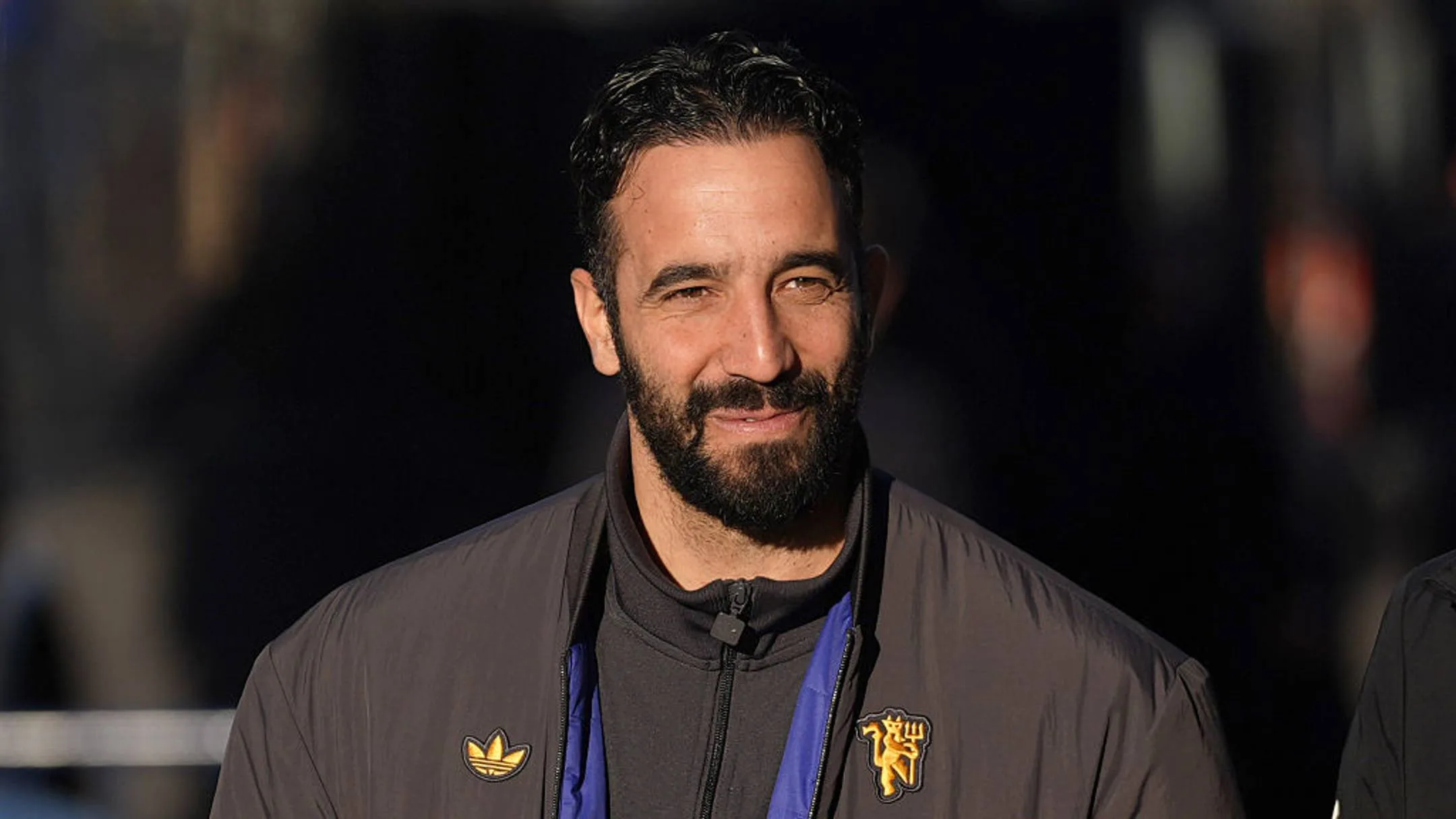
Ruben Amorim has emerged as the leading candidate to take charge at AC Milan following Massimiliano Allegri’s departure. The Athletic report that Amorim is the “leading candidate” and that the two parties “held talks” in Portugal last week as Milan begin a clear rebuild.
The 41-year-old left Manchester United after a turbulent spell in which he failed to deliver in the early months of 2025–26, only leading United to sixth place after 20 games. Despite those struggles in Manchester, Milan have placed Amorim at the head of their list as they clear out a number of senior figures.
The Serie A club parted company with Allegri, Sporting director Igli Tare, chief executive Giorgio Furlani and technical director Geoffrey Moncada after failing to qualify for the Champions League. A 2–1 defeat on the final matchday to Cagliari condemned Milan to fifth place, one point behind Como in fourth, meaning the club will compete in the Europa League next season.
Milan initially aimed to appoint Andoni Iraola but his signature was secured by Liverpool following the surprise dismissal of Arne Slot. Iraola signed a two-year deal with the Reds, forcing Milan to return to the drawing board. Reports also linked Mauricio Pochettino, Oliver Glasner and Al Ahli’s Matthias Jaissle to the role, per Fabrizio Romano.
Should Amorim win the race, he will inherit a squad that collected 70 points from 38 matches in 2025–26, 17 fewer than arch rivals and newly crowned champions Inter Milan. Even without European distraction, Milan’s return was judged insufficient, which helps explain the scale of the sporting overhaul.
What happens next with Amorim is no longer Manchester United’s concern. United rallied under Michael Carrick, producing a sensational second half of the season to finish third in the Premier League and qualify for the Champions League. Carrick was given a two-year contract to lead the club permanently, a decision met with widespread praise from fans and players, with Kobbie Mainoo and Bruno Fernandes leading the way.
Arsenal
Premier League issues new on-field principles for 2026–27 to tackle holding, timewasting and VAR use
Premier League sets: 2026–27 principles to curb holding, clamp down on timewasting and limit VAR use

The Premier League has set out a revised suite of on-field principles ahead of the 2026–27 season aimed at addressing several contentious themes from 2025–26. The league said referees and match officials will follow the new regulations to reduce cynical play while retaining a high threshold for intervention. “Not every contact is a foul,” the statement said.
Holding and deliberate obstruction are the primary targets. Defenders who focus solely on blocking or holding opponents with no regard for the ball will be penalized, and players deliberately impeding the goalkeeper will also be punished. The intent behind actions will be judged, with officials instructed to act where there is a calculated attempt to prevent a player from playing the ball.
The directive responds to what the league described as widespread physicality from set-pieces, a feature that helped champions Arsenal. The issue prompted Brighton & Hove Albion manager Fabian Hürzeler to bring a Mixed Martial Arts fighter to training to teach his side how to cope.
Timewasting is another focus. Behaviours from feigning injury to prolonging substitutions and delaying restarts can now be sanctioned under rules similar to those used at this summer’s World Cup. Any player who receives on-field treatment must leave the pitch for at least one minute, twice the previous guidance. Deliberate delays to throw-ins and goal-kicks will face a five-second countdown and can result in a reversal of the decision in favour of the opposing team.
Substitution procedure has been tightened. A player must exit within 10 seconds of their number being raised by the official. If they exceed that period, the substitute may only enter the field at the first stoppage after one minute of play.
Hair pulling will remain a sending-off offence when malice, excessive force or brutality is evident, but officials will again consider intent and may issue a yellow when excessive force is not present. Of last season’s three red cards for hair pulling, the league noted Dan Ballard’s dismissal might have avoided a straight red, Michael Keane’s red would likely still stand and Lisandro Martínez’s case fell between those examples.
The plan with VAR is to limit its involvement. The system will not be used to correct corner decisions and there will be no intervention to recommend second yellow cards.

Rashford’s return plan and five realistic suitors for his $52.9m release clause

Liverpool’s €40m Move for Víctor Muñoz: Pace, Dribbling and Positional Versatility

Mac Allister’s Camp Rebuffs Madrid Talk but Keeps Door Ajar After World Cup


-
 Chelsea2 months ago
If Xabi Alonso Took Charge at Chelsea: Formation, Principles and a Projected XI
-
 Arsenal2 months ago
Five leading contenders for 2025/26 Premier League Player of the Season
-
 Championship2 months ago
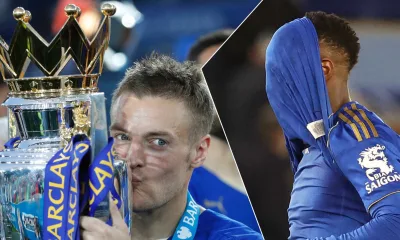
The Fall of Leicester: How Financial Choices, Recruitment and Instability Led to League One