Aston Villa
Elliott leaves Liverpool for Aston Villa in loan-to-buy switch
Harvey Elliott leaves Liverpool for Aston Villa on a loan-to-buy deal worth around £35m. next summer.


Harvey Elliott has ended a six-year association with Liverpool to join Aston Villa on a loan with an obligation to make the move permanent next summer. The agreement, concluded quickly by Villa, is understood to total around £35 million ($47.3 million) and is conditional on a set number of appearances for his new club.
A boyhood Liverpool fan, Elliott made his first trip to Anfield aged three with his father and, 13 years later, started in front of the Kop in a 5–5 thriller against Arsenal. He went on to amass 149 senior appearances for the club before deciding that regular minutes elsewhere were necessary for his development.
“I was close to going to Madrid and then I think Liverpool came in,” Elliott would later explained. The midfielder had a regular place under Jürgen Klopp when fit, but found playing time far more limited under Arne Slot. During Liverpool’s title-winning 2024–25 campaign the 22-year-old managed just two Premier League starts, both coming after the Reds had already been confirmed as champions at the end of April.
Villa will take Elliott initially on loan with the obligation triggered next summer, subject to the agreed appearance criteria. The move gives Elliott the platform he sought after a summer in which he repeatedly weighed his options, torn between loyalty to his boyhood club and the need for game time. “I don’t really want to be wasting years on my career because it’s a short career,” he lamented .
The transfer closes a significant chapter for Elliott and for Liverpool, where he grew from a fan into a first-team regular. For Aston Villa, it represents an investment in a player with Premier League experience and clear motivation to secure more minutes on the pitch.




Aston Villa
United’s next manager could cost far less, or far more, depending on the route chosen
United could pay $10m for Pochettino, or nothing for other out-of-work candidates.
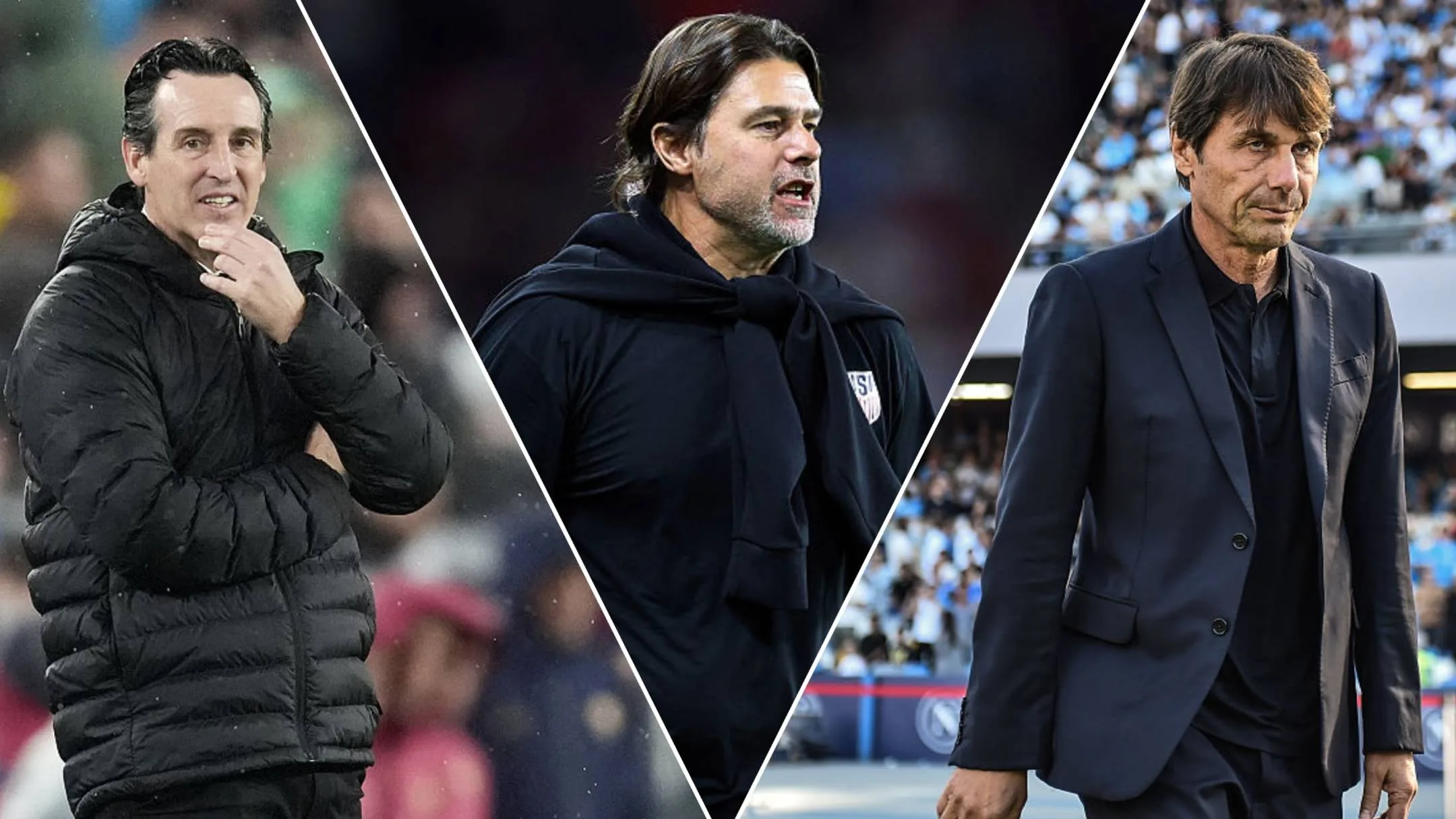
Manchester United are weighing up a managerial appointment where the fee may matter almost as much as the candidate. Mauricio Pochettino would reportedly cost more than $10 million to be prised from his U.S. men’s national team deal, but he is not the most expensive option on the club’s radar.
The issue reflects a familiar theme at Old Trafford. Since Ole Gunnar Solskjær’s spell ended early in 2021-22, after successive third and second-place Premier League finishes, four semifinals and a final, United have repeatedly found that changing manager carries a sizeable bill. That has been a difficult pattern at a time when other costs have generally been reduced.
Erik ten Hag did deliver trophies, winning the Carabao Cup in 2022-23 and the FA Cup in 2023-24. That placed him among only six managers in the club’s history to have won two trophies. Even so, United considered replacing him in the summer of 2024, then extended his contract before dismissing him within four months at a cost of £14.5 million ($19.5 million at today’s rate). Ruben Amorim’s move from Sporting CP cost £11 million ($14.8 million), and his departure after 14 months added another £16 million ($21.5 million).
Carrick represented the opposite end of the scale. When he returned to Old Trafford as interim manager last January, he was unattached, so the club paid nothing to appoint him. His salary is believed to be lower than those of his two most recent predecessors, which would also limit any future payout. If he were to lose his job, the final figure would only be confirmed when United’s 2026-27 accounts are published towards the end of next year.
Pochettino signed his U.S. Soccer agreement in August after his previous terms expired at the end of the 2026 World Cup. The Athletic reports a $10 million buyout, with “millions more dollars” required to bring his coaching staff as well.
Unai Emery would be pricier still. The Telegraph has reported Aston Villa would ask for £20 million ($26.9 million), while Eddie Howe’s compensation is falling from £6 million in the summer to around £3 million ($4 million) by the end of October. Julian Nagelsmann and Antonio Conte would cost nothing.
Aston Villa
United’s chaos continues in 4-4 draw with Villa
United’s 4-4 draw with Villa mixed rapid chaos, stoppage-time drama and fresh fan unrest.
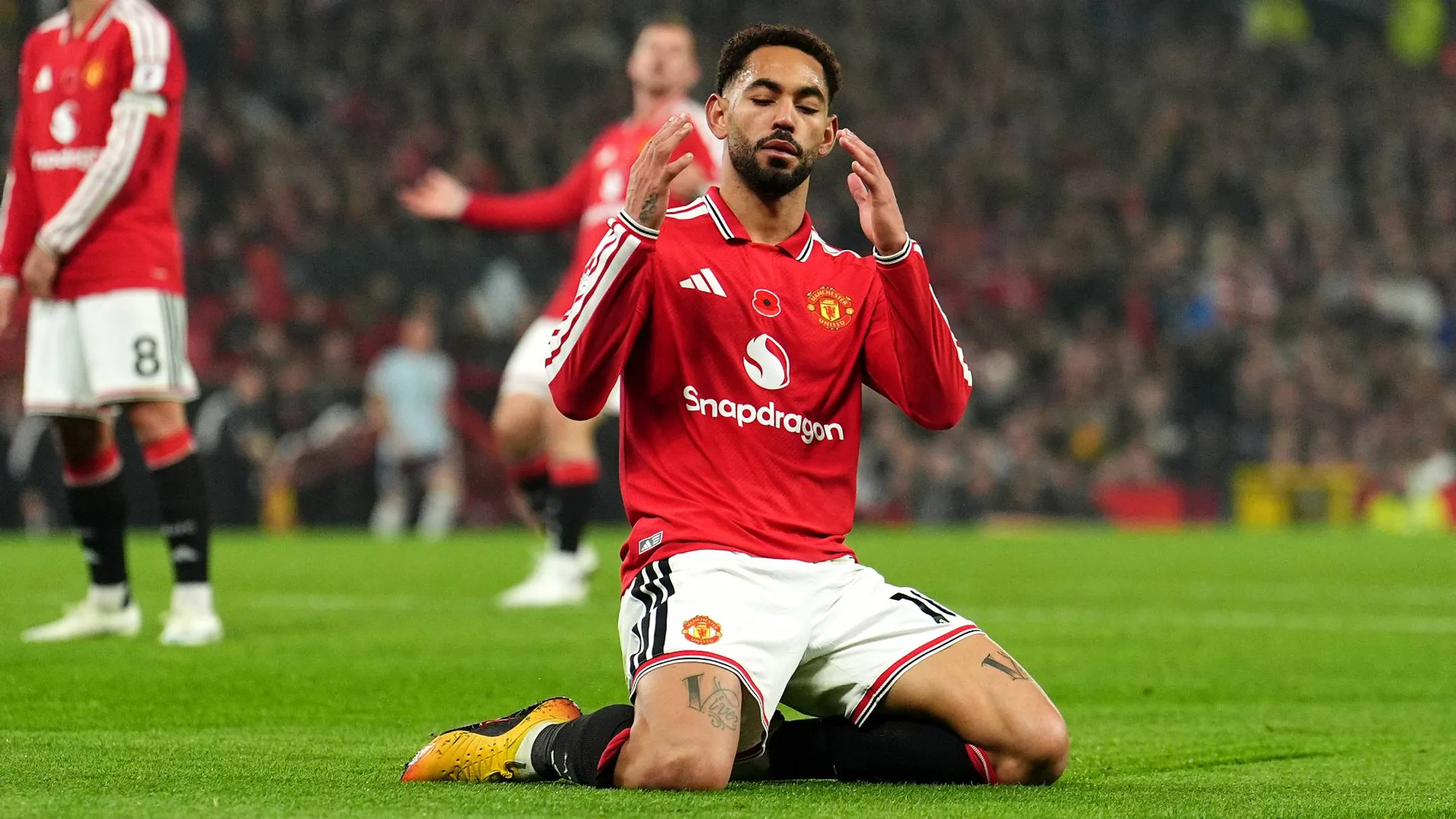
Manchester United were again at the centre of a contest that defied control, rescuing a 4-4 draw against Aston Villa with two stoppage-time goals after first falling 2-0 behind. What followed was less a football match than a procession of sudden swings, errors and public frustration at Old Trafford.
The hosts suffered one of the most alarming openings in Premier League history, reaching a 2-0 deficit in just 220 seconds. They had not even completed a pass before Alysson scored in the 59th second, and Nicolas Jackson added a second before United had managed anything beyond Bruno Fernandes’s kickoff at the restart. Michael Carrick was left consulting his watch as the scale of the damage became clear.
United did respond through Fernandes from the penalty spot, mirroring their Champions League comeback against Roma in midweek. But Aston Villa’s discipline cracked in familiar fashion, with the game shifting after their own sloppiness allowed United back into it. Youri Tielemans equalised at 2-2 after Noussair Mazraoui was left free to advance and cross, while United later appeared to have the final word when Joshua Zirkzee scored in stoppage time.
Even then, Villa were unable to close the match out. Zion Suzuki’s weak attempt to clear a corner helped complete the collapse, and Unai Emery stormed down the tunnel in clear disbelief. For all the chaos, the result reflected how both sides had contributed to the disorder.
United’s defensive issues remained central to the story. Diogo Dalot, used again at left back, was exposed early and struggled throughout, while the absences of Luke Shaw and the injured Patrick Dorgu left him in the role for a fourth straight league match. The broader argument over United’s problems clearly runs deeper, but that weakness was costly once more.
The mood around the club was equally hostile off the pitch. Before kickoff, fans staged another protest against the owners, and chants against the Glazers followed Fernandes’s penalty. A banner later appeared reading: “Your funeral, not ours.” With United 18th in the table after more than a quarter of the season, relegation talk is no longer absurd.
Aston Villa
United Rescue Point in Villa Thriller, but Carrick Pressure Grows After Defensive Collapse
United drew 4-4 with Villa after another defensive collapse, leaving Carrick under pressure.
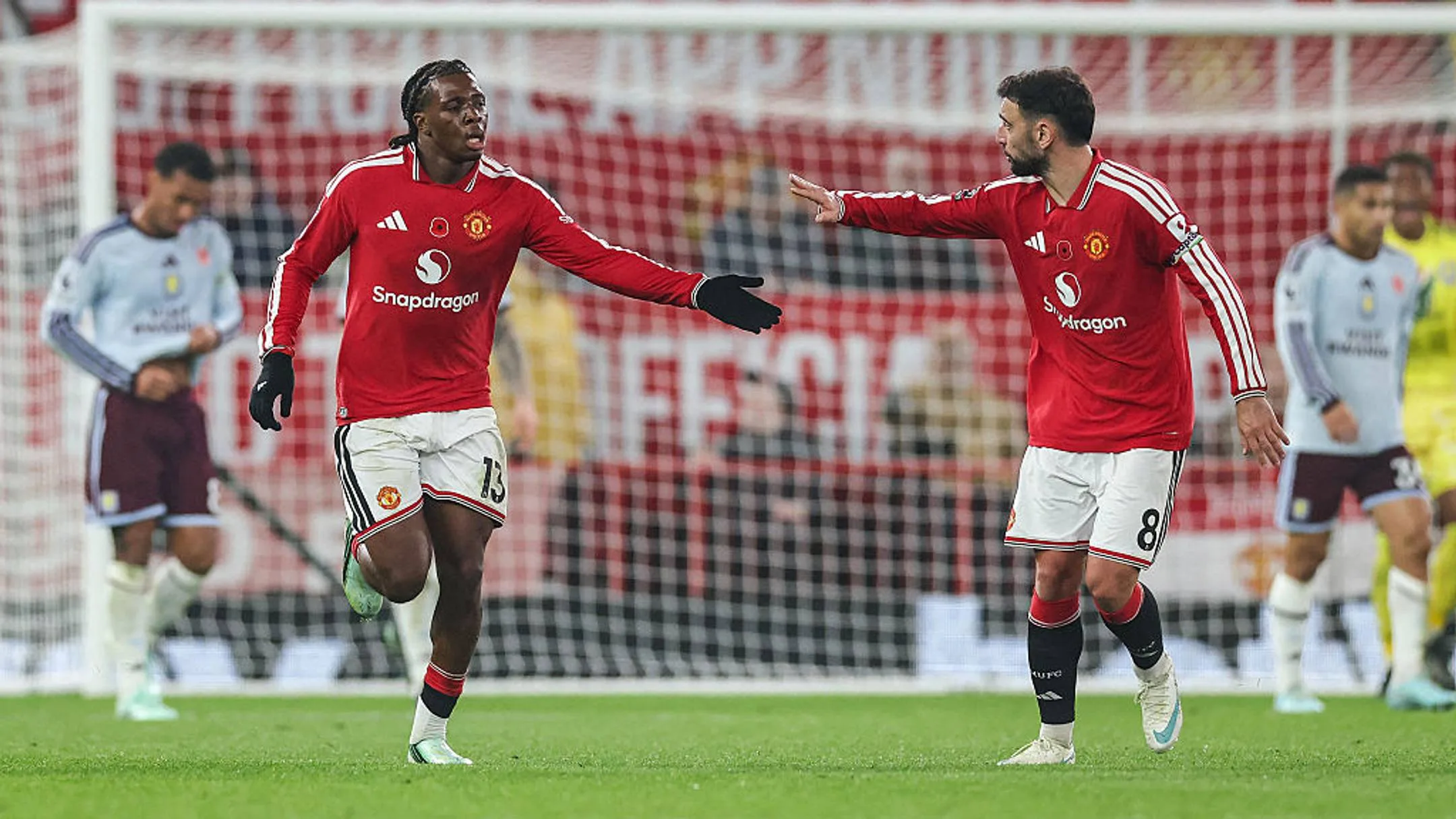
Manchester United emerged from a chaotic afternoon with a 4-4 draw against Aston Villa, recovering from two separate two-goal deficits yet still ending the day with major questions hanging over Michael Carrick before the November international break.
United’s response began in familiar fashion. Bruno Fernandes converted from the penalty spot, just as he had on Tuesday, to ignite the comeback. The home side then pushed forward with purpose and found an equaliser before the interval through Youri Tielemans, who struck against his former club on the edge of half-time.
But the pattern returned after the restart. United conceded twice in quick succession, both goals the product of loose defending that once again undermined any sense of control. John McGinn made no mistake from the penalty spot to restore Villa’s lead, before Leon Goretzka finished a scrappy set-piece move to deepen United’s problems.
At 4-2 down in stoppage time, defeat appeared inevitable. Instead, Patrick Dorgu transformed the closing stages. The substitute first supplied Joshua Zirkzee, then rose to head in the equaliser from a corner, salvaging a point that may spare Carrick in the short term while doing nothing to ease the wider unease around a side now stuck in 18th place in the Premier League table.
The opening stages set the tone. United were behind in the fourth minute, and for the fifth match in a row they found themselves two goals down. That early setback came after alarming defending, with a costly error from Senne Lammens adding to the damage.
There was little improvement after half-time, when United conceded two more poor goals inside eight minutes. Diogo Dalot’s challenge conceded the penalty and his side were then punished again by Villa’s simple finish for the fourth.
Carrick will take the blame, but the evidence on the pitch pointed just as strongly to a team repeatedly making amateur errors. If a change does come, defensive repair will be the first job awaiting any successor.