Manchester United
Why Wilcox Is Taking the Heat for United’s Troubled Start
Wilcox’s recruitment calls, Carrick’s appointment and United’s imbalance are all under scrutiny.

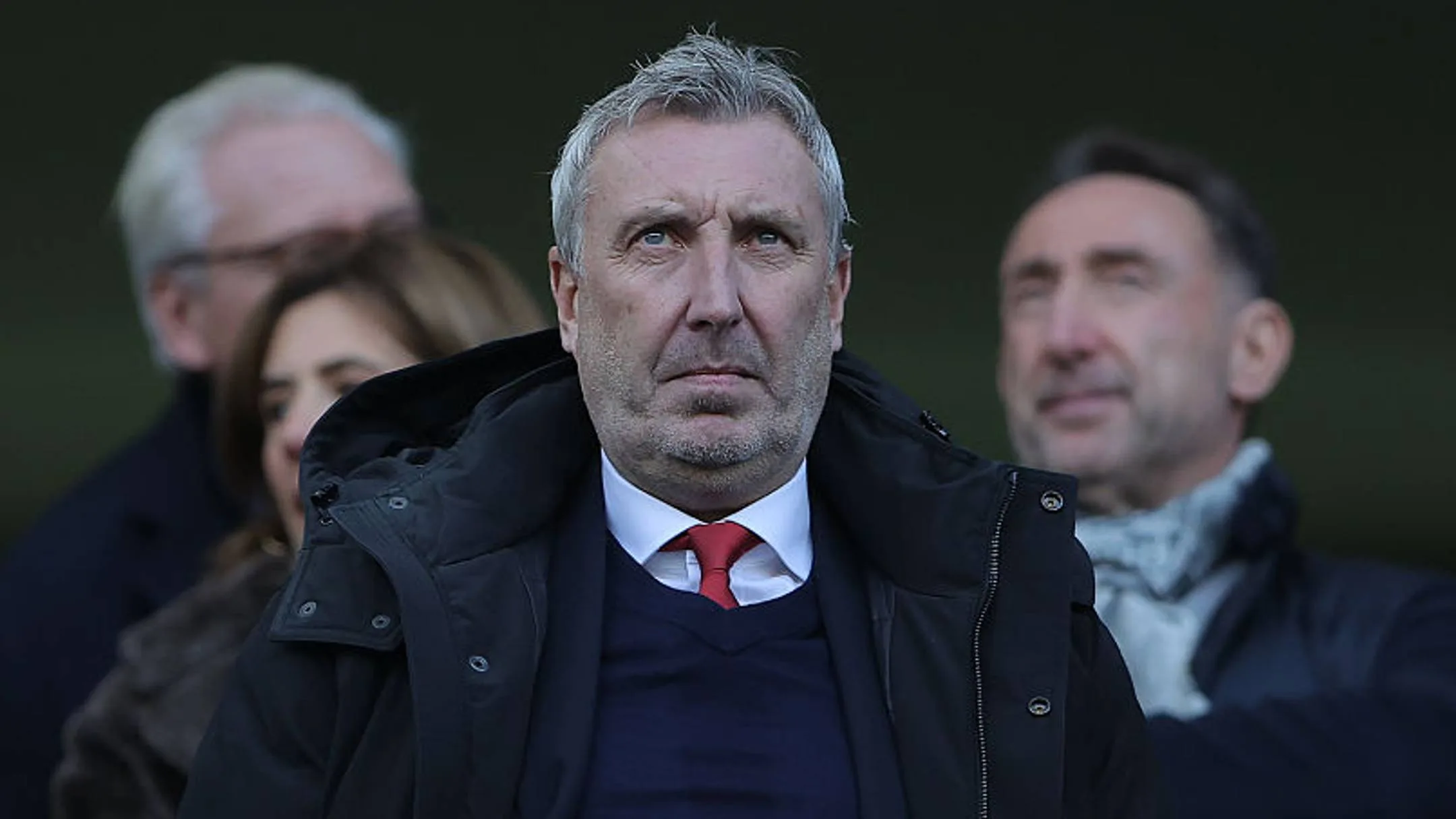
Jason Wilcox has become one of the most visible figures in Manchester United’s latest run of trouble. With every defeat, the sporting director seems to draw more attention, while the club’s wider problems continue to pile up around him.
He arrived from Southampton in 2024 as technical director and was meant to work under Dan Ashworth as part of the INEOS revamp. The plan was for Wilcox to help deliver the structure set out by Ashworth and CEO Omar Berrada. Instead, after Ashworth lasted just five months, Wilcox was elevated quickly and was left with a job far bigger than the one he had previously held for a year at Southampton. United’s start to 2026/27 has since left them in the relegation zone after 10 Premier League matches, and Wilcox cannot escape responsibility.
One major issue has been the appointment of Carrick on a full-time basis. The former club legend had impressed as interim boss and helped guide United to a third-placed Premier League finish and a return to Champions League soccer. But that revival had the look of something temporary, driven by momentum and helped by no European football and early cup exits. After the struggles of Erik ten Hag and Ruben Amorim, United needed a clearer long-term football plan. Choosing Carrick suggested Wilcox was thinking only short term.
The club’s recruitment has also lacked balance. Across the last two summers, United have focused on only one area at a time. In 2025, the emphasis was on attack, with Bryan Mbeumo, Matheus Cunha and Benjamin Šesko arriving, plus goalkeeper Senne Lammens. This summer, the priority shifted to central midfield, with Carlos Baleba, Youri Tielemans and Andrey Santos brought in for money. That left other gaps untouched.
Full back remains a problem, with Luke Shaw’s fitness still a concern and Diogo Dalot and Noussair Mazraoui failing to convince. At centre back, the form and injury problems of Martínez, Harry Maguire and Matthijs de Ligt have left United exposed. Up front, Šesko’s shin injury, which is now set to keep him out until the new year, has increased the burden on Mbeumo. Joshua Zirkzee, with six Premier League goals in 62 appearances, is the only other senior striker.
The squad itself remains badly unbalanced, with too many players signed for different managers and different systems. The exits of Antony, Alejandro Garnacho, Rasmus Højlund, Jadon Sancho and Tyrell Malacia have been welcomed, but United still carry too much baggage. Marcus Rashford, 29, returned this summer without a clear reintegration plan, while Maguire, 33, and Shaw, 31, increasingly look like the soccer has left them.




Man Utd
Pochettino’s early United leanings: seven players set to catch his eye
Pochettino may already trust seven United players, but injuries and squad culling complicate his start.
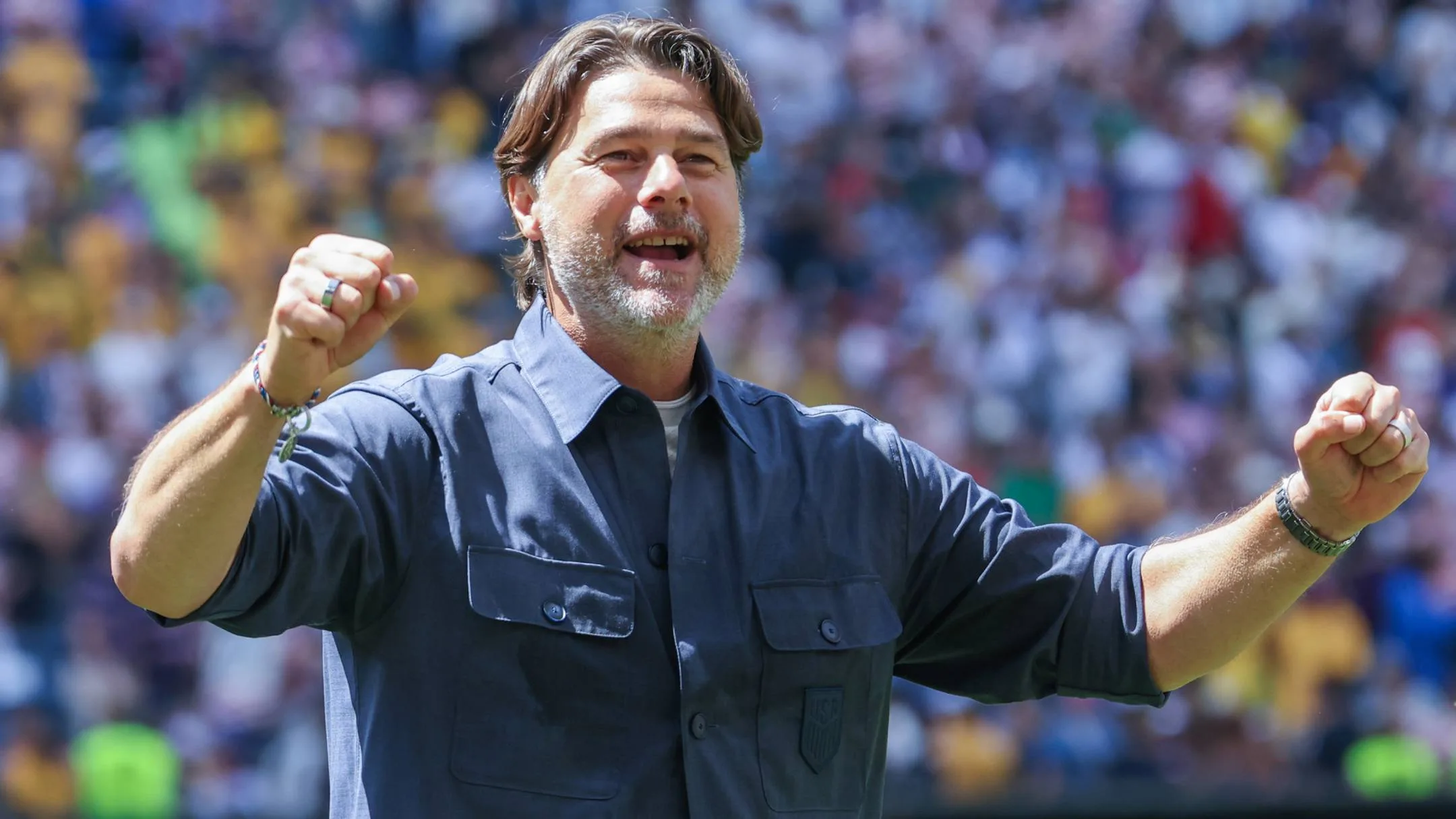
Mauricio Pochettino has yet to take his first training session at Manchester United, but reports suggest he already has a clear sense of who fits his plans. The Argentine is due to begin work on Wednesday, Nov. 18, leaving just four days before United travel to Anfield to face Liverpool next Sunday.
With so little time to assess the squad in person, it is hardly surprising that he may lean on prior impressions. According to The Telegraph, Marcus Rashford is a player Pochettino has “always loved,” while Bruno Fernandes, Kobbie Mainoo, Carlos Baleba, Amad Diallo, Patrick Dorgu and Luke Shaw are also thought to be among those most likely to benefit from the new manager’s backing.
There is, however, an immediate complication. Rashford, Baleba and Shaw are all injured at present. There is hope the England pair can recover before the end of the international break, but Baleba’s hamstring problem, suffered in the dramatic win over Roma, is likely to delay his first appearance under Pochettino.
Fernandes is a particularly interesting case. During United’s search for a new manager, some reports suggested candidates were wary of the dressing room’s unruly reputation. Fernandes, as captain, did little to quiet that perception when he publicly criticised Michael Carrick’s tactics against Como.
The Portuguese playmaker objected to Carrick’s instruction not to press and instead ran around on his own, to the wider detriment of the team. That may not trouble Pochettino, whose reputation has been built on a high-energy pressing approach that could suit Fernandes.
Mainoo, meanwhile, has reportedly earned Pochettino’s approval despite questions over his energy and endurance that were raised by Ruben Amorim. The new manager is said to value the midfielder’s control in possession more highly than any physical reservations.
Another familiar principle should arrive more quickly: overlapping fullbacks. Pochettino used that pattern at Southampton, where Shaw thrived, and later at Tottenham Hotspur, Paris Saint-Germain and the U.S. Dorgu could be especially important on the left because of his athleticism and attacking instincts. Shaw, whose attacking threat has declined, could even be used as a centre back to support him.
Pochettino may already have favourites, but Gary Neville believes he will be just as decisive with the players he does not want. “I actually remember going to see him at Tottenham in his very early days,” the eight-time Premier League champion told Sky Sports News. “He had a whiteboard in front of him in his office with all the players’ names on little markers and he actually moved a group of players over to the left-hand side of the board and said: ‘These are the ones I know I need to get rid of. These are the ones I know I can work with and build around.’
“He’s got to identify that very quickly at United and I’m sure he will do that. He’s more experienced now than he was when he was at Tottenham.”
The challenge, of course, is not only identifying the unwanted players, but finding a way to move them on.
Manchester United
Pochettino’s first five tests at Manchester United
Pochettino faces morale, defensive, injury and boardroom problems after United’s disastrous start.
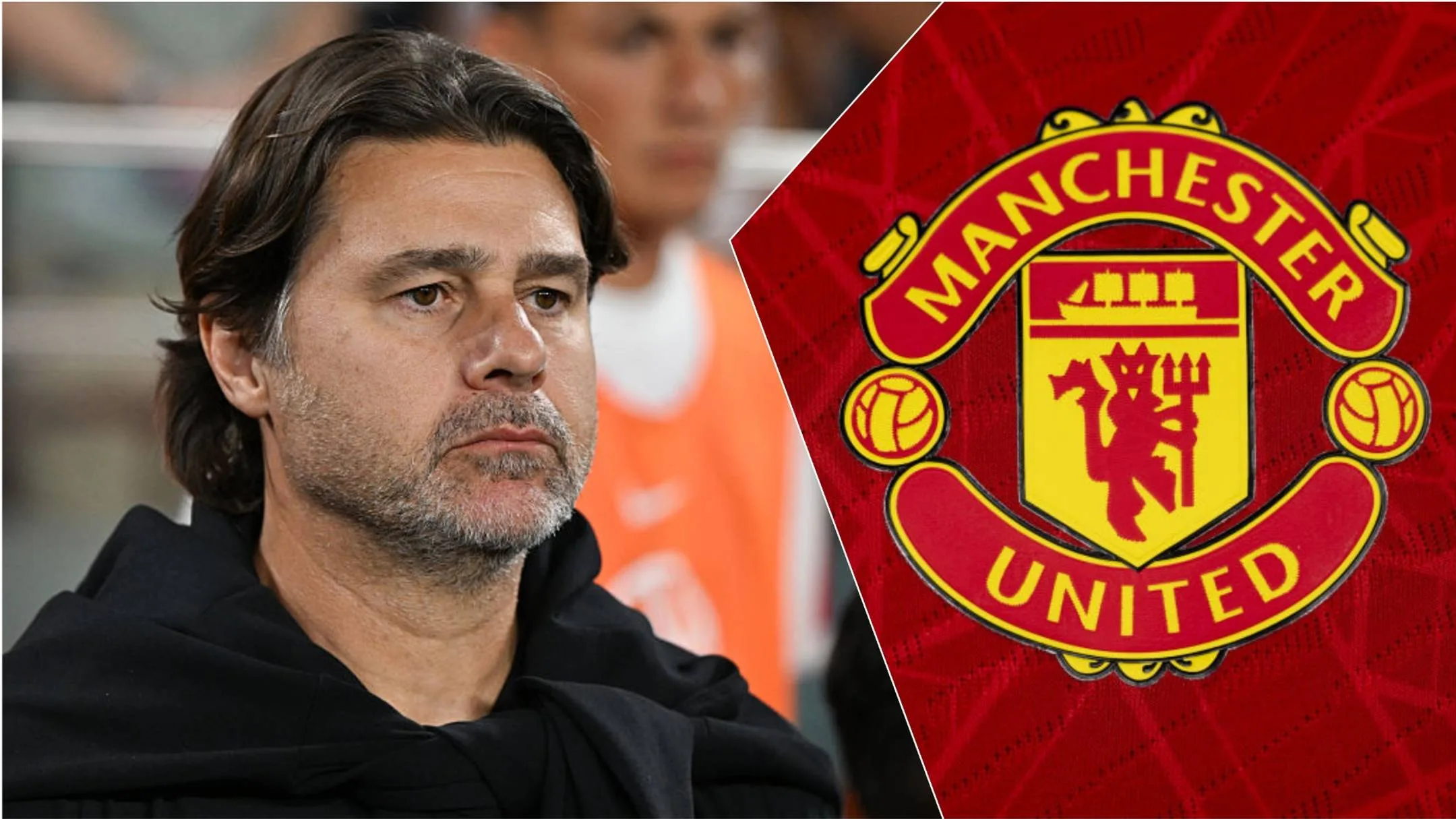
Mauricio Pochettino has finally taken over as Manchester United’s permanent head coach, arriving with the scale of the task already clear. After a disastrous start to the 2026/27 campaign, the challenge is not simply to improve results, but to steady a club that has sunk into one of its darkest post-Sir Alex Ferguson periods.
United are stuck in the relegation zone with only three wins from their first 15 league matches, and the mood inside the dressing room is understandably fragile. Even encouraging recoveries against Roma and Aston Villa under Michael Carrick were greeted with frustration rather than celebration. After the 4-4 draw with Aston Villa, Patrick Dorgu said: “I don’t feel happy—we are in a bad situation. We need to fight together to get out of it. Draw better than a loss but we had the better opportunities,”
That is the atmosphere Pochettino inherits. Recent comments from Lisandro Martínez and Bruno Fernandes suggest discontent is rising, and the new manager’s first job will be to rebuild belief. He has a strong reputation as a communicator, but this squad needs more than positivity.
The defensive situation is especially alarming. United have conceded 30 goals, with only Lens worse across Europe’s top five leagues, while they also hold the Premier League’s third-worst defensive record. They have let in two or more goals in each of their last five matches. The problem was compounded by a summer in which defensive reinforcements were ignored, leaving Pochettino to work with an unbalanced back line until January.
Injuries have further complicated the picture. Benjamin Šeško is out until January, Joshua Zirkzee is the only senior centre forward available, Luke Shaw’s absence has pushed Diogo Dalot into an unnatural role at left back, and Manuel Ugarte and Carlos Baleba are both sidelined or struggling with fitness concerns.
Off the pitch, Pochettino must navigate a fractured relationship between supporters and the hierarchy. Criticism of the Glazer family, INEOS, Omar Berrada and Jason Wilcox remains fierce, and the new coach will not escape it. He also steps into a job that has worn down several accomplished managers before him, from José Mourinho to Louis van Gaal, Ten Hag and Amorim. At United, the warning signs are well known.
Manchester United
Pochettino describes USMNT departure as the hardest call of his career
Pochettino called his USMNT exit his hardest decision, with Old Trafford next on his path.
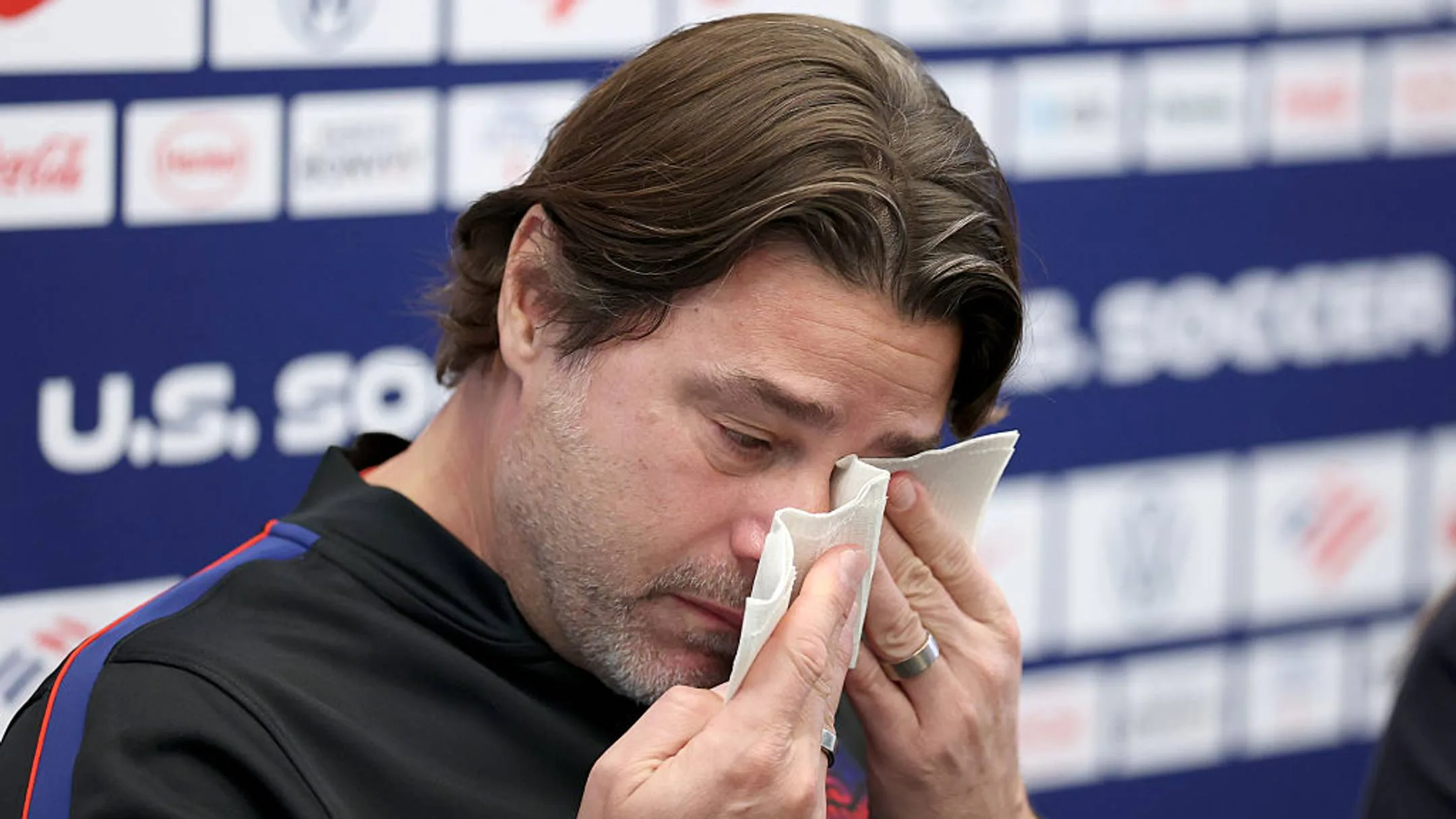
Mauricio Pochettino has said his decision to leave his role as U.S. men’s national team manager is the most difficult of his career, after confirming he will move on following the current camp.
Speaking in an emotional press conference on Friday, Pochettino acknowledged the weight of the choice while sitting alongside U.S. Soccer CEO JT Batson and President Cindy Parlow Cone. “It’s difficult to talk now,” Pochettino said. “I’m an very emotional guy. It’s a very sad decision.”
The media briefing had been intended to focus on Saturday’s Concacaf Nations League meeting with Haiti, but the announcement inevitably dominated proceedings. Pochettino and his staff will still oversee the two quarterfinal legs, on Saturday and Tuesday, before heading to the Premier League and beginning work at Old Trafford officially on Wednesday.
He explained that his affection for the USMNT and the progress made during his spell made the exit harder to accept. “I appreciate the program that we were evolving together, that’s what makes even more difficult the decision,” he said. “A decision in some part is a very sad decision, but in other parts, we are professionals, and we need to find the next step, try to make our dreams come true.”
Pochettino had signed a new long-term deal with U.S. Soccer in August, a contract that ran through the 2030 World Cup and included a wider role in the federation’s youth pathways and initiatives. That context only sharpened the significance of the move. “Yes, I had signed a new deal until 2030, but the [U.S. Soccer] federation knows not so many opportunities appear in your life like Manchester United,” he said. “And of course when that arrives, it’s difficult to turn down that situation.”
He stressed that the final days would remain focused on duty. “But now is not the time to talk, it’s the time to show commitment and to prepare for the next two games.”
U.S. Soccer moved quickly to praise his impact. Batson said: “Mauricio has left a lasting mark on U.S. Soccer through his leadership, professionalism and commitment to our players and culture,” while Parlow Cone told him: “You’ve contributed to the program getting better … I want to give you a heartfelt thank you and we’re going to miss you. We are in a stronger place today than we were two years ago.”