Liverpool
Liverpool and Newcastle open 2026/27 with doubts on both sides
Liverpool and Newcastle begin 2026/27 with both teams short on conviction after a difficult summer.


Liverpool and Newcastle United are set to begin the 2026/27 Premier League season against each other on the opening weekend, but neither side arrives with much certainty behind it.
The match puts two clubs under early scrutiny, with both heading into the new campaign looking short of convincing signs. For Liverpool, the focus is on whether they can settle quickly at the start of the season. For Newcastle, the picture is more troubling after a difficult build-up.
The concerns around Newcastle’s preparations have deepened after a summer that has already taken a heavy toll. The club have lost Anthony Gordon, Bruno Guimarães, Sandro Tonali and manager Eddie Howe, leaving them to face the new season with significant disruption.
Their pre-season results have offered little encouragement either. Newcastle have been beaten by Bayer Leverkusen, Everton, Bristol City and Strasbourg, a run that has done little to ease the uncertainty around the squad.
With the opening weekend now here, the fixture carries added weight because of that backdrop. Liverpool and Newcastle are both entering the 2026/27 campaign under pressure to show stronger form than they have displayed so far, and Newcastle in particular will be hoping to find a response after a difficult summer and a series of defeats.



Aston Villa
Premier League Matchday 6 verdict: who impressed, who unravelled, and who merely survived
Matchday 6 mixed sharp wins, poor finishing and controversy across the Premier League table.
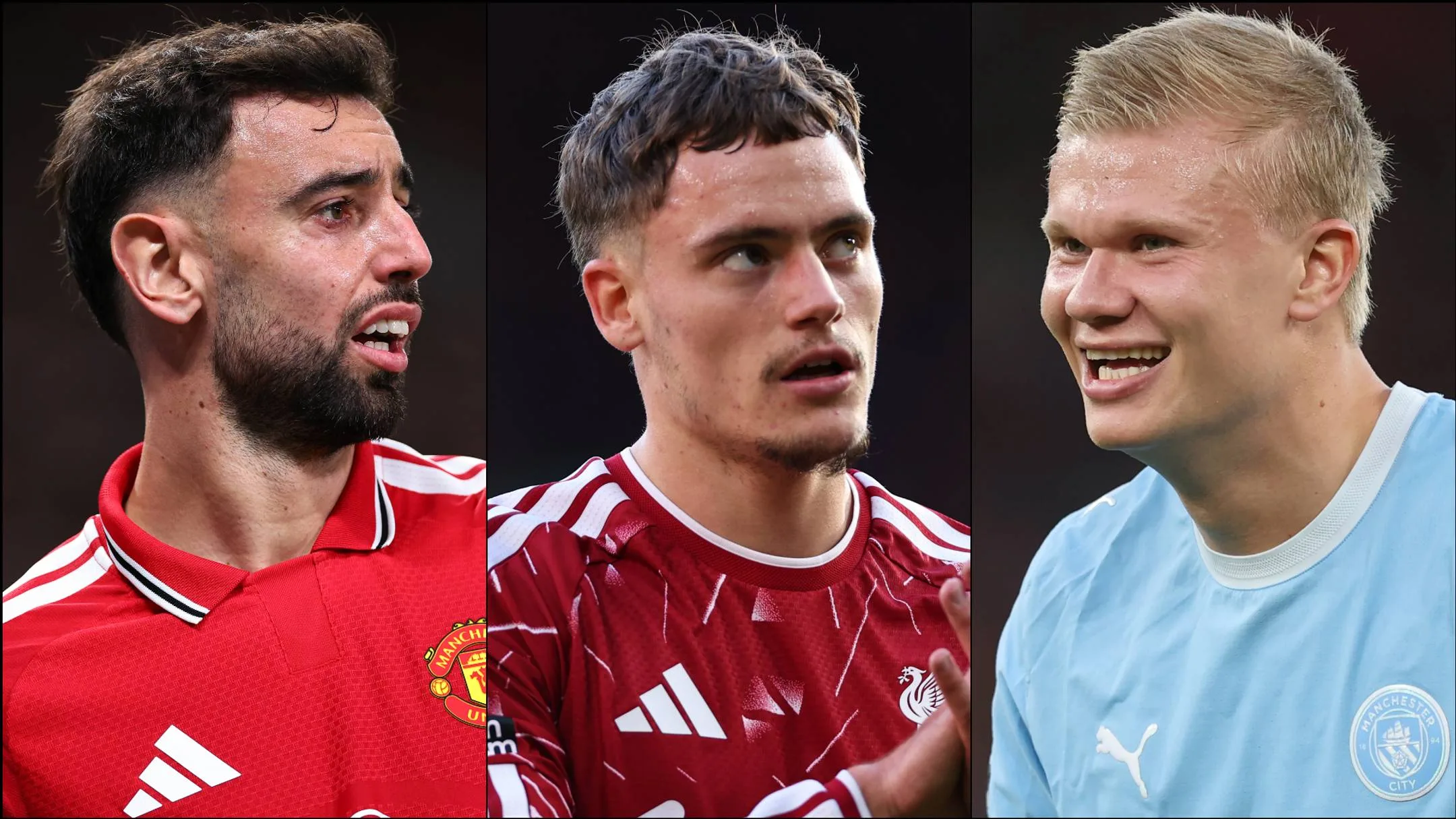
Matchday 6 left the table untouched in one sense, but the performances were impossible to ignore. In the post-verdict era, points can feel fragile, yet the evidence on the pitch still matters. City’s second-half surge past a faltering Liverpool side may be revisited later, but Erling Haaland’s strike and Rayan Cherki’s invention are already part of the record.
Sunderland, deprived of key figures, were left with too little invention and too little calm in possession. Régis Le Bris was right to question the side’s lack of “quality or composure” after they controlled much of the ball but found no answers without Brian Brobbey. Bournemouth also remain short of rewards, and their latest defeat under Marco Rose brought another reminder that encouraging spells mean little without a first win. “The last games we had some good performances,” the incoming manager admitted, “but today we struggled.”
Manchester United’s problems continue to widen. Michael Carrick’s side were exposed again, this time by Tottenham Hotspur, and the mood around Old Trafford is growing less forgiving. Carrick’s own assessment was blunt: “I understand the disappointment,” he shrugged, “the reality is what it is.”
Elsewhere, Newcastle’s 4–1 defeat at Coventry City was harsh on the chances they created, yet costly for the gaps they left behind. Liverpool’s collapse after Ryan Gravenberch’s dismissal became the major talking point in a contest Andoni Iraola felt was shaped by the referee, while Crystal Palace were celebrated after a win that owed plenty to a generous interpretation of events from Pierre Sage.
There were also hard-earned points for Everton, Hull, Aston Villa, Brentford, Tottenham, Nottingham Forest, Ipswich, Arsenal, Chelsea and Manchester City. Some wins were built on control, others on stubbornness, and a few on little more than survival. On a weekend where margins dominated, several teams learned how thin the line remains between progress and frustration.
Liverpool
Iraola questions Gravenberch booking after Liverpool’s defeat to Manchester City
Iraola hit out at Gravenberch’s first yellow after Liverpool’s defeat to Manchester City.
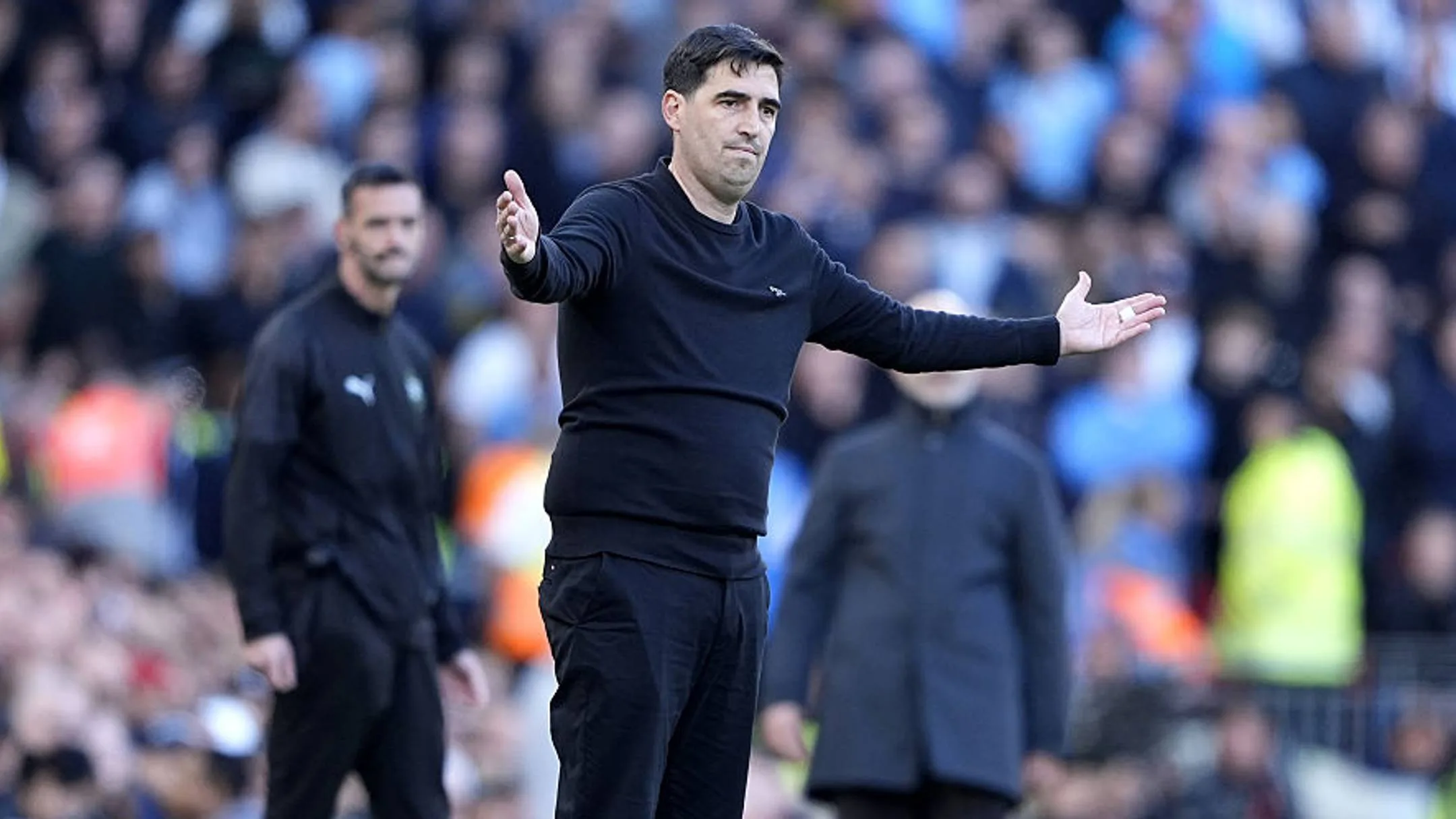
Andoni Iraola was left frustrated after Liverpool’s 3-0 Premier League defeat to Manchester City, focusing his anger on Ryan Gravenberch’s red card and what he felt were soft decisions from referee Chris Kavanagh.
Liverpool were already under pressure when they conceded three times in a 13-minute spell after going down to a numerical disadvantage, and Iraola argued that Gravenberch’s first yellow was far too harsh. He also suggested the standard applied in the match should be carried through the rest of the season.
“I think the first foul of Ryan is never a yellow card, never,” said the Spaniard. “These kinds of games, just a stomp on the big toe, or something minor. He doesn’t even call the foul straight away. He lets bit go, I think Elliot Anderson does a couple of steps. He decides to go down. I don’t know why after he shows the yellow card, because it’s not a situation where it leaves advantage.
“We had nine players behind the ball. It’s like they had a lot of, you know, it was in the middle of the pitch, no danger there. And then you put, as a referee, yourself in trouble, and also you put us in trouble.”
His irritation was not confined to that incident. He added: “Also, at the beginning of the game, yellow card of Ronald [Araújo], I know he complains, he does this. But in these kinds of games, if you are going to start after a handball of [Marc] Guéhi, the punishment is for Ronald complaining.
“You put it straight away at the beginning of the game, the right back with a yellow card. I think you are in the textbooks, yes, perfect. He complains, you can show a yellow card, but then I will be very careful all the season. Every time someone complains, it has to be a yellow card.”
Gravenberch’s second booking, for pulling down Doku in the 62nd minute, was described as a clear yellow. But the first caution remained contentious, with the Dutchman booked in the 47th minute for contact that appeared minimal after he tried to pull out of the challenge. Speaking with Sky Sports, former Premier League referee Dermot Gallagher also disagreed with Kavanagh’s first booking decision.
Liverpool
Haaland’s terse view on United and his Anfield outlook
Haaland brushed off United, then backed City to cope with the pressure at Anfield on Sunday.
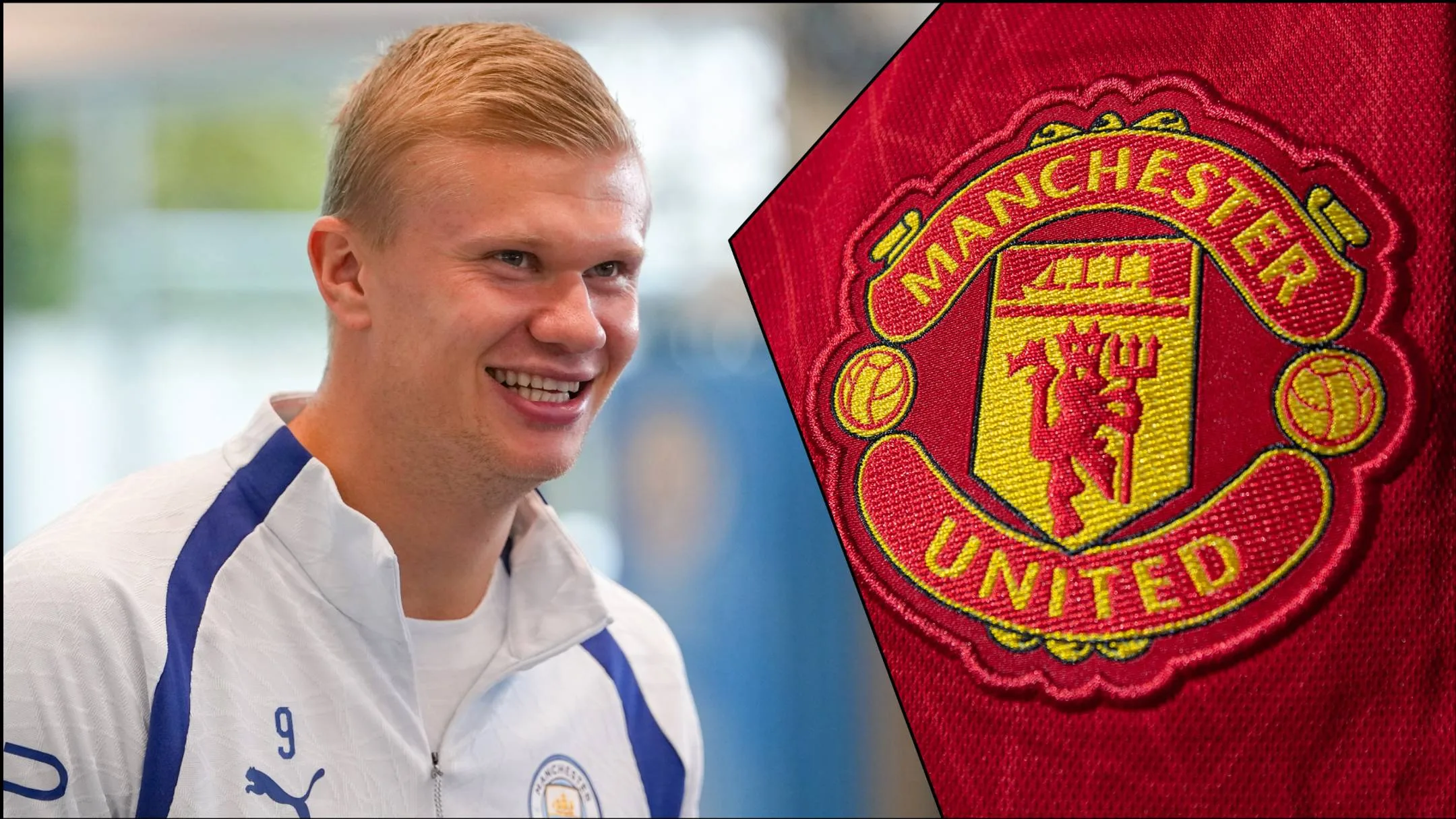
Erling Haaland offered a revealing, if brief, answer when asked about Manchester United, and it said almost everything about where the rivalry sits from his point of view.
Pressed on the subject, the Manchester City forward paused, laughed and admitted: “I had to think about the name.” It was a sharp reminder that, for him, United are not the reference point they once were in the city. During his four years at City, the main challengers have been Arsenal and Liverpool, not the club once regarded as the dominant force in Manchester.
The timing of the comment mattered. Haaland had already been looking ahead to City’s trip to Anfield on Sunday, and he made no attempt to soften the mood around the fixture. The Premier League’s most productive striker welcomed the expectation of a difficult reception and said he wanted it that way.
“I hope it’s like that [hostile],” Haaland insisted, “it should be like that when Man City go to Liverpool and Anfield.”
There has been plenty of talk about the atmosphere awaiting City, especially after the official announcement of the club’s guilt regarding more than 100 breaches of financial regulations. That backdrop has fuelled predictions that the home crowd will be relentlessly hostile.
Yet the picture is not quite so straightforward. Anfield retains a fearsome reputation on European nights, but the edge around the ground has not always been so intense in more ordinary circumstances. On a Sunday afternoon, the noise can only do so much.
The match itself may prove more decisive than the setting. City go into the game top of the league with a perfect record under Enzo Maresca, while Liverpool have already dropped points against Newcastle United, Nottingham Forest and Fulham, all three of whom began the day in the bottom half.
Against that backdrop, Haaland’s belief that City supporters are “going to have a good time” at Anfield does not look entirely misplaced.