Chelsea
Winners and Losers as Chelsea Move On From Liam Rosenior After 106 Days
Chelsea sacked Liam Rosenior after 106 days; Calum McFarlane is interim as BlueCo comes under fire…

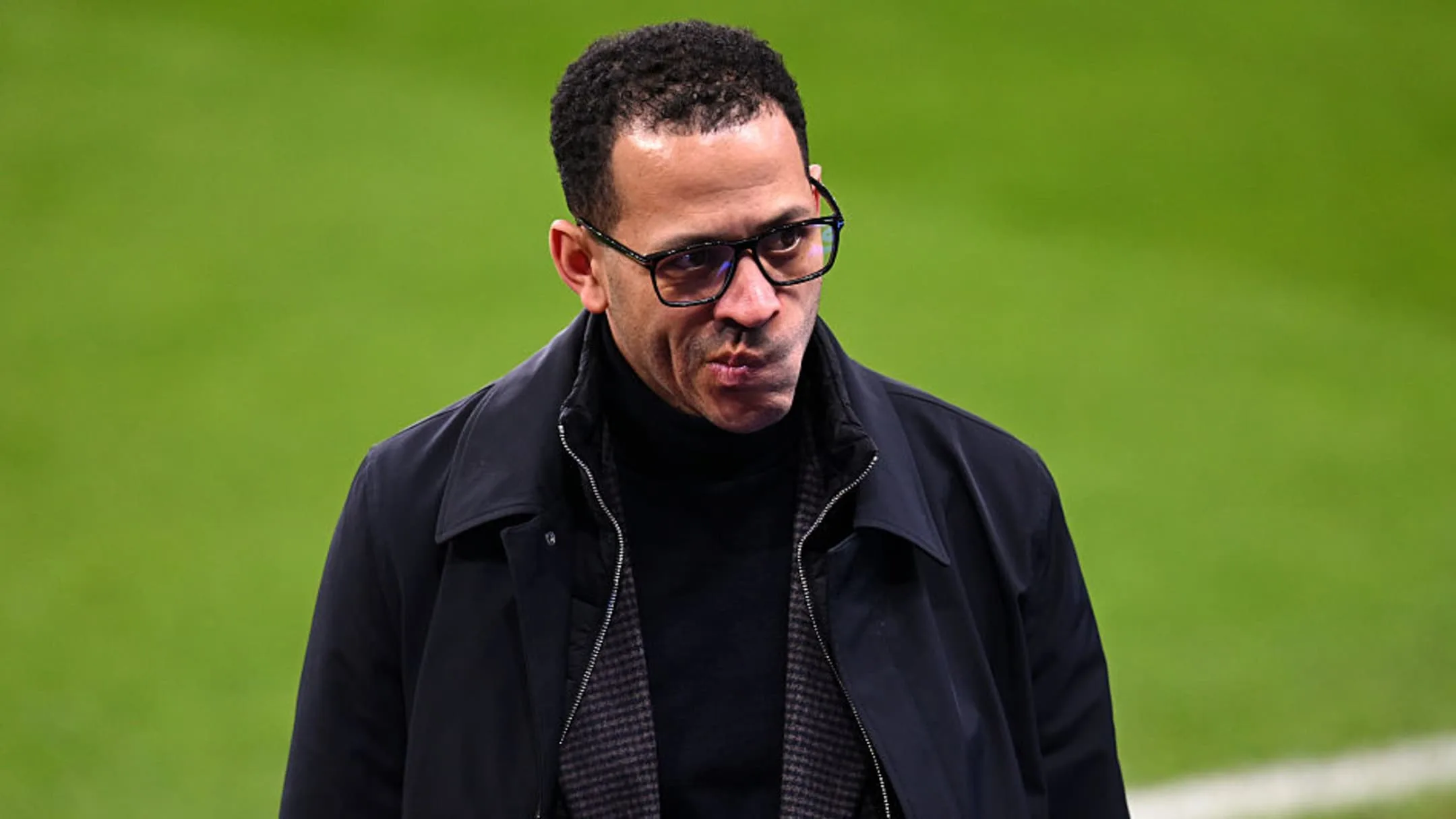
Chelsea confirmed the departure of Liam Rosenior 106 days after his appointment, installing Calum McFarlane as interim manager until the end of the season while the club searches for its sixth permanent manager since the start of the 2022–23 campaign. The decision arrives after a poor run of results that left Champions League qualification out of reach and the club sliding down the table.
The exit reshuffles reputations. Enzo Maresca, who left Chelsea on New Year’s Day after his relationship with the hierarchy fractured, saw his standing sharpened amid the turmoil. Less than a year after Maresca led the club to UEFA Conference League and FIFA Club World Cup titles — the first two trophies of the BlueCo ownership era — Chelsea were fifth at the turn of the year. Under Rosenior the team reached a new low, seven points off fifth having played an extra game and at risk of falling out of the top 10.
The Rosenior era also intersected with internal discord. Vice-captain Enzo Fernández had been suspended for two matches after questioning the club and suggesting a possible exit. Rosenior said, “A line was crossed in terms of our culture and what we want to build.” Fernández’s criticisms about “not understanding” some decisions now read differently after Rosenior’s departure. Chelsea beat Port Vale and lost to Manchester City without Fernández; if results would have been the same, the episode still highlights deeper issues that could prompt further departures.
There are player-level consequences. Jorrel Hato, who had struggled for minutes under Maresca, started nine Premier League games this season, seven under Rosenior, and played every minute of the manager’s final six matches. An injury to Trevoh Chalobah helped Hato’s run, but he even kept his place once Chalobah returned against Brighton. Early in McFarlane’s brief stewardship Hato returned to the bench for two league games, with Josh Acheampong, Tosin Adarabioyo and Benoît Badiashile featuring instead.
Responsibility for Rosenior’s short tenure has been laid at BlueCo and sporting directors Paul Winstanley and Laurence Stewart. Critics say the ownership and recruitment model have left Chelsea regressing rather than progressing four years into the BlueCo era. “We will undertake a process of self-reflection,” Chelsea said in the statement of Rosenior’s departure. Recent precedent, however, notes that those who hired Maresca and Rosenior received pay increases even as the club’s finances and form drew criticism.





Chelsea
Chelsea’s striker logjam points to a busy decision-making summer
Chelsea face a crowded striker picture, with some futures secure and others needing moves away.

Chelsea’s tendency to accumulate players has created an especially crowded picture in attack, and the situation now looks even tighter. With no European football to offer, the club’s centre-forward group faces a sharp squeeze as the window moves on.
João Pedro stands apart from the rest. He has been one of BlueCo’s clearer successes, settling quickly after arriving last summer and delivering goals at the Club World Cup before finishing his debut season with 20 in all competitions. A nine-minute hat trick in his first game under Xabi Alonso, against Australian side Western Sydney Wanderers, underlined why he is seen as indispensable. Reports linking him with Barcelona do not alter the picture: he is staying put.
Nicolas Jackson is in a different category. His first two Chelsea campaigns brought criticism for missed chances and uneven output, but his pace and physical presence still caused problems, and he reached 30 goal involvements before last season’s loan to Bayern Munich. There, he contributed 11 goals and three assists as Bayern completed a domestic treble. Alonso will want to assess him in pre-season, yet he could still have a useful role as a disruptive option from the bench.
Emmanuel Emegha, who joined from Strasbourg this summer, has clear upside after strong scoring returns in France. Even so, Chelsea may be better served sending him on loan, ideally to another Premier League club, so he can develop in a more suitable environment.
Marc Guiu also looks likely to need a move away. His loan spell at Sunderland was cut short after three appearances and a goal, and he later made 13 appearances last season while providing four goal involvements. He remains a promising young striker, but regular minutes are unlikely at Stamford Bridge.
Dastan Satpaev has already shown promise with a sharp finish in the 6-4 friendly win over Western Sydney Wanderers, though a loan next season appears probable given the competition ahead of him.
Liam Delap, by contrast, has struggled badly. Signed for $40.6 million after a 12-goal season with Ipswich Town, he managed only three goals in 47 appearances and offered too little to justify patience. Chelsea should move him on while he still holds value.
David Datro Fofana, meanwhile, has not played for Chelsea since 2023 and has spent the past three campaigns on five different loans, with only a brief spell in Türkiye standing out as a success.
Brighton & Hove Albion
Chelsea End Years of Age-Restricted Spending With Welbeck Deal
Chelsea have signed Danny Welbeck, ending a long transfer trend built around younger players and big fees.

Chelsea’s latest transfer has broken a pattern that had defined their recruitment for more than three years. The club have signed the 35-year-old Danny Welbeck from Brighton & Hove Albion for an undisclosed fee, ending a run in which they had not paid for a player older than 25 since the summer of 2022.
That approach produced 48 deals and more than $1.94 billion in combined transfer fees, with the age profile heavily weighted towards youth. Players aged 18 to 26 accounted for every paid signing in that period, while there were no arrivals between 27 and 34. Welbeck stands alone at 35, representing a clear departure from the model Chelsea had followed so closely.
There were signs the club were open to adjusting that method before the move for Welbeck, and the earlier pursuit of Jordan Henderson pointed in the same direction. Behdad Eghbali had already spoken about the need for balance in the squad and the importance of more experienced additions.
“We’ve got to be better on a few things, to add more ready-made players at this part of the project, to take [it] to the next level, to be consistent over time. We recognize we need balance. You tweak a model, you improve, you learn from mistakes.”
Welbeck fits that description. He comes off the most productive Premier League season of his career, scoring 13 goals in 2025-26 and playing in all but one Brighton match. Only João Pedro scored more league goals for Chelsea last season, and he managed 15.
His underlying numbers were equally strong. He led Brighton for appearances, goals, non-penalty goals, expected non-penalty goals, shots and shots on target, while also finishing with the club’s best conversion rate among the top scorers. Fabian Hürzeler highlighted more than just the goals, saying, “He is not only scoring goals,” and adding, “I think he can help every team in the world,”.
Chelsea will also be encouraged by his existing understanding with Pedro. The pair spent two seasons together at Brighton and briefly overlapped at Watford, giving the new signing at least one familiar link as he arrives in west London.
Chelsea
Mudryk cleared to resume after doping case is resolved
Mudryk’s ban has ended after a revised review, but Chelsea’s future plan remains uncertain.
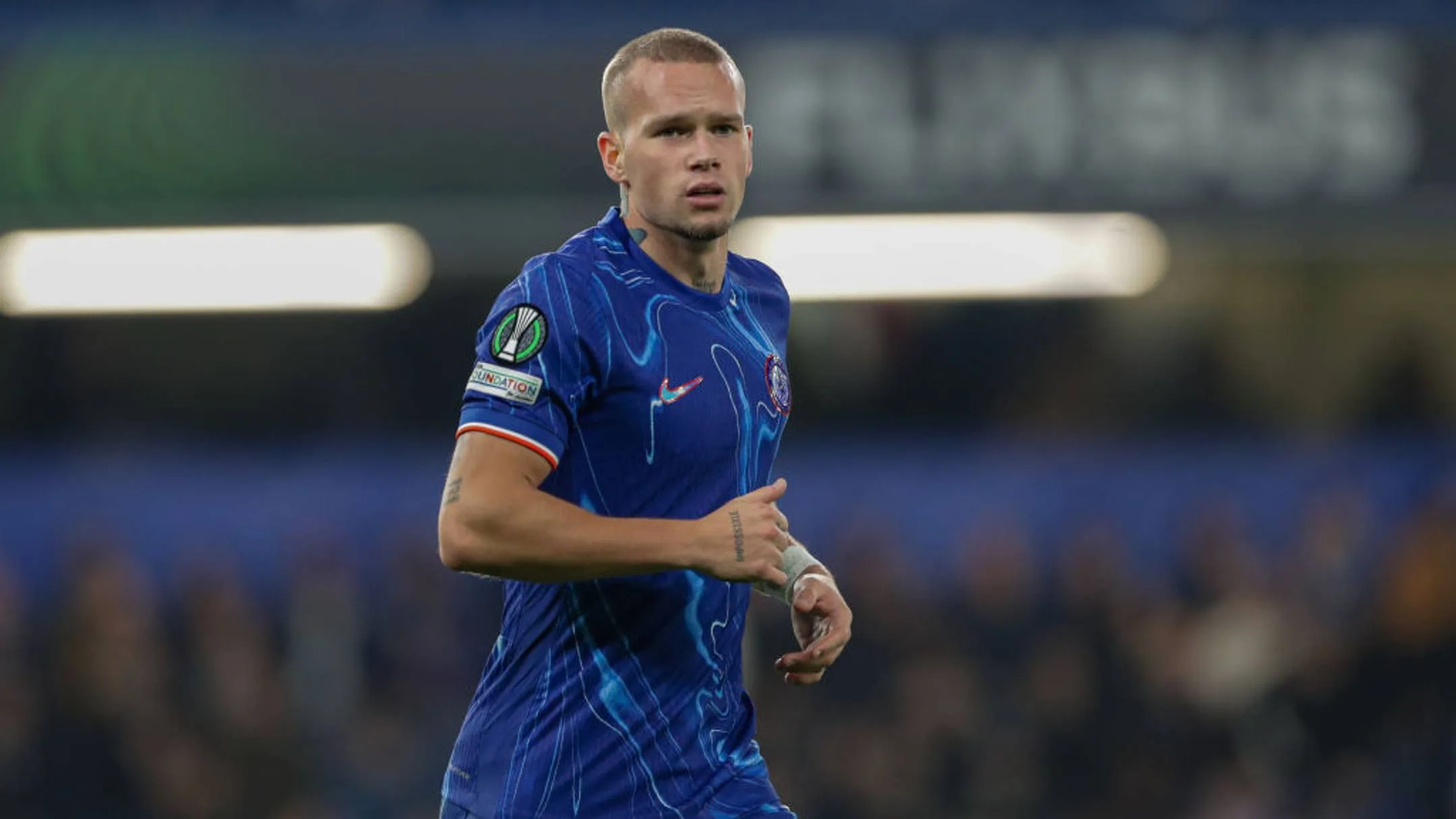
Chelsea winger Mykhailo Mudryk is now eligible to return to football immediately, bringing an end to a long absence that followed a positive doping test nearly two years ago.
The Ukraine international had been provisionally suspended by the FA and was facing a possible ban of up to four years. He consistently denied any wrongdoing, saying he “never knowingly used any banned substances or broken any rules.”
In January 2026, an independent regulatory commission found him guilty of anti-doping rule violations and imposed a four-year suspension. Mudryk appealed to the Court of Arbitration for Sport, but the matter has since been settled through an agreement involving Mudryk, the FA and WADA, leaving him free to play again.
A key element in the case was a revision to the WADA technical document covering meldonium concentration. The updated threshold is not retroactive, so previous cases are not reopened automatically, but the “low concentration” in this instance meant the same sample taken today would not have registered as a positive test.
That development was considered during the appeal review, though Mudryk has not been cleared of all wrongdoing. He accepted the anti-doping rule violations originally charged and agreed to a suspension equal to time already served.
“This has been the most difficult period of my career,” Mudryk himself said in a statement posted on Instagram. “As I have always maintained from the outset of this case, I have never knowingly or intentionally taken any banned substance. My commitment to competing fairly and representing my club and country with professionalism and integrity has always been important to me.”
He also thanked family, friends and his legal team, and expressed “deep gratitude” to Chelsea for their support. He is “focused on returning to football.”
There is still a practical hurdle. While the ban was in place, he could not train with Chelsea or use the facilities at Cobham. The club provided a programme for him and allowed access to Uxbridge FC, a seventh-tier side based in outer west London.
Whether he has a future at Chelsea remains unclear. His No. 10 shirt went to Cole Palmer in 2025, but the left wing has not been firmly settled during his absence.