Analytics & Stats
Matchday One Delivers Goals, Stumbles and Early Questions Across the Premier League
A lively opening round brought shocks, strong debuts and early pressure across the Premier League.

The Premier League opened its 2026/27 season with a first weekend that answered Richard Masters’ pre-season confidence with substance. The chief executive had promised supporters a strong competition, and the initial 10 fixtures supplied plenty of evidence for that claim, from sharp attacking spells to a series of results that unsettled several established sides.
Unai Emery was left to reflect on a damaging defeat to Brighton & Hove Albion, saying Aston Villa “lost our balance emotionally” after falling behind. His own pre-match handling of Ollie Watkins’ absence drew attention too, when he declined to elaborate beyond a single word: “Silence.”
At Tottenham Hotspur, the performance at the Gtech Community Stadium was so flat that it looked more like a short-lived interim spell than the work of Roberto De Zerbi. The scale of the disappointment was heightened by the $300 million transfer spend that had preceded it.
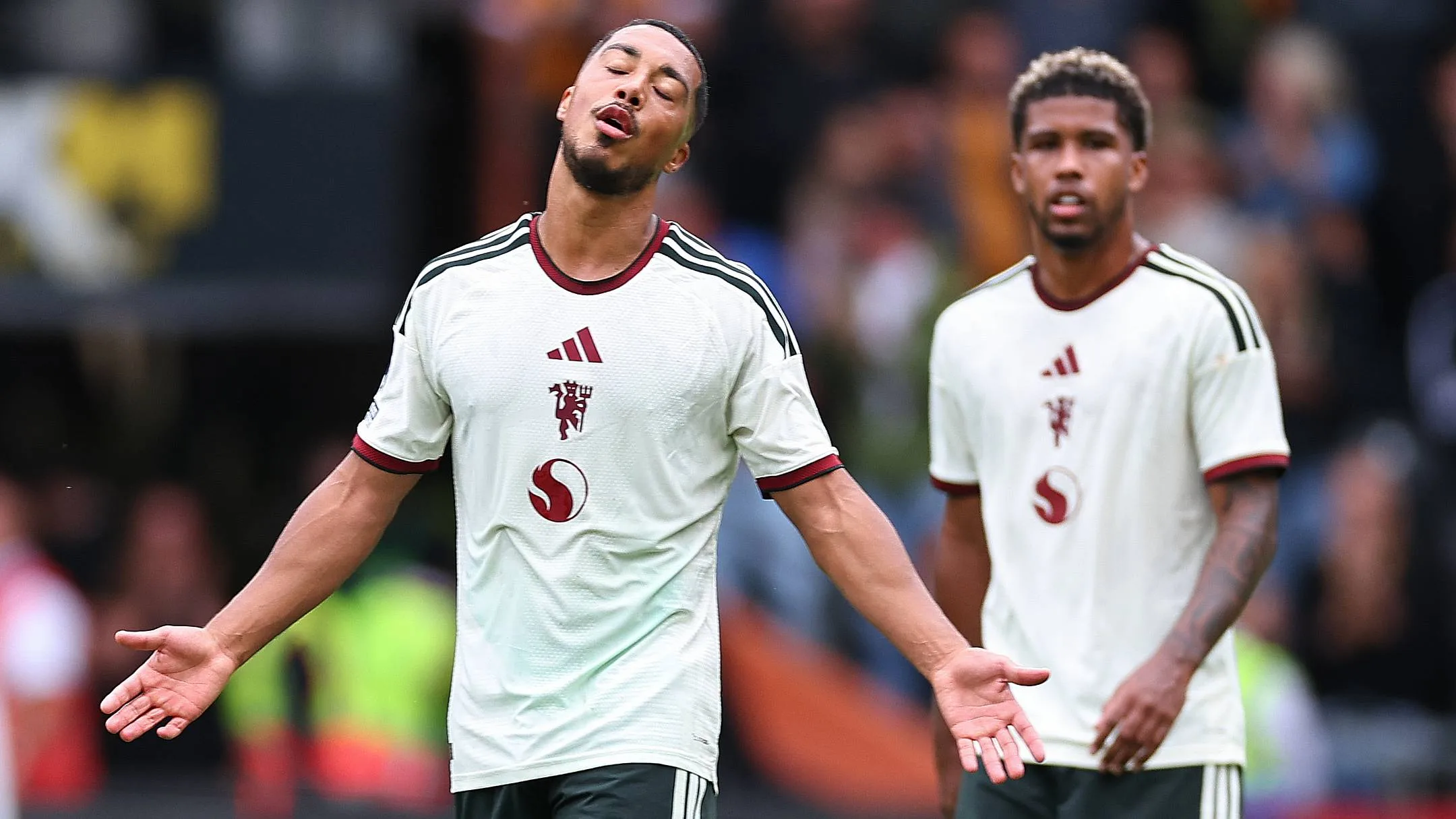
Michael Carrick’s team were also left exposed in a loss to newly promoted opposition, with transition problems, attacking bluntness and peculiar set-piece incidents all undermining the display. Coventry City, meanwhile, found themselves outclassed in a clash of league champions and struggled to trouble Arsenal in any meaningful way.
Elsewhere, Sunderland stayed level with Ipswich for much of the contest at Portman Road, but the hosts carried the greater threat for long periods. One exceptional free kick from Nilson Angulo was not enough to disguise a performance that lacked much else.
Oliver Glasner’s Nottingham Forest debut ended in a late defeat, prompting him to stress: “It is a process,” and “It’s pretty clear that my staff and I can’t put our hands on the players’ shoulders and all of a sudden we play like Real Madrid in the 1970s.” Crystal Palace were left frustrated as chances went begging and off-field uncertainty lingered.
There were more positive debuts at Craven Cottage and the City Ground, while Bournemouth’s performance at the Etihad showed organisation even in a late collapse. Chelsea’s first outing under Xabi Alonso offered attacking fluency and defensive unease in equal measure. Liverpool were pushed hard by Newcastle United, and a stoppage-time penalty denied them victory after Lewis Hall’s late lapse.
Arsenal began their title defence with calm control, Everton edged a useful result over Crystal Palace, and Brighton produced the weekend’s most ruthless spell by overwhelming Aston Villa after taking the lead early.

Analytics & Stats
Ranking the 20 Biggest Men’s Soccer Competitions in the World
A straight ranking of soccer’s biggest men’s competitions, from domestic giants to global tournaments.
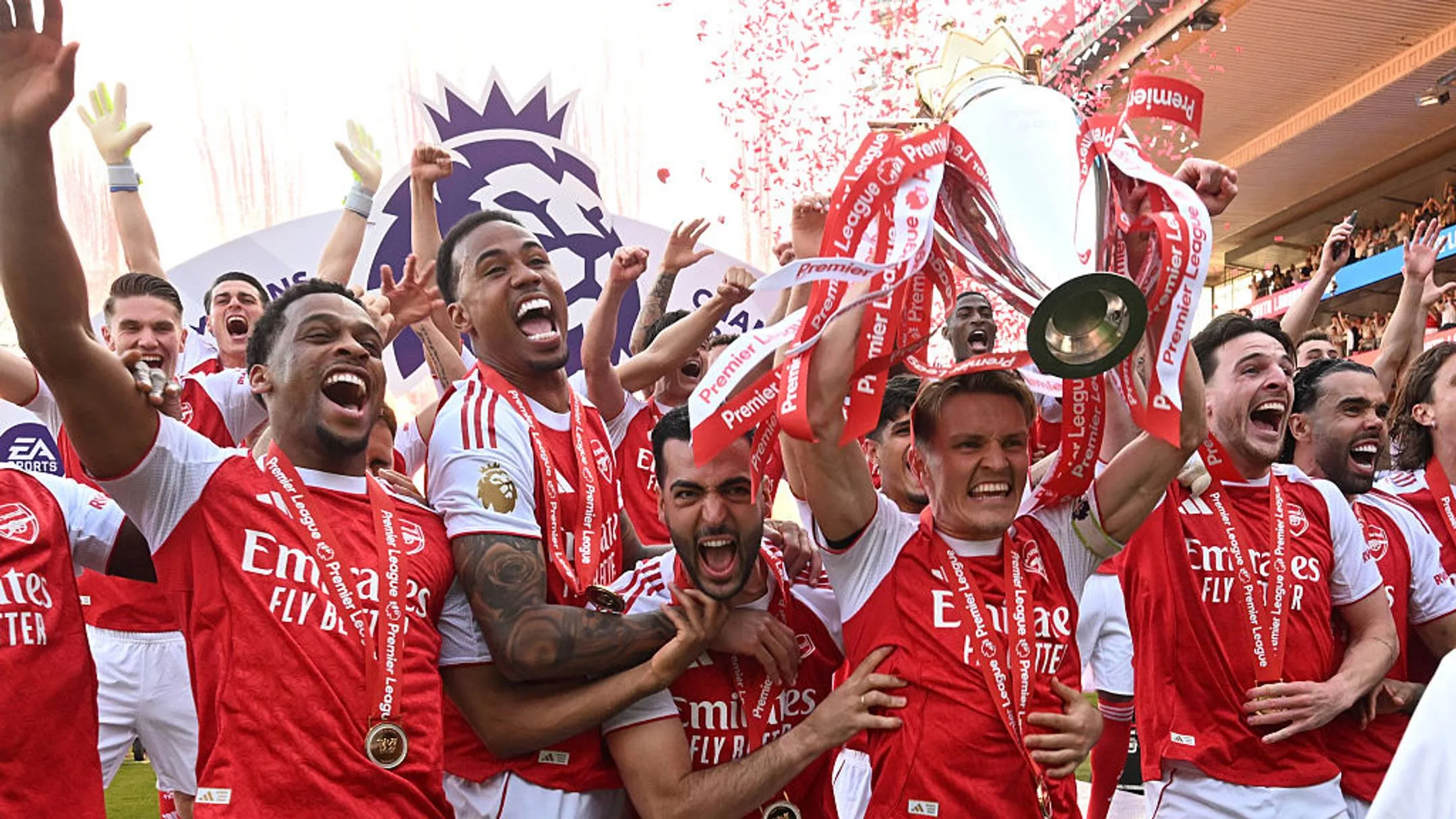
Soccer contains an endless web of competitions, and that can make the hierarchy hard to read for newcomers and long-time supporters alike. Club football, international football, money, prestige and passion all pull in different directions, which is why arguments over what matters most never really end.
So here is a very unofficial ranking of the 20 biggest men’s soccer competitions in the world, with no claim that it will settle the debate for good. It is simply a guide to the tournaments and leagues that carry the most weight, shape the biggest conversations and, in many cases, draw the largest audiences.
At one end of the scale sits newer property such as the expanded Club World Cup, still trying to prove that it can become something more than a created spectacle. At the other, there are competitions with generations of history, from the FA Cup and Copa América to the oldest continental and domestic leagues.
Some of the strongest entries are built on tradition and identity. The Premier League stands as the sport’s most popular domestic competition, backed by unmatched wealth and a global marketing machine. La Liga retains enormous standing through the Clásico and a long history of elite talent. Serie A, despite its decline from the heights of the 1990s, still offers tradition and fierce competition.
Elsewhere, the picture changes sharply by region. AFCON remains one of the most emotionally charged tournaments anywhere, while the Euros set the benchmark for standard and reach among regional international competitions. In South America, the Copa América and the Copa Libertadores continue to carry huge emotional and competitive value, even if their global audience does not match Europe’s biggest club events.
Across Africa, Asia and the Americas, the scale, atmosphere and cultural pull of competitions such as the CAF Champions League, the Asian Cup, Liga MX, the Argentine Primera División and Brazil’s top flight show how broad soccer’s top tier really is. Each holds a different kind of authority, but all belong in the conversation.
There is room for disagreement, of course. That is part of the point. The sport keeps going, and the arguments keep going with it.
Analytics & Stats
Six Premier League Underperformers in the Opening Weeks of 2026/27
A look at six Premier League names who have fallen short in the opening weeks of 2026/27.
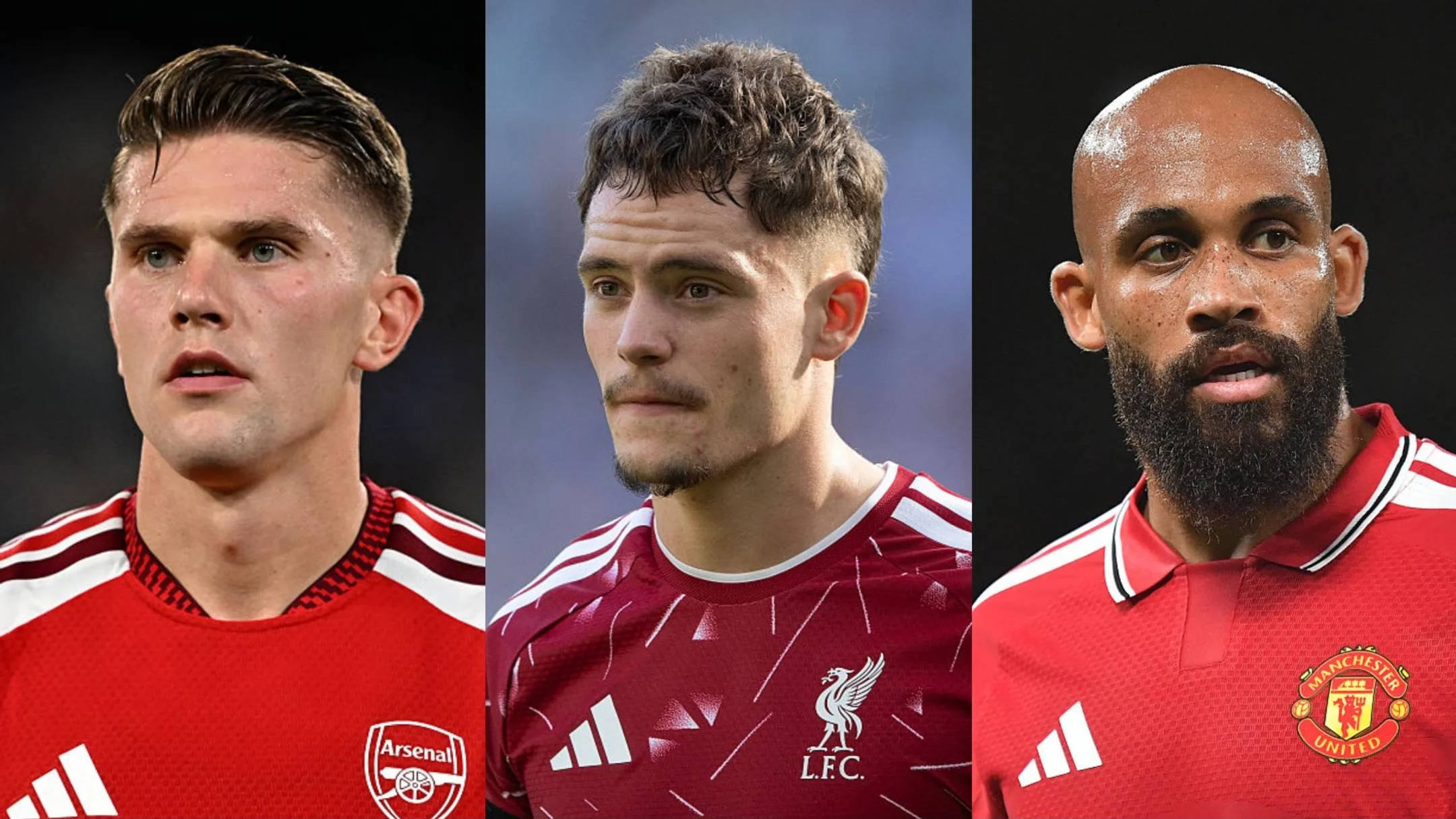
A new Premier League campaign is usually a time for resets, and this season has offered a longer runway than most for players to settle in. Some have taken advantage. Others, including several high-profile names, have yet to find any rhythm at all.
That contrast has made the early weeks of 2026/27 a useful moment to separate the encouraging from the disappointing. Here, then, are six of the season’s most underwhelming performers so far.
Florian Wirtz has already drawn heavy criticism after another subdued display at Bournemouth. Jamie Carragher was particularly blunt, saying that he doesn’t believe Wirtz “is in poor form; what we’re seeing is what he is.” Liverpool had hoped the €117.5 million arrival would kick on in his second season, but he has started this campaign with only one assist and too often looks peripheral rather than decisive.
Manchester United’s struggles are collective, but several individuals have also fallen short. The side sit 12th with five points and one league win, while Bruno Fernandes, Matheus Cunha and the new midfield additions have yet to impose themselves. Bryan Mbeumo has been pushed wide and has found one-on-one situations difficult, even if he has scored twice.
At Arsenal, Viktor Gyökeres has not convinced. He scored 14 league goals and five more in Europe last season, but this time he has been limited to just 29 Premier League minutes and enters October without a goal.
Sandro Tonali’s move to Tottenham Hotspur carried a huge price tag, yet the early return has been modest. He can carry the ball and protect transitions, but he still looks better suited to a more balanced midfield around him.
Chelsea’s switch from Robert Sánchez to Emiliano Martínez was framed as a statement of intent, but Martínez has conceded 10 goals in four league appearances and remains exposed by the team’s defensive structure.
Dominic Solanke completes the list. Tottenham’s attack has lacked control and reliability, and the striker looks well below the standard needed right now.
Analytics & Stats
Man Utd’s five-point start: what the previous precedent says
United’s five-point start mirrors a past low, but history suggests the campaign is far from defined yet.
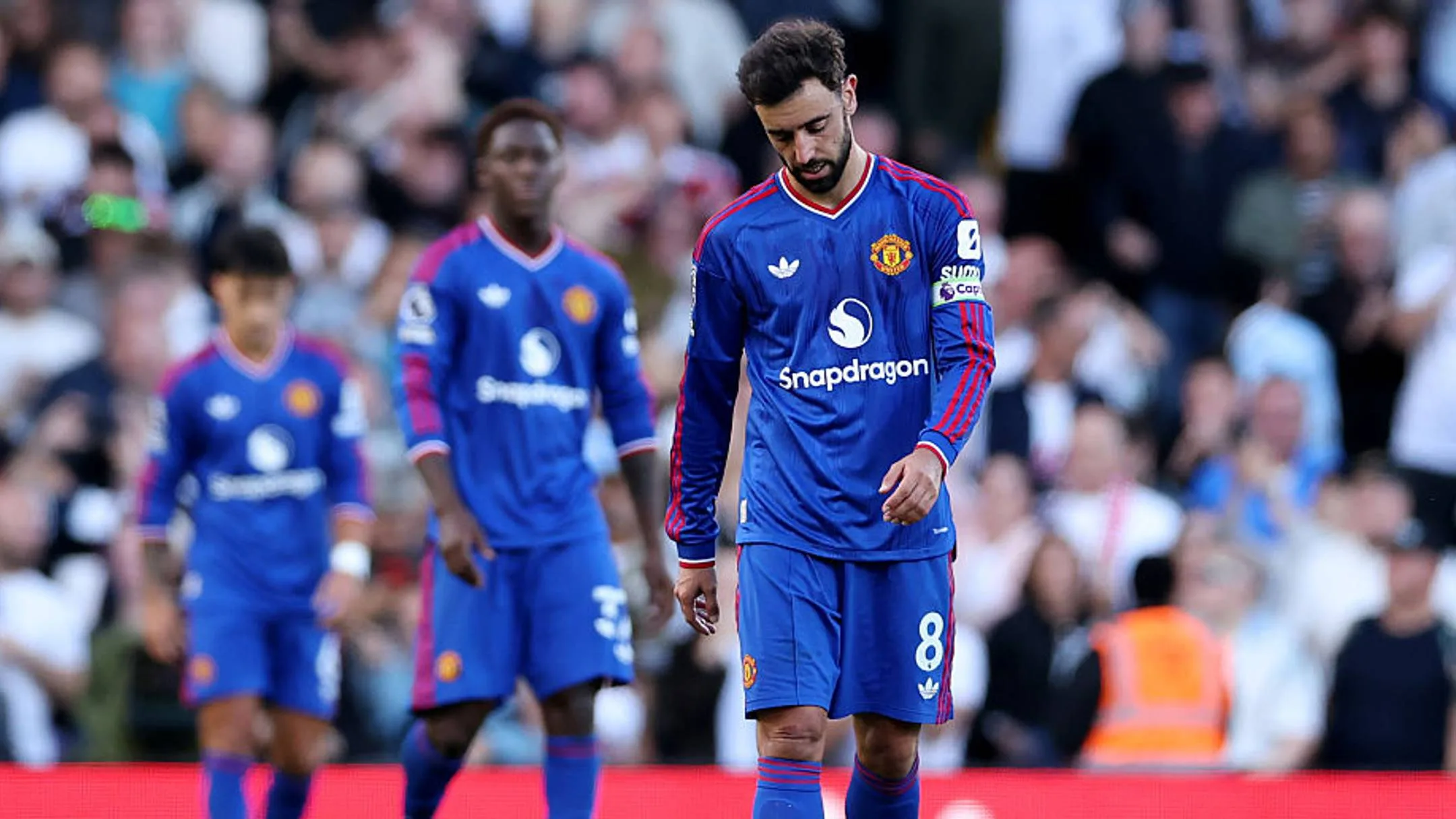
Manchester United have not got the opening to 2026-27 they would have wanted after last season’s strong finish, when Michael Carrick’s side collected 39 points from a possible 51 across their final 17 league matches. Instead, five points from five games have left them matching their lowest Premier League-era return at this stage of a campaign.
The early results have been uneven. Hull City struck twice from set pieces on opening day, Ipswich Town were beaten in a high-scoring game, Everton later rescued a point late on, Manchester City won through a refereeing and VAR error that has since been acknowledged, and Fulham exposed United during a slow opening 70 minutes. Even so, the underlying figures suggest the team are still reaching useful areas: no side has more touches in the opposition box than United’s 182, while they have allowed the fewest touches in their own box at 92.
That is why Carrick does not appear alarmed. The numbers point to adjustment rather than upheaval, although the results have yet to settle into consistency.
This is not the first time United have been here. Their previous five-point start came in 2014-15, when Louis van Gaal arrived after David Moyes’ brief spell ended and expectations rose around a new era. The club had reinforced heavily with Ander Herrera, Luke Shaw, Ángel Di María, Marcos Rojo, Daley Blind and Radamel Falcao, but the early weeks were slow. A home loss to Swansea City, away draws with Sunderland and Burnley, and a shock Carabao Cup exit to MK Dons set the tone.
United did recover. Di María inspired a first league win against Queens Park Rangers, before an extraordinary collapse against Leicester City ended in a 5-3 defeat after the team had led 3-1. Van Gaal’s side later pieced together two separate runs of six straight league wins and finished fourth, though they never properly threatened the title.
The broader record shows that a low total after five games is not always decisive. United have often recovered, even from modest starts, and only one perfect five-from-five return has been achieved across 35 Premier League seasons. The opening month matters, but it rarely tells the full story.