Barcelona
Rodri’s Barcelona move and the transfer ripple effect
Rodri’s Barcelona move could force exits, new targets and further transfer movement at City and Chelsea.

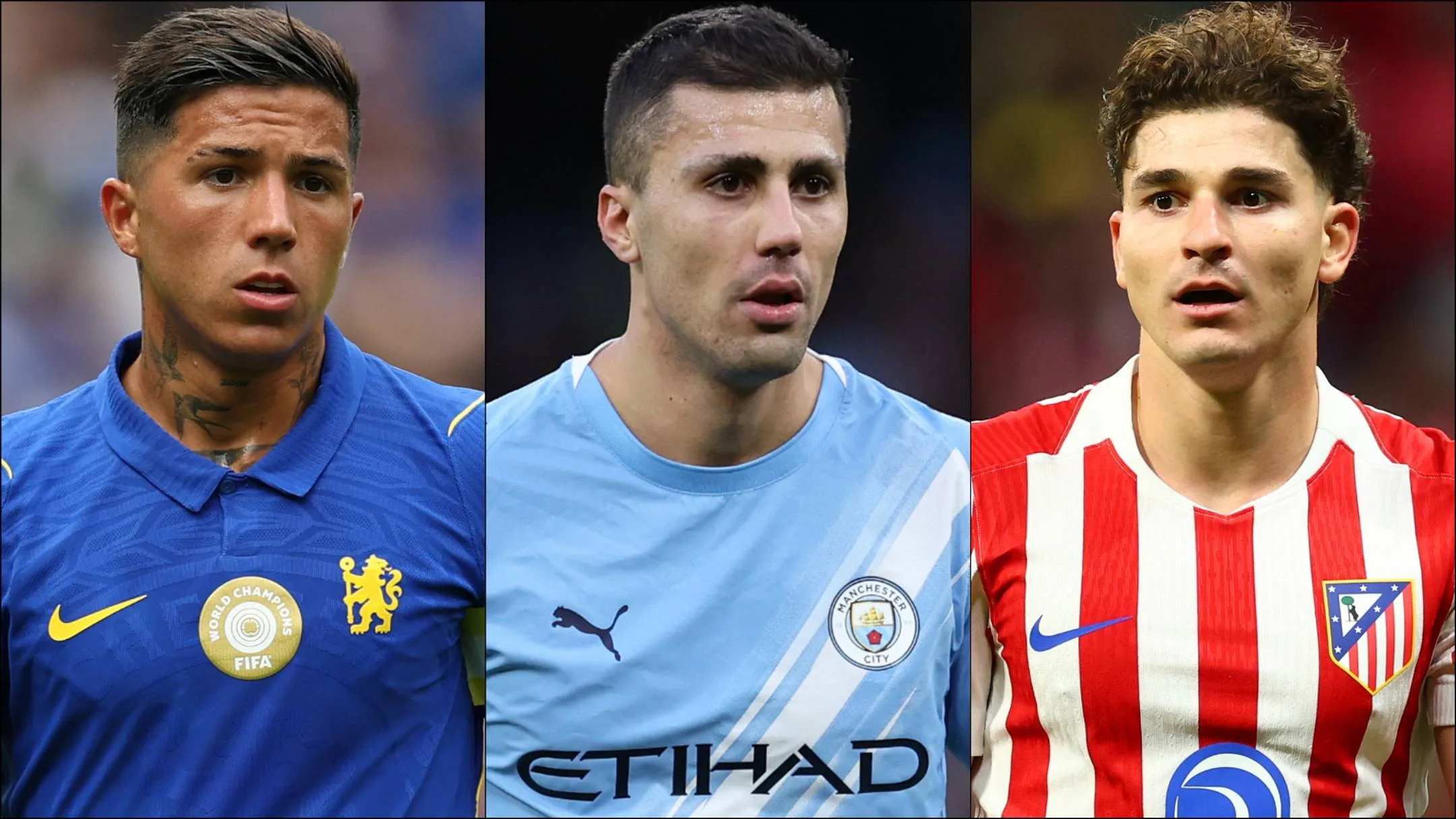
Barcelona’s pursuit of Rodri looks set to do more than strengthen Hansi Flick’s midfield. It may also trigger a chain reaction across the market, with several squad players now facing uncertain futures.
The club already has six midfielders on its books, and the expectation is that the unit will remain largely fixed for years to come. That makes movement elsewhere almost unavoidable. One immediate consequence appears to be the exit of 19-year-old Tommy Marqués, who, according to The Athletic, is set to join Braga in a deal worth $14 million (€12 million). His wish to leave is being driven largely by the lack of minutes that would come with Rodri in the squad.
Marc Casadó is another player expected to move on. The 22-year-old’s future has been under discussion for some time, and Fabrizio Romano states that matters will now accelerate after Barcelona agreed to sign Rodri. Right back Héctor Fort is also expected to depart, although there is still a feeling that one bigger name could be moved out too.
The reason is straightforward: Barcelona do not have the financial room to simply keep adding players. The issue is not the transfer fee itself but La Liga’s wage cap. Rodri’s salary will make registration of other signings difficult, so departures are required to create space.
That space is being sought with a larger target in mind. Barcelona want to move on salaries in order to complete a deal for Atlético Madrid striker Julián Alvarez. The fee and wages would be significant, and with only two weeks left in the window, the club may have to impose a deadline before turning to an alternative striker. Sporting CP’s Luis Suárez and Hoffenheim’s Fisnik Asllani are among the names mentioned.
Rodri’s exit also leaves Man City with a major gap in midfield, something that was already evident before their Community Shield defeat to Arsenal. With Tijjani Reijnders also set to leave for Al Qadsiah, City could return to the market, with Lille’s Ayyoub Bouaddi emerging as a leading candidate. Interest in Chelsea’s Enzo Fernández is also active, and if City go that route, Chelsea may then be pushed into the market themselves.
As Enzo Maresca put it: “We knew already before the game the things we needed to do,” and “For sure, we are going to do something before the transfer [window] closes.”

Arsenal
International break leaves major clubs counting the cost of fresh injuries
A crowded international break brought fresh injuries for leading Premier League and European stars across several clubs.
The September and October international windows were meant to ease the strain of the autumn schedule, but they have instead added to it. Across a long list of top-level names, the break delivered fresh fitness concerns for clubs already bracing for a demanding 2026/27 campaign.
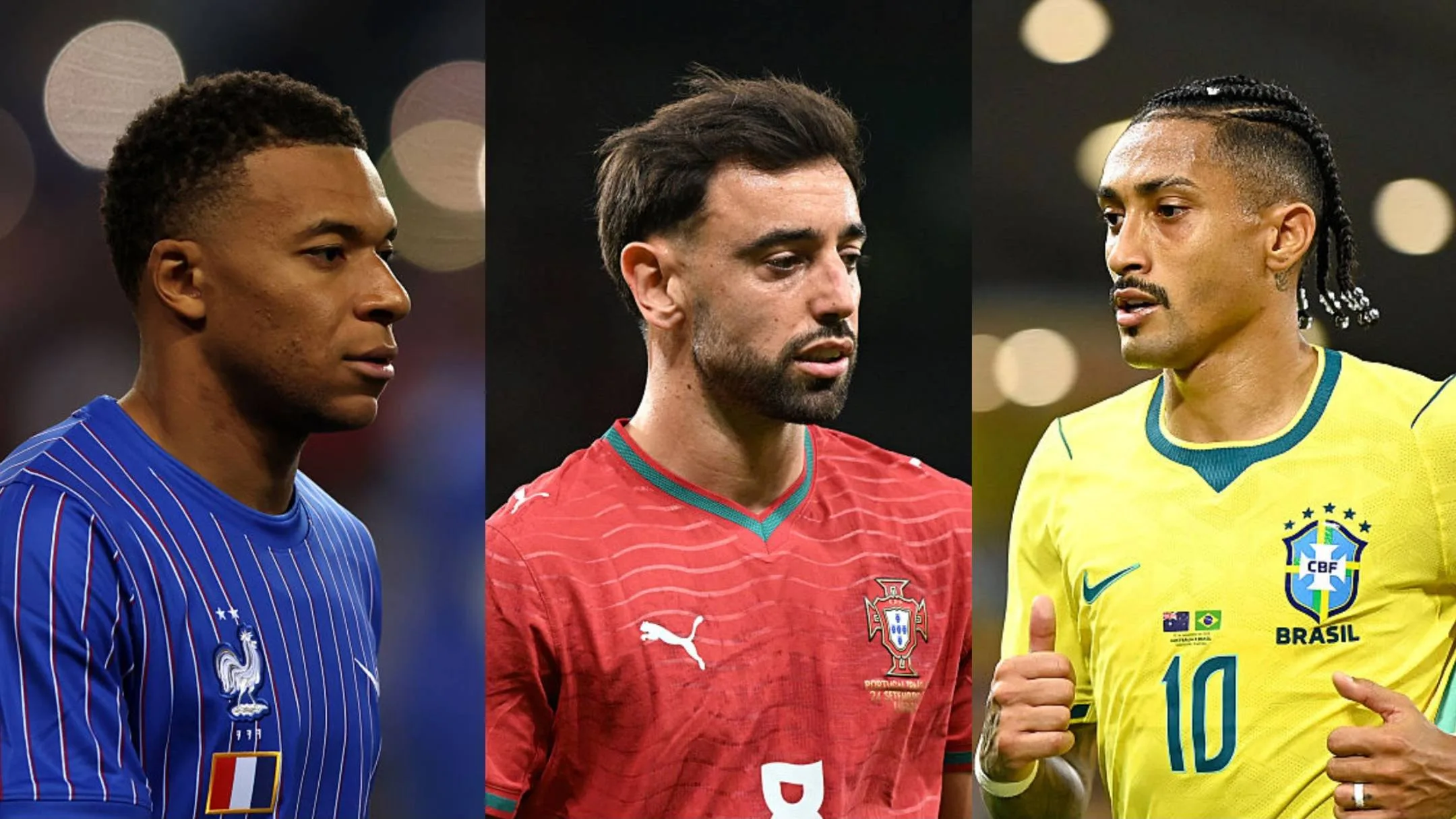
Manchester United were among the hardest hit. Before the break even began, Marcus Rashford and Kobbie Mainoo withdrew from England duty, while Benjamin Šeško also pulled out with Slovenia. Matters deepened as the window went on, with Portugal coach Jorge Jesus saying Bruno Fernandes was “playing through pain” with a “complicated” injury that ruled him out against Norway. Fernandes remained with the national side and has since recovered. Patrick Dorgu was not as fortunate, returning to Manchester after a hamstring injury with Denmark, while Noussair Mazraoui also picked up a problem in Morocco’s win over Lesotho.
Arsenal had their own worries. Declan Rice withdrew from England’s squad before matches against Spain, Croatia and Czechia, and Kai Havertz later suffered a hamstring issue while with Germany. Martin Ødegaard was also unsettled after a challenge from Portugal’s Bernardo Silva, then missed training before Norway faced Wales, although he stayed with the squad. Ezri Konsa was not training ahead of England’s meeting with Czechia and was an unused substitute in the 2–0 win, though he remained with the team.
Kylian Mbappé provided the biggest scare of the break when he appeared to suffer a knee injury for France and played only 59 minutes before leaving the squad. The positive for Real Madrid is that he appears to have avoided a major setback and is expected back for domestic action. Ibrahima Konaté also sustained a knee injury with France, described by the French Football Federation as “mild.”
Barcelona were again affected when Raphinha suffered a thigh injury in Brazil’s 4–2 win over Australia and returned to Catalonia. Eric García also withdrew after a knee issue with Spain.
Liverpool, too, had reason for concern when Alexander Isak lasted only one game for Sweden before coming back to Merseyside with a thigh issue.
Barcelona
Gabriel’s United exit stance points toward Europe’s elite
Gabriel’s wish to leave United is tied to the club’s decline, with Madrid and Barcelona possible moves.
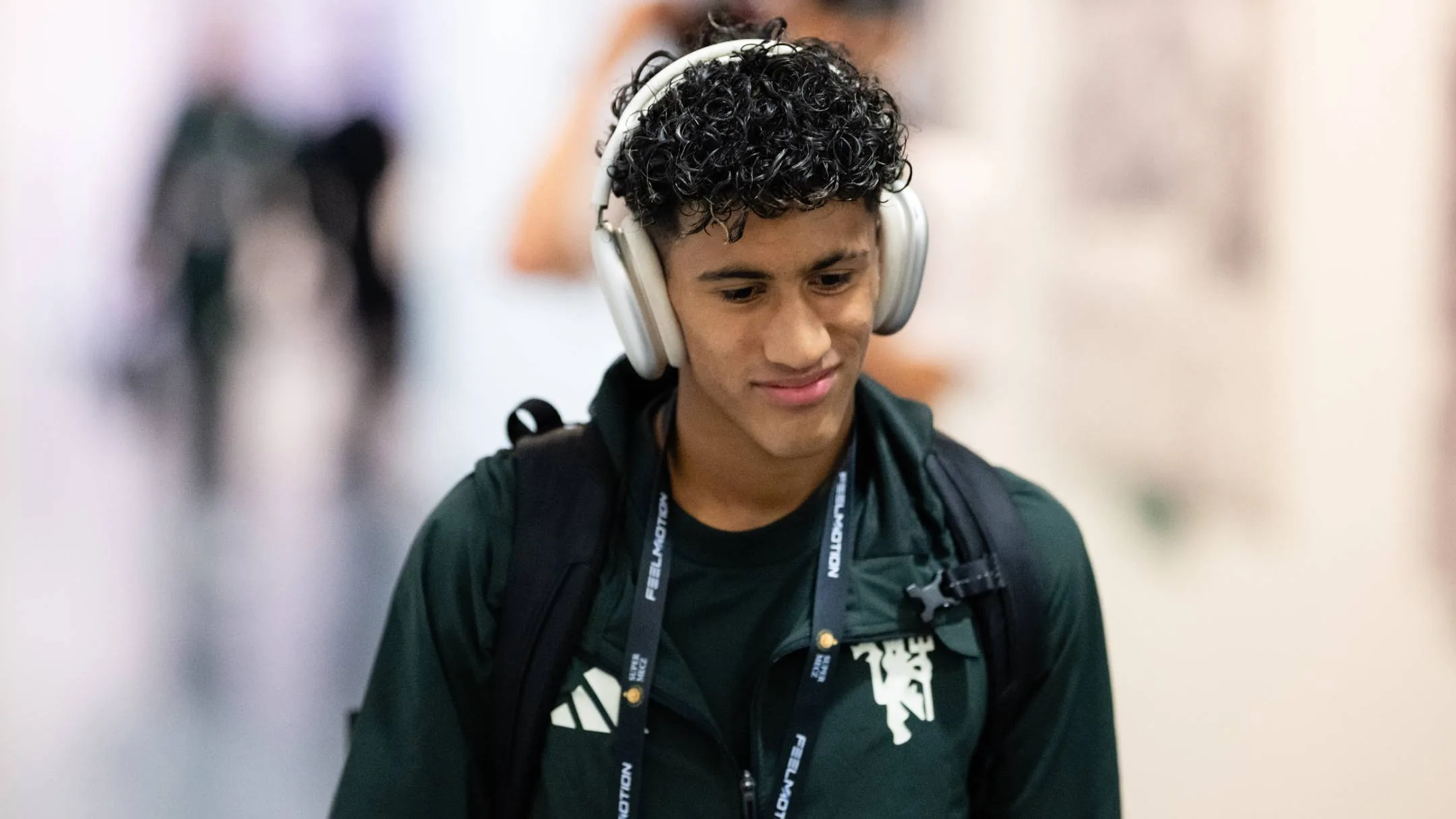
JJ Gabriel’s desire to leave Manchester United is being framed as more than a simple contract dispute. According to the report, the teenager and those around him believe the club is too far removed from the standard he wants to chase, with their view shaped by United’s long decline in stature over the past 13 years.
The Daily Mail says that drop-off is the “driving force” behind Gabriel’s stance. The player is understood to want to “learn from the best,” and that assessment appears central to why an immediate exit has become the direction of travel. Earlier reports had linked his frustration to limited first-team opportunities, but this latest version of events places United’s wider decline at the heart of the issue.
Gabriel has already built a reputation for dominating at every age level, including the U-21s, where he scored twice in two appearances against players five years older. That background has made his case even more notable, especially as recent examples elsewhere show that teenagers can be trusted early. Lamine Yamal made his breakthrough at Barcelona as a 15-year-old, while Max Dowman had already featured for Arsenal in the Champions League and Premier League before turning 16.
The report says United are seen as “far away” from five of Europe’s elite clubs that Gabriel would consider joining. Barcelona and Real Madrid are both said to have been strongly linked with the player, who turns 16 in October and can move across Europe through an Irish passport. Gabriel’s father, Joe O’Cearuill, is believed to have already met with both Spanish clubs, with the preference thought to be Madrid.
That said, the report also notes a potential complication. Real Madrid are currently led by José Mourinho, a coach known for valuing experienced professionals over unproven youngsters. Barcelona, meanwhile, are under Hansi Flick, who has two teenagers in his starting XI and regularly places trust in La Masia. Whether Gabriel would break through there remains an open question.
Barcelona
Barcelona explain why Gordon was preferred over Rashford
Barcelona preferred Anthony Gordon to Marcus Rashford, with Deco citing fit, intensity and Flick’s plan.

Barcelona sporting director Deco has given a clear explanation for why the club moved for Anthony Gordon rather than making Marcus Rashford’s loan permanent.
Barcelona had the chance to sign Rashford for €35 million ($40 million) at the end of a season-long loan, but decided against it and instead pursued Gordon, who cost around €80 million ($93 million) including add-ons. The choice has already looked justified on the pitch, with Gordon producing four assists in four games as Barcelona have opened the 2026/27 season unbeaten.
Deco said the club believed Gordon was a better match for Hansi Flick’s style and specifically wanted more intensity in the attacking line. He was frank about the difference between the two wide players and insisted the decision followed a clear internal plan.
“We are extremely grateful to Rashford,” Deco told Catalan radio station RAC1 , discussing the differences between the two wide forwards.
“He contributed a lot last season, but our idea of play is much more linked to Anthony’s. His style fits with what the coach is looking for.
“In the case of Gordon, we saw that he was one of the figures we needed.
“When Raphinha wasn’t on the pitch, the team lost energy and with him we could solve it. The big advantage we had is that the player wanted to come and he was able to put on pressure [at Newcastle to be allowed to leave].”
He added: “We had a clear idea what we’re looking for. We needed more intensity. We analyzed a lot of wingers. Signing someone from the Premier League is almost impossible, but [Flick] was clear with what he wanted and we worked on a deal from there.”
The comments could be seen as a setback for Rashford, who has previously been criticised for his work rate in attack. After Barcelona chose not to keep him, his options narrowed, despite reported interest during the window, including approaches to United and from Turkish Süper Lig side Fenerbahçe.
Rashford has since returned to the United first team this season and has made two starts under Michael Carrick. Carrick praised him in August after the 5-2 win over Ipswich, saying: “He’s adding to the group for us; it’s pretty obvious,” United manager Carrick said of Rashford in August, following the 5–2 victory over Ipswich .
“I’ve known him for a while. He wasn’t here when I came back, and now he is. I think he’s making the most of that for us and for him as well, to have the opportunity to be here. He’s one of our own. He’s living his dream, playing here and trying to be successful and win.