Analytics & Stats
The 2025 Global League Scoring Table: Who Finished on Top
Mbappé led 2025 scoring with 39 league goals for Real Madrid, with Kane and Messi close behind. 2025

The 2025 calendar year produced a clear leading scorer and a deep group of prolific finishers across the world’s major leagues. At the summit was Kylian Mbappé, who scored 39 league goals for Real Madrid and finished the year as the top league goalscorer.
Behind Mbappé came Bayern Munich’s Harry Kane with 31 league strikes. Lionel Messi ended 2025 with 29 league goals for Inter Miami, a total matched by Benfica’s Vangelis Pavlidis, who finished with 29 in the Primeira Liga. Pavlidis continued to underline his reputation as one of the game’s most underrated strikers, “perhaps surprisingly (or not, if you saw him dismantle England while playing for Greece),” by reaching that mark.
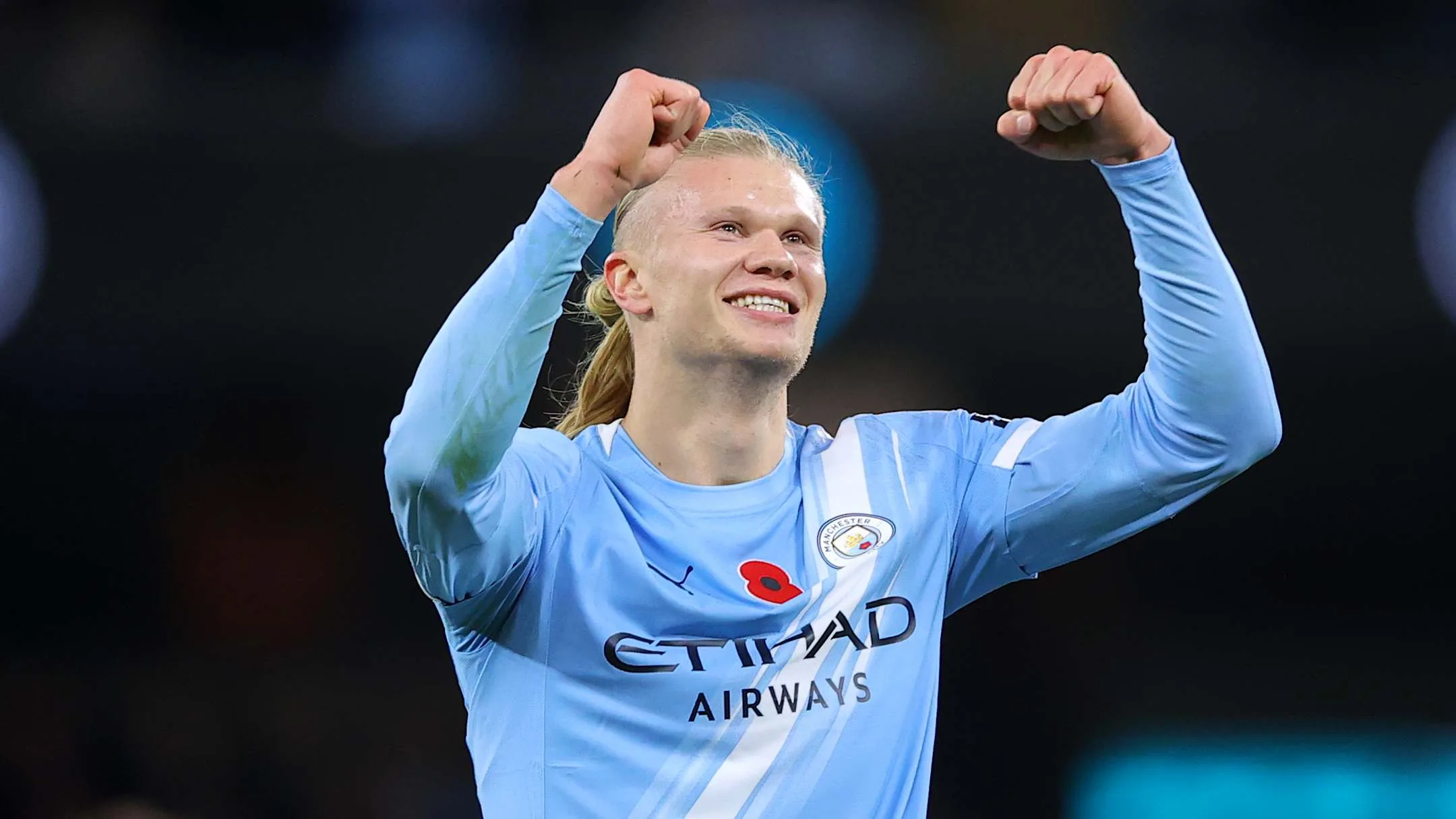
Cristiano Ronaldo closed the year with 28 Saudi Pro League goals for Al Nassr after a return of three goals in his last two calendar outings. Erling Haaland finished 2025 with 27 league goals for Manchester City, 19 of which came in the 2025–26 season alone.
Viktor Gyökeres produced 26 league goals overall, scoring 21 for Sporting CP and five for his current club Arsenal. Ivan Toney also finished on 26, netting his total in the Saudi Pro League for Al Ahli.
Denis Bouanga and Sam Surridge each reached 24 league goals for Los Angeles FC and Nashville SC respectively. Victor Osimhen ended the year with 23 for Galatasaray.
A broader group rounded out the top scorers list: Ayase Ueda and Mason Greenwood each with 22, Youssef En-Nesyri with 21, and Marcos Leonardo and Serhou Guirassy with 20. Robert Lewandowski, Julián Quiñones, Mateo Retegui, Julián Alvarez and Anders Dreyer were among those on 19. Several other players, including Ferran Torres, Talisca, Patrik Schick, Petar Musa, Sem Steijn, Evander, Eric Maxim Choupo-Moting and Dejan Joveljić, finished with 18 or more league goals during the year.
The list underlines how scoring responsibility is spread across competitions and continents, with elite output coming from a mix of established superstars and less-heralded forwards.




Analytics & Stats
Foden identifies the small shifts under Maresca at Manchester City
Foden says Maresca’s City is similar to Guardiola’s, but with key changes in defence and buildup.

Phil Foden has described the early changes brought in under Enzo Maresca, stressing that the new set-up remains close to what Manchester City knew before, even if there are clear adjustments in place.
Speaking before City’s second preseason friendly, Foden said: “It’s very similar to how we played under Pep, but there are still things that are a bit different,” Foden said prior to City’s second preseason friendly. “I don’t want give too much away of how we play. Maybe the defending’s a bit different the way we set up.
“We have different ideas about how to play out from the back. A different variety of things on the ball. Different things, but we are very comfortable because we want to build from the back and try to create, so I think it suits everyone really well.
“I’ve found it good, to be honest. All I have known is Pep Guardiola so to go to a new manager is a fresh start. I am enjoying it. I am enjoying the new coaching staff and I like the ideas and way we are playing. I am excited for the new season and hopefully we can have a really good year.”
City head into 2026-27 with the clear aim of reclaiming the Premier League title in Maresca’s first season in charge. The club have won the league six times in the past seven seasons, but have finished without the trophy in each of the last two.
For Foden, the challenge is twofold. He wants to return to the level that made him the Premier League’s best player when City last won the title in 2023-24, while also becoming a more senior voice in the dressing room.
“I think I have to be really [a leader],” Foden revealed. “Obviously I have been in the club for so long, I am one of the last remaining players to have been here for a long time. So I think have to be this season, one of the leaders, one of the captains or in and around it for sure. I am looking forward to that new responsibility and trying to take leadership [on].
“What [Maresca] wants from me at the moment is to be an example to the young lads on tour,” Foden added. “To try to train well, keep my head down and work hard and set a good example to the young lads. That’s what I have been trying to do, really.”
The squad has already lost some senior figures this summer. Bernardo Silva and John Stones departed, while Rodri could also move on as interest from Barcelona and particularly Real Madrid grows.
Foden, who captained City in their preseason opener against Inter Milan, is now 26 and far beyond the stage of being treated as a young prospect. After the inconsistency of the last two years, he knows 2026-27 must be a productive season rather than another missed opportunity.
His output has dropped from the level he hit during City’s dominant run, including the club’s first Champions League title in 2022-23. More recently, his role has been reduced, and although he made a strong start to 2025-26, he started only three of 14 Premier League matches from February until City were overtaken by Arsenal in the title race.
Across the last two seasons, he has scored 23 goals in all competitions and recorded 14 assists, numbers that underline how far he has to go to match his peak form again.
Analytics & Stats
One priority signing each Premier League club should target before the window closes
A club-by-club look at the main transfer priority every Premier League side still needs to address.
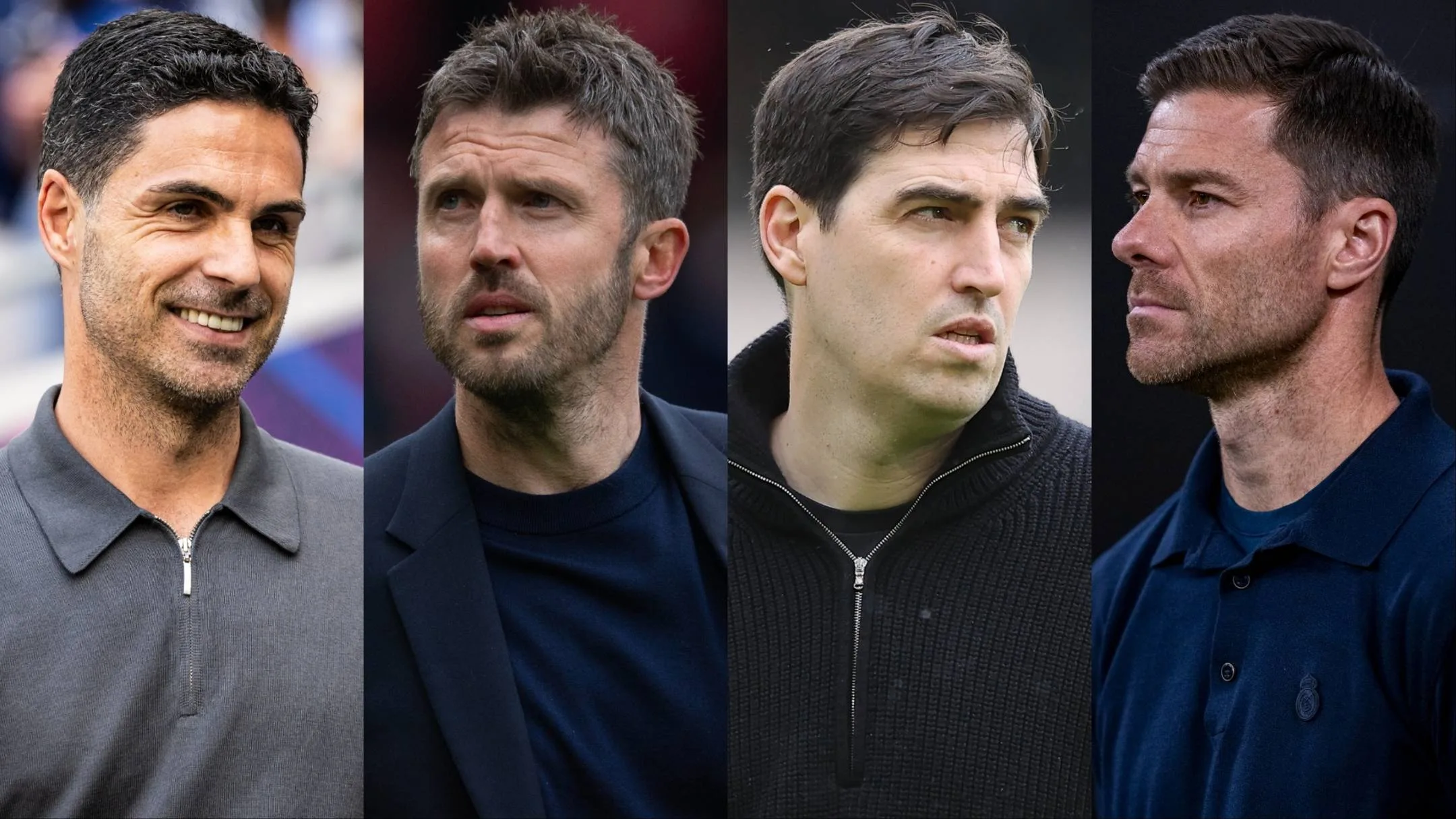
With less than a month left in the transfer window, Premier League clubs are still expected to be busy. Incomings and outgoings remain likely across the division, and every side still appears to have at least one clear gap to fill before the deadline.
Arsenal may be attracting attention with their pursuit of Vinícius Júnior, but their bigger need is in central midfield. Declan Rice carried too much of the load last season, while Martín Zubimendi faded after the break and Myles Lewis-Skelly is not yet fully trusted there. Another box-to-box midfielder would help enormously.
Aston Villa could soon be short at left back if Lucas Digne leaves, which would leave Ian Maatsen as the only senior option. Bournemouth need more depth in wide areas, Brentford still require a more natural left back, and Brighton & Hove Albion must replace the goals lost with Danny Welbeck’s move to Chelsea.
Chelsea, meanwhile, have done plenty of work already but still have not addressed the goalkeeper position. Robert Sánchez improved in 2025-26, yet the club still look in need of a top-class solution.
Elsewhere, Coventry City are close to signing Carl Rushworth permanently and would then turn to left back. Crystal Palace need centre-back reinforcements after losing Marc Guéhi and Maxence Lacroix, while Everton must add a defensive midfielder after Idrissa Gana Gueye’s departure.
Fulham will look for winger depth after strengthening up front, Hull City want more options in attack, and Ipswich Town are still waiting for a central midfielder. Leeds United may also need another striker to cover for Dominic Calvert-Lewin’s injury record.
Liverpool’s most pressing issue is out wide, Manchester City need a right back, Manchester United still want a more destructive midfielder, and Newcastle are alarmingly short at left back. Nottingham Forest must replace Elliot Anderson in midfield, Sunderland need more balance on the left side, and Tottenham Hotspur have already moved aggressively to rebuild after last season’s collapse.
Analytics & Stats
Why Andoni Iraola believes Florian Wirtz can still define Liverpool’s season
Iraola wants Wirtz central, involved and freer after a difficult first Liverpool season.
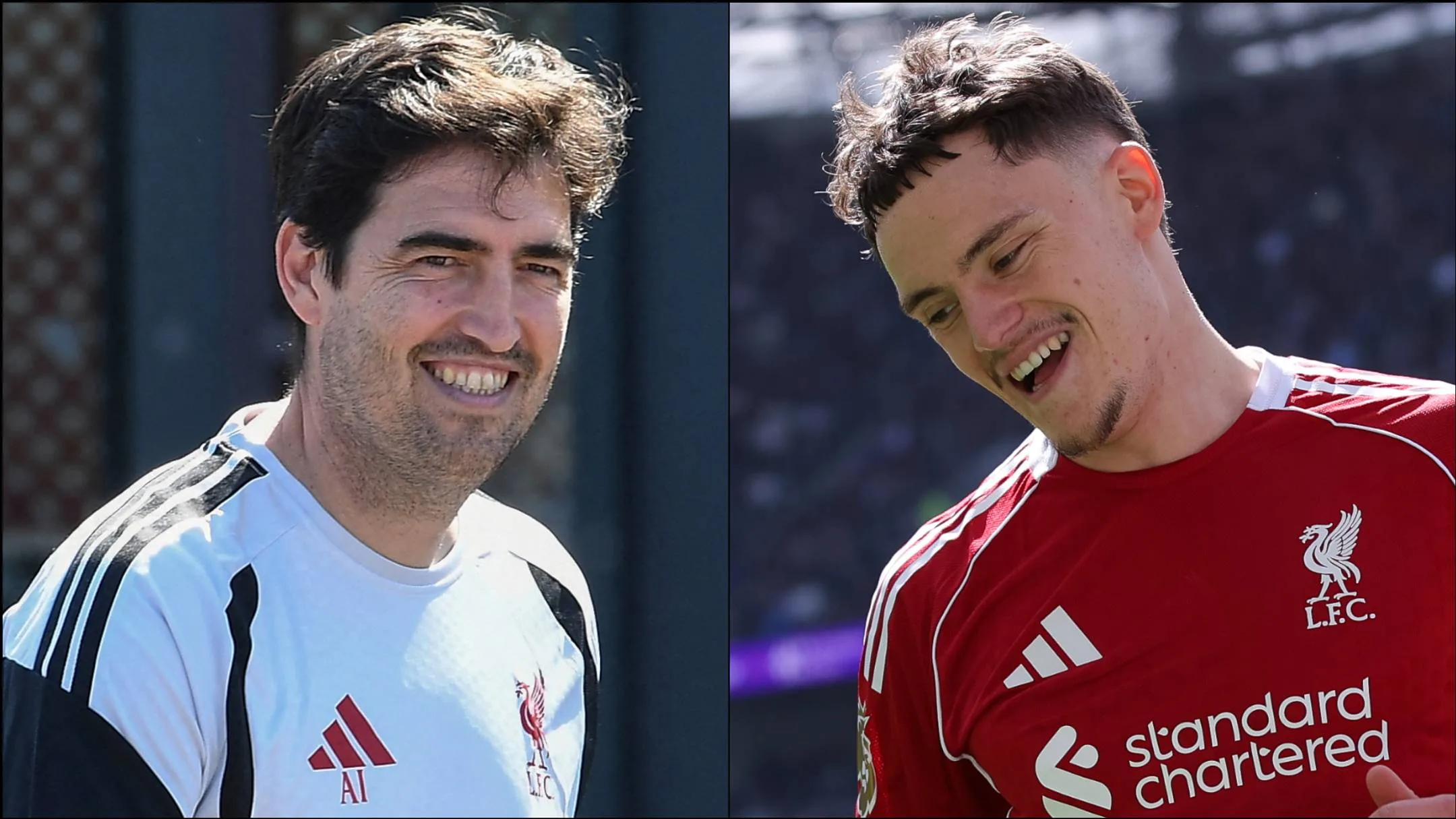
Liverpool’s new manager has made his view on Florian Wirtz plain: if the club are to take a step forward this season, they will need the German to operate at a high level. The challenge now is putting him in the conditions that suit him best.
Wirtz arrived last summer in a move that was a club-record $156 million (£116 million) at the time, but his first year on Merseyside fell well short of expectation. He did not record a Premier League assist before December and had to wait until Christmas for his first goal in any competition. A short spell of improved form followed around the turn of the year, yet the overall campaign remained deeply disappointing.
Liverpool’s wider struggles were part of the same picture. The side failed to build on the title they won in 2024-25, which led to Arne Slot’s departure and the arrival of Iraola this summer. The new coach is already focused on finding a structure that lets Wirtz show the level that once made him the most expensive British transfer of all time.
The most obvious adjustment is positional. Wirtz is naturally a central attacking midfielder and did the vast majority of his best work for Bayer Leverkusen in the No. 10 role. Slot often used him on the wing last season, partly to fit Dominik Szoboszlai into the side and partly to reduce the physical demands of Premier League midfield play. Iraola has indicated he does not intend to follow that route.
“We need a very good version of Florian,” the incoming coach warned ahead of Liverpool’s preseason clash with Leeds United . “We know what he can give us. I think he’s also suited to our game model.
“I see him more probably in that position behind the striker. We know that he has played with Germany more on the left sometimes. But, I think we’re going to start working with him in that position behind the striker.”
That matters because Wirtz needs involvement to influence games. Last season he averaged around 16 fewer touches per 90 minutes than in his final Leverkusen campaign, while his dribbles, shots and expected assists all dropped. He was also no longer the sole attacking reference point, with Mohamed Salah demanding the ball from the other side.
Salah’s exit gives Iraola another reason to believe Wirtz can settle into the role more naturally. For a player who takes risks in the final third, the manager’s style may provide the freedom he lacked last season.