Manchester United
Eighty-Eight Years of Home-Grown Continuity at Manchester United
United have named a home-grown player in every matchday squad since October 30, 1937 – 88 years long

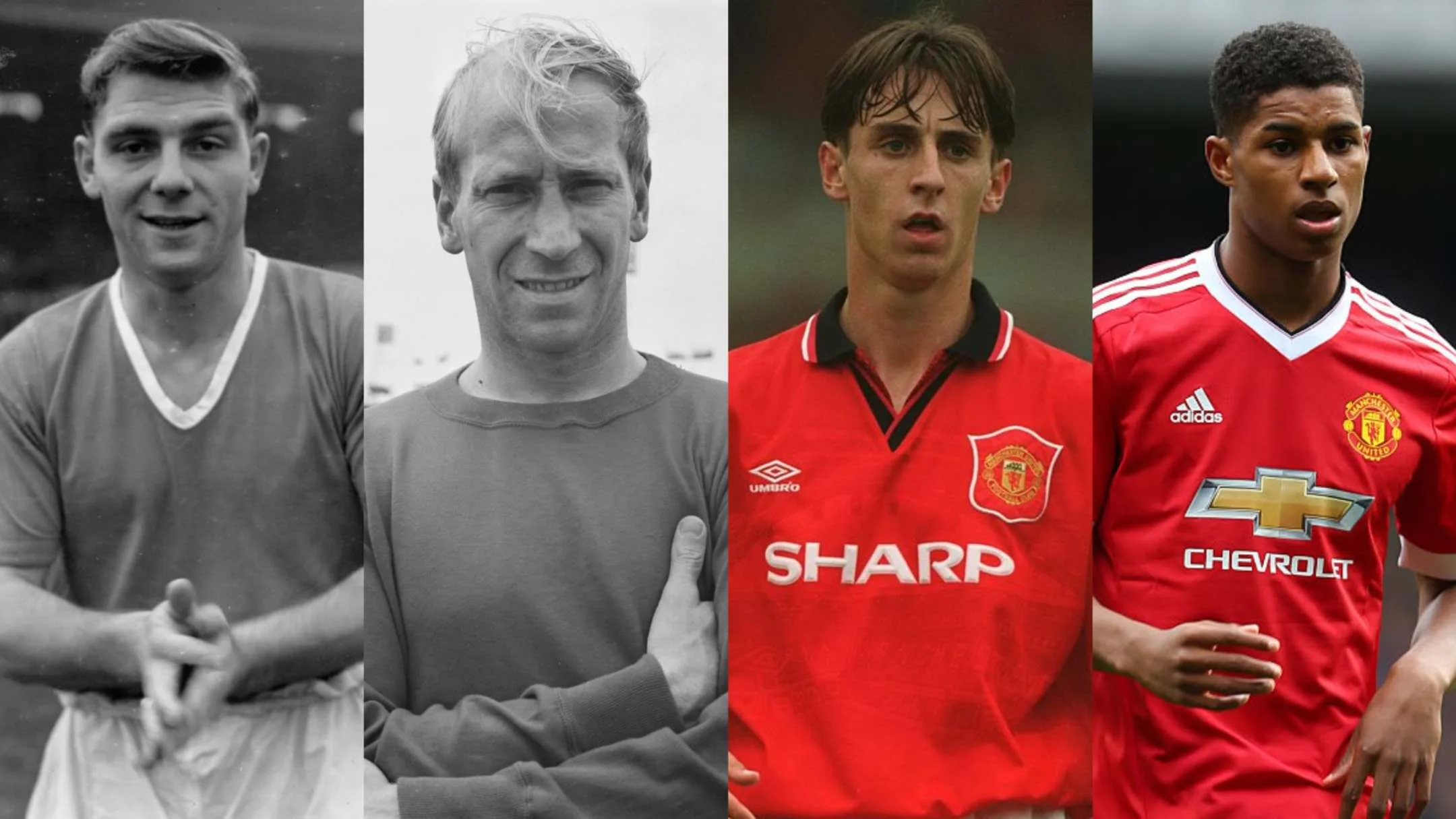
On October 30, 1937, Manchester United named two home-grown players in a 1–0 defeat at Fulham’s Craven Cottage. That selection marked the first match in a run that, as of October 30, 2025, has seen the club include at least one home-grown player in every matchday squad for 88 years and more than 4,000 consecutive matches.
The club’s roots stretch back to 1878 when it was founded as Newton Heath LYR FC for employees of the Carriage and Wagon Department of the Lancashire and Yorkshire Railway depot at Newton Heath in north east Manchester. United first played top-flight football in 1892, changed its name to Manchester United a decade later after financial difficulties and collected two First Division titles and an FA Cup between 1907 and 1911.
Financial collapse loomed again after the loss of benefactor John Henry Davies in 1927. James W. Gibson’s takeover in 1931 proved pivotal. Gibson helped establish an ‘A’ team and, by 1938, the Manchester United Junior Athletic Club, MUJAC, to give local amateur players a pathway into the first team. Tom Manley, who joined in September 1930, and Jack Wassal were the two home-grown players in that October 1937 side.
MUJAC was created and overseen by Gibson and Walter Crickmer. Crickmer had two spells as manager and served 32 years as club secretary before being tragically killed in 1958’s Munich air disaster. The club’s commitment to youth was later amplified by Matt Busby. The term “Busby Babes” became synonymous with United’s values as youth scouting extended across Great Britain and Ireland. Alf Clarke wrote in the Manchester Evening Chronicle: “History was created in Manchester United football circles today. This afternoon, there are no fewer than five United teams on duty. They are the senior side, Central League XI, ‘A’ team, MUJAC first team and MUJAC second XI…no club in the country is better served with junior players than Manchester United.”
Home-grown graduates have powered many of the club’s successes. Ryan Giggs (963 appearances) and Sir Bobby Charlton (758) remain among the most-capped home-grown players, with Paul Scholes (718), Bill Foulkes (688) and Gary Neville (602) also prominent. Changes to matchday squad sizes over decades, now allowing up to 20 players in the Premier League, have helped ensure at least one academy player can be included to protect this uninterrupted record.

Leeds United
Why a Dominic Calvert-Lewin move for Manchester United would turn heads
Manchester United’s Dominic Calvert-Lewin links raise history, need and serious footballing questions.
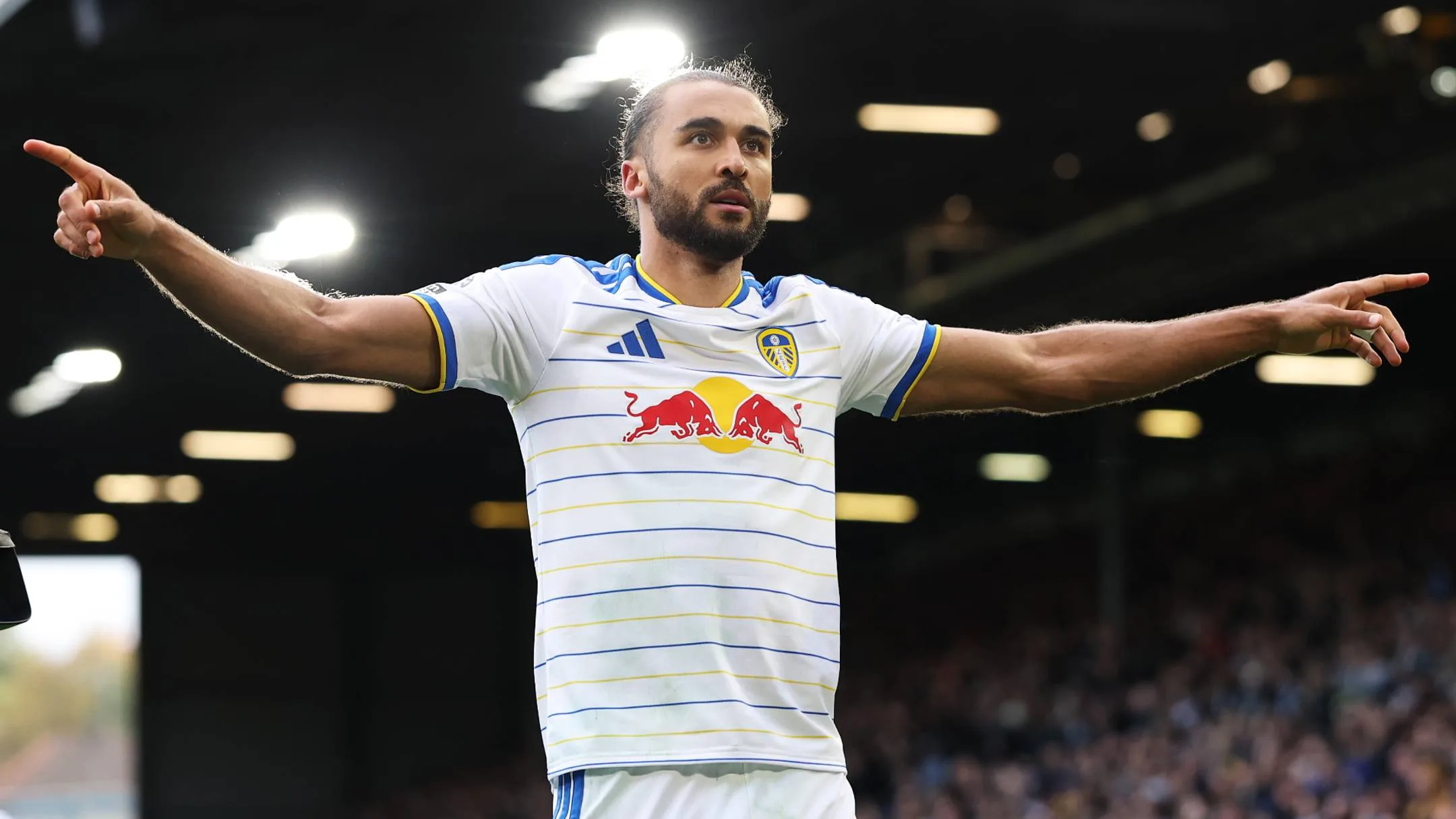
Manchester United are being linked with a move for Leeds United striker Dominic Calvert-Lewin, and the suggestion alone is enough to prompt questions. Even with the restraints of the January window and a tight budget, United have other attacking options to weigh up. Yet the possibility of taking Leeds’ No. 9 is the one that stands out for all the wrong and right reasons.
The Athletic report that Calvert-Lewin is under consideration in Manchester. A direct move from Leeds to United remains highly unusual, with the club last paying money for a player directly from Leeds when Alan Smith made that divisive switch in 2004. This would be another transfer loaded with history.
From a footballing perspective, there is an obvious case to be made. United need goals, with newly promoted Ipswich Town having outscored them in the Premier League this season, and they also need a central reference point in attack. Calvert-Lewin has 17 Premier League goals since the start of last season, a return no United player can better.
Bryan Mbeumo can threaten through the middle, particularly in a counter-attacking set-up, but he does not provide the same focal point as a natural striker such as Šeško, or Calvert-Lewin. Leeds’ forward also offers a strong aerial presence and gives his side a reliable outlet.
United already put plenty of crosses into the box, but without Šeško on the pitch there is often nobody to meet them, especially since Casemiro’s summer exit. Calvert-Lewin would change that immediately.
“Dominic is like a good wine, getting better by the year,” Leeds boss Daniel Farke gushed just last month. “Physically, he’s on a top level and his pace is more than good enough I would say.”
But the fit is not straightforward. Farke’s claim that Calvert-Lewin is “a very complete striker,” is harder to support. His game is highly specific, suited to Leeds’ approach, where he can poach in the box or attack a ball played through the air. He is less likely to bring others into play.
No outfield player with more than one Premier League start this season has a lower pass completion rate than Calvert-Lewin. That may be a compromise United would accept, but convincing Leeds would be another matter entirely. The Athletic describe them as “fiercely protective” of their top scorer and rate any deal as “remote.”
It would also place Calvert-Lewin among a very small group of players to cross this rivalry. In the Premier League era, only three outfielders have gone from Elland Road to Old Trafford. United’s interest is all the more striking because Calvert-Lewin was available on a free transfer just over a year ago, when the club instead chose to spend up to £73.7 million ($99 million) on Šeško while keeping Zirkzee.
Analytics & Stats
United’s Transfer Market Failures Exposed by Fresh Study
A new study shows Manchester United have lost $452 million on signings over five years.
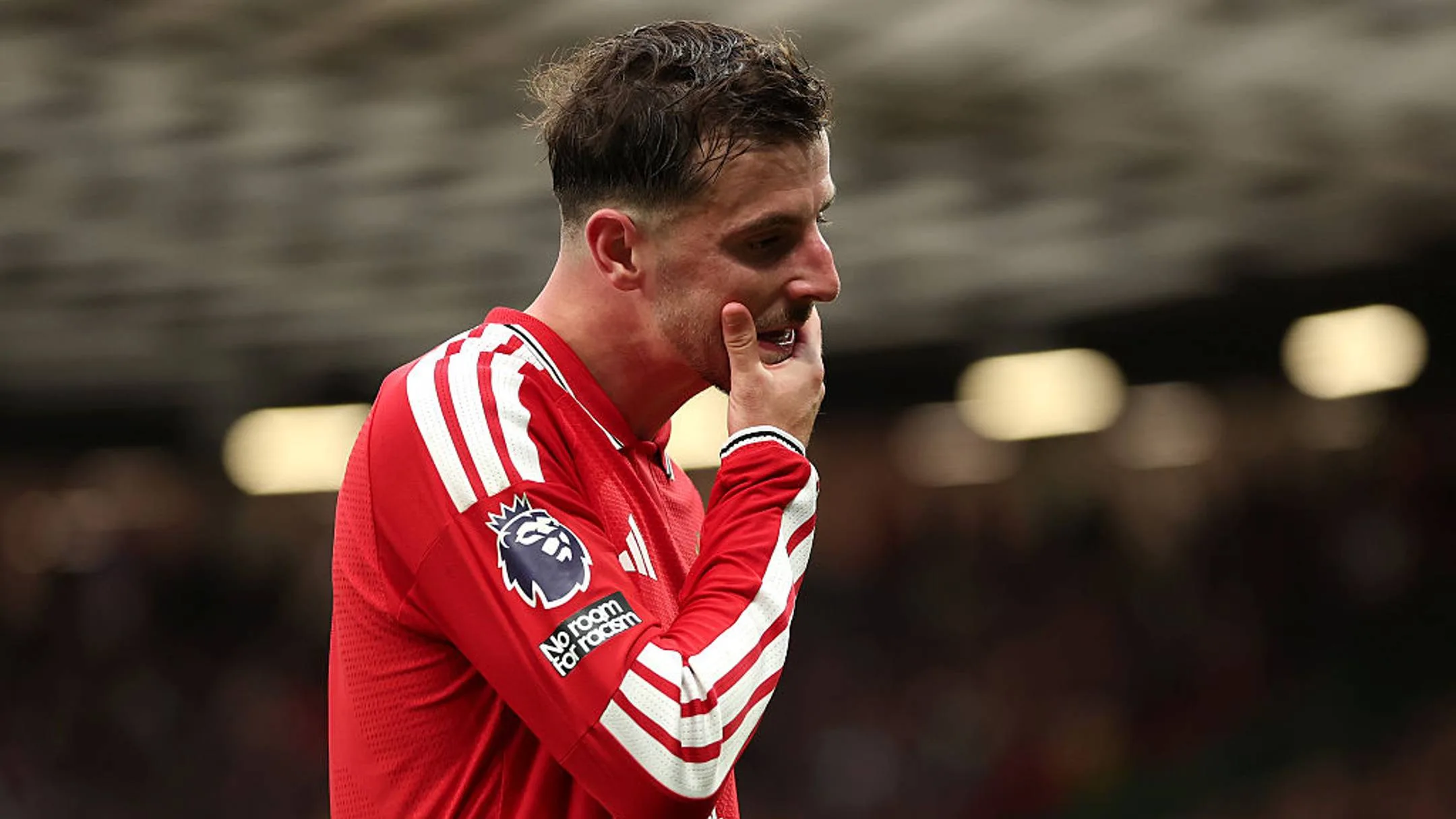
Manchester United’s difficulties on the pitch have been well documented, but a new statistical study has underlined a separate problem: a transfer strategy that has drained value at an alarming rate.
The CIES Football Observatory has ranked clubs around the world by the “appreciation or depreciation in value of non-academy players signed over the past five years.” The method combines fees paid and received for players who have left, while current players are measured against their present market value. Only clubs with spending and income above $56 million since 2022 were included, with add-ons counted whether or not they have already been paid.
On that basis, United sit as the European club to lose the most on signings over the past five years. Their total depreciation stands at $452 million, a figure surpassed only by Al Hilal (-$560 million) across the global list.
Of United’s overall loss, $208 million relates to players who have already left on permanent deals, including Sancho, Højlund and Antony. A further $244.5 million has been lost on players still at the club. That total is far above any other European side.
Tottenham Hotspur are the nearest continental comparison, having lost $210 million, less than half of United’s figure. By contrast, local rivals Manchester City are among the biggest winners, ranking fifth with almost $500 million added in value over the same period.
Eintracht Frankfurt (+$588 million), Real Madrid (+$587 million), Paris Saint-Germain (+$547 million) and Benfica (+$545 million) sit above City. Chelsea also post a positive return at $200 million, while Arsenal (+$123 million) and Liverpool (+$14.5 million) have seen their signings increase in value overall.
United, however, have not dramatically altered course. Their spending has become less erratic over the last two seasons, but they still spent more than $400 million on new arrivals, and none apart from the cost-effective Senne Lammens have yet justified their price tag.
Their approach of strengthening one area at a time has also hurt results and, in turn, the value of the current squad. They focused on attack with Benjamin Šeško, Bryan Mbeumo and Matheus Cunha in 2025, then turned to midfield last summer with Youri Tielemans, Andrey Santos and Carlos Baleba. The defence, presumably, will be next.
Chelsea
Carrick Backs Fernandes To Keep Captaincy Amid United Struggles
Carrick has backed Fernandes to stay captain as United prepare for Chelsea this weekend.
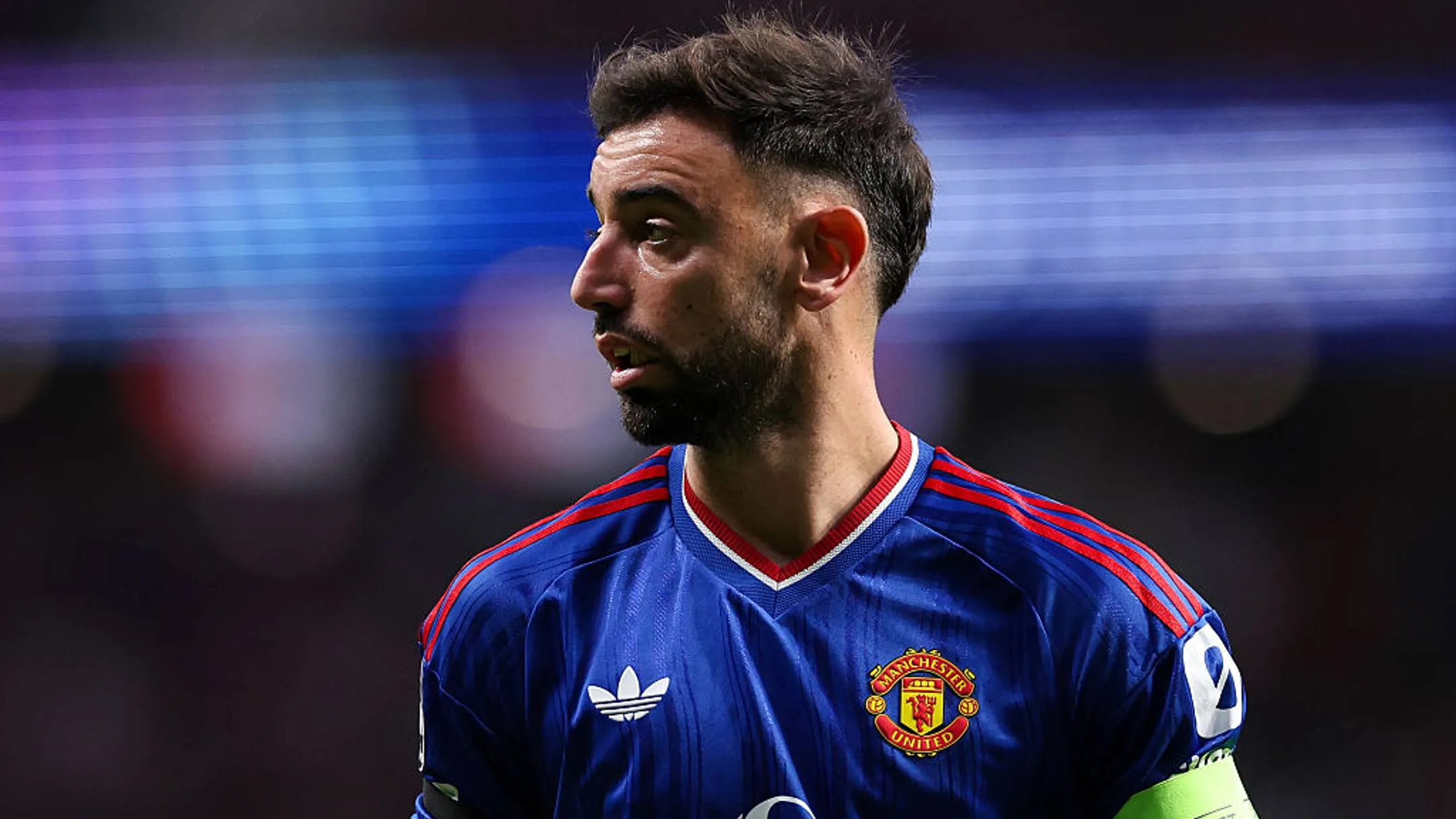
Michael Carrick has made his position clear on Bruno Fernandes, confirming the midfielder will remain captain despite recent tension between the pair.
Fernandes, who has been United’s most influential creator, was left on the bench for the full 90 minutes against the Cherries. United then stretched their winless run to eight matches in all competitions, a sequence that has placed Carrick under growing pressure.
For now, though, the manager remains in charge and is preparing for Saturday’s meeting with Chelsea. Asked directly whether Fernandes would continue as skipper, Carrick gave a firm answer and made it plain that no change is planned.
“There is no decision to be made on [the captaincy],” Carrick said. “It will be Bruno. Listen, we’re clear with the situation of the team and as a football club at the moment. He’s an important player for this group. He has been and he will be.
“Between us, we’ve got to make a difference and we’ve got to push things in a good direction. He’s fully committed to this football club. He’s fully committed to making things better. It doesn’t change for me. He’s the one that’s kind of led the team so well for many a game and many a year, and he’ll continue to do that.”
Carrick’s public support followed reports that the pair had held “clear the air” talks in an effort to reset their relationship. The hope inside the camp will be that Fernandes can now rediscover his form.
The 32-year-old enjoyed a record-breaking 2025-26 season, when he won the FWA Footballer of the Year, Premier League Player of the Season and PFA Players’ Player of the Year. This season has been far quieter. In 11 appearances, he has only four goals and one assist, with those contributions coming against Ipswich Town and Champions League debutants Sabah.
United travel to west London short of options. Carrick said on Thursday that Benjamin Šeško will miss a “longer period of time” because of a lingering shin injury, with reports suggesting he may be out until January. He joins Marcus Rashford, Luke Shaw, Patrick Dorgu and Manuel Ugarte on the sidelines, while Kobbie Mainoo has returned to training with the group after his spell out.