Arsenal
From £75-a-week to millions: Rooney’s scholar pay compared with Max Dowman
Rooney earned the equivalent of $100 weekly as a scholar; Max Dowman can earn $465.60 now per rules.

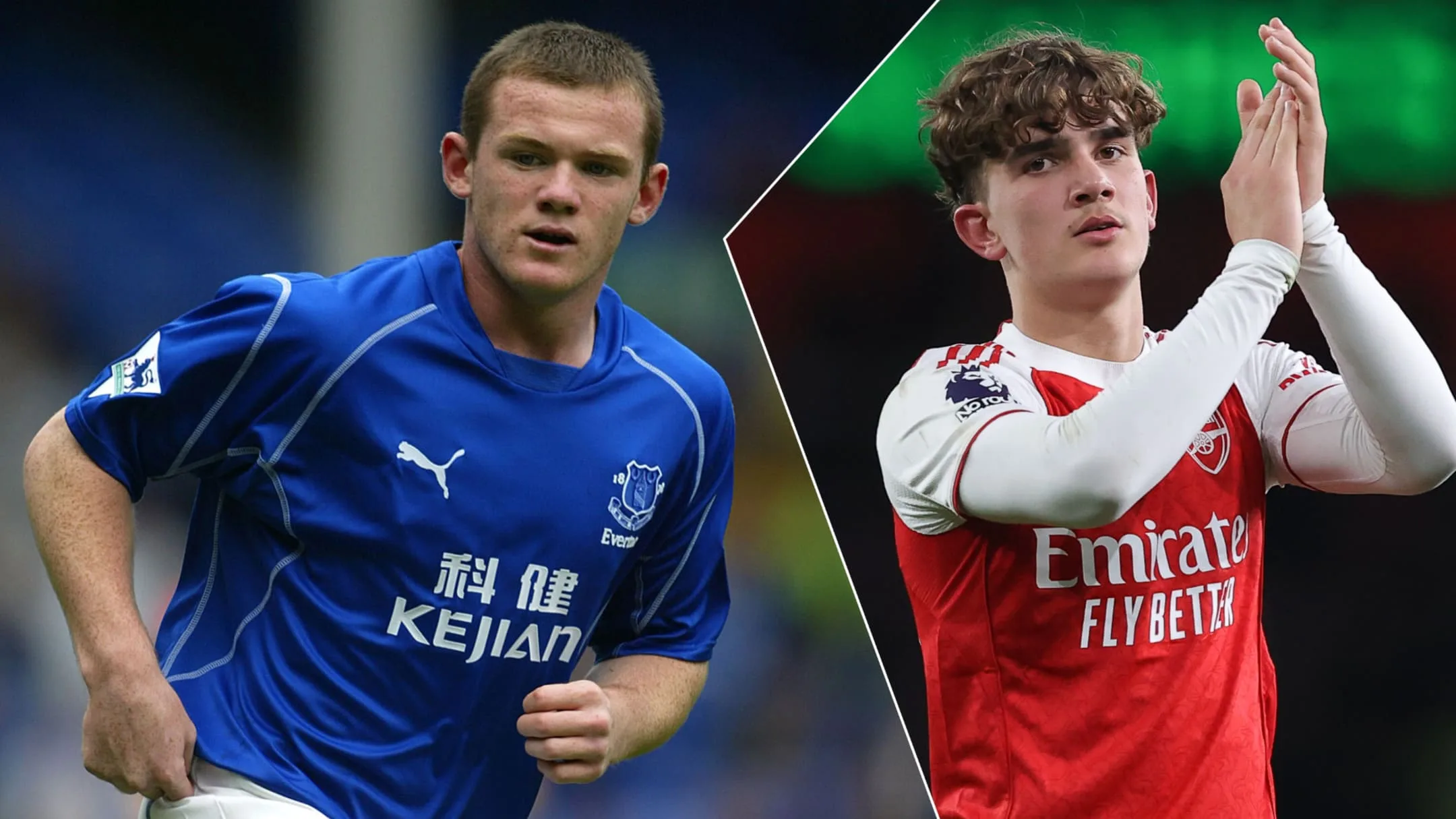
Wayne Rooney’s early earnings as a scholar remain a striking reminder of how quickly a football career can change financially. Rooney has revealed he was receiving the equivalent of just $100 each week when he scored the famous goal against Arsenal in 2002. That payment came while he was still a scholar, four days shy of his 17th birthday.
The landscape for under-17 players is defined by rules that keep them on scholar terms until they are eligible to sign professional contracts. The recent emergence of Max Dowman, who scored for Arsenal against Everton 73 days after his 16th birthday, has brought those scholar payments back into focus. Dowman can earn up to $465.60 per week under current terms, an annual figure of $24,211.
Rooney recalled the difference between those scholar payments and professional wages on his BBC podcast. “When I scored against Arsenal, I think I was on £75 ($100)-a-week,” he said. “But then that was four days before my 17th birthday, so I was still a scholar [for the Arsenal game]. I used to borrow money off my mum and dad until I signed my pro contract.” The transition at 17 is decisive: a contemporary newspaper report noted that, upon signing his first professional contract, Rooney jumped to a weekly salary of $17,293 (at today’s rate), an amount that worked out at almost $900,000 a year.
The progression continued rapidly. By the time Rooney left Everton and joined Manchester United aged 18, he was being paid not far short of $3.5 million per season. Those figures underline the contrast between scholar allowances and professional terms, and they also reflect Rooney’s own modest upbringing. He admitted he used to exaggerate travel distances when reporting for England’s national youth teams. “I used to find the furthest place away and say that’s where we drove in from,” he laughed.




Arsenal
Henry Urges Caution After Max Dowman’s Record Goal
Thierry Henry: protect Max Dowman after record goal. Rooney’s rise and Vaughan’s decline warning. NB
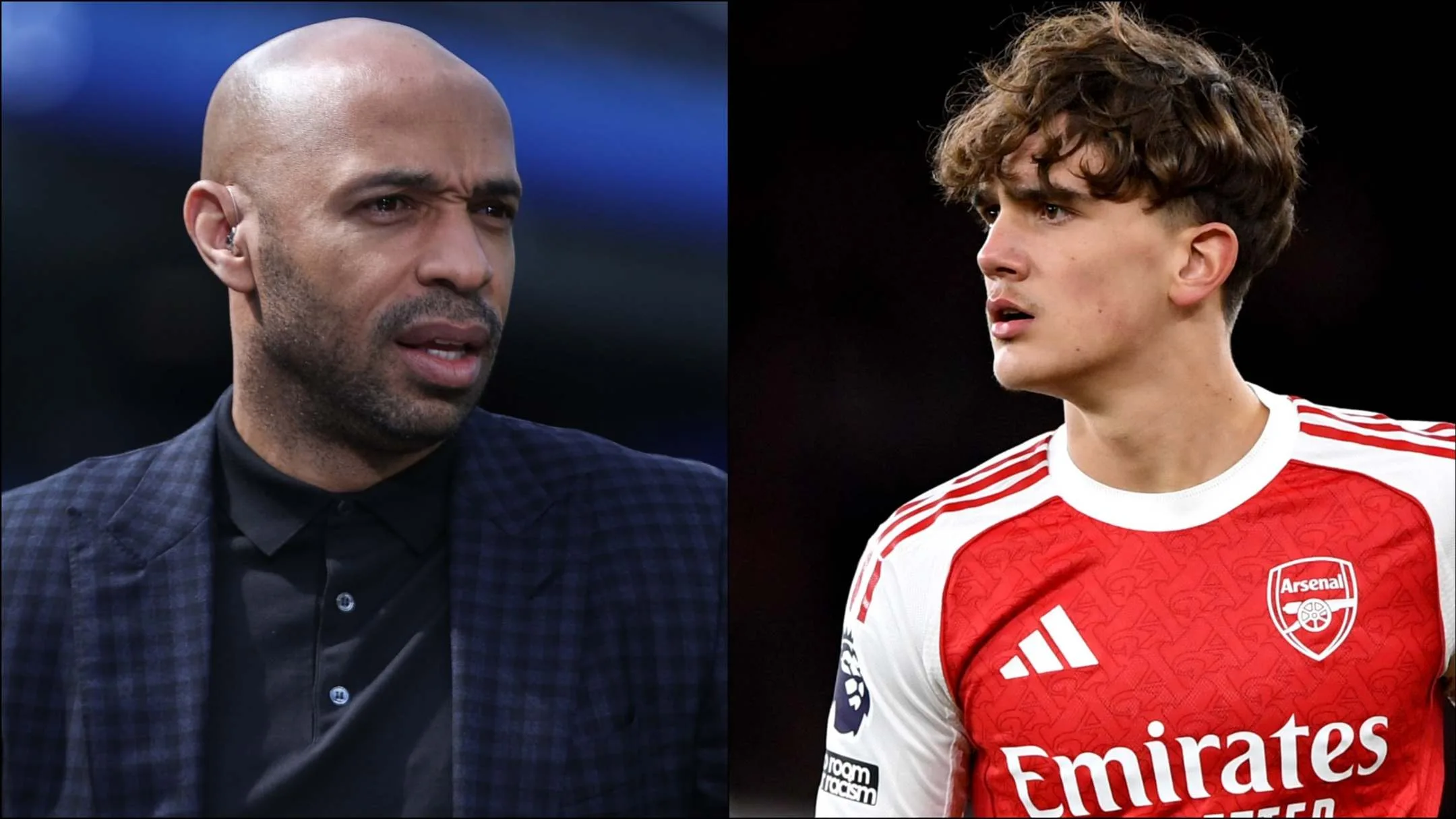
Thierry Henry has urged restraint from supporters after Max Dowman’s record goal, saying the teenager must be handled carefully if his potential is to be realised. Henry made his comments on Sky Sports Monday Night Football following the moment that prompted widespread reaction.
“I had goosebumps, I’ll be honest with you,” Henry said. “I don’t often get goosebumps watching a game, but I had goosebumps because I remember my first goal, my first moment. Even if you are not an Arsenal fan, at the particular moment I think everyone could relate and was happy for him and put the Arsenal thing on the side.”
The programme also revisited the context of the Premier League youngest goalscorer mark. Wayne Rooney was a previous holder of the Premier League’s youngest goalscorer crown, having scored a stunner against Arsenal in 2002. This week, the retired legend revealed that his weekly salary at the time was just $100 because he was too young to even sign a professional contract. Rooney later went on to become one of the greatest players in English soccer history, winning numerous trophies, captaining Manchester United, the England national and breaking decades-old goalscoring records for both.
Henry used those contrasting career trajectories to make a plea for perspective. He pointed to examples of players who fulfilled early promise and those whose careers were curtailed by circumstance. One such case was Vaughan, who came from the same Everton academy as others mentioned on the show; Vaughan made only 52 Premier League appearances in a career limited by injuries and finished in League Two in 2021. The best season of his career was a 24-goal campaign for Bury in League One in 2016–17.
If Dowman is to follow in Rooney’s footsteps and realise the superstar potential that has been apparent for years now, Henry challenged fans to be patient and protect the teenager at this early stage of his career.
Arsenal
Money Talks: CIES Ranks the World’s Most Valuable Squads
CIES values nine squads over $1bn; Real Madrid leads at $1.78bn while Tottenham exceed $1bn. Values.
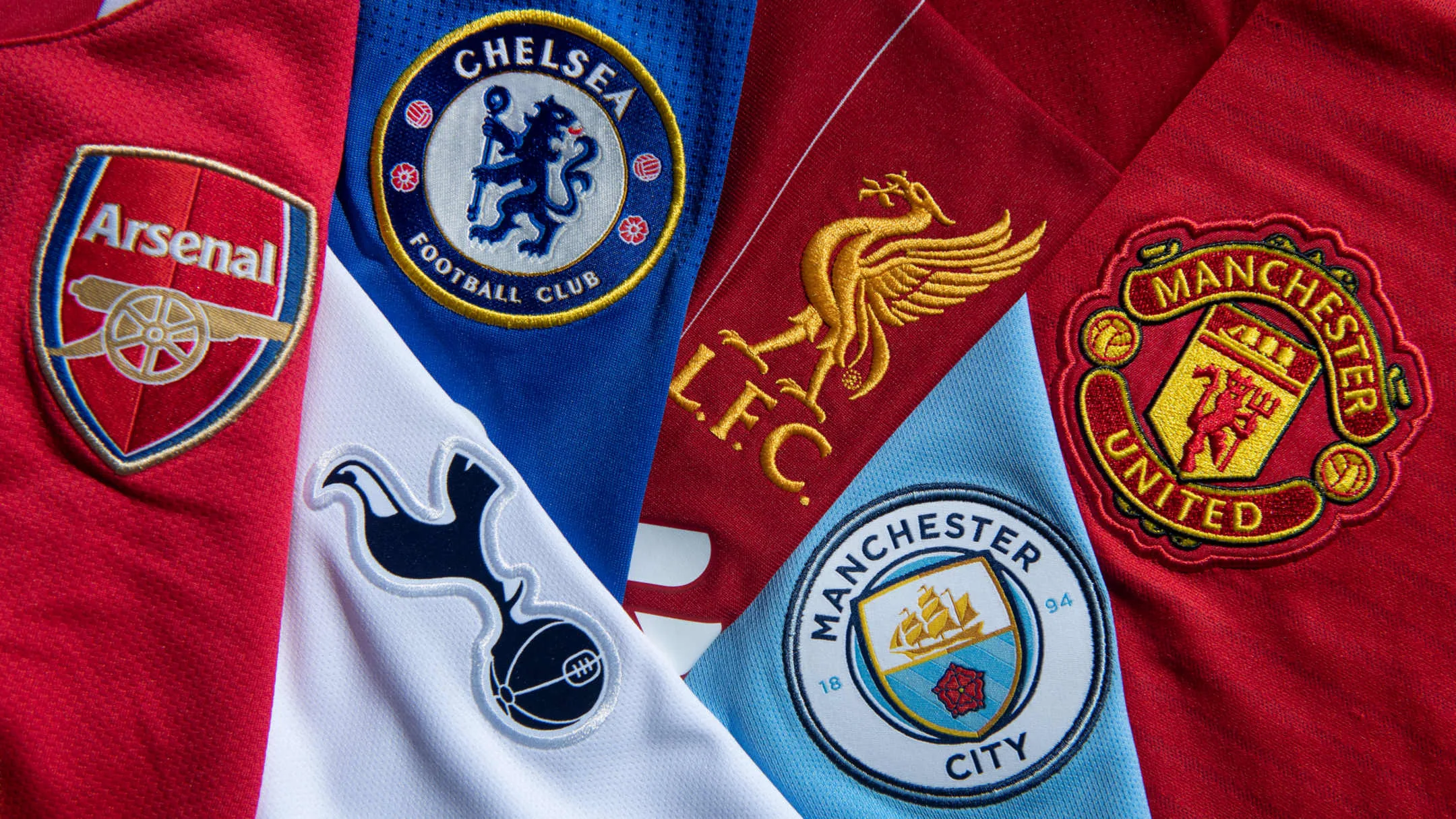
The surge in transfer prices and squad valuations has reshaped how clubs are measured. The CIES Football Observatory produces those estimates by weighing a player’s quality, age, position and length of contract, and those individual valuations are then summed to give each squad a market value.
The scale is striking. There are nine clubs with squads valued above $1 billion. At the top is Real Madrid with a squad valuation of $1.78 billion and Kylian Mbappé listed as the most valuable player at $221 million. Barcelona follow with $1.60 billion, Lamine Yamal accounting for $403.9 million of that total. Arsenal and Paris Saint-Germain each sit at $1.55 billion, with Bukayo Saka ($131.5 million) and Désiré Doué ($150.3 million) named as their most valuable players respectively.
Liverpool’s roster is valued at $1.20 billion, most valuable player Florian Wirtz ($149.8 million). Bayern Munich come in at $1.15 billion with Michael Olise ($162.6 million) as their top-rated asset. Tottenham’s squad is valued at $1.03 billion; Xavi Simons is listed as their most valuable player ($98.1 million), despite the club’s current relegation fight and Igor Tudor’s assessment that players “are lacking when we attack, we lack the quality to score the goal. We are lacking in the middle to run and we are lacking behind to stay there to suffer and not concede the goal.”
The list also includes Manchester United ($953 million, Benjamin Šeško $100.3 million) and Inter ($942 million, Lautaro Martínez $117 million). Earlier-positioned squads under $1 billion include Atlético Madrid ($903 million, Julián Álvarez $136.5 million), Juventus ($896 million, Kenan Yıldız $152.5 million) and Brighton ($894 million, Diego Gómez $86.4 million).
Several voices in the game have reflected on the market changes. Karl-Heinz Rumminegge said, “There are some players who do not come with a price tag.” Robert Lewandowski complained, “You are young, you score 10 goals in six months and some club will pay 60 or 70 million,” adding, “Before, you had to achieve something.” Vincent Kompany warned players about hype: “I always tell my players, ‘When there’s hype please don’t believe it, you’re not that good.’”
Whether the valuations mirror on-field quality or the inflation of a transfer market remains the central question CIES data brings into focus.
Arsenal
KMI: Brighton Were Wrongly Denied Penalty in 1–0 Loss to Arsenal
KMI rules Brighton were wrongly denied a penalty in Arsenal loss, marking a third post-match review.
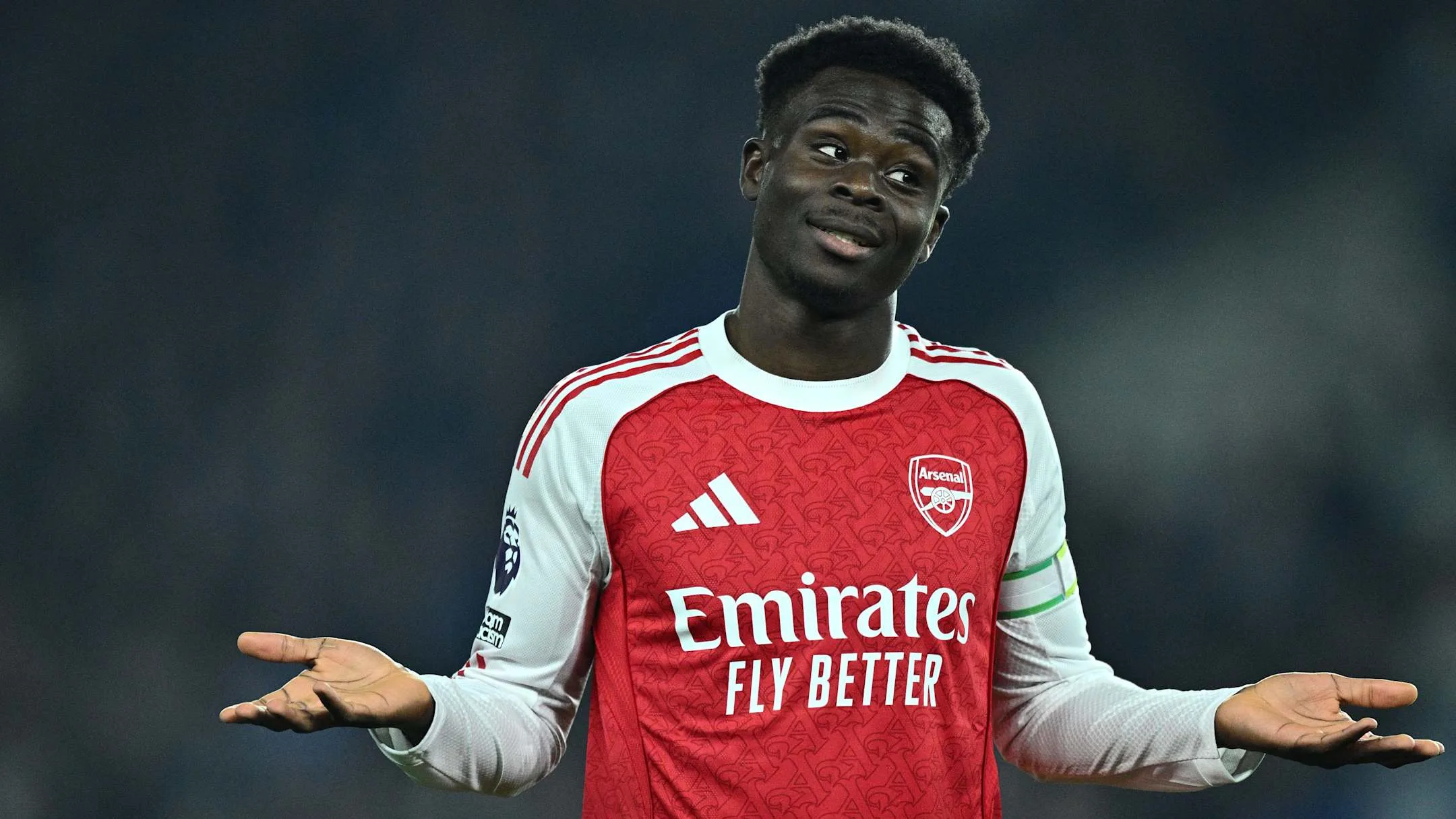
The Premier League Key Match Incidents panel has concluded that Brighton & Hove Albion were wrongly denied a penalty in their 1–0 defeat to Arsenal earlier this month. The panel found that on-field referee Chris Kavanagh should have awarded a spot-kick and that VAR Michael Salisbury was wrong not to intervene.
During the match Kavanagh did not call for a foul and VAR Michael Salisbury cleared the incident, with the Match Centre then taking to social media to confirm “no clear and obvious error” was detected. The KMI panel, which is made up of three former players or coaches and one representative from both the Premier League and Professional Game Match Officials Limited, has now overruled that assessment.
Arsenal’s victory over Brighton took them seven points clear at the top of the standings after Manchester City were held by Nottingham Forest. It is impossible to predict how the award of a penalty for Brighton might have impacted both that specific game and the wider title race. If converted, it would have changed the trajectory of the game, but Arsenal could still have gone on to win.
This is the third time this season that the KMI panel has issued a ruling that has gone against a decision which benefited Arsenal. Earlier this month the panel decided Declan Rice should have conceded a penalty for handball in a 2–1 victory over Chelsea, noting he wrapped his hands around Jorrel Hato and deflected the ball away with his arm. The Blues did score moments later in an unrelated play.
In December the panel ruled that William Saliba was wrongly saved from conceding a penalty against Everton striker Thierno Barry in a game that ended 1–0 in Arsenal’s favor. Salisbury was the VAR for that game as well.
The repeated post-match findings raise questions about the application of video review in key moments and the consistency of on-field and VAR decisions, as highlighted by the panel’s latest statement.