Premier League
Premier League’s Most Memorable Mavericks: 40 Legends the Streets Remember
40 Premier League mavericks whose flair, magic, and moments the streets won’t forget.


In the Premier League, moments of team triumph are cherished, yet it’s often the dazzling individuality that captures lasting attention. This compilation honors 40 players whose flair and memorable moments have etched them indelibly in fans’ minds — the real ‘streets won’t forget’ figures.
Beginning with Rory Delap, whose extraordinary long throw-ins became cult phenomena, we move through a diverse gallery of talent. Eidur Gudjohnsen dazzled with stints at Bolton, Chelsea, Tottenham, and Stoke, crafting the ‘Fire and Ice’ partnership with Hasselbaink at Chelsea. Alvaro Negredo’s one-season wonder at Manchester City netted 23 goals and earned ‘beast’ acclaim.
Juninho’s 1995 arrival at Middlesbrough instantly secured his legendary status. Young striker Federico Macheda’s stoppage-time winner for Manchester United in 2008 was a career highlight. Kasami’s spectacular volley for Fulham in 2013 remains one of the Premier League’s finest strikes. Meanwhile, Nani’s skill and celebrations often challenged the norms, cementing his cult credentials.
The late Papa Bouba Diop’s formidable long-range shooting made him a hero at Fulham and Portsmouth. Bafetimbi Gomis’ lion-style goal celebration and Maynor Figueroa’s thunderous goal from his own half for Wigan are etched in folklore. Kevin-Prince Boateng’s 2009–10 Portsmouth season, despite the club’s struggles, displayed his flair and clutch penalty skills.
Manolo Gabbiadini’s goal-scoring at Southampton in big matches, and Elano’s free-kicks for Manchester City, each contributed lasting memories. John Carew was a consistent scorer at Aston Villa in the late 2000s, while Amr Zaki’s brief but explosive Wigan spell sparked comparisons to Alan Shearer.
Graziano Pelle combined power and flair at Southampton before departing for China. Youri Djorkaeff added flair at Bolton in a rare flourish under Sam Allardyce. Sebastian Larsson’s mastery of free-kicks and Allan Saint-Maximin’s electrifying dribbles at Newcastle further define this list.
Mark Viduka’s goal glut at Leeds, Hugo Rodallega’s spectacular strikes for Wigan, and the dynamic Demba Ba and Papiss Cisse partnership at Newcastle are key highlights. Jay-Jay Okocha’s ability to confound defenders at Bolton and Michu’s stunning 2012–13 Swansea season earned them cult status.
Morten Gamst Pedersen’s trademark dead-ball prowess, Dmitri Payet’s skill at West Ham, and Hatem Ben Arfa’s breathtaking solo goal for Newcastle all enthralled fans. Yossi Benayoun’s crucial Liverpool performances, Wilfried Bony’s Swansea goal-scoring, and Mladen Kranjcar’s versatile impact for Portsmouth follow in their footsteps.
Andrey Arshavin’s flashes of brilliance for Arsenal, Yannick Bolasie’s trickery at Crystal Palace, and the unforgettable volleys of Tony Yeboah for Leeds embody the spirit of unforgettable flair. Yakubu’s relentless scoring and cheeky style made him a fan favourite, while Mousa Dembele’s silky dribbling at Tottenham mesmerized audiences.
The striking duo of Demba Ba and Papiss Cisse replaced Andy Carroll with style at Newcastle. Jay-Jay Okocha’s magic and Michu’s remarkable buzz around Swansea mark this list with unique brilliance. Collectively, these players represent the Premier League’s vibrant history of unforgettable individual talent and moments that continue to inspire.

Brighton & Hove Albion News
Chelsea’s move for Danny Welbeck would fit the profile of a pragmatic signing
Chelsea’s interest in Danny Welbeck may be unusual, but his goals, experience and value make sense.
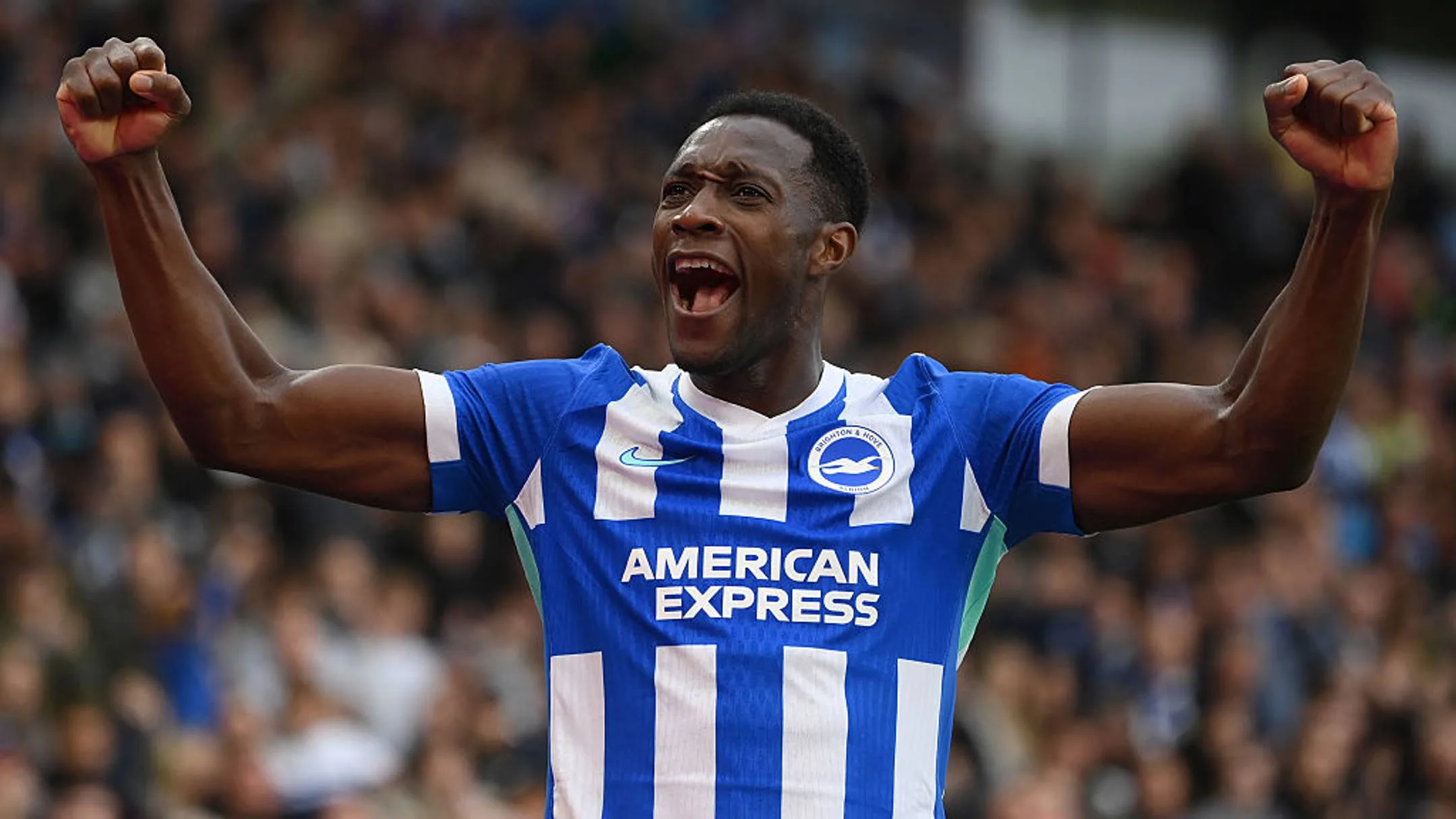
Chelsea are said to be “optimistic” about a deal for Brighton & Hove Albion striker Danny Welbeck, with the club now “explore” a transfer for the 35-year-old. The Athletic have confirmed that discussions with Brighton are at an early stage, even as Chelsea continue to be linked with other experienced names, including free agent John Stones and Brentford veteran Jordan Henderson.
Welbeck’s case is built on form, experience and value. The former Arsenal and Manchester United centre forward has settled well on the south coast and produced 13 Premier League goals last season, following 10 in the previous campaign. For a player in the latter stages of his career, that remains a strong return and one that helps explain why Chelsea are considering him.
Alonso is believed to see Welbeck as a “player and leader”, someone who could guide a younger squad while still contributing on the pitch. If the move happened, Welbeck would follow a familiar route from Brighton to Stamford Bridge, with Robert Sánchez, João Pedro and Moisés Caicedo already part of the current squad after leaving the same club.
The approach would sit outside Chelsea’s usual transfer model, which has generally focused on collecting some of the game’s most sought-after young players. Even so, Welbeck could offer qualities the squad has lacked. He is a penalty-box striker who can provide goals, particularly off the bench, and the numbers from last season support that view. Only eight players scored more in the Premier League, while Pedro was the only Chelsea player to finish above him. Among players who attempted at least 30 shots, only four had a better conversion rate than Welbeck’s 23%.
There is also the question of cost. With just 12 months left on his Brighton contract, he could be a relatively inexpensive option, although no fee has been reported. Beyond that, he brings knowledge of the demands placed on players at a traditional “Big Six” club and offers leadership in a dressing room where the oldest squad members are 28.
Chelsea’s forward picture remains unsettled. Pedro is the current first-choice No. 9 after a 20-goal debut season and will be fresh after being left out of Brazil’s World Cup squad. Nicolas Jackson, back from a loan spell at Bayern Munich in which he scored 11 times, is expected to get a chance in preseason. But his future, like those of Marc Guiu, Liam Delap and Emmanuel Emegha, is uncertain.
Manchester United
Eight Manchester United youngsters who could step forward in 2026-27
United’s academy offers Carrick several options for 2026-27, from Heaven to Gabriel.
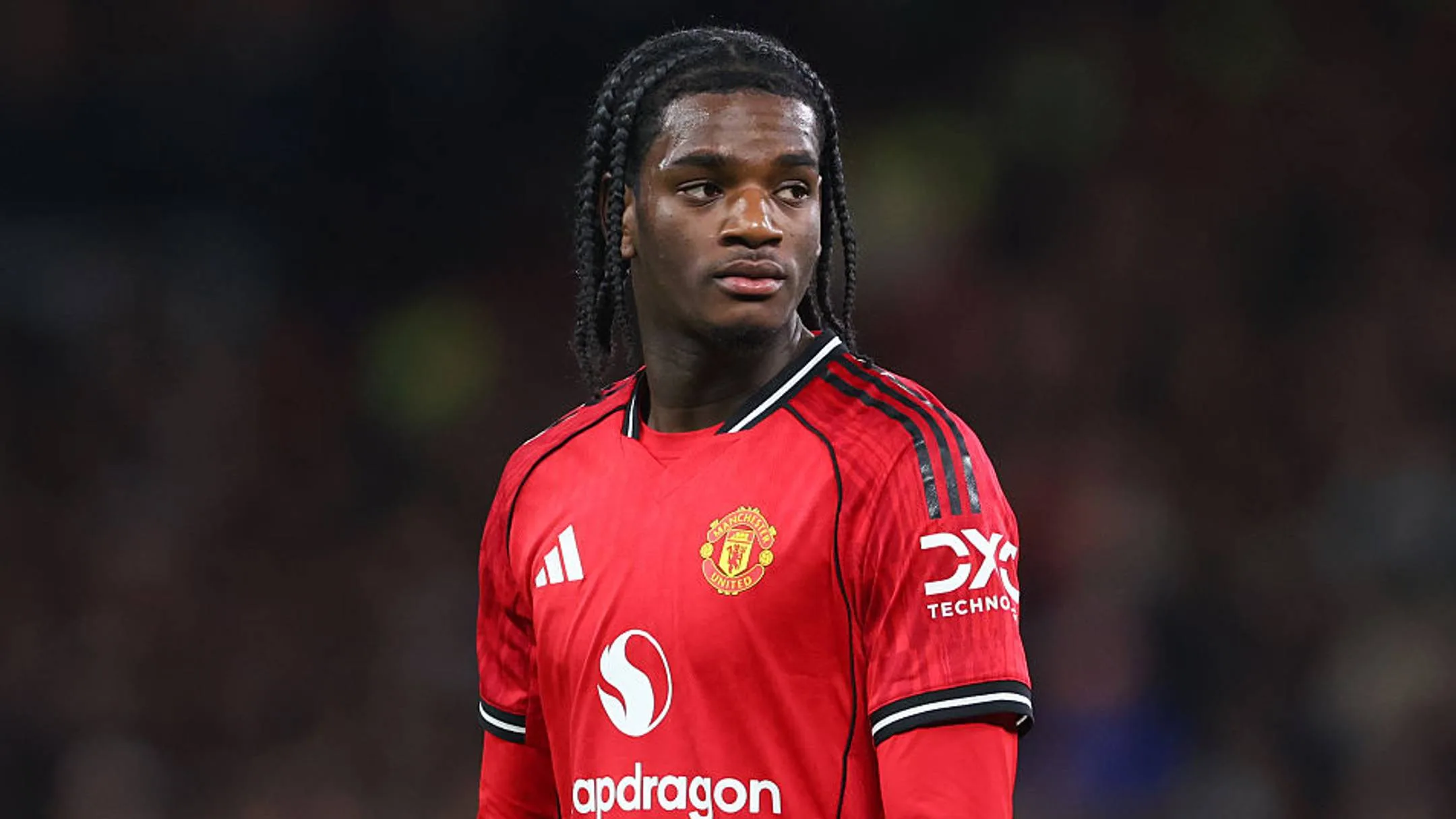
Manchester United enter the 2026-27 season with renewed confidence after last term’s major recovery under Michael Carrick. His permanent appointment and a handful of summer signings have strengthened the squad, but the club may still find value closer to home. The academy remains a significant source of depth, and several young players will be hoping preseason can open the door to first-team opportunities.
Ayden Heaven already made a strong impression last season, featuring 18 times for the senior side and starting three of the final six Premier League matches. The 19-year-old center back, recruited from Arsenal’s academy, showed pace, physical strength and improving positional awareness. With Champions League football adding to the workload, he may be needed more often, especially with Harry Maguire now 33 and Matthijs de Ligt and Lisandro Martínez both carrying injury concerns.
At left back, Harry Amass could be next in line if no senior signing arrives. He made seven appearances in 2024-25, then spent time on loan before an injury cut short his spell at Norwich City. He has already scored against Rosenborg in preseason and could become Luke Shaw’s deputy.
Shea Lacey has also put himself in the conversation. The right winger made four first-team appearances last season and posted 12 goals and five assists in 19 outings for the U-21s. He may yet be kept around rather than sent out on loan.
Chido Obi continues to attract attention after scoring 15 times for the U-21s last season and making eight senior appearances. Tyler Fletcher, the son of Darren Fletcher, has already had two brief Premier League cameos, while his twin Jack made three consecutive league appearances last December and produced six goals and eight assists for the U-21s.
Jacob Devaney, after a productive loan with St Mirren, and JJ Gabriel, who turns 16 this October, complete a group that could yet force their way into Carrick’s thinking.
Arsenal
Proposed goalkeeper stoppage rule set for 2026/27 moves closer
English football is set to trial a new rule that punishes goalkeeper treatment breaks with a
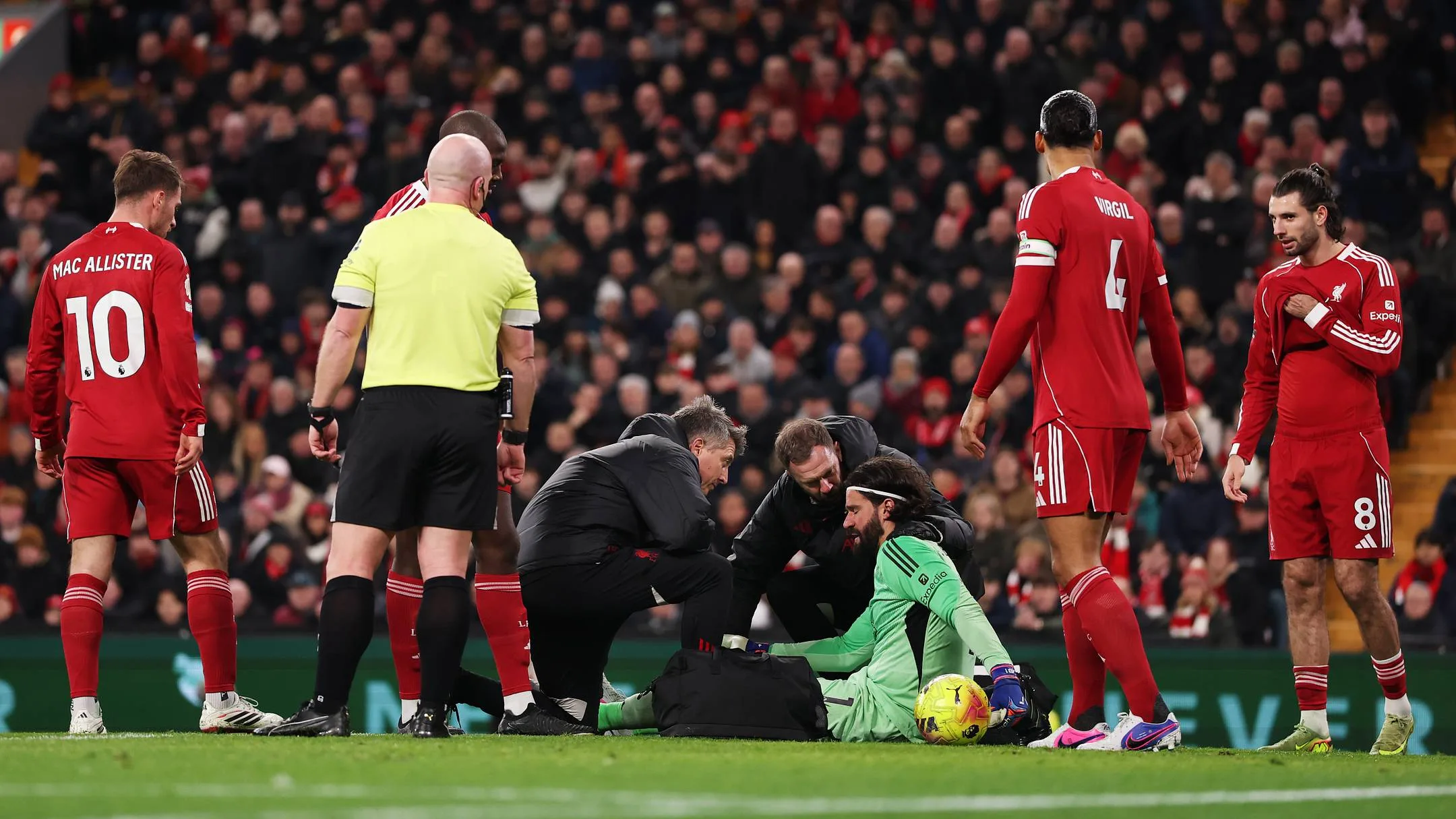
Professional football in England could be on the brink of a major law change aimed at reducing time-wasting by goalkeepers. According to the draft, the sport is moving towards a trial in which a manager must temporarily lose one outfield player after a goalkeeper receives medical attention.
The measure comes after existing regulations were introduced to stop players using treatment as a way to slow the game down. Under those rules, any player treated on the pitch must wait 60 seconds on the touchline once play restarts. Goalkeepers, however, were still able to continue without a similar punishment. That gap is now set to be closed.
The new procedure would start once the referee has signaled for medical staff to treat a goalkeeper. From that point, the team manager would have 10 seconds to inform the fourth official which outfield player will leave the field for one minute after the restart. If no player is nominated in time, the captain is withdrawn instead. If the goalkeeper is also the captain, the nominated outfield player who was chosen to speak to the referee before the match would be removed.
The idea has been pushed forward amid concerns about goalkeepers using treatment breaks to allow managers to pass on instructions. BBC Sport reported that professional English football has volunteered to trial the measure, and the change still requires approval from IFAB, which oversees the laws of the game.
The first scheduled fixture to use it would be Tranmere Rovers vs. Rochdale in the Carabao Cup preliminary round on Saturday, Aug. 1, if permission arrives in time. The first Premier League match affected would be Arsenal’s opener against newly promoted Coventry City on Friday, Aug. 21, pending approval.
The rule would also extend beyond the Premier League to the Women’s Super League, the FA Cup, the Carabao Cup, the EFL Championship, League One, League Two and the National League. The draft also says the Australian top flight is expected to act as a global test case, although its version would automatically remove the captain. No similar trial has been taken up by La Liga, the Bundesliga, Serie A or Ligue 1, and it would not apply in the Champions League.

Chelsea’s move for Danny Welbeck would fit the profile of a pragmatic signing

Eight Manchester United youngsters who could step forward in 2026-27