Paris Saint-Germain
Campos: Donnarumma’s exit driven by wages as PSG shifts to merit-based pay
Campos: Donnarumma’s wage demands forced PSG into a sale; club moving to bonus-led contracts. New era

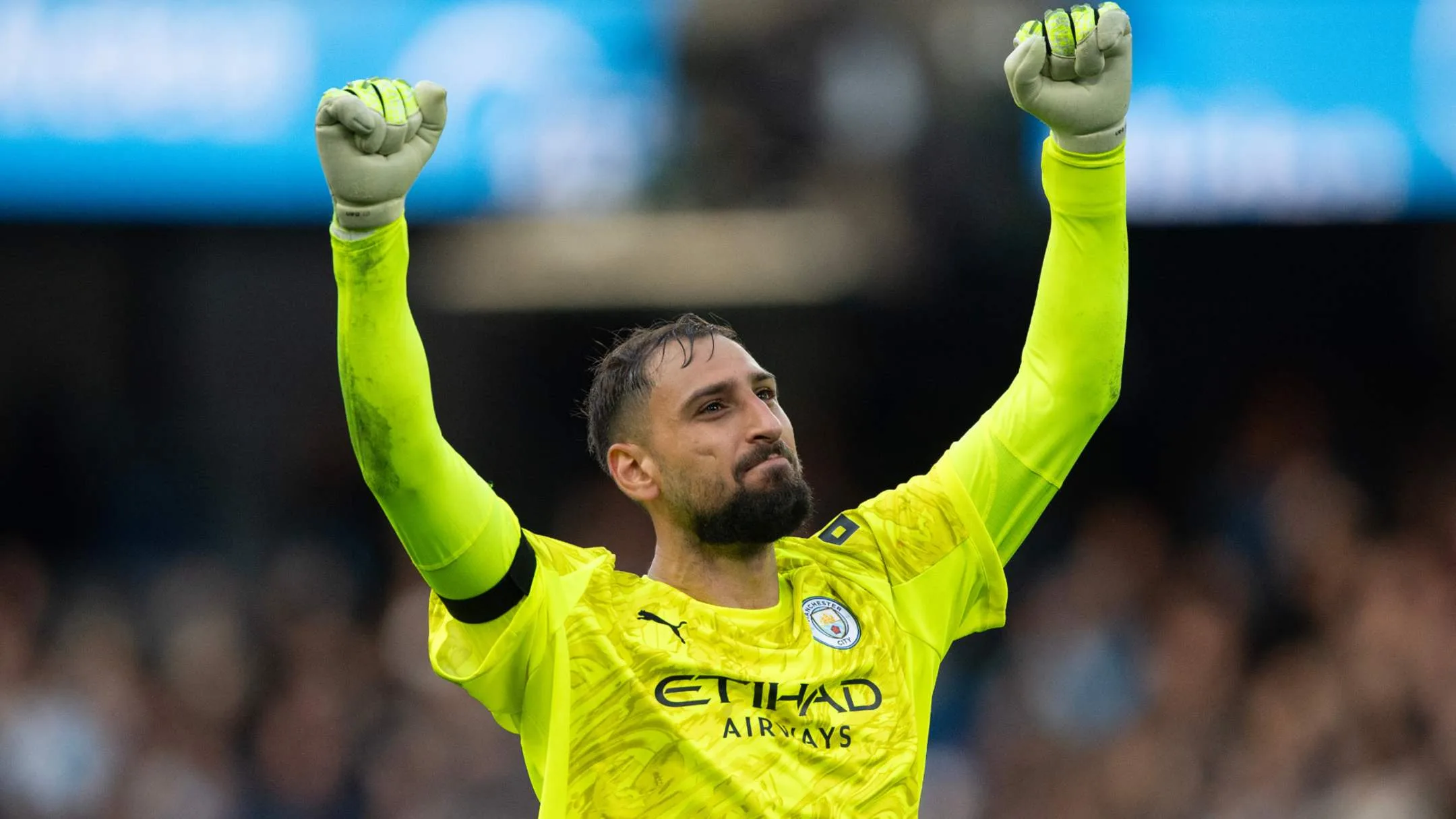
Paris Saint-Germain strategic adviser Luis Campos has attributed the club’s decision to put Gianluigi Donnarumma up for sale this summer to salary demands as much as tactical choice. Donnarumma confirmed his own departure as early as Aug. 12 after being dropped from the first-team squad in favour of summer recruit Lucas Chevalier. The Italy international said that “someone has decided that I can no longer be part of the group” shortly before manager Luis Enrique accepted responsibility, explaining he wanted “a different profile” of goalkeeper.
Campos framed the episode as a financial recalibration. Donnarumma had entered the final 12 months of his PSG contract and extension talks had so far proved fruitless. “The club is more important than anyone else,” Campos told RMC Sport. “That’s changed at PSG. Donnarumma, it was a combination of circumstances that led to this decision. When he asks for a salary at the level of PSG before, not the current PSG…”
The adviser went on to describe how the club is moving away from high guaranteed wages toward agreements with significant performance-related bonuses. “Our policy is very much based on merit: you earn more when you deserve it, and when you play,” he said, adding that the club had “took time to discuss the Gigio issue. We were obliged to find solutions if we couldn’t reach an agreement with him.”
Donnarumma’s agent Enzo Raiola disputed the sequence of events from his client’s side, saying the goalkeeper did accept a lower salary during negotiations last season only to see the club “change the rules of the game.” Talks were reportedly postponed until after the Champions League final, when PSG “confirmed their desire to continue,” before the club altered its position in early August.
Campos was firm that the new approach is universal. “The salary policy applies to everyone,” he shrugged. The club’s explanation frames the transfer decision as the intersection of contract timing, renewed wage policy and squad planning rather than a single tactical judgement.




Arsenal
Money Talks: CIES Ranks the World’s Most Valuable Squads
CIES values nine squads over $1bn; Real Madrid leads at $1.78bn while Tottenham exceed $1bn. Values.
The surge in transfer prices and squad valuations has reshaped how clubs are measured. The CIES Football Observatory produces those estimates by weighing a player’s quality, age, position and length of contract, and those individual valuations are then summed to give each squad a market value.
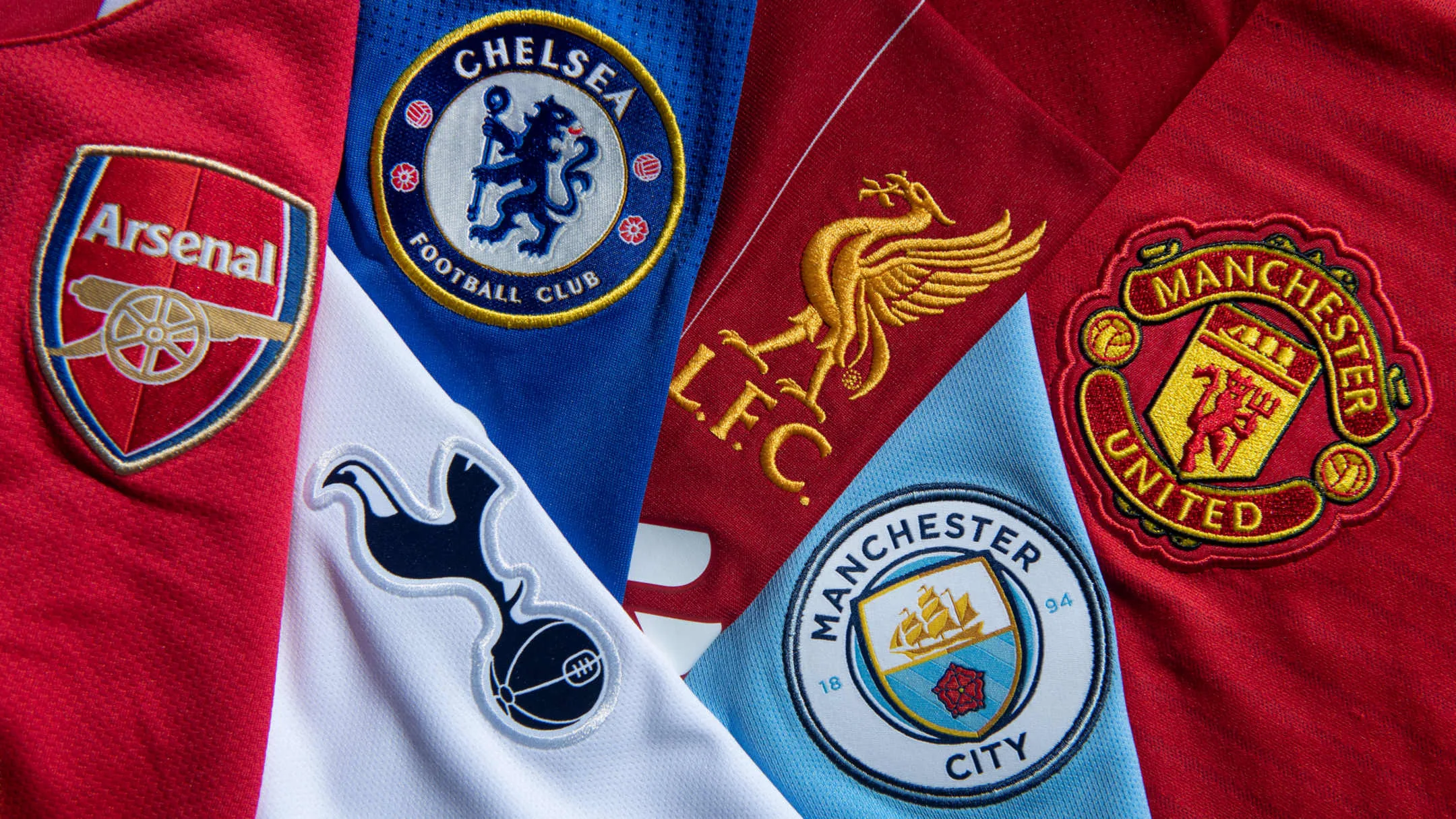
The scale is striking. There are nine clubs with squads valued above $1 billion. At the top is Real Madrid with a squad valuation of $1.78 billion and Kylian Mbappé listed as the most valuable player at $221 million. Barcelona follow with $1.60 billion, Lamine Yamal accounting for $403.9 million of that total. Arsenal and Paris Saint-Germain each sit at $1.55 billion, with Bukayo Saka ($131.5 million) and Désiré Doué ($150.3 million) named as their most valuable players respectively.
Liverpool’s roster is valued at $1.20 billion, most valuable player Florian Wirtz ($149.8 million). Bayern Munich come in at $1.15 billion with Michael Olise ($162.6 million) as their top-rated asset. Tottenham’s squad is valued at $1.03 billion; Xavi Simons is listed as their most valuable player ($98.1 million), despite the club’s current relegation fight and Igor Tudor’s assessment that players “are lacking when we attack, we lack the quality to score the goal. We are lacking in the middle to run and we are lacking behind to stay there to suffer and not concede the goal.”
The list also includes Manchester United ($953 million, Benjamin Šeško $100.3 million) and Inter ($942 million, Lautaro Martínez $117 million). Earlier-positioned squads under $1 billion include Atlético Madrid ($903 million, Julián Álvarez $136.5 million), Juventus ($896 million, Kenan Yıldız $152.5 million) and Brighton ($894 million, Diego Gómez $86.4 million).
Several voices in the game have reflected on the market changes. Karl-Heinz Rumminegge said, “There are some players who do not come with a price tag.” Robert Lewandowski complained, “You are young, you score 10 goals in six months and some club will pay 60 or 70 million,” adding, “Before, you had to achieve something.” Vincent Kompany warned players about hype: “I always tell my players, ‘When there’s hype please don’t believe it, you’re not that good.’”
Whether the valuations mirror on-field quality or the inflation of a transfer market remains the central question CIES data brings into focus.
Paris Saint-Germain
The Contemporary Centre Back: Profiles from 2023–26
Profiles of the modern centre back from 2023–26, highlighting strengths, flaws and leadership.
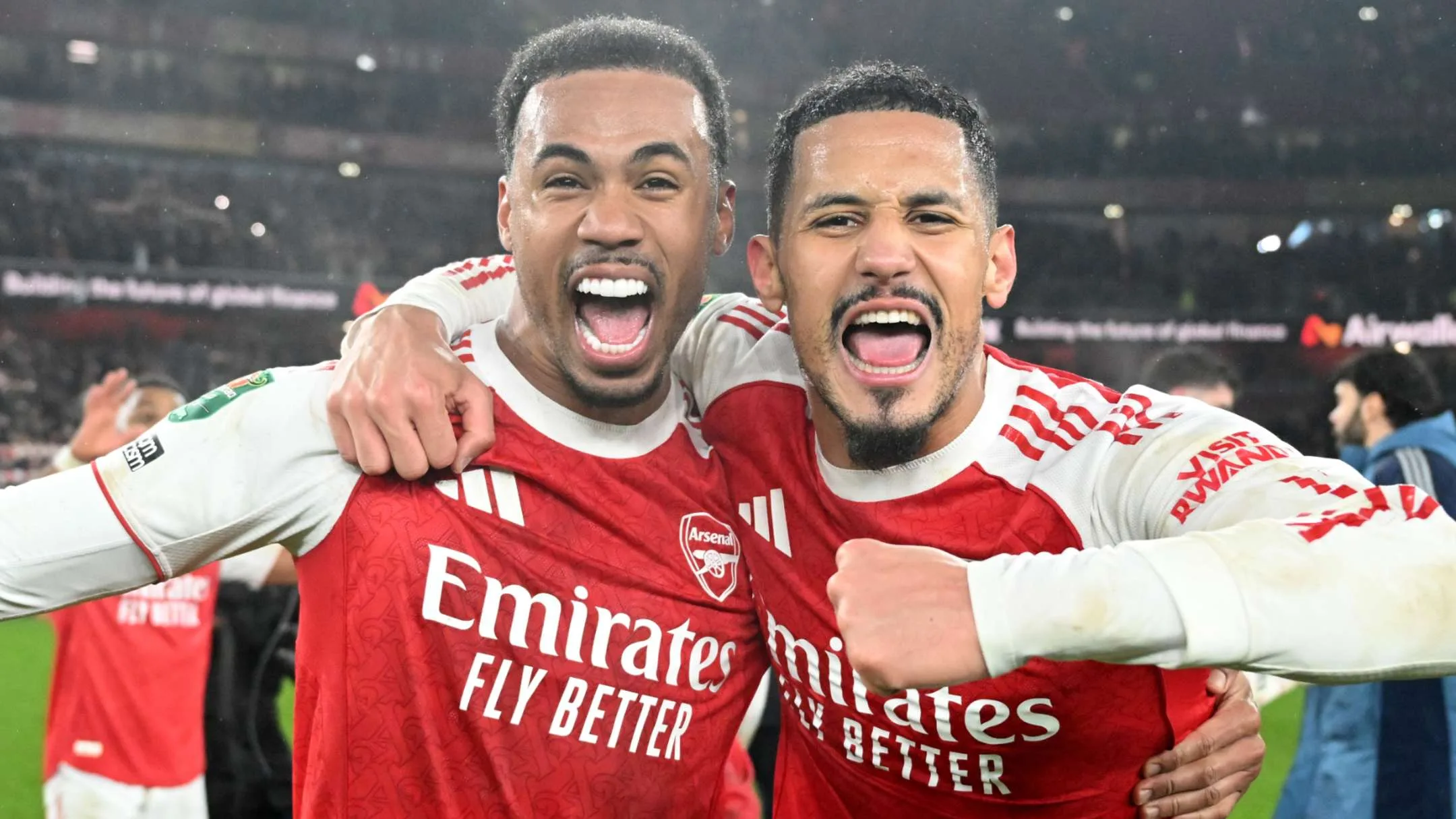
Finding elite centre backs remains one of football’s toughest tasks. Across the last three seasons a clear group has emerged, each offering different traits that matter at the very top.
Cristian Romero is a defender of pure intensity. He “throws himself into tackles,” dominates aerially and has delivered trophies on big stages: a World Cup, two Copa Américas and a Europa League with Tottenham. That raw passion often produces decisive moments, but it also brings reckless fouls and needless bookings that limit his standing among the very best.
Sporting CP’s back-to-back Liga Portugal titles in 2023–24 and 2024–25 owed as much to Ousmane Diomande as to the goals of Viktor Gyökeres. Young and authoritative, Diomande leads Sporting’s back three with speed, aerial power and anticipation, though occasional positioning lapses and temper remain to be ironed out.
Dean Huijsen’s rapid rise from a loan at AS Roma to a Spain international and Real Madrid prospect highlights his calmness, technical comfort and willingness to carry the ball forward. At 6’5″ he combines presence with composure and looks like a long-term defensive investment.
Micky van de Ven’s ceiling is limited only by his fitness. When healthy his exceptional pace makes him almost impossible to beat. Similarly, Malick Thiaw adapted quickly to the Premier League after his 2025 move to Newcastle, offering athleticism, intelligence and set-piece threat in a defence ravaged by injuries.
Antonio Rüdiger and Ibrahima Konaté provide high-energy, physical leadership, while Jonathan Tah’s consistency at Leverkusen earned a long-awaited Bayern move. Gleison Bremer’s absence through an ACL tear underlined his importance to Juventus when fit.
Other profiles include Piero Hincapié’s front-foot pressing, Nico Schlotterbeck’s progressive defending at Dortmund, Manuel Akanji’s chess-like reading of the game, and Marquinhos as PSG’s organising heartbeat. Joško Gvardiol summed up his approach plainly: “I’m happy to be back to my position,” and “Just play simple, protect the goal, defend the goal.”
At Barcelona, Pau Cubarsí combines calm possession and tactical nous; at Crystal Palace Marc Guéhi provided the defensive base for historic club success; Willian Pacho’s 2025 Champions League final intervention illustrated his speed and bravery; and Virgil van Dijk remains, in form, the standard of the position: “I wouldn’t even bother, I’m just too good” was once his defiant line on the pitch.
Arsenal
How the Modern Market Made the Most Valuable 18-Year-Olds
Modern transfer inflation produced record valuations for 18-year-olds; injuries and timing mattered..
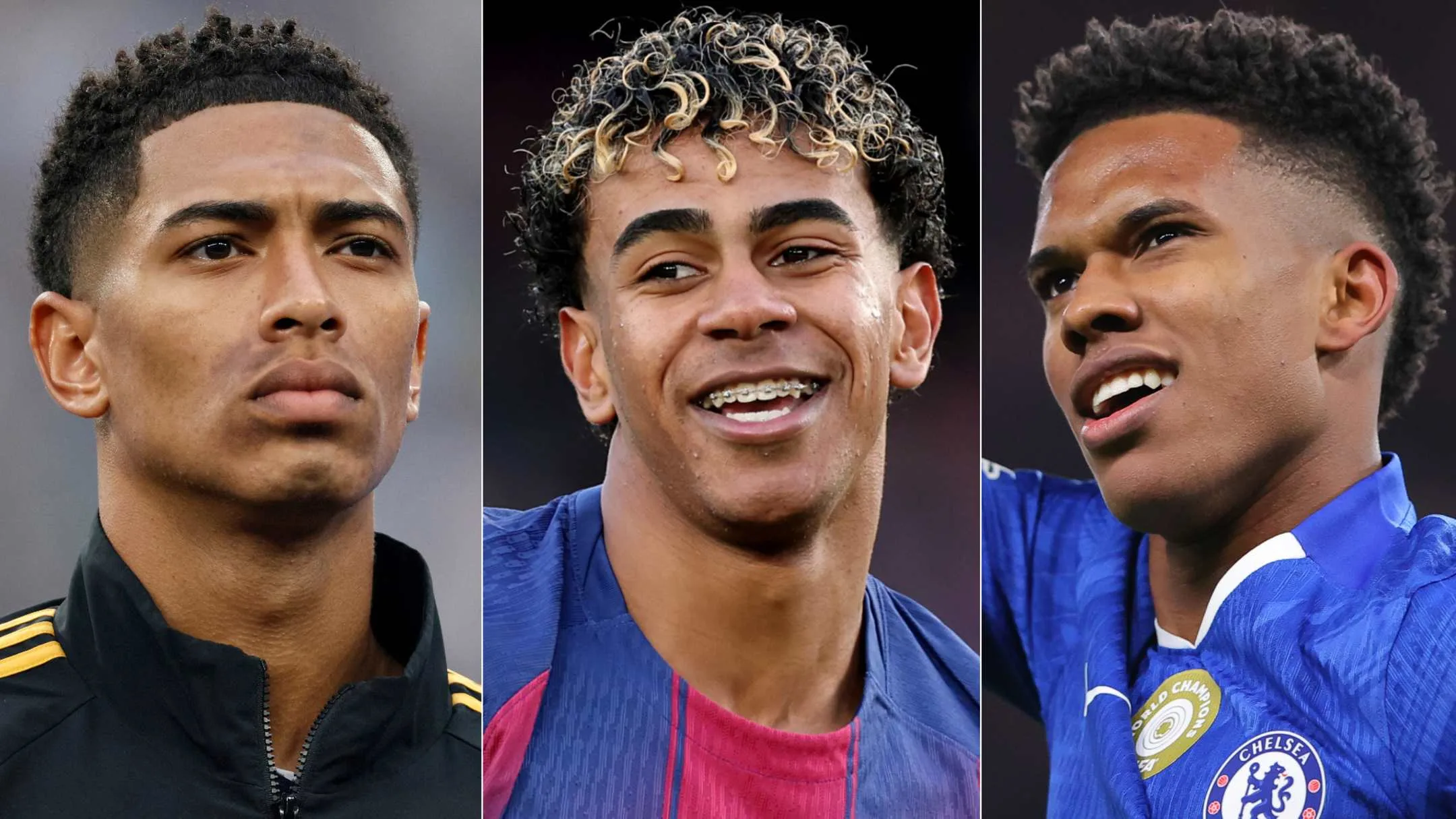
“Old age and treachery will always beat youth and exuberance.” That observation sits oddly beside the transfer market of the last decade, where inflated fees have produced the most valuable 18-year-olds in football history. Transfermarkt’s crowd-sourced estimations reflect what a player might fetch on the open market on their 18th birthday and are a reminder that a world record fee in 1958 would be the equivalent of £91,000 ($123,000) today.
Chelsea committed an initial €34 million to sign Estêvão from Palmeiras when he was only 17 in 2024. By the time he was allowed to join the Blues after turning 18 his valuation had risen sharply. The Brazilian has impressed coaches and teammates with his talent and humility. “The hardest challenge has been the weather,” he laughed midway through his first season in England.
At Arsenal, Ethan Nwaneri first captivated attention when he became the youngest Premier League player at 15 with a late appearance at Brentford. Mikel Arteta has taken a cautious route to his development. “I am responsible for building a career for him. You have to do that brick by brick,” he said, adding a longer metaphor about cementing each stage. “Now we have to put some cement, make sure it doesn’t get dry so we can put another one and that will stick. Then we put one more layer, one more layer. “If you want to put five bricks in a row, believe me, it won’t work.”
Lucien Favre on Jude Bellingham offered a different perspective: “With someone like him, I don’t look at the date of birth.” Bellingham was rated at €55 million as an 18-year-old and Real Madrid paid €103 million in the summer of 2023. His first year produced 23 goals, 13 assists, a La Liga title and the Champions League.
Real Madrid also paid €47.5 million for Endrick a year before Estêvão and later spent €30 million on Reinier. Endrick managed one La Liga goal in his first 18 months in Spain.
Warren Zaïre-Emery started more than half of Paris Saint-Germain’s league games at 18 while competing for midfield places; his agent Jorge Mendes suggested his client could become a Ballon d’Or winner. Gavi made his senior Spain debut at 17; Emerson Palmieri admitted, “I didn’t know him,” and by 18 Gavi was among the planet’s most valuable midfielders.
Lennart Karl’s breakthrough at Bayern included the candid remark: “FC Bayern is a very big club. It’s a dream to play there. But at some point I definitely want to go to Real Madrid,” he naïvely told a cluster of fans. “That [Madrid] is my dream club, but let’s keep that between us.”
Pau Cubarsí displayed early composure after an under-11s sending off and, under Hansi Flick’s use of an offside trap, reached his 100th appearance for Barcelona while still 18.
Ansu Fati’s decline can be traced to a rupture of his meniscus one week after turning 18 in November 2020. He was out for 10 months. Before that first injury he had played 43 games with 13 goals and 5 assists and averaged a goal or assist every 109.7 minutes. After the injury he played 80 games with 16 goals and 5 assists and averaged a goal or assist every 159.1 minutes. Matches missed through injury are listed as 2.