Premier League
IFAB Proposes New Penalty and VAR Adjustments Ahead of 2026 World Cup
IFAB considers new rules on penalties and VAR to refine football ahead of the 2026 World Cup.

The International Football Association Board (IFAB) is considering rule changes that could reshape some key aspects of football before the 2026 World Cup. These proposals, while not revolutionary, aim to address ongoing concerns about fairness and officiating in the sport.
One of the most significant changes IFAB is exploring relates to penalty kicks. Currently, after a goalkeeper saves a penalty, the attacking team can attempt to score from any rebound. IFAB’s potential new rule would declare the ball “dead” immediately after the goalkeeper makes a save, removing the chance for follow-up attempts. This would isolate penalties as single, decisive moments, also eliminating disputes related to players encroaching in the penalty area during kicks.
In addition to the penalty modifications, IFAB is reviewing the scope of the Video Assistant Referee (VAR) system. Presently, VAR can intervene only in cases involving goals, penalties, and direct red cards. IFAB is considering expanding this to include other critical decisions such as corners and second yellow cards, thereby giving VAR greater influence over game-defining moments.
While these proposed adjustments have not found universal approval—UEFA has already expressed reservations—they underscore the ongoing evolution of football rules. The goal remains to refine the game without complicating its fundamental simplicity, famously noted by Liverpool legend Bill Shankly: “football is a simple game complicated by idiots.”
These ideas will be closely watched as football prepares for one of its biggest global stages.

Arsenal
Midwinter Market: Big-money valuations and loan manoeuvres dominate the rumour mill
Transfers: Leão to Arsenal; Bellingham priced; Pepi medical booked; loan interest grows. Many clubs.
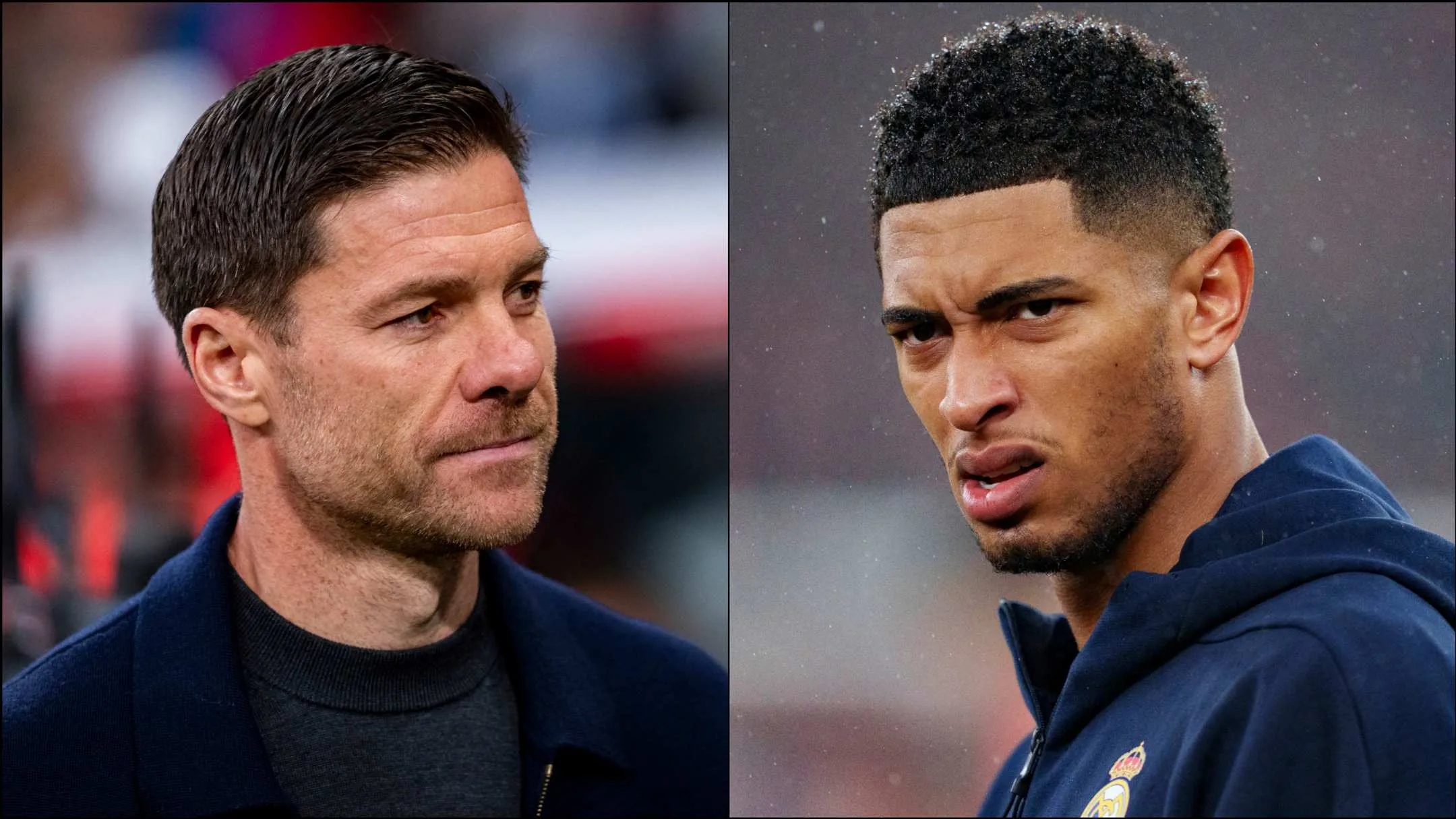
The transfer chatter remains dominated by high fees and pragmatic loan options as clubs across Europe prepare for significant summer moves. Arsenal have been linked with AC Milan forward Rafael Leão, a target reported to command $92.3 million (£69.1 million, €80 million) as the Gunners weigh reinforcement options amid speculation over Gabriel Martinelli.
Manchester United’s interest in Joshua Zirkzee has cooled as the striker plots a return to Serie A. His likely Italian suitors, including Juventus, Milan and Napoli, are reportedly only interested in a loan deal.
Manchester City have pursued Barcelona center back Pau Cubarsí with what has been described as an “obsession.” City are understood to have proposed a swap involving Omar Marmoush as a potential makeweight in the negotiations.
Arsenal are also the centre of a different story, with Crystal Palace, Everton and West Ham United all exploring a loan move for Arsenal’s “frustrated” left back Myles Lewis-Skelly.
Chelsea are active on several fronts. They have submitted offers for Borussia Dortmund’s Serhou Guirassy, while also being linked to Inter target Alessandro Bastoni. Inter rejected an initial Barcelona approach of up to $75 million (€65 million) and are reported to be asking closer to $92.3 million. Guirassy has been floated as a replacement option and could be available for $69.2 million (€60 million), with Chelsea and Inter among those said to have made offers.
Chelsea are also said to be close to signing Valentín Barco from Strasbourg, a move described as at an “advanced stage.” Meanwhile, Aston Villa are demanding a club-record fee in excess of $133.5 million (£100 million) for Morgan Rogers amid Chelsea interest.
On the wider market, Real Madrid are willing to listen to offers for Jude Bellingham, who has been valued at $173 million (£129.6 million, €150 million) and is attracting reported interest from Manchester United and Chelsea. Borussia Dortmund remain confident they can secure a permanent return for Jadon Sancho once his contract at Manchester United expires, with the club “confident” of a deal. Fulham have lined up a medical for Ricardo Pepi in a deal set to be worth $38 million (£28.5 million), and Newcastle United have scouted Lens goalkeeper Robin Risser, valued at $46.1 million (£34.6 million, €40 million).
Chelsea
UK Government Moves to Sue Over Frozen Chelsea Sale Funds
UK government moves to sue to gain access to frozen funds from Roman Abramovich’s 2022 sale. In U.K.
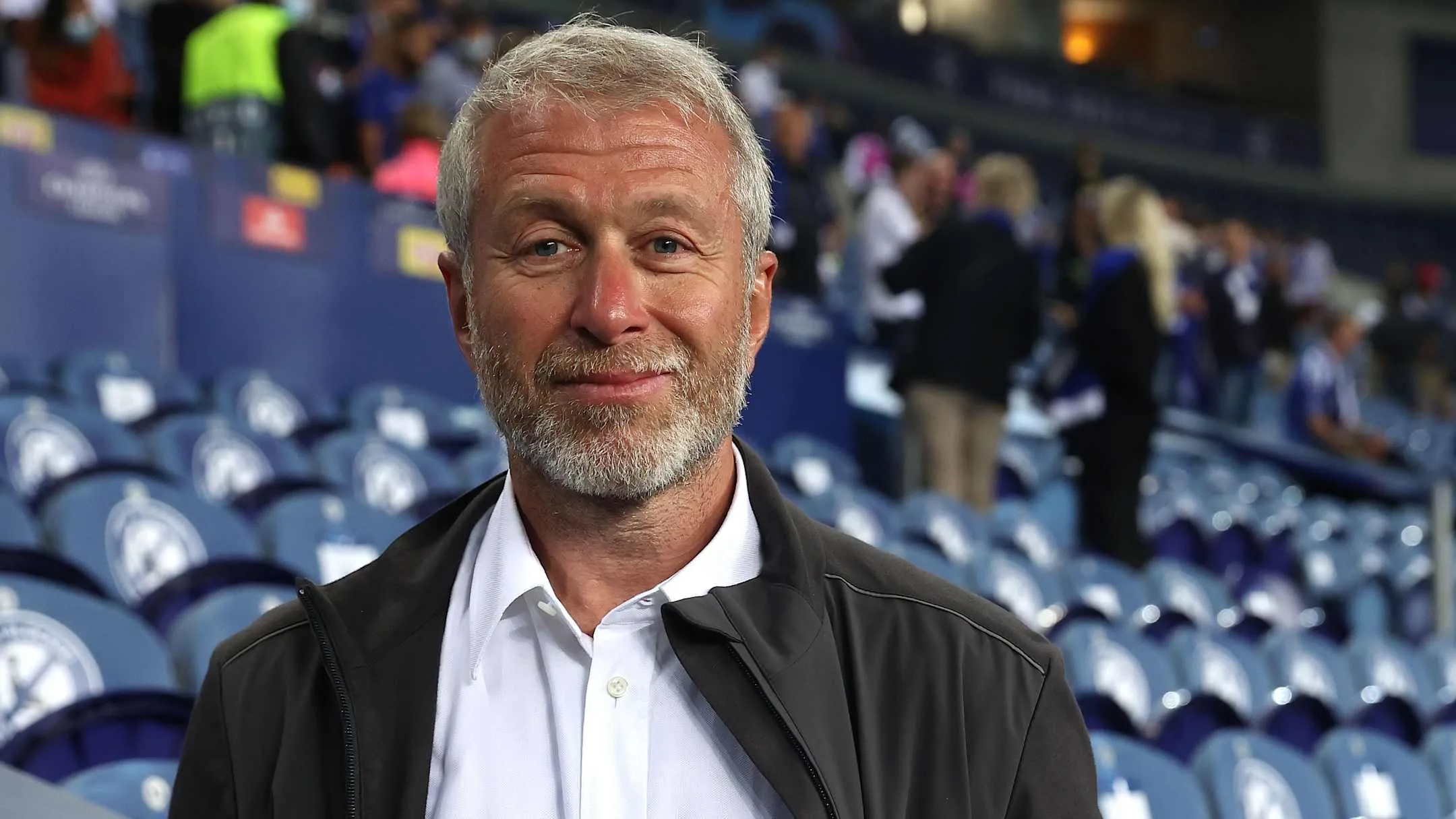
The UK government is preparing legal action to obtain access to the $3.2 billion held from Roman Abramovich’s sale of Chelsea in 2022. A consortium led by Todd Boehly and Clearlake Capital paid a total of $5.2 billion (£4.25 billion) for the club, with $3.2 billion the final sale price and a pledge of $2 billion in investment over the next 10 years.
The $3.2 billion remains frozen in a U.K. bank account controlled by Fordstam, Abramovich’s company, because the parties have not agreed on the funds’ intended use. The government now says it will pursue litigation to secure the money after negotiations failed to reach a resolution.
A government spokesperson said: “We gave Roman Abramovich his last chance to do the right thing. Once again, he has failed to make the donation he committed to.
“We will now take further steps to ensure that the promise he made at the time of the Chelsea sale is kept.”
The disagreement stems from the wording of the 2022 agreement. Both sides say the money should support victims of the war, but they differ on how that is defined. The government wants to send the entire sum to Ukraine, while Abramovich has argued there are victims of the conflict outside of Ukraine, including in his native Russia.
Legal action was seen as the likely outcome more than 12 months ago, and another year of unsuccessful talks has left the government concluding there is no alternative. Reports of an investigation in Jersey, where some of Abramovich’s money was managed, have added to the uncertainty surrounding the funds.
The draft sale and much of Abramovich’s Chelsea investment were funded through a series of offshore loans, including more than $2 billion interest-free from a Jersey company, Camberley International Investments.
Man Utd
Carrick confirms Martínez will miss Bournemouth; hopes for Leeds return
Carrick: Martinez will miss Bournemouth but should be fit for the Leeds game after the break. please.
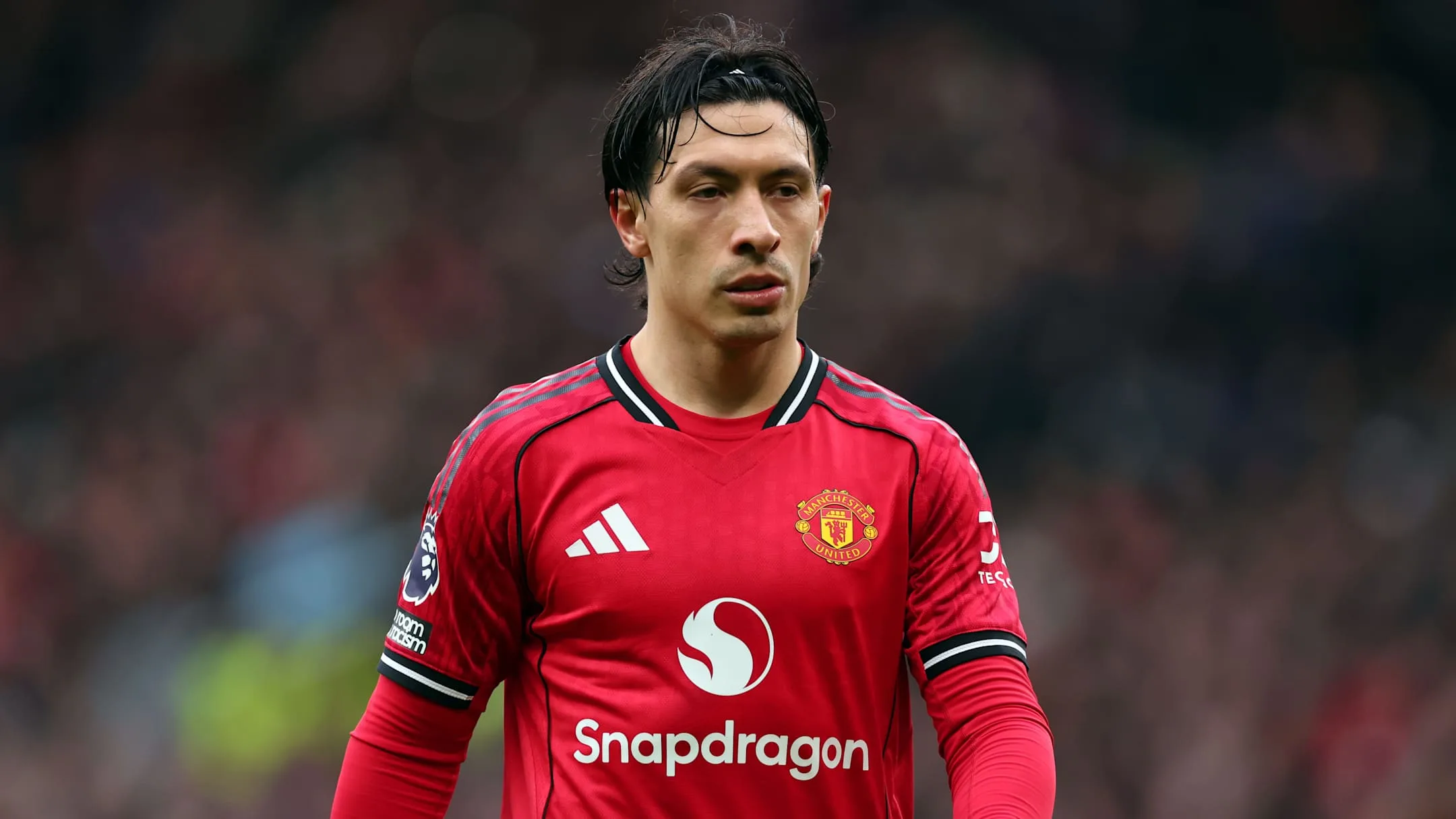
Michael Carrick has confirmed Lisandro Martínez will not be available for Manchester United’s trip to Bournemouth on Friday, but said the Argentina international is progressing and is expected to be ready following the international break. “He’s getting there,” Carrick admitted. “So after this one, I think he’ll be alright.”
Carrick also addressed the wider defensive injury picture, highlighting the ongoing problem with Matthijs de Ligt. The Dutch defender was first sidelined in November, and early tests suggested a short absence, but he has not been seen since and a return date remains unspecified. “It’s [a] similar [situation] really and frustrating for Matta,” Carrick continued. “He’s obviously trying to work to get back but it’s just the back issue, really, that’s proving difficult. We’ll keep working as hard as we can, to get him back as quickly as we can.”
With De Ligt still sidelined, Martínez’s likely comeback after the break is a tangible boost for a side with limited central defensive options. At present the senior choices named are Harry Maguire, Leny Yoro and 19-year-old Ayden Heaven.
The manager also offered an update on Mason Mount, who has faced repeated fitness problems since his move from Chelsea in 2023 in a package worth up to $75.7 million (£60 million). Mount has managed 66 appearances across all competitions for the club and has missed 58 matches through various fitness concerns. He returned to the bench as an unused substitute for the 3–1 win over Aston Villa at the weekend, and Carrick stressed caution over his reintroduction. “Starting would be too much, I think, at this point,” Carrick said of the midfielder.
Carrick’s remarks underline a careful approach to managing recovery across the squad as United prepare for a busy period that includes the visit of Leeds United on April 13 after the international break.